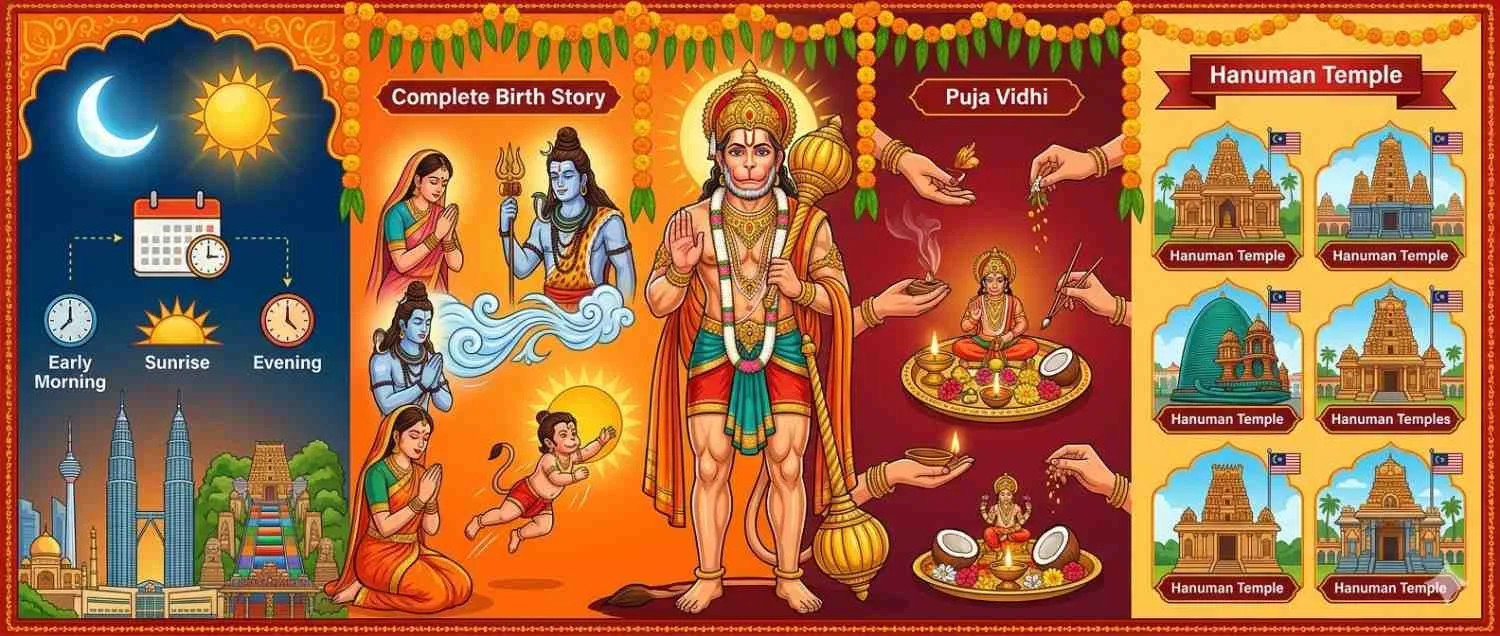
Hanuman Jayanti 2026 in China: Date, Timings, Complete Birth Story, Puja Vidhi & Hindu Community Celebrations
Hanuman Jayanti 2026 / Hanuman Janmotsava / Chaitra Purnima Vrat will be observed with quiet devotion by the Indian, Nepalese, and small Hindu community in…

Hanuman Jayanti 2026 / Hanuman Janmotsava / Chaitra Purnima Vrat will be observed with quiet devotion by the Indian, Nepalese, and small Hindu community in…
Hanuman Jayanti 2026 / Hanuman Janmotsava / Chaitra Purnima Vrat will be observed with quiet devotion by the Indian, Nepalese, and small Hindu community in China on Thursday, April 2, 2026. This sacred day celebrates the birth anniversary of Lord Hanuman (Bajrangbali, Pawan Putra, Anjaneya, Maruti) — the divine symbol of immense strength, courage, selfless bhakti (devotion), loyalty, humility, and obstacle removal.
In North Indian traditions, Hanuman Jayanti falls on Chaitra Shukla Purnima. Due to the limited presence of public Hindu temples in mainland China, the Indian diaspora (mainly professionals, students, and families) celebrates through private gatherings, ISKCON-inspired groups, Indian embassy or consulate-supported events, and online community programs in cities like Beijing, Shanghai, Guangzhou, Shenzhen, and Chengdu.
Hanuman Jayanti 2026 Date & Timings (China Time – CST)
- Main Celebration Date: Thursday, April 2, 2026
- Purnima Tithi: Begins ~7:06 AM IST on April 1 | Ends ~7:41 AM IST on April 2 (adjust to China Standard Time – CST, UTC+8)
- Best Time for Puja & Vrat: Early morning to afternoon on April 2 (Brahma Muhurta is highly auspicious)
- Moonrise: Evening of April 1 / early April 2 (ideal for Chandra Arghya and Hanuman prayers)
Note for Devotees in China: Celebrations are usually low-key and held in homes, rented community halls, or through Indian cultural associations. Check WeChat groups, Indian embassy announcements, or ISKCON-related contacts closer to the date for virtual or small in-person events.
Significance of Hanuman Jayanti for Hindus in China
For the Indian community living and working in China, this festival provides spiritual strength to face professional challenges, cultural adjustments, and daily life in a fast-developing environment. It helps preserve Sanatan Dharma traditions, fosters community bonding, and invokes courage, discipline, and protection.
Complete Story of Lord Hanuman’s Birth (Hanuman Janmotsava Katha)
According to the Valmiki Ramayana, Puranas, and Ananda Ramayana:
An apsara named Anjana (Anjani) was born on Earth as a vanara due to a curse. She married the brave vanara king Kesari. Longing for a child, Anjana performed rigorous tapasya to Lord Shiva. Pleased, Shiva blessed her with a son endowed with divine power and extraordinary strength.
Meanwhile, the gods prepared for Lord Vishnu’s incarnation as Sri Rama to defeat Ravana. They contributed portions of the sacred payasam (divine pudding) from King Dasharatha’s yajna. The Wind God Vayu (Pawan Dev) carried a portion and placed it in Anjana’s hands while she meditated on a mountain.
Anjana consumed it reverently. Through Shiva’s boon, Vayu’s divine energy, and the celestial payasam, she conceived a glorious son.
On Chaitra Purnima, in a cave on Anjanadri mountain, Anjana gave birth to a radiant baby boy with a reddish glow. Feeling intense hunger, the infant saw the rising red sun and leaped powerfully into the sky, mistaking it for a ripe fruit.
Indra struck the child with his Vajra (thunderbolt). The baby fell back, slightly injuring his jaw (hanu). Hence, he was named Hanuman (“one with a prominent or injured jaw”).
Vayu, enraged, withdrew all air from the world. The gods pacified him and granted powerful boons: immense physical strength, speed like the wind, ability to change size at will, invulnerability to weapons and fire, supreme wisdom, and lifelong protection.
Lord Brahma, Shiva, and other deities further empowered him. His parents named him Anjaneya, Maruti, Bajrangbali, and Pawan Putra.
As a child, Hanuman learned the scriptures from Surya Dev by flying alongside the sun god’s chariot. His legendary devotion to Lord Rama — finding Sita, burning Lanka, carrying the Sanjeevani mountain, and fighting valiantly against Ravana — inspires millions worldwide, including the Hindu community in China.
This inspiring story teaches pure devotion, humility despite great power, and complete surrender to dharma.
How to Celebrate Hanuman Jayanti 2026 in China – Puja Vidhi
- Vrat / Fasting: Observe a full or partial fast (phalahar – fruits, milk, sweets). Break the fast after puja.
- Abhishekam: Bathe the Hanuman murti or photo with panchamrita, Gangajal, rose water, and milk.
- Hanuman Chalisa Recitation: Chant individually or in small groups — 11, 21, 108, or more times.
- Offerings: Sindoor, laddoos, boondi, betel leaves, coconut, red or saffron flowers.
- Mantras: “Om Hanumate Namah”, “Jai Bajrangbali”, Bajrang Baan, “Shri Ram Jai Ram Jai Jai Ram”.
- Sundara Kanda Path & Bhajans: Group recitation and devotional singing via video calls or small gatherings.
- Community Events: Join online bhajans or in-person meetings organized by Indian associations.
- Charity: Donate food or participate in virtual/community support.
Wear saffron or red clothes. Many small events are coordinated through WeChat or embassy cultural programs.
Hindu Community & Celebrations in China (2026)
There is no large dedicated public Hanuman temple in mainland China due to regulatory restrictions on religious activities. Ancient historical connections exist (e.g., Tamil Shiva and Hindu motifs in the Kaiyuan Temple in Quanzhou, Fujian, from the 13th century), but modern celebrations are community-driven:
- ISKCON Groups — Small but active pockets in Beijing, Shanghai, Guangzhou, Shenzhen, Chengdu, and other cities organize devotional programs, including Hanuman Chalisa chanting and bhajans during major festivals.
- Indian Embassy & Consulates — The Embassy of India in Beijing and Consulates in Shanghai, Guangzhou, etc., occasionally support or host cultural events that may include devotional elements or storytelling sessions related to Hindu festivals.
- Indian Cultural Associations & WeChat Groups — The Indian community (professionals and students) gathers in homes, community halls, or rented venues for Hanuman Jayanti. Past events in cities like Shenzhen have included special pujas and community celebrations.
- Online & Virtual Participation — Many devotees join global live streams from ISKCON or Indian temples due to the small local presence.
Tip for Devotees in China: Connect through Indian community WeChat groups, “Indians in China” networks, or ISKCON contacts closer to April 2, 2026, for event details, live streaming options, or private gatherings. Respect local regulations and celebrate discreetly.
Benefits of Observing Hanuman Jayanti
- Grants physical and mental strength
- Removes obstacles, fears, and planetary doshas
- Enhances focus, discipline, and unwavering devotion
- Brings family harmony, health, success, and divine protection
Jai Shri Ram! Jai Hanuman! Bajrangbali Ki Jai!
This guide is specially prepared for the Hindu community in China. Whether you are in Beijing, Shanghai, Guangzhou, Shenzhen, or any other city, plan your personal or small-group participation for a spiritually uplifting Hanuman Jayanti 2026.
For hindutone readers: Share your experiences of celebrating Hanuman Jayanti in China in the comments, download the Hanuman Chalisa, or join online community events. Celebrate with family and friends while staying connected to rich traditions!
Wishing all Hindu families in China a blessed, powerful, and obstacle-free Hanuman Jayanti on April 2, 2026! [image: 🕉️] [image: 🙏]
Frequently Asked Questions
When is Hanuman Jayanti in China 2026?
Hanuman Jayanti in China 2026 falls on April 2, 2026.
What is the significance of Hanuman Jayanti in China?
Hanuman Jayanti 2026 / Hanuman Janmotsava / Chaitra Purnima Vrat will be observed with quiet devotion by the Indian, Nepalese, and small Hindu community in China on Thursday, April 2, 2026 . This sacred day celebrates the birth anniversary of Lord Hanuman (Bajrangbali, Pawan Putra, Anjaneya, Maruti) — the divine symbol of immense strength, courage, selfless
How is Hanuman Jayanti in China celebrated?
Devotees observe it with puja, fasting or special offerings, visiting temples, chanting mantras, and gathering with family. Customs vary by region and tradition.
What should devotees do on Hanuman Jayanti in China?
Worship Lord Hanuman, perform the day's puja and offerings, observe the fast where prescribed, and chant the associated mantras with devotion.
You might also like

Hanuman Jayanti 2026 in Russia: Date, Timings, Complete Birth Story, Puja Vidhi & Hindu Community Celebrations

Hanuman Jayanti 2026 in UAE: Date, Timings, Complete Birth Story, Puja Vidhi & Major Celebrations

Hanuman Jayanti 2026 in Nepal: Date, Timings, Complete Birth Story, Puja Vidhi & Major Hanuman Temples