Holi Celebrations in Bangladesh: Vibrant Colors and Cultural Joy in a Diverse Nation
Holi, the exuberant Festival of Colors, marks the arrival of spring, the triumph of good over evil, and the divine love of Radha-Krishna.
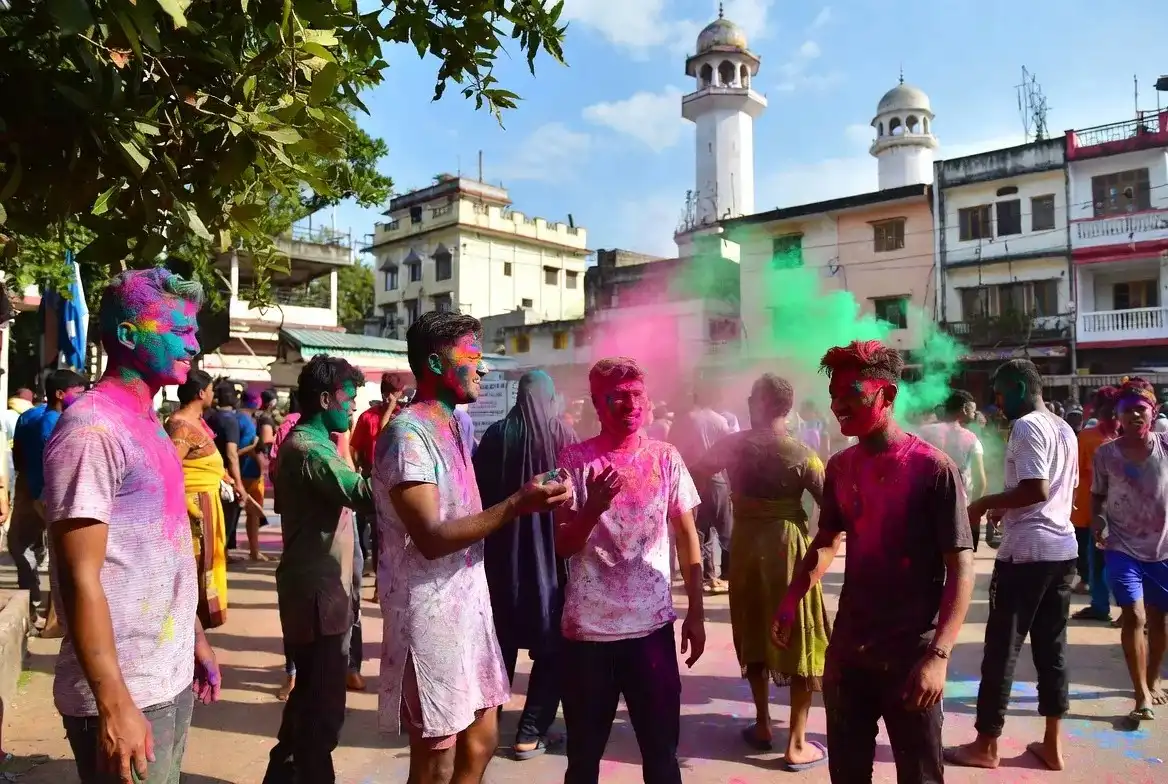
Holi, the exuberant Festival of Colors, marks the arrival of spring, the triumph of good over evil, and the divine love of Radha-Krishna.
Holi, the exuberant Festival of Colors, marks the arrival of spring, the triumph of good over evil, and the divine love of Radha-Krishna. In Bangladesh, where it is locally called Dol Jatra, Doul Jatra, or Bôshonto Utshôb (Spring Festival), the Hindu minority celebrates this joyous occasion with enthusiasm, blending ancient traditions with Bengali cultural flair.
Though Bangladesh is predominantly Muslim (with Hindus comprising about 8% of the population), Holi remains a cherished festival among Hindus, observed with devotion, colors, music, and community bonding—often in historic temples and narrow lanes of old cities.
Traditions of Holi in Bangladesh
Bangladeshi Hindus follow similar customs to those in neighboring regions, adapted to local Bengali influences:
- Holika Dahan (Chhoti Holi) — The evening before features bonfires to symbolize the destruction of evil, accompanied by prayers, bhajans, and community gatherings.
- Rangwali Holi (Dol Purnima) — On the main day (Phalguna Purnima), people play with abir (colored powders), throw colored water, dance to folk and devotional songs, and share sweets like malpua, payesh, or gujiya.
- Temple-Centric Celebrations — Festivities often revolve around prominent temples, with processions, pujas, and applying colors in a spirit of unity and forgiveness.
In Bengali tradition, Holi emphasizes Basanta Utsav (spring festival) vibes, with swings (dol), flowers, and poetic expressions of renewal.
Key Locations for Holi Celebrations
- Dhaka — The capital hosts some of the most vibrant events. Historic sites like Dhakeshwari National Temple see large crowds for Dol Purnima rituals, color play, and abir-throwing. Shankhari Bazar and Wari in Old Dhaka transform into lively hubs with narrow alleys filled with colors, music, dance, and families celebrating together.
- Other Areas — Celebrations occur in Hindu-majority pockets across districts like Dinajpur, Sylhet, Chittagong, and Jessore, often at local temples or community centers.
- Inter-Community Touch — In some years, shared moments of harmony have been noted, with people from different backgrounds joining in the spirit of joy.
Holi is an optional holiday for Hindu communities in Bangladesh, recognized on the calendar (e.g., March 14, 2025; March 3, 2026).
Recent Holi Celebrations in Bangladesh
Recent years have seen enthusiastic observances despite occasional security concerns for minority festivals:
- In past events (including around 2019–2025), thousands gathered at Dhakeshwari Temple and Shankhari Bazar for colorful processions, powder-throwing, and joyful dances.
- Photos and reports from Dhaka show Hindus (and sometimes visitors) drenching each other in vibrant gulal, posing for pictures, and celebrating in the historic Hindu quarters.
- While large-scale public events continue with community spirit, festivities remain focused on temples and neighborhoods, emphasizing cultural preservation and happiness.
These celebrations highlight the resilience of Hindu traditions in Bangladesh and the festival's role in fostering community bonds.
Why Holi Matters in Bangladesh
Holi in Bangladesh celebrates not just spring but also cultural continuity, forgiveness, and the shared heritage of the Bengal region. It reminds us of unity amid diversity, with colors washing away differences and welcoming new beginnings.
Whether in the bustling lanes of Old Dhaka or serene temple courtyards, Holi brings laughter, music, and vibrant energy to Bangladeshi Hindus.
Happy Holi / Shubho Dol Jatra to all celebrating in Bangladesh and worldwide! May your life be filled with colors of joy, love, and harmony. [image: 🌸] [image: 💛] [image: 💚] [image: 💜]
What are the scriptural and mythological roots of Dol Jatra in Bengali tradition?
Dol Jatra draws its deepest meaning from the Bhagavata Purana, which describes Sri Krishna's playful use of colored powders and fragrant flowers during the spring season in Vrindavana. In Bengal, the celebration centers less on the Prahlada-Holika narrative and more on the divine love (prema) between Radha and Krishna — a theological emphasis rooted in the Vaishnava devotional tradition that spread across Bengal through the teachings of Sri Chaitanya Mahaprabhu in the 15th–16th centuries.
Sri Chaitanya, born in Nabadwip (present-day West Bengal) in 1486, revolutionized Bengali Vaishnavism by placing ecstatic kirtan and the celebration of Radha-Krishna's love at the center of spiritual life. His influence crossed into what is now Bangladesh — particularly in Sylhet, Comilla, and Faridpur — and permanently shaped how Dol Jatra is experienced: not merely as a folk color festival but as a devotional event (utsava) expressing the rasa (divine aesthetic emotion) of divine union. The Vaishnava Padavali literature, composed by poets like Chandidas and Vidyapati, is often sung during these celebrations.
How does the Dol Yatra procession differ from Holi celebrations elsewhere in South Asia?
A defining feature of Dol Jatra in Bangladesh is the Dol — literally a decorated swing or palanquin — on which the vigrahas (sacred images) of Radha and Krishna are ceremonially placed and swung. Priests anoint the deities with sandalwood paste (chandana), garland them with seasonal flowers, and carry the Dol through the streets in a formal procession accompanied by dhol (drum), kartal (cymbals), and harmonium. Devotees throw abir (dry gulal) over the deity's palanquin as an act of offering before playing colors among themselves.
This ritual swing procession (Dolotsava) is ancient and is referenced in the Padma Purana and later Bengali Vaishnava literature as a specific spring festival form of worship. It distinguishes Bangladeshi and Bengali Hindu practice from the largely street-based Holi of North India, where the procession element is less central. In Dhaka's Shankhari Bazar — historically a conch-shell craftsmen's quarter — the procession winds through lanes barely wide enough for the palanquin, a visual spectacle that has been maintained for generations.
Which historic temples serve as the spiritual heart of Holi observance in Bangladesh?
Dhakeshwari National Temple, dedicated to Goddess Dhakeshwari (a form of Durga), is the most prominent site for Dol Purnima observances in Dhaka. Although primarily a Shakta temple, it draws the entire Hindu community during major festivals, and its Holi celebrations include both communal abir-play and formal puja rituals. The temple complex, whose origins are traced to the 12th century, has historically functioned as a civic and spiritual anchor for Dhaka's Hindu population.
Beyond Dhaka, the Kantajew Temple in Dinajpur — an 18th-century terracotta temple dedicated to Krishna and Radha — is a particularly fitting site for Dol Jatra given its explicit Vaishnava iconography. The temple's terracotta panels depict scenes from the Ramayana, Mahabharata, and the life of Krishna, making it a living visual text for the very mythology the festival celebrates. In Sylhet, the Madan Mohan Temple, dedicated to a form of Krishna, hosts some of northeastern Bangladesh's most attended Dol Purnima gatherings.
What foods and seasonal offerings are specifically associated with Holi in Bangladeshi Hindu households?
Food during Dol Jatra in Bangladesh reflects both the pan-Hindu festive tradition and the distinct Bengali culinary identity. Malpua — a sweet fried pancake made from flour, sugar, and fennel — is the most iconic Holi preparation, offered to Krishna before being distributed as prasad. Payesh (rice pudding cooked in milk and sweetened with jaggery or sugar) is another ritual food, prepared at home and shared with neighbors, including Muslim families in a gesture of communal goodwill.
Seasonal items take on special importance: nolen gur (date-palm jaggery), which is available in winter and early spring in Bangladesh, is often used to sweeten payesh specifically for Dol Jatra. Thandai — the spiced milk drink popular during Holi across North India — is less common in Bangladesh, where sharbat (fruit-based cold drinks) or mishti doi (sweetened yogurt) serve a similar festive role. The sharing of these foods with neighbors, irrespective of religion, is considered a social expression of the festival's spirit of unity.
How do younger generations and universities in Bangladesh engage with Basanta Utsav today?
In urban Bangladesh, particularly in Dhaka, the festival's Basanta Utsav (Spring Festival) dimension has developed a distinct cultural life among students and young professionals. The University of Dhaka's Fine Arts Faculty (Charukala) has for decades organized a widely attended Basanta Utsav on Pahela Falgun (the first day of spring in the Bengali calendar), where participants wear yellow and white clothing symbolizing the blooming of mustard and shiuli flowers, play with mild colors, and perform Rabindra Sangeet and Nazrul Geeti.
This urban celebration blends Hindu festive roots with a broader Bengali cultural identity, making it accessible and appealing across religious communities. While the explicitly religious Dol Jatra is observed within Hindu communities and temples, Basanta Utsav has become a shared cultural moment — an example of how the festival's themes of renewal, color, and togetherness translate across Bangladesh's diverse social fabric. Cultural organizations and music schools use the occasion to stage performances of classical Bengali dance forms like Manipuri and Baul music, both of which carry Vaishnava devotional content.
What challenges and acts of resilience shape Holi observance for the Hindu minority in Bangladesh?
Bangladesh's Hindu community — concentrated in districts like Khulna, Barisal, Gopalganj, and Sylhet — has maintained Holi and Dol Jatra observance across successive generations despite being a demographic minority. Community puja committees (pujo committees) and local Hindu organizations typically coordinate the logistics of processions, temple decorations, and security arrangements, often in coordination with local municipal authorities to ensure the celebrations proceed safely.
In recent decades, Hindu organizations and civil society voices in Bangladesh have advocated for stronger protections of minority cultural and religious rights, and Dol Jatra is frequently cited as a festival that reflects the country's pluralistic heritage. The Government of Bangladesh periodically issues statements recognizing the importance of Hindu festivals to national cultural life. For practicing Bangladeshi Hindus, performing Dol Jatra in full — swinging the deity, playing abir, singing kirtan — is itself an act of cultural continuity, affirming a living tradition that connects them to a centuries-old Bengali Vaishnava heritage.
Frequently Asked Questions
When is Holi Celebrations in Bangladesh?
Holi Celebrations in Bangladesh is observed on its traditional tithi in the Hindu lunar calendar; refer to the year's panchang for the exact date in your region.
What is the significance of Holi Celebrations in Bangladesh?
Holi, the exuberant Festival of Colors , marks the arrival of spring, the triumph of good over evil, and the divine love of Radha- Krishna . In Bangladesh, where it is locally called Dol Jatra , Doul Jatra , or Bôshonto Utshôb (Spring Festival), the Hindu minority celebrates this joyous occasion with enthusiasm, blending ancient traditions with Bengali cultu
How is Holi Celebrations in Bangladesh celebrated?
Devotees observe it with puja, fasting or special offerings, visiting temples, chanting mantras, and gathering with family. Customs vary by region and tradition.
What should devotees do on Holi Celebrations in Bangladesh?
Take a sacred bath, perform the day's puja and charity (dana), observe any prescribed fast, and chant mantras with sincere devotion.
You might also like
Gita Jayanti 2026 Prasad Recipes — Tulsi-Honoring Sweets, Krishna's Favourites & December 10 Bhog Plate
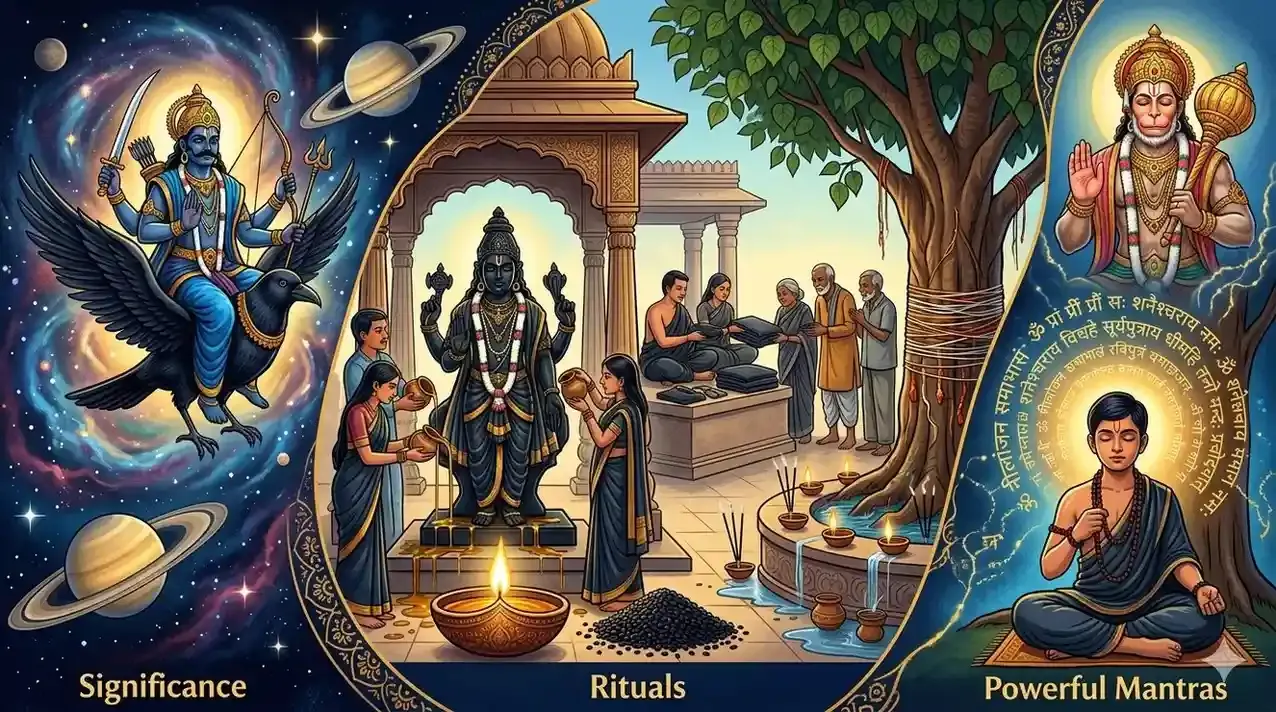
Shani Deva Temples Worldwide & Must-Performed Rituals — Complete Devotee's Guide
Maha Shivratri 2026 Vrat Recipes — Sabudana Khichdi, Singhada Halwa, Phalahara Foods Complete Fasting Guide