Holi Celebrations in Pakistan: A Vibrant Display of Hindu Culture and Harmony
Holi, the vibrant Festival of Colors, is synonymous with joy, spring, and the triumph of good over evil.
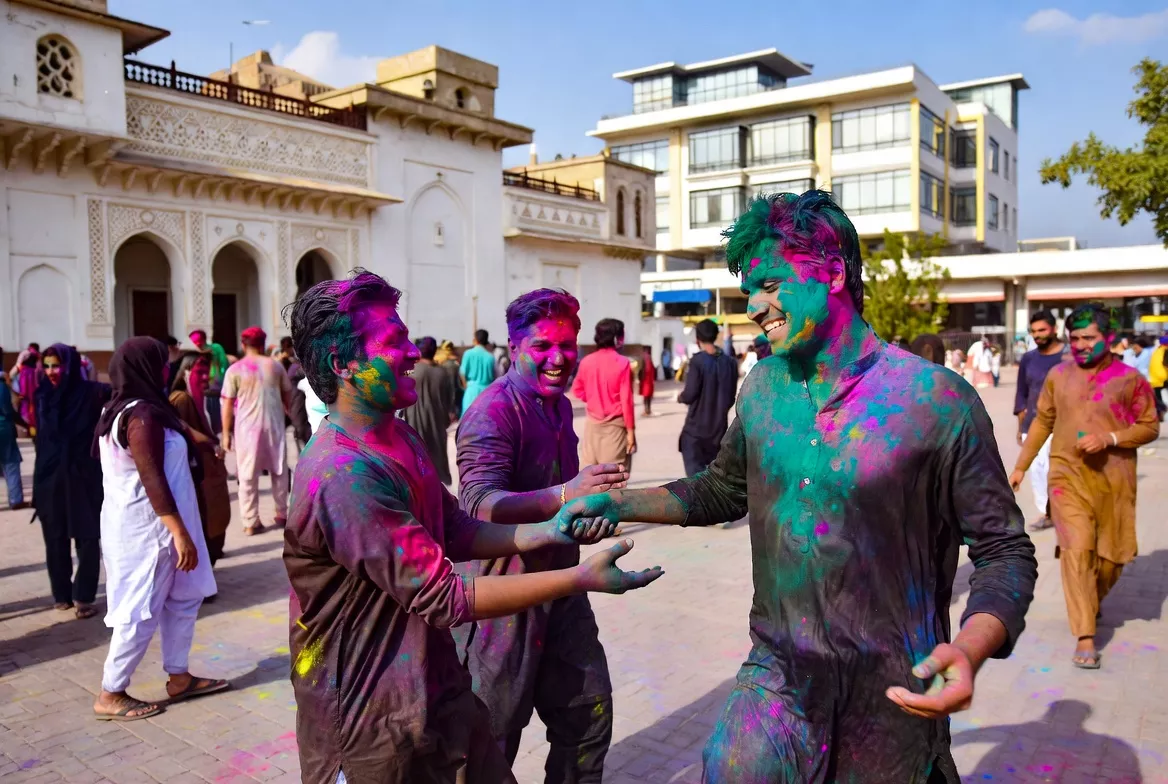
Holi, the vibrant Festival of Colors, is synonymous with joy, spring, and the triumph of good over evil.
Holi, the vibrant Festival of Colors, is synonymous with joy, spring, and the triumph of good over evil. While famously grand in India, Holi celebrations in Pakistan hold a special significance as they showcase the resilience and cultural richness of the Hindu minority in a Muslim-majority nation. Pakistani Hindus enthusiastically observe this ancient festival, blending traditional rituals with local warmth and occasional interfaith solidarity.
The Essence of Holi in Pakistan
In Pakistan, Holi is primarily celebrated by the Hindu community, which numbers in the millions, concentrated in regions like Sindh (especially Tharparkar, Umerkot, and Karachi), parts of Punjab, and other areas. The festival follows the lunar calendar, typically falling in March, marking the arrival of spring and the victory of Prahlad over the demoness Holika.
Key traditions mirror those in India but are adapted to local contexts:
- Holika Dahan — The eve features bonfires symbolizing the burning of evil, accompanied by prayers and bhajans (devotional songs).
- Playing with Colors — On the main day, people smear gulal (colored powders) and throw colored water, dance to folk music, and share sweets like gujiyas or dahi badas.
- Temple Gatherings — Celebrations often center around prominent temples, such as Shri Swaminarayan Temple in Karachi or Krishna Mandir in Rawalpindi.
Though not as widespread as in India, the festivities are filled with enthusiasm, with communities gathering in temples for pujas, singing devotional songs, and applying colors in a spirit of brotherhood.
Recent Holi Celebrations in Pakistan
In recent years, Holi in Pakistan has gained positive media attention, highlighting both cultural continuity and harmony:
- In 2025, over 500 Hindus gathered at Shri Swaminarayan Temple in Karachi for Holika Dahan, bhajans, and colorful play. Similar vibrant events occurred in Rawalpindi's Krishna Temple, where dozens of families participated in rituals led by priests.
- In the desert town of Mithi (Tharparkar district), where Hindus form a significant portion of the population, Holi coincided with Ramadan in 2025. Hindus prepared iftar meals for fasting Muslims, while Muslim youth joined Hindu processions, applying colors together — a beautiful example of interfaith unity and mutual respect.
- Prime Minister Shehbaz Sharif has extended greetings on multiple occasions, wishing the Hindu community a happy Holi and emphasizing diversity and inclusion.
These events underscore how Holi fosters peace and coexistence in diverse areas of Sindh and beyond.
Unique Aspects of Holi in Pakistan
- In the Cholistan Desert, Hindu tribes play the traditional game Khido in the days leading up to Holi, believed to be a childhood pastime of Prahlad.
- Celebrations in cities like Hyderabad (Sindh), Multan, Lahore, and Hazara region feature community events reported by local media.
- While most observe with freedom and joy, isolated incidents of challenges have been noted, yet the overall spirit remains one of celebration and cultural pride.
Holi in Pakistan reminds us that festivals transcend borders, uniting people in colors, music, and shared humanity.
Why Holi Matters in Pakistan Today
Amid global discussions on minority rights, Holi celebrations in Pakistan symbolize cultural preservation and harmony. They highlight how traditions rooted in ancient Hindu heritage continue to thrive, often with goodwill from the broader society.
Whether in bustling Karachi temples or serene Tharparkar processions, Holi brings smiles, colors, and hope.
Happy Holi to all celebrating in Pakistan and around the world! May the festival fill your life with joy, love, and vibrant colors.
Frequently Asked Questions
When is Holi Celebrations in Pakistan?
Holi Celebrations in Pakistan is observed on its traditional tithi in the Hindu lunar calendar; refer to the year's panchang for the exact date in your region.
What is the significance of Holi Celebrations in Pakistan?
Holi, the vibrant Festival of Colors , is synonymous with joy, spring, and the triumph of good over evil. While famously grand in India, Holi celebrations in Pakistan hold a special significance as they showcase the resilience and cultural richness of the Hindu minority in a Muslim-majority nation.
How is Holi Celebrations in Pakistan celebrated?
Devotees observe it with puja, fasting or special offerings, visiting temples, chanting mantras, and gathering with family. Customs vary by region and tradition.
What should devotees do on Holi Celebrations in Pakistan?
Take a sacred bath, perform the day's puja and charity (dana), observe any prescribed fast, and chant mantras with sincere devotion.
You might also like
Gita Jayanti 2026 Prasad Recipes — Tulsi-Honoring Sweets, Krishna's Favourites & December 10 Bhog Plate
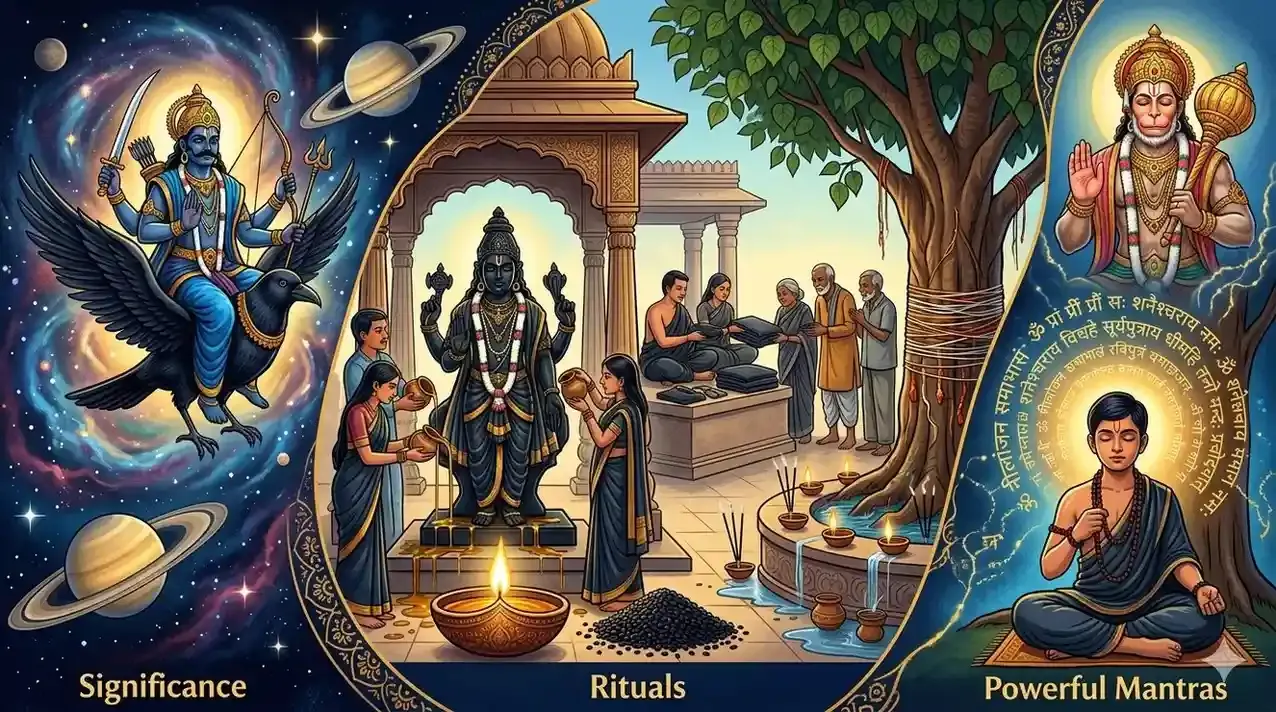
Shani Deva Temples Worldwide & Must-Performed Rituals — Complete Devotee's Guide
Maha Shivratri 2026 Vrat Recipes — Sabudana Khichdi, Singhada Halwa, Phalahara Foods Complete Fasting Guide