Angkor Wat, Cambodia: Beyond the Sunrise Crowd - Discover the Hidden Temples of Siem Reap
The Dawn Everyone Chases (And the Magic They Miss) The alarm rings at 4:30 AM, and thousands of travelers stumble through the darkness toward Angkor Wat's…
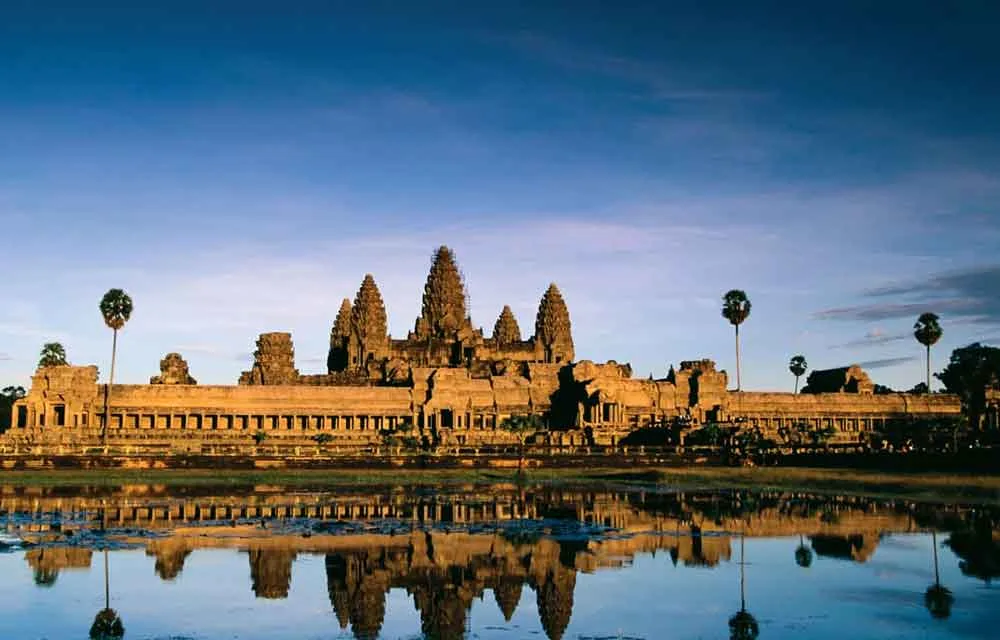
The Dawn Everyone Chases (And the Magic They Miss) The alarm rings at 4:30 AM, and thousands of travelers stumble through the darkness toward Angkor Wat's…
The Dawn Everyone Chases (And the Magic They Miss)
The alarm rings at 4:30 AM, and thousands of travelers stumble through the darkness toward Angkor Wat's reflecting pools, jostling for position to capture that iconic sunrise shot. But here's what most visitors never discover: the Angkor Archaeological Park spans over 400 square kilometers and contains more than 1,000 temples, most of which see a fraction of Angkor Wat's crowds.
What if the most magical moments aren't at sunrise, but in the golden afternoon light filtering through strangler figs at Ta Prohm? Or in the peaceful corridors of Preah Khan at sunset when you might be completely alone with ancient stone?
This guide will show you how to experience the soul of Angkor beyond the Instagram crowds—revealing the lesser-known temples that steal travelers' hearts and the strategic timing that transforms your visit from tourist checklist to spiritual journey.
A Brief History & Mythology: The Empire That Built Heaven on Earth
The Angkor temples weren't built by one king or in one lifetime—they represent the architectural evolution of the mighty Khmer Empire from 802 to 1431 CE. At its peak, Angkor was one of the world's largest pre-industrial cities, home to nearly one million people.
Angkor Wat (1113-1150 CE) was built by King Suryavarman II as a Hindu temple dedicated to Vishnu, later transforming into a Buddhist site. But it's just the most famous chapter in a much longer story.
Ta Prohm (1186 CE), often called the "Tomb Raider Temple," was built by King Jayavarman VII as a Buddhist monastery and university. Its Sanskrit inscriptions reveal it once housed 12,640 people, including 18 high priests and 615 dancers.
Preah Khan (1191 CE), also commissioned by Jayavarman VII, served as a temporary capital during Angkor Thom's construction and functioned as a Buddhist monastery complex covering 140 acres.
The Legend: Local mythology speaks of the temples as earthly representations of Mount Meru, the center of the Hindu and Buddhist universe. The Khmer kings believed they were divine god-kings (devaraja), building these monuments to ensure their immortality and the prosperity of their kingdom.
The Spiritual & Cultural Significance Today
While Angkor Wat draws Buddhist monks for meditation and prayer, particularly during festivals like Pchum Ben (Ancestors' Day) and Khmer New Year, the lesser-known temples hold their own spiritual power.
Ta Prohm has become a symbol of nature's resilience and the impermanence of human achievement—a core Buddhist concept. Monks occasionally meditate among the ruins, and locals leave offerings at Buddha statues tucked within the galleries.
Preah Khan still serves as an active place of worship, with incense burning at various shrines throughout the complex. Local Cambodians visit to pray for good fortune, health, and to honor ancestors.
The temples remain sacred to Cambodian people, and many believe protective spirits (neak ta) inhabit the ancient stones. This isn't just a UNESCO World Heritage Site—it's a living connection to Cambodia's glorious past and spiritual present.
Planning Your Visit: The Strategic Approach
How to Get There
From Siem Reap City Center:
- Tuk-tuk: The most popular option. Hire for the day ($15-25 USD) or negotiate for specific temples
- Bicycle: Available for rent ($2-5 USD/day). The complex is bikeable if you're fit—routes are mostly flat
- E-bike/Scooter: Rent for $5-10 USD/day (requires international license)
- Private car/driver: $35-60 USD/day, includes air conditioning and local knowledge
- Distance from town: 6-7 km to Angkor Wat; Ta Prohm is 10 km; Preah Khan is 3 km from Angkor Thom
Best Time to Visit
Season:
- Dry Season (November-March): Clear skies, comfortable temperatures (20-30°C), but peak crowds
- Green Season (May-October): Fewer tourists, lush vegetation, dramatic clouds for photography. Ta Prohm looks incredible when rain-soaked
- Sweet Spot: Late October-early November or April—fewer crowds, good weather
Time of Day Strategy:
- Angkor Wat: Visit at sunset (4-6 PM) instead of sunrise—fewer people, better light on the west-facing facade
- Ta Prohm: Early morning (7-9 AM, after the sunrise crowd moves on) or late afternoon (3-5 PM)
- Preah Khan: Late afternoon (4-6 PM) for magical golden light and near-solitude
- Pro Tip: Visit popular temples during lunch (12-2 PM) when most tourists return to town
Opening Hours and Entrance Fees
Important Details:
- Purchase tickets at the Angkor Enterprise ticket office (open 5 AM-5:30 PM)
- Tickets include a photo (taken on-site)
- Children under 12 enter free
- Tickets are checked at each major temple
- Sunrise viewing requires valid ticket (gates open at 5 AM)
What to Wear (Dress Code)
Essential Guidelines:
- Shoulders covered: No tank tops, spaghetti straps, or sleeveless shirts
- Knees covered: No shorts above the knee, short skirts, or ripped jeans
- Comfortable footwear: Closed-toe shoes recommended (lots of uneven stones)
- Hat & sunglasses: Essential for sun protection
- Lightweight, breathable fabrics: It gets hot!
Pro Tip: Bring a sarong or light scarf—you can cover up when entering sacred areas and use it as a blanket for sitting on stones during breaks.
Exploring Beyond Angkor Wat: The Hidden Gems
Ta Prohm: Where Nature Reclaims Glory
The Experience: Massive silk-cotton trees (Ceiba pentandra) and strangler figs (Ficus gibbosa) have intertwined with the temple structures for centuries, creating an otherworldly landscape where stone and root become inseparable.
Key Areas to Explore:
- The Hall of Dancers - Intricate apsara (celestial dancer) carvings still visible on crumbling walls
- The Tomb Raider Tree - The iconic strangler fig from the Angelina Jolie film (expect crowds here)
- The Eastern Gallery - Often empty, features beautiful window frames perfect for photography
- The Secret Sanctuary - Northwest corner, rarely visited, with incredible tree-root formations
Can't-Miss Spot: Walk to the far western section past the "Tomb Raider Tree"—you'll find equally impressive root systems with almost no tourists.
Photography Tips:
- Morning light (7-9 AM) creates dramatic shadows through the trees
- Shoot upward to capture the scale of the trees against the sky
- Late afternoon gives warm, golden tones to the gray stones
Preah Khan: The Forgotten Monastery City
The Experience: This sprawling complex feels like a true archaeological adventure. Unlike heavily restored temples, Preah Khan retains its mysterious, semi-ruined state—you'll climb over fallen stones and duck through narrow passages.
Key Areas to Explore:
- The Hall of Dancers (Central Sanctuary) - Features 4-armed dancing apsaras unique to this temple
- The Two-Story Pavilion - Rare Greco-Roman style columns (Greek influence from trade routes)
- The Maze of Corridors - Easy to get pleasantly "lost" in the interconnected galleries
- The Eastern Entrance - Beautifully preserved garudas (mythical birds) holding nagas (serpents)
Can't-Miss Spot: The western gate at sunset—light pours through the stone doorways creating dramatic silhouettes, and you'll likely have it entirely to yourself.
Insider Secret: Hire a local guide at the entrance ($5-10 USD)—they know hidden carvings and stories not found in any guidebook.
Other Lesser-Known Treasures
Banteay Kdei: Similar vibe to Ta Prohm but with 90% fewer tourists. Buddhist monastery with peaceful energy and beautiful tree-root combinations.
Neak Pean: A unique water temple on an island—small but photographically stunning, especially during the rainy season.
Pre Rup: A temple-mountain perfect for sunset. Less crowded than Phnom Bakheng, with better views and easier climbing.
Tips for a Better Experience: The Insider's Playbook
How to Avoid the Crowds at Angkor
Strategic Routing:
- Reverse the Route: Most tours follow the "Small Circuit" clockwise (Angkor Wat → Ta Prohm → Angkor Thom). Go counter-clockwise or start from the back of the circuit
- Skip Sunrise: Visit Angkor Wat at sunset or midday when the masses have left
- Lunch Hour Magic: Between 12-2 PM, even popular temples empty out as tour groups return to town
Multi-Day Strategy:
- Day 1: Smaller temples (Preah Khan, Banteay Kdei, Pre Rup sunset)
- Day 2: Grand Circuit temples (Ta Som, Neak Pean, Preah Neak Poan)
- Day 3: Angkor Wat and Angkor Thom (you'll appreciate them more after seeing the others)
The Best Photo Spots Most Tourists Miss
- Ta Prohm's Back Entrance: Enormous tree roots with zero people
- Preah Khan's Western Gallery: Sunset light streaming through doorways
- Angkor Wat's North Library: Perfect reflection shots without the crowds
- Banteay Kdei's Inner Courtyard: Peaceful Buddha statues among the ruins
- Pre Rup's Upper Terrace: 360° sunset views over the jungle canopy
Golden Hour Wisdom: Arrive 30 minutes before sunset at any temple for the best light with manageable crowds.
A Local's Secret: Where to Eat Nearby
Near the Temples:
- Chanrey Tree Restaurant: Traditional Khmer cuisine in a beautiful garden setting (near Angkor Wat, $$)
- Genevieve's Restaurant: Supports local vocational training, excellent Cambodian dishes ($)
- Street Food Near Angkor Thom: Try fresh fruit stands and noodle soup vendors just outside the south gate—authentic and cheap ($1-3)
Pro Tip: Pack snacks and plenty of water. While there are vendors, prices are inflated near popular temples.
Local Drink to Try: Fresh coconut water or sugarcane juice from vendors—refreshing and cheap ($1-2).
Cultural Etiquette & Safety
- Don't climb on statues or Buddha images: Deeply disrespectful
- Ask permission before photographing monks (most will smile and say yes)
- Watch for uneven stones and steps: Accidents happen when distracted by cameras
- Bring a small flashlight: Some interior corridors are very dark
- Respect rope barriers: They're there to protect both you and the ruins
A Temple Experience Like No Other
The magic of Angkor isn't in checking off the famous monuments—it's in the moment when golden light filters through a stone window at Preah Khan, illuminating ancient Sanskrit inscriptions. It's the silence of Ta Prohm's galleries when you're alone with the trees. It's understanding that these aren't just ruins, but living monuments still breathing with spiritual significance.
Have you visited the temples of Angkor? Which hidden gem stole your heart? Share your experience in the comments below!
Pin this guide for your Cambodia adventure! Ready to explore more of Southeast Asia? Check out our detailed guides to Myanmar's Bagan Temples and Thailand's Ancient Ayutthaya.
Essential Resources:
- Official Angkor Pass Website
- UNESCO Angkor World Heritage Site
- Best Apps: Maps.me (offline maps), Google Translate (Khmer phrases)
Responsible Travel: Remember that tourism supports Cambodia's economy and temple preservation. Visit respectfully, hire local guides, and consider donating to temple conservation efforts.
Frequently Asked Questions
Where is Angkor Wat, Cambodia located?
The Dawn Everyone Chases (And the Magic They Miss) The alarm rings at 4:30 AM, and thousands of travelers stumble through the darkness toward Angkor Wat's reflecting pools, jostling for position to capture that iconic sunrise shot. But here's what most visitors never discover: the Angkor Archaeological Park spans over 400 square kilometers and contains more
Who is the presiding deity of Angkor Wat, Cambodia?
The temple's presiding deity and its significance are described in the guide above.
What are the timings and how do I reach Angkor Wat, Cambodia?
Temples typically open early morning and evening; confirm current darshan timings before visiting. The nearest airport, railway station and road routes are covered in the guide above.
What is the best time to visit Angkor Wat, Cambodia?
Major festival days and the cooler months are popular, though weekday mornings offer a calmer darshan. Plan around the temple's key festivals for the most vibrant experience.
You might also like
Shani Deva Temples Worldwide & Must-Performed Rituals — Complete Devotee's Guide

Sacred Hindu Festivals & Temple News: Divine Week — May 2026
Shani Jayanti 2026: Date, Significance, Rituals & Powerful Mantras