Non-Veg Allowed in Hinduism? A Comprehensive Analysis of Dietary Practices in Hindu Tradition
Introduction The question "Is non-veg allowed in Hinduism?" doesn't have a simple yes or no answer.
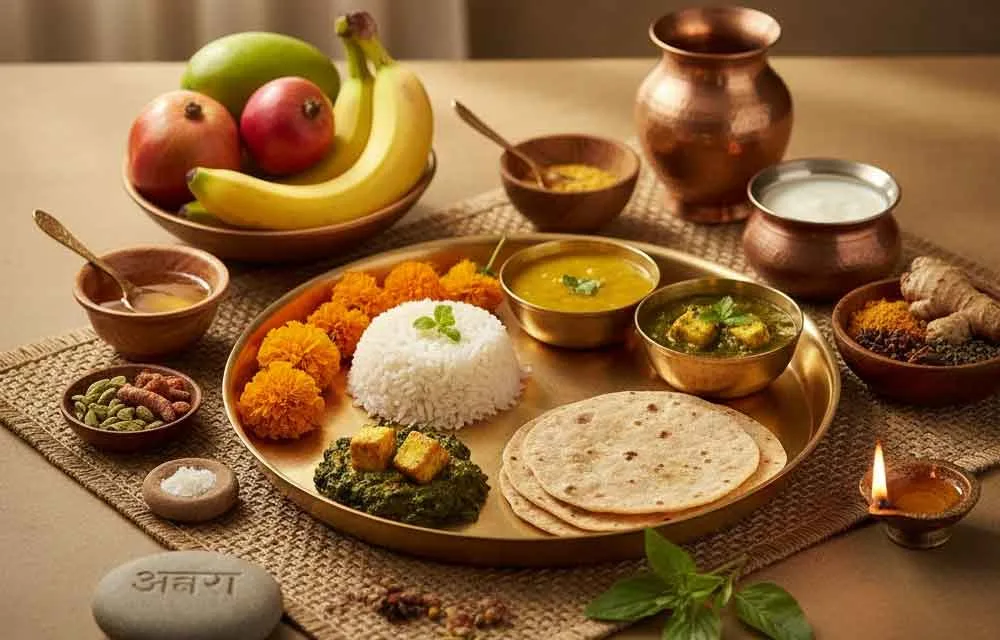
Introduction The question "Is non-veg allowed in Hinduism?
Introduction
The question "Is non-veg allowed in Hinduism?" doesn't have a simple yes or no answer. Hinduism's relationship with meat-eating is complex, nuanced, and has evolved significantly over thousands of years. Unlike religions with uniform dietary codes, Hindu dietary practices vary widely across regions, communities, texts, and time periods. This comprehensive guide explores the historical, scriptural, philosophical, and practical dimensions of meat consumption in Hindu tradition.
Quick Answer: The Complex Reality
Yes, non-vegetarian food is allowed in Hinduism for many communities and contexts, but vegetarianism is widely encouraged and considered spiritually superior by most Hindu texts and traditions. The practice varies significantly based on:
- Regional traditions and customs
- Caste and community backgrounds
- Specific Hindu sects and philosophical schools
- Personal spiritual goals and practices
- Historical periods and textual interpretations
- Ritual contexts and occasions
Historical Evolution of Hindu Dietary Practices
Vedic Period (1500-500 BCE): Meat-Eating Was Common
The earliest Hindu scriptures, the Vedas, reveal that meat consumption was widespread in ancient Vedic society:
- Animal Sacrifices: The Rigveda and other Vedic texts describe elaborate animal sacrifices (yajnas) where horses, cows, goats, and other animals were offered to gods and the meat was consumed by participants
- Beef Consumption: Historical evidence suggests that beef was consumed during Vedic times, including by Brahmins. The cow had not yet attained its sacred status
- Hospitality Practices: The Sanskrit word "goghna" (cow-killer) was used to refer to a guest, indicating that cows were slaughtered to honor important visitors
- Ritual Context: Meat eating was primarily associated with religious ceremonies and special occasions rather than daily consumption
Transition Period (500 BCE - 500 CE): Shift Toward Vegetarianism
Several factors contributed to the gradual shift toward vegetarianism:
- Influence of Jainism and Buddhism: These religions, which arose around 6th century BCE, emphasized absolute non-violence (ahimsa) and strict vegetarianism, influencing Hindu thought
- Upanishadic Philosophy: Later Vedic texts (Upanishads) emphasized inner spirituality over external rituals, reducing emphasis on animal sacrifices
- Economic Changes: Agricultural development made grain-based diets more sustainable
- Brahminical Reforms: Priestly classes began adopting vegetarianism to distinguish themselves and claim higher purity status
- Cow Protection: The cow gradually became sacred, associated with prosperity, motherhood, and non-violence
Medieval and Modern Period: Diverse Practices Emerge
By medieval times, Hindu dietary practices had diversified into regional patterns that continue today:
- Brahmin Vegetarianism: Most Brahmin communities adopted strict vegetarianism, though exceptions existed (Bengali, Kashmiri, and some coastal Brahmins)
- Kshatriya Tradition: Warrior communities typically consumed meat as part of their martial tradition
- Regional Variations: Coastal communities ate fish, northern regions had different practices than southern regions
- Bhakti Movement: Devotional movements emphasized vegetarianism as an expression of compassion
What Do Hindu Scriptures Say About Meat Eating?
Vedas: Mixed Messages
The Vedas contain both references to animal sacrifice and statements promoting non-violence:
Supporting Meat Consumption:
- Rigveda describes various animal sacrifices and ritual meat consumption
- Specific hymns detail preparation of meat offerings for deities
- References to different types of animals consumed during ceremonies
Promoting Non-Violence:
- Rigveda 10.87.16: "One who partakes of human flesh, the flesh of a horse or of another animal, and deprives others of milk by slaughtering cows, should be destroyed"
- Yajurveda: Contains prayers for protection of cattle and all living beings
Upanishads: Emphasis on Spiritual Knowledge
The Upanishads shift focus from ritual to inner knowledge and generally discourage excessive attachment to sensory pleasures, including taste:
- Emphasize self-control and transcendence of bodily desires
- Promote sattvic (pure) lifestyle for spiritual advancement
- Less focus on dietary rules, more on consciousness and realization
Bhagavad Gita: Foods and the Three Gunas
The Bhagavad Gita (Chapter 17, verses 8-10) classifies foods according to three qualities (gunas) without explicitly banning meat:
Sattvic Foods (Pure, Harmonious):
- Increase life, purity, strength, health, joy, and satisfaction
- Juicy, smooth, substantial, and agreeable
- Generally interpreted as vegetarian foods, dairy, fruits, grains, nuts
Rajasic Foods (Passionate, Stimulating):
- Bitter, sour, salty, hot, pungent, dry, burning
- Cause pain, distress, and disease
- Often interpreted to include meat, fish, eggs
Tamasic Foods (Dark, Ignorant):
- Stale, tasteless, putrid, decomposed, foul
- Lead to laziness, ignorance, and inertia
- Includes leftover, impure, and poorly prepared food
The Gita suggests vegetarian diet is most conducive to spiritual progress but doesn't explicitly forbid meat.
Manusmriti (Laws of Manu): Complex Position
The Manusmriti presents nuanced views on meat consumption:
Verses Allowing Meat:
- Chapter 5, Verse 30: "It is not sinful to eat meat... meat-eating is ordained for mankind"
- Chapter 5, Verse 31-32: Describes animals created for sacrifice and consumption
Verses Discouraging Meat:
- Chapter 5, Verse 48: "Meat can never be obtained without causing injury to living beings, and injury to sentient beings is detrimental to heaven; therefore, one should shun meat"
- Chapter 5, Verse 49: "Having well considered the origin of meat and the cruelty of binding and slaying corporeal beings, let man entirely abstain from eating meat"
- Chapter 5, Verse 51: "He who permits the slaughter, he who cuts up the meat, he who kills, he who buys or sells, he who cooks, he who serves it up, and he who eats it, are all slayers"
Context Matters: The Manusmriti permits meat in specific contexts (rituals, emergencies, Kshatriyas) but generally recommends vegetarianism for spiritual merit.
Mahabharata: Diverse Perspectives
The Mahabharata, India's great epic, contains extensive discussions on diet:
Bhishma Parva: Describes the evils of meat-eating and praises vegetarianism Anushasana Parva: Contains several chapters on ahimsa and abstention from meat Shanti Parva: Presents arguments both for and against meat consumption
Many sections strongly advocate vegetarianism as the highest dharma, while acknowledging historical meat-eating practices.
Puranas: Generally Pro-Vegetarian
Most Puranas (medieval Hindu texts) advocate vegetarianism:
- Describe vegetarian diet as essential for spiritual progress
- Link meat-eating with lower states of consciousness
- Emphasize protection of cows and all living beings
- Promote compassion toward all creatures
Principle of Ahimsa (Non-Violence)
Central Role in Hindu Ethics
Ahimsa (non-violence) is a fundamental principle in Hindu ethics, appearing in numerous scriptures:
- Yoga Sutras of Patanjali: Lists ahimsa as the first yama (ethical restraint)
- Upanishads: Emphasize non-violence as essential virtue
- Mahabharata: States "Ahimsa paramo dharma" (Non-violence is the highest duty)
Application to Diet
The connection between ahimsa and vegetarianism is interpreted differently:
Strict Interpretation:
- All meat consumption involves violence and should be avoided
- Even dairy should be obtained ethically without harm
- Extends to avoiding foods that harm plants unnecessarily
Moderate Interpretation:
- Sacrificial meat from Vedic rituals was permissible
- Meat obtained without personal involvement in killing may be acceptable
- Context and intention matter more than absolute rules
Practical Interpretation:
- Social duty (dharma) sometimes supersedes ahimsa
- Warriors (Kshatriyas) need strength from meat
- Local customs and family traditions are valid
Dietary Practices Across Hindu Communities
Communities That Practice Vegetarianism
Strictly Vegetarian Groups:
- Most Brahmin communities (except Bengali, Kashmiri, Saraswat, and some coastal)
- Vaishnavas (followers of Vishnu/Krishna)
- Shaiva Brahmins in many regions
- Jain-influenced Hindu communities
- ISKCON (Hare Krishna) followers
- Many business communities (Banias, Marwaris)
Reasons for Vegetarianism:
- Ritual purity requirements for priests
- Devotional practice (not offering to deity what involves killing)
- Spiritual advancement and sattvic lifestyle
- Compassion toward all living beings
- Health and ethical considerations
Communities That Consume Non-Vegetarian Food
Traditional Meat-Eating Communities:
- Most Kshatriya (warrior) communities
- Bengali Hindus (including many Brahmins) - fish is staple
- Kashmiri Pandits - mutton is traditional
- Coastal communities (Kerala, Goa, Konkan, coastal Karnataka) - fish and seafood
- Saraswat Brahmins - fish consumption
- Many tribal Hindu communities
- Lower caste communities historically had fewer restrictions
Types of Meat Consumed:
- Fish: Most widely accepted among non-vegetarian Hindus
- Chicken and Goat: Common in many communities
- Seafood: In coastal regions
- Pork: Consumed in some regions (Goa, Northeast)
- Beef: Generally avoided by most Hindus due to cow's sacred status; consumed by some Dalit and tribal communities
Regional Variations
North India:
- Higher proportion of vegetarians, especially in Hindi-heartland states
- Punjabi, Haryanvi, Rajasthani communities have both vegetarian and non-vegetarian sections
- Delhi, Uttar Pradesh show mixed practices
South India:
- Strong vegetarian tradition in Tamil Nadu, Karnataka (inland)
- Coastal Karnataka and Kerala have fish-eating traditions
- Andhra Pradesh and Telangana have mixed practices
East India:
- Bengali Hindus widely consume fish (considered "vegetarian" by some)
- Odisha has both traditions
- Northeast India has meat-eating cultures
West India:
- Gujarat and Rajasthan have strong vegetarian traditions
- Maharashtra shows diversity - Brahmins vegetarian, others mixed
- Goa has meat-eating traditions influenced by coastal and Portuguese culture
Caste and Meat Consumption
Historical Caste-Based Dietary Rules
Traditional Hindu society had dietary norms associated with varna (caste):
Brahmins (Priests/Scholars):
- Generally expected to maintain strict vegetarianism
- Required purity for performing rituals
- Exceptions: Bengali, Kashmiri, Saraswat, and some other communities
Kshatriyas (Warriors/Rulers):
- Traditionally consumed meat for strength and vigor
- Associated with hunting and martial activities
- Goat and wild game were common
Vaishyas (Merchants/Traders):
- Mixed practices depending on region and occupation
- Many adopted vegetarianism for ritual purity and Jain influence
Shudras and Dalits:
- Historically had fewer dietary restrictions
- Economic factors often determined diet more than religious rules
- Some communities consumed beef, pork, and other meats forbidden to upper castes
Modern Changes
Contemporary India shows significant changes in caste-based dietary patterns:
- Urban, educated Hindus increasingly make personal choices independent of caste
- Economic prosperity allows more dietary choices across castes
- Health, ethical, and environmental concerns influence decisions
- Inter-caste marriages and modern lifestyles blur traditional boundaries
Religious Occasions and Meat Consumption
When Meat Is Avoided
Most Hindus, including non-vegetarians, avoid meat during:
Religious Festivals:
- Navaratri (9 days)
- Shravan month (sacred to Shiva)
- Kartik month (sacred to Vishnu)
- Ekadashi (11th day of lunar cycle, observed by Vaishnavas)
- Major festivals like Diwali, Ganesh Chaturthi
Sacred Days:
- Mondays (sacred to Shiva)
- Tuesdays (sacred to Hanuman)
- Thursdays (sacred to Guru/Jupiter)
- Saturdays (for some traditions)
- Death anniversaries of family members
Life Events:
- Mourning periods after death in family
- Certain religious vows and pilgrimages
- Before and after major pujas and rituals
Prasad (Sacred Food Offerings)
Food offered to deities (prasad) is always vegetarian in Hindu temples:
- Gods are offered pure, sattvic foods
- Prasad includes fruits, sweets, rice, and vegetarian preparations
- Even non-vegetarian Hindus don't offer meat to deities (except in rare tantric traditions)
- This reinforces vegetarianism as spiritually superior
Different Hindu Sects and Their Views
Vaishnavism: Strict Vegetarianism
Followers of Vishnu and Krishna typically practice strict vegetarianism:
- ISKCON (Hare Krishna): Absolute vegetarianism is mandatory
- Swaminarayan Sampradaya: Strict lacto-vegetarian diet
- Sri Vaishnavas: Traditional vegetarianism
- Philosophy: Based on compassion, devotion, and offering pure food to Krishna
Shaivism: Generally Vegetarian with Exceptions
Followers of Shiva show diverse practices:
- Kashmir Shaivism: Historically included meat consumption
- South Indian Shaiva Brahmins: Strict vegetarianism
- Aghoris and certain Tantric practitioners: May consume meat as part of practice
- Most Shaivites: Practice vegetarianism
Shaktism: More Varied Practices
Worship of Goddess Shakti/Devi shows regional variation:
- Bengal: Animal sacrifice (particularly goats) occurs at some Kali temples; meat may be consumed as prasad
- Durga Puja: Some traditions include animal sacrifice, though increasingly symbolic
- South India: Vegetarian offerings predominate
- Tantric Traditions: Some include meat and alcohol in rituals
Smartism: Typically Vegetarian
Smartas (traditional Advaita followers) generally practice vegetarianism:
- Follow orthodox Brahminical practices
- Emphasize ritual purity
- Mostly South Indian Brahmins
- Respect all Hindu deities while maintaining vegetarian diet
Arguments for Vegetarianism in Hinduism
Spiritual Reasons
- Promotes Ahimsa: Vegetarianism embodies non-violence toward all beings
- Sattvic Diet: Enhances mental clarity, calmness, and spiritual receptivity
- Karma: Avoids negative karma from causing suffering to animals
- Compassion: Develops empathy and compassion for all life forms
- Devotional Service: Offering only pure vegetarian food to deities
Scriptural Support
- Multiple texts praise vegetarianism as higher dharma
- Great sages and spiritual teachers advocated plant-based diet
- Connection between diet and consciousness in yoga texts
- Emphasis on purity and self-control
Ethical Considerations
- Animals have souls and experience suffering
- Principle of treating all beings with respect
- Environmental impact of animal agriculture
- Economic and resource efficiency of plant-based diet
Arguments Supporting Meat Consumption in Hinduism
Traditional and Scriptural
- Vedic Tradition: Ancient texts describe animal sacrifices and ritual meat consumption
- Dharma by Varna: Warriors traditionally needed meat for strength
- Contextual Ethics: Dharma varies by context, occupation, and circumstances
- Manusmriti Permission: Some verses permit meat in specific contexts
Practical Considerations
- Geographical Necessity: Some regions (mountains, coasts) historically depended on animal protein
- Nutritional Needs: Physical laborers and warriors required dense nutrition
- Cultural Tradition: Respecting ancestral practices and family customs
- Personal Constitution: Ayurveda suggests different diets for different body types
Modern Perspectives
- Personal Choice: Modern Hinduism respects individual dietary decisions
- Ethical Sourcing: Focus on humane treatment and sustainable practices
- Balanced Approach: Moderation rather than complete prohibition
- Non-Dogmatic: Hinduism's flexibility accommodates diverse practices
The Sacred Cow: Why Beef Is Particularly Avoided
Historical Evolution
The cow's status evolved from sacrificial animal in Vedic times to sacred mother figure:
- Economic Importance: Cows provided milk, fuel (dung), and agricultural power
- Symbol of Non-Violence: Protection of cows became emblematic of ahimsa
- Mother Figure: Cow as "Gau Mata" (Mother Cow) providing sustenance
- Religious Significance: Associated with Krishna (cowherd deity), Kamadhenu (wish-fulfilling cow)
Current Status
Today, cow protection is central to Hindu identity for most communities:
- Beef consumption is taboo for the vast majority of Hindus
- Many Indian states have laws banning cow slaughter
- Cow protection movements have political and religious significance
- Even non-vegetarian Hindus typically avoid beef strictly
Exceptions
Some marginalized Hindu communities, particularly Dalits and tribals, historically consumed beef:
- Part of anti-caste movements reclaiming autonomy
- Economic necessity in some cases
- Challenging upper-caste dietary hierarchy
- Constitutional right to food choice vs. religious sentiments creates ongoing debate
Ayurveda and Diet in Hinduism
Ayurvedic Perspective on Meat
Ayurveda, Hindu traditional medicine, has nuanced views on meat:
When Ayurveda Recommends Meat:
- For Vata constitution (those needing grounding)
- During weakness, recovery from illness, or malnutrition
- For those engaged in heavy physical labor
- In cold climates where body needs more heat
- Specific animal meats for specific therapeutic purposes
When Ayurveda Discourages Meat:
- For Kapha constitution (heavy body type)
- During digestive weakness
- For meditation and spiritual practice
- In hot climates
- When pursuing sattvic lifestyle
Individual Constitution Matters
Ayurveda emphasizes that diet should match:
- Prakriti (individual constitution)
- Seasonal variations
- Age and digestive capacity
- Occupation and activity level
- Spiritual goals and practices
Modern Hindu Perspectives on Meat Eating
Contemporary Trends
- Increasing Vegetarianism: Growing number of Hindus choosing vegetarianism for health, ethical, and environmental reasons
- Urban-Rural Divide: Urban Hindus may be more experimental or consciously vegetarian
- Global Influence: Exposure to global vegetarian/vegan movements
- Health Consciousness: Medical reasons driving dietary choices
- Animal Rights: Modern ethical considerations about factory farming
Views of Modern Hindu Leaders
Promoting Vegetarianism:
- Swami Vivekananda emphasized vegetarianism for spiritual seekers
- Mahatma Gandhi advocated non-violence and vegetarian diet
- Sri Aurobindo and Mother promoted vegetarian lifestyle
- Most contemporary gurus recommend vegetarian diet
Accepting Diversity:
- Recognize regional and community traditions
- Emphasize intention and consciousness over rigid rules
- Focus on ethical sourcing if consuming meat
- Respect personal choice and evolution
Social Media and Dietary Identity
Contemporary debates show:
- Dietary practices becoming identity markers
- Vegetarianism associated with Hindu nationalism by some groups
- Counter-movements asserting dietary autonomy
- Increasing polarization around food politics
- Need for respecting diverse Hindu practices
Practical Guidelines for Hindus
For Those Who Eat Meat
If you choose to consume meat while practicing Hinduism:
- Maintain Awareness: Eat with gratitude and consciousness
- Avoid Sacred Days: Abstain during festivals and religious occasions
- Skip Beef: Respect the sacred status of cows
- Choose Ethically: Source from humane, sustainable sources
- Practice Moderation: Limit consumption and avoid excess
- Avoid Temple Visits: Don't visit temples immediately after consuming meat (traditional practice)
- Respect Others: Honor vegetarian preferences in shared meals
For Those Who Are Vegetarian
If you practice vegetarianism as part of Hindu dharma:
- Avoid Judgment: Respect others' choices and family traditions
- Balanced Nutrition: Ensure adequate protein, B12, and nutrients
- Share Positively: Inspire through example rather than criticism
- Understand History: Recognize the complex evolution of Hindu dietary practices
- Purity vs. Superiority: Maintain ritual purity without superiority complex
- Support Ethics: Advocate for animal welfare across all communities
During Religious Observances
Guidelines for maintaining sanctity during religious practices:
- Abstain from meat during fasting periods
- Follow family and community traditions
- Avoid meat before temple visits and pujas
- Maintain vegetarian diet during pilgrimages
- Respect prasad traditions
- Honor guru or deity-specific dietary practices
Health Considerations: Hindu Perspective
Traditional Health Views
Hindu texts consider diet's impact on body, mind, and spirit:
Physical Health:
- Vegetarian diet considered lighter and easier to digest
- Meat provides strength but creates heaviness
- Balanced diet essential for health regardless of choice
Mental Health:
- Sattvic foods promote mental clarity and calmness
- Rajasic foods stimulate and agitate mind
- Tamasic foods dull awareness and energy
Spiritual Health:
- Light diet facilitates meditation and yoga
- Heavy foods create lethargy in spiritual practice
- Food affects consciousness and spiritual sensitivity
Modern Health Research
Contemporary scientific research generally supports:
- Plant-based diets can meet all nutritional needs
- Lower risk of certain diseases with vegetarian diet
- Environmental sustainability of vegetarianism
- However, well-planned diet of either type can be healthy
Environmental and Ethical Dimensions
Hindu Ecological Wisdom
Ancient Hindu texts show ecological awareness:
- All life is interconnected (Vasudhaiva Kutumbakam - world is one family)
- Nature is divine manifestation deserving respect
- Sustainable living aligned with natural rhythms
- Minimal harm principle applied to environment
Modern Environmental Concerns
Contemporary Hindus increasingly consider:
- Carbon footprint of animal agriculture
- Water usage in meat production
- Deforestation for livestock
- Ocean ecosystem damage from fishing
- Alignment of vegetarianism with traditional Hindu environmental ethics
Conclusion: Unity in Diversity
The question "Is non-veg allowed in Hinduism?" reveals the beautiful complexity of Hindu tradition. Hinduism accommodates diverse practices based on region, community, text, time period, and personal spiritual journey. Here are the key takeaways:
Key Points
- No Single Answer: Hinduism lacks uniform dietary laws; practices vary widely
- Historical Evolution: Moved from Vedic meat-eating to predominantly vegetarian ethos
- Textual Complexity: Scriptures contain both supportive and critical views of meat
- Regional Diversity: Geography and culture significantly influence practices
- Community Traditions: Caste and sect affiliations shape dietary norms
- Spiritual Ideal: Vegetarianism generally considered conducive to spiritual progress
- Personal Choice: Modern Hinduism increasingly respects individual decisions
- Cow Protection: Beef avoidance nearly universal among Hindu communities
- Context Matters: Occasions, life stage, and spiritual goals influence appropriateness
- Ethical Evolution: Growing consciousness about animal welfare and environment
Final Thoughts
Hinduism's approach to diet exemplifies its fundamental character: pluralistic, adaptive, and oriented toward individual spiritual evolution rather than rigid conformity. Whether one chooses vegetarianism or includes meat in their diet, Hindu tradition emphasizes consciousness, gratitude, moderation, and ethical consideration.
The most Hindu approach might be to respect:
- Your community's traditions
- Your body's needs
- Your spiritual aspirations
- Others' choices
- The principle of ahimsa in whatever way you can
- The wisdom that spiritual growth transcends dietary rules
Ultimately, Hinduism invites each practitioner to make conscious, informed choices aligned with dharma, considering the welfare of all beings, personal spiritual goals, and the inherited wisdom of tradition.
You might also like

Chhath Puja 2026 Prasad Recipes — Thekua, Bhusawa, Fruits & Complete Bihar Tradition Food Guide
Lalita Sahasranama — Complete Guide to the 1000 Names of Devi Lalita Tripura Sundari, Sri Vidya Tradition, Friday Practice & 30-Day NRI Guide for 2026

RSS Contributions to Hinduism Worldwide: A Century of Cultural Preservation, Seva & Global Hindu Unity