Kedarnath Temple – Maha Shivaratri 2026: Winter Seat Celebrations at Omkareshwar Temple, Ukhimath & Announcement of Summer Opening
By HinduTone Spiritual Festivals Correspondent Published: February 10, 2026 Kedarnath Temple, nestled at 3,583 meters in the Garhwal Himalayas of Uttarakhand,…
By HinduTone Spiritual Festivals Correspondent Published: February 10, 2026 Kedarnath Temple, nestled at 3,583 meters in the Garhwal Himalayas of Uttarakhand,…
By HinduTone Spiritual Festivals Correspondent Published: February 10, 2026
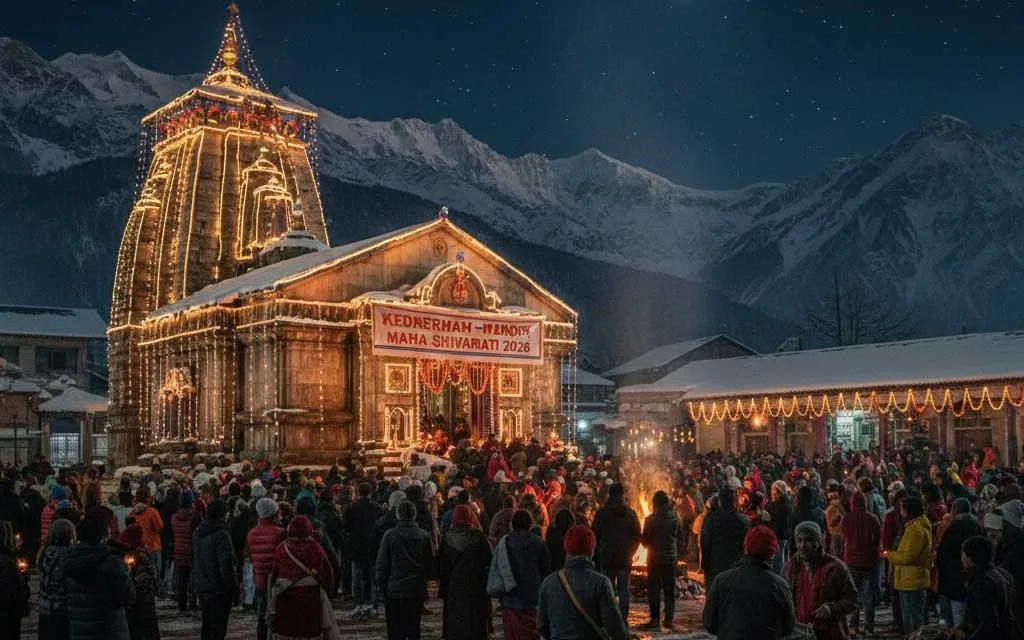
Kedarnath Temple, nestled at 3,583 meters in the Garhwal Himalayas of Uttarakhand, is one of the 12 Jyotirlingas and part of the sacred Char Dham Yatra. Dedicated to Lord Kedarnath (Shiva in the form of a self-manifested lingam), it is revered as the abode where the Pandavas sought atonement, and Shiva appeared as a bull to grant them moksha. The temple remains snowbound and closed during winter due to extreme Himalayan conditions, with the deity's worship continuing uninterrupted at its winter seat—the Omkareshwar Temple in Ukhimath (also spelled Guptkashi/Ukhimath).
On Maha Shivaratri 2026, observed on Sunday, February 15, 2026 (Phalguna Krishna Chaturdashi), the main Kedarnath shrine stays closed under heavy snow. However, this auspicious night holds profound significance: it is when the Badrinath-Kedarnath Temple Committee (BKTC), along with priests and Vedic scholars, announces the official summer opening date for 2026 after consulting the Hindu Panchang. This ceremonial declaration takes place at the Omkareshwar Temple in Ukhimath, the winter abode, making Maha Shivaratri a pivotal day for pilgrims planning their Char Dham Yatra.
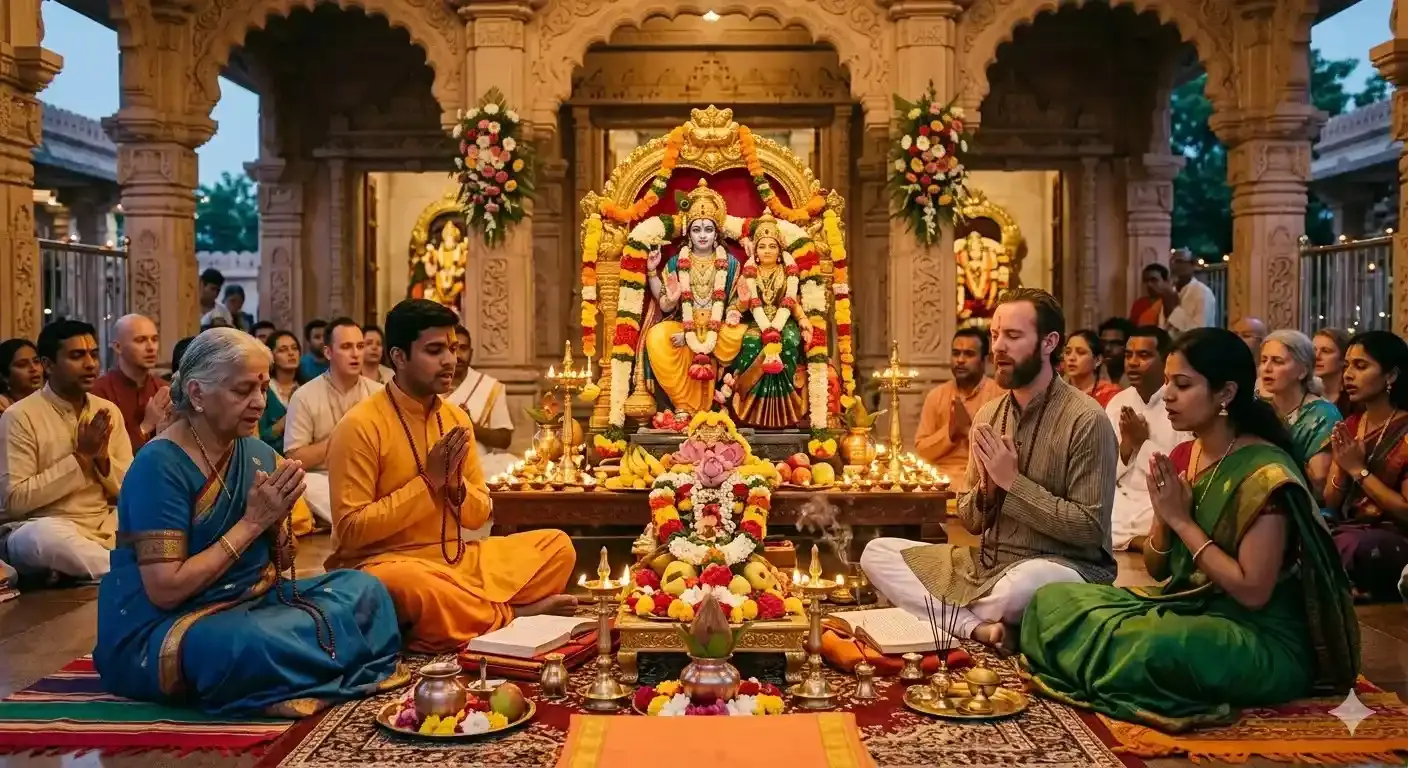
Devotees worldwide celebrate remotely or gather at Ukhimath for special prayers, abhishekams, and vigils, maintaining unbroken devotion to Lord Shiva even in the off-season.
Spiritual Significance of Kedarnath & Maha Shivaratri
Kedarnath represents the Jyotirlinga of protection and penance. Legends from the Mahabharata and Shiva Purana describe how Shiva, in bull form, disappeared into the earth—his hump manifesting as the lingam at Kedarnath. Worship here absolves sins and grants spiritual liberation.
During winter closure (typically November to April/May), the sacred idol (Utsav Doli) is carried in a ceremonial procession to Omkareshwar Temple in Ukhimath (at ~1,300 meters), where daily rituals, aartis, and pujas continue seamlessly. Maha Shivaratri at this winter seat emphasizes jagran (night-long vigil), Rudrabhishekam, Bilva offerings, and chanting, symbolizing Shiva's eternal presence beyond physical barriers. The opening date announcement on this day underscores faith: devotees receive divine timing for pilgrimage, blending anticipation with devotion.
Key Rituals & Celebrations at Winter Seat (February 15, 2026)
While the high-altitude Kedarnath remains inaccessible:
- Ceremonial Announcement: At Omkareshwar Temple, Ukhimath, priests perform Panchang calculations and declare the Kedarnath opening date (tentatively expected around April 22, 2026, based on Akshaya Tritiya alignments; exact muhurat confirmed on Shivaratri). This is a joyous event with Vedic chants, announcements, and community participation.
- Special Pujas & Abhishekams: Continuous Maha Rudrabhishekam, milk/honey/ghee offerings to the Doli (processional idol), Bilva archana, and group chanting of "Om Namah Shivaya."
- All-Night Jagran: Devotees stay awake with bhajans, discourses on Shiva legends, and meditation, often under the temple's serene Himalayan backdrop.
- Cultural & Devotional Programs: Harikatha narrations, devotional songs, and lamp offerings symbolizing light dispelling ignorance.
- Remote Worship: Many perform home pujas, fast (nirjala or phalahar), and tune into live streams or temple updates for blessings.
The Omkareshwar Temple in Ukhimath becomes a focal point, drawing local and visiting pilgrims who seek darshan of Lord Kedarnath's winter form.
Pilgrim Tips for Maha Shivaratri 2026
- If Visiting Ukhimath: Accessible by road from Rishikesh/Haridwar (via Rudraprayag). Book accommodations early (guest houses, hotels); weather in February is cold (5–15°C daytime, near freezing nights)—carry warm clothes.
- Darshan & Observance: Participate in temple rituals; no special tickets needed for general entry. Fast, chant mantras, and offer prayers for the summer yatra.
- Planning Ahead: Use the Shivaratri announcement to book Char Dham packages, helicopter/pony services, or registrations for the 2026 season.
- Health & Safety: Medical facilities available; stay hydrated post-fast, follow temple guidelines.
- Alternative Worship: If unable to travel, observe at local Shiva temples or home with Bilva leaves and vigils.
Spiritual Note
Even when snow seals Kedarnath's doors, Shiva's grace flows eternally at Ukhimath. Maha Shivaratri reminds us that true devotion transcends place and season—sincere bhakti reaches the divine anywhere. As the opening date is revealed on this holy night, may it inspire renewed faith and a blessed pilgrimage ahead.
May Lord Kedarnath grant all devotees protection, peace, and the opportunity for darshan in the coming season.
For more divine insights:
- Top 10 Lord Shiva Temples 2026: Jyotirlingas & Sites
- Maha Shivaratri 2026: Great Night of Shiva – Significance, Fasting, Rituals and Devotional Practices
- Kashi Vishwanath Temple: The Most Powerful Jyotirlinga for Moksha and Spiritual Liberation in Varanasi
- Ekadasa Rudrabhishekam: Complete Guide to Benefits, Procedure & Significance
Frequently Asked Questions
Where is Kedarnath Temple – Maha Shivaratri located?
By HinduTone Spiritual Festivals Correspondent Published: February 10, 2026 Kedarnath Temple , nestled at 3,583 meters in the Garhwal Himalayas of Uttarakhand, is one of the 12 Jyotirlingas and part of the sacred Char Dham Yatra . Dedicated to Lord Kedarnath ( Shiva in the form of a self-manifested lingam), it is revered as the abode where the Pandavas sough
Who is the presiding deity of Kedarnath Temple – Maha Shivaratri?
The presiding deity is Lord Shiva.
What are the timings and how do I reach Kedarnath Temple – Maha Shivaratri?
Temples typically open early morning and evening; confirm current darshan timings before visiting. The nearest airport, railway station and road routes are covered in the guide above.
What is the best time to visit Kedarnath Temple – Maha Shivaratri?
Major festival days and the cooler months are popular, though weekday mornings offer a calmer darshan. Plan around the temple's key festivals for the most vibrant experience.
You might also like
Karthika Purnima 2026: Significance, Rituals, and the Triple Festival Across Hindu, Sikh, and Jain Traditions
Shiva Vrats of June 2026: Kalashtami (June 8) & Masik Shivaratri (June 13)
Mantra Recitation in a Diaspora Apartment: A Beginner's Guide for 2026