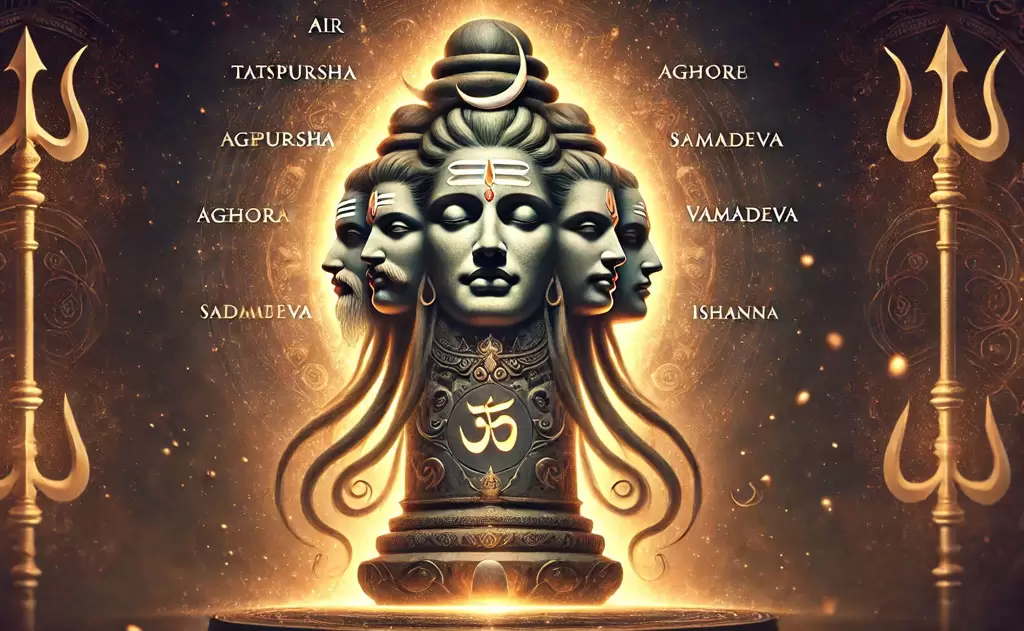
How to Pray Lord Shiva in 2026: Mantras, Poojas, Important Dates, Temples & Rituals
Embracing the Supreme Destroyer and Transformer: A Complete Guide on How to Pray Lord Shiva in 2026 Lord Shiva, known as Mahadeva, the Great God, is the…
Embracing the Supreme Destroyer and Transformer: A Complete Guide on How to Pray Lord Shiva in 2026 Lord Shiva, known as Mahadeva, the Great God, is the…
Embracing the Supreme Destroyer and Transformer: A Complete Guide on How to Pray Lord Shiva in 2026
Lord Shiva, known as Mahadeva, the Great God, is the embodiment of destruction for renewal, meditation, yoga, and ultimate liberation (moksha). As part of the Hindu Trimurti alongside Brahma and Vishnu, Shiva represents the cycle of creation, preservation, and dissolution. Revered as the destroyer of ignorance and ego, he grants devotees strength to overcome obstacles, inner calm amid chaos, and spiritual awakening.
In 2026—a year marked by astrological transitions emphasizing discipline (Saturn's influence) and transformation—worshipping Lord Shiva becomes profoundly powerful. Devotees in Hyderabad and across India often turn to Shiva for courage in career challenges, family harmony, health recovery, and protection from negativity. This exhaustive guide from HinduTone.com covers everything: powerful Shiva mantras for 2026, step-by-step pooja procedures, crucial festival dates (like Maha Shivratri on February 15, 2026), renowned temples with their rituals, and practical ways to deepen devotion at home or during pilgrimages.
Whether you're a beginner starting with simple daily prayers or an ardent devotee observing strict vrats, these practices—rooted in Shaiva scriptures like Shiva Purana, Linga Purana, and Yajurveda—can invite Shiva's grace. Let's explore how to pray Lord Shiva authentically and effectively in 2026.
Who is Lord Shiva? The Auspicious One and His Divine Aspects
Lord Shiva is depicted as the ascetic yogi meditating on Mount Kailash, adorned with the crescent moon, Ganga in his matted locks, snake around his neck, trident (Trishula), damaru (drum), and third eye symbolizing wisdom and destruction of illusion. As Ardhanarishvara, he embodies the union of masculine and feminine energies; as Nataraja, he performs the cosmic dance of creation and dissolution.
Shiva's forms include Rudra (fierce protector), Bhairava (destroyer of fear), and Dakshinamurthy (supreme teacher). Worshipping him dissolves karma, grants boons, and leads to self-realization. In 2026, with global shifts and personal challenges, Shiva's energy helps release what no longer serves—toxic habits, fears, or stagnant situations—paving the way for renewal.
Devotees often experience profound changes: reduced anger, enhanced focus in meditation, miraculous resolutions to problems, and a deep sense of peace after sincere worship.
Daily Prayers to Lord Shiva: Simple Yet Powerful Routine for Beginners
Daily Shiva worship is accessible and transformative. Here's a practical guide suitable for busy lives in Hyderabad or elsewhere:
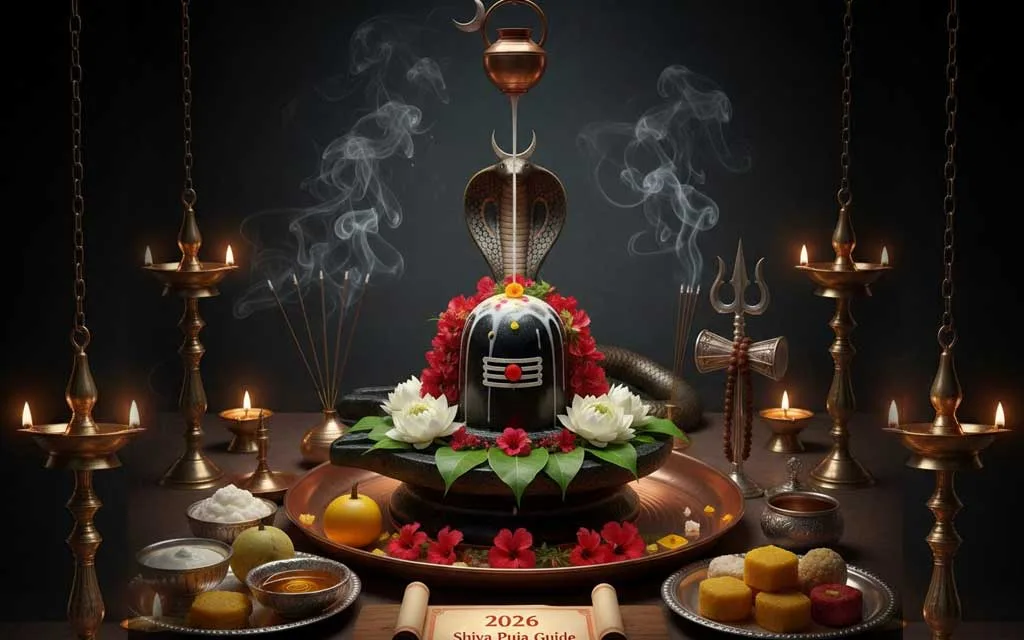
- Preparation (Shuddhi & Sankalpa): Take a bath or wash hands/face. Set up a small altar with Shiva Linga or image, Bilva leaves, flowers (especially white), bel fruit, milk, curd, honey, ghee, sandalwood paste, incense, diya, and rudraksha mala. Face east or north. State intention: "I worship Lord Shiva for peace, strength, and liberation."
- Invocation: Light diya and incense. Ring bell. Chant "Om Namah Shivaya" 3–11 times to invite Shiva.
- Abhishek (if possible): Pour water, milk, or panchamrit over the Linga while chanting mantras.
- Mantra Japa: Chant core mantras (below) 108 times or multiples using rudraksha beads.
- Offerings (Upachara): Offer Bilva leaves (tri-foliate, symbolizing gunas), flowers, fruits, sweets like peda or halwa (no onion/garlic on Mondays).
- Aarti: Sing Shiva Aarti ("Om Jai Shiv Omkara") with camphor flame.
- Prasad & Conclusion: Distribute offerings as prasad. Thank Shiva and seek forgiveness.
For 2026: Perform during Brahma Muhurta (4–6 AM) or evenings. If short on time, chant mentally during commute. Women can worship during regular days; on sensitive days, mental prayer suffices in many traditions.
Advanced: Observe mauna (silence) after japa for absorption.
Powerful Shiva Mantras for 2026: Vibrations for Protection, Healing & Liberation
Mantras are Shiva's essence—sound forms that awaken kundalini and dissolve negativity. In 2026, regular chanting aligns with cosmic energies for breakthroughs.
- Panchakshara Mantra: "Om Namah Shivaya"
- Meaning: "I bow to Shiva, the auspicious one."
- Benefits: Purifies mind, removes obstacles, grants peace. Core daily mantra.
- Chant: 108 times daily (mornings/evenings), Mondays, or during Shravan. Use rudraksha mala.
- Mahamrityunjaya Mantra: "Om Tryambakam Yajamahe Sugandhim Pushtivardhanam Urvarukamiva Bandhanan Mrityor Mukshiya Maamritat"
- Meaning: "We worship the three-eyed one who nourishes; liberate us from death like a ripe cucumber from vine."
- Benefits: Healing, longevity, protection from accidents/diseases. Chant for health crises.
- Chant: 108 or 1008 times, especially Mondays or during illness. Japa mala recommended.
- Shiva Gayatri Mantra: "Om Panchvaktraya Vidmahe Mahadevaya Dhimahi Tanno Rudrah Prachodayat"
- Meaning: "We meditate on the five-faced one; may Rudra inspire us."
- Benefits: Wisdom, courage, spiritual insight.
- Chant: Sunrise, 108 times.
- Rudra Gayatri or Karpura Gauram Mantra
- For inner strength and meditation.
- Shiva Tandava Stotram or Shiva Chalisa
- Recite for intense devotion.
Tips for 2026: Chant during auspicious muhurats (e.g., Pradosh). Combine with meditation/visualizing Shiva's form.
Essential Shiva Poojas: Vidhi, Materials & Home Rituals
Key poojas amplify devotion:
- Rudrabhishek Pooja
- Importance: Pouring sacred liquids on Linga with Rudra Sukta chanting.
- Vidhi: Use milk, curd, honey, ghee, sugar (panchamrit); chant Namakam/Chamakam.
- When: Mondays, Pradosh, Shravan.
- Benefits: Removes doshas, fulfills wishes.
- Bilva Patra Archana
- Offer 108 Bilva leaves daily or on special days.
- Pradosh Vrat Pooja
- Twilight (13th/14th tithi) fasting and worship.
- Shravan Somvar Vrat
- Fast Mondays in Shravan (2026: North India starts July 30; Somvars Aug 3, 10, 17, 24? Adjust per local panchang).
- Maha Shivratri Pooja (Feb 15, 2026)
- Full night vigil, fasting, abhishek during Nishita Kaal (around midnight).
Home Setup: Keep Linga on copper/silver plate. Use eco-friendly items.
Important Dates for Shiva Worship in 2026: Festivals, Vrats & Key Observances
Mark these for maximum grace:
Maha Shivratri 2026
- Date: Sunday, February 15, 2026
- Significance: Night of Shiva-Parvati union; spiritual awakening.
- Rituals: Fast, night-long jagran, abhishek, mantra japa.
- Nishita Kaal Puja: Approx. 12:09 AM to 1:01 AM (Feb 16).
Shravan Maas (Sawan) 2026
- North India: July 30 to August 28, 2026
- Somvar Vrat Dates (key Mondays): August 3, 10, 17 (and possibly others; confirm local panchang).
- Rituals: Kanwar yatra, fasting Mondays, Rudrabhishek.
Other Key Dates
- Pradosh Vrat: Twice monthly (check panchang).
- Masik Shivratri: Monthly 14th Krishna paksha.
- Shravan-related: Solah Somvar (16 Mondays) if extended.
Plan vrats with sankalpa for specific wishes.
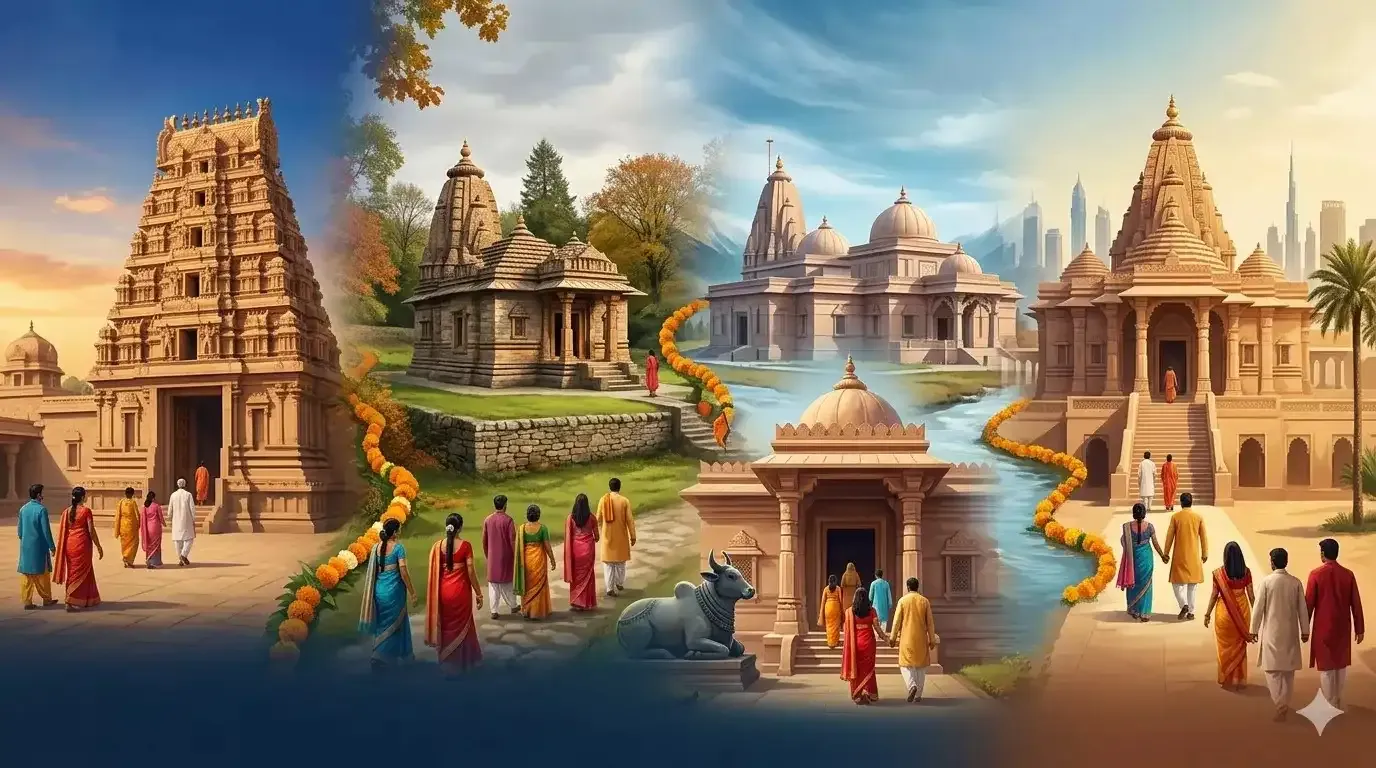
Famous Shiva Temples: Pilgrimage Sites & Unique Rituals
- Kashi Vishwanath, Varanasi
- Rituals: Mangala Aarti, daily abhishek.
- 2026 Tip: Visit during Maha Shivratri.
- Somnath Temple, Gujarat
- Rebuilt multiple times; evening light/sound show.
- Kedarnath, Uttarakhand
- Himalayan Jyotirlinga; opens summer.
- Mallikarjuna, Srisailam, Andhra Pradesh
- Jyotirlinga + Shakti peeth.
- Rameshwaram, Tamil Nadu
- Southern Jyotirlinga; holy dips.
Local (Hyderabad): Birla Mandir or Chilkur Balaji for Shiva aspects.
Pilgrimage: Enhances mantra power.
Sacred Shiva Rituals & Vrats: Building Discipline & Devotion
- Somvar Vrat: Fast Mondays, eat once post-sunset.
- Shravan Rituals: Offer water to Linga, avoid non-veg.
- Bilva & Rudraksha: Wear 5-mukhi for protection.
Myths: Shiva drinking poison (Neelkanth) teaches self-sacrifice.
Benefits of Praying to Lord Shiva in 2026
- Spiritual: Moksha path, ego dissolution.
- Material: Obstacle removal, health.
- Psychological: Calm, resilience.
Frequently Asked Questions (FAQs)
Q1: Best time to pray Lord Shiva? A: Pradosh, Mondays, early mornings.
Q2: Can women chant Mahamrityunjaya? A: Yes, universally beneficial.
Q3: Mantra for health? A: Mahamrityunjaya 108 times.
Q4: Maha Shivratri 2026 date? A: February 15, Sunday.
Q5: Best temple visit? A: Kashi Vishwanath for moksha.
Conclusion: Surrender to Shiva's Grace in 2026
As Shiva says, "I am the beginning, middle, and end." By praying through mantras, poojas, and devotion, invite his transformative power. Start today—chant "Om Namah Shivaya" with faith.
Jai Bholenath! Har Har Mahadev!
Explore more on Shiva worship, festivals, and spirituality at HinduTone.com.
You might also like
Gayatri Mantra Meaning — Complete Guide for NRIs (Sanskrit, IAST, Sandhya)
Om Namah Shivaya: 108 Times Chanting Benefits & Method — Complete Panchakshara Mantra Guide
Lord Shiva: The Three Faces NRI Devotees Should Know in 2026