



Shaivism and Vaishnavism: A Comprehensive Guide

Hinduism, one of the world’s oldest living religions, encompasses a rich tapestry of spiritual traditions, philosophies, and practices. Among its most prominent denominations are Shaivism and Vaishnavism, two major devotional movements that have shaped Indian spirituality for millennia. While both traditions share fundamental Hindu principles, they differ in their primary deity, philosophical approaches, and spiritual practices.
What is Vaishnavism?
Overview
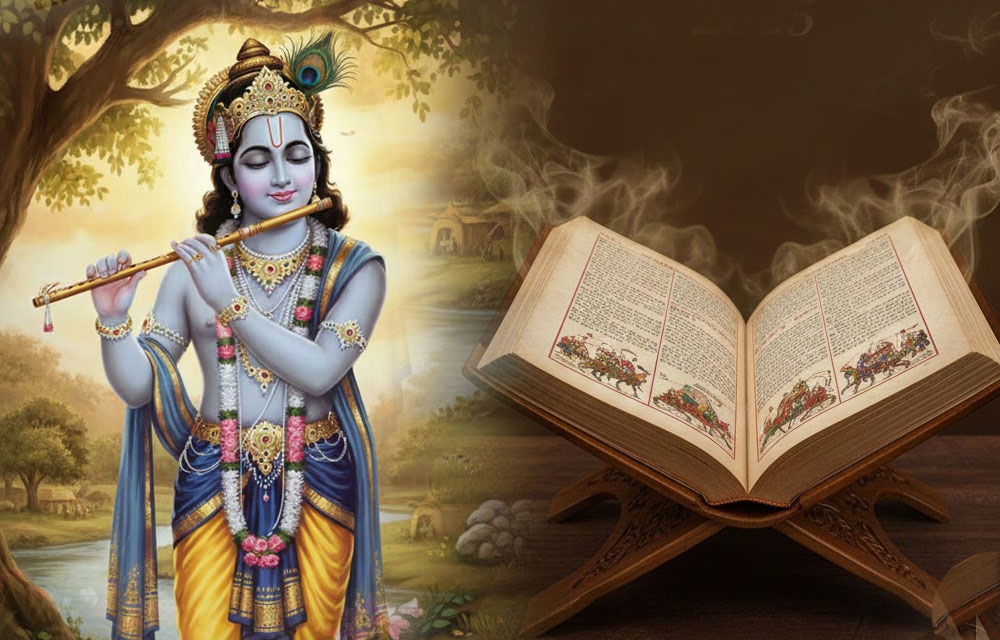
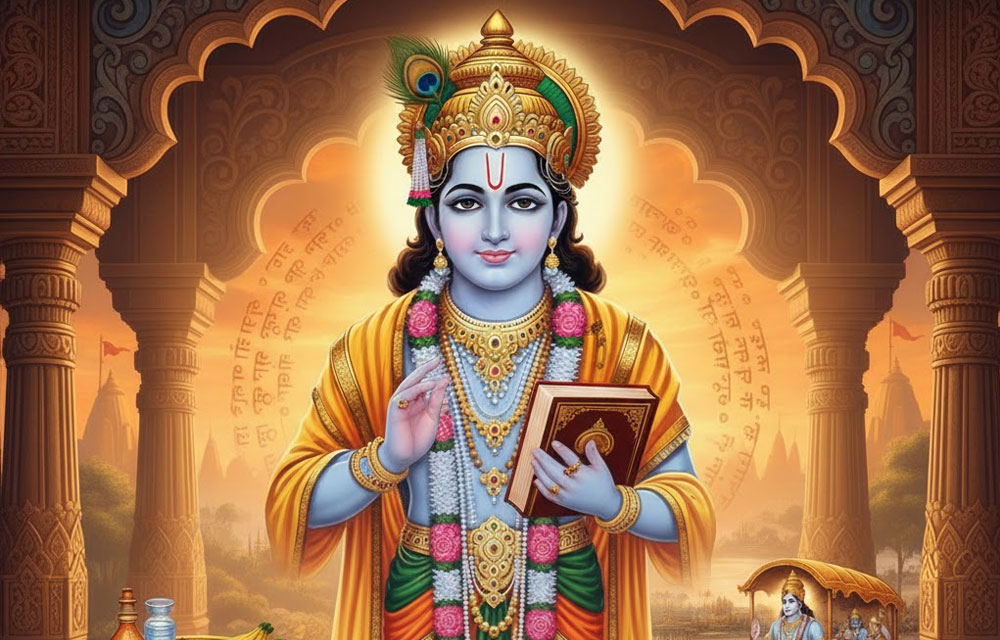
Vaishnavism centers on the worship of Vishnu, known in Sanskrit as “The Pervader” or “The Immanent,” or his various incarnations (avatars) as the supreme manifestation of the divine. According to a 2020 estimate, Vaishnavism is the largest Hindu sect, constituting about 399 million Hindus.
Core Beliefs
The Supreme Deity: In Vaishnavism, Lord Vishnu is regarded as the supreme God who preserves and sustains the universe. He is the protector of cosmic order (dharma) and manifests in various forms to restore balance when evil threatens the world.
Avatars (Incarnations): The classical number of Vishnu’s incarnations is ten—the dashavatara (“ten avatars”)—ascending from animal form to fully anthropomorphic manifestations: Fish (Matsya), Tortoise (Kurma), Boar (Varaha), Man-Lion (Narasimha), Dwarf (Vamana), Rama-with-the-Ax (Parashurama), King Rama, Krishna, Buddha, and the future incarnation, Kalkin.
Major Vaishnava Groups
Some of the major Vaishnava groups include the Shrivaishnavas (also known as Vishishtadvaitins) and Madhvas (also known as Dvaitins) of South India; the followers of the teachings of Vallabha in western India; and several Vaishnava groups in Bengal in eastern India, who follow teachings derived from those of the saint Chaitanya.
Philosophical Schools
Vishishtadvaita (Qualified Non-Dualism): Founded by Ramanujacharya in the 12th century, this philosophy teaches that while individual souls and the material world are real, they are inseparably related to Brahman (God). The soul retains its individuality even after liberation.
Dvaita (Dualism): Established by Madhvacharya, this school maintains a clear distinction between God, individual souls, and matter. The soul eternally remains separate from God, even in the state of liberation.
Shuddhadvaita (Pure Non-Dualism): Propounded by Vallabhacharya, this philosophy emphasizes that Brahman alone exists, and the world is a real manifestation of divine play (leela).
Achintya Bheda Abheda: Developed by followers of Chaitanya Mahaprabhu, this philosophy teaches that the relationship between the individual soul and God is “inconceivably one yet different.”
Spiritual Practices
Bhakti (Devotion): Vaishnavism places tremendous emphasis on loving devotion to God. Devotees cultivate a personal relationship with the deity through various emotional states (bhavas).
Key Practices Include:
- Chanting divine names (nama japa) and mantras
- Singing devotional songs (bhajans and kirtans)
- Temple worship and darshan (viewing the deity)
- Reading and studying sacred texts like the Bhagavad Gita and Bhagavata Purana
- Service (seva) to the deity and devotees
- Observing festivals like Janmashtami (Krishna’s birth) and Rama Navami
Vegetarianism and Non-Violence: Vaishnavism attaches a lot of importance to non-violence and vegetarianism. A practicing Vaishnav has to be a vegetarian in most regions of the country.
Sacred Texts
- Vedas and Upanishads: Foundational texts of all Hindu traditions
- Bhagavad Gita: Krishna’s discourse to Arjuna, emphasizing devotion and dharma
- Bhagavata Purana: Elaborate narratives of Vishnu’s incarnations, especially Krishna
- Vishnu Purana: Stories and theology centered on Vishnu
- Pancharatra Agamas: Ritual and philosophical texts
- Ramayana and Mahabharata: Epic narratives featuring Rama and Krishna
Iconography and Symbols
Vishnu is frequently displayed with four arms (though occasional depictions provide him with as many as eight), three of which hold his conch shell, discus, and club. He is often depicted reclining on the cosmic serpent Ananta, symbolizing his mastery over infinite time. His consort is Lakshmi, the goddess of wealth and prosperity.
What is Shaivism?
Overview
Shaivism is a major Hindu tradition that worships Lord Shiva as the supreme deity. Shaivism is the second largest branch of Hinduism in India, and Vaishnavism is the largest. Shaivism encompasses diverse philosophical and devotional approaches, from ascetic practices to tantric rituals.
Core Beliefs
The Supreme Deity: In Shaivism, Lord Shiva represents the ultimate reality. He is simultaneously the creator, preserver, and destroyer of the universe. Shiva embodies paradoxes—he is both the ascetic yogi and the divine householder, the benevolent and the fierce.
The Nature of Shiva: Shiva represents transformation, dissolution, and regeneration. He is associated with yoga, meditation, and the arts. His destructive aspect is not negative but represents the dissolution of ego and ignorance, leading to spiritual liberation.
Major Shaiva Traditions
Shaiva Siddhanta: Shaiva Siddhanta is a form of Shaivism from South India and Sri Lanka that propounds a dualistic philosophy where the ultimate and ideal goal of a being is to become an enlightened soul through Shiva’s grace. It draws primarily on the Tamil devotional hymns written by Shaiva saints from the 5th to the 9th century, known in their collected form as Tirumurai.
Kashmir Shaivism: Kashmir Shaivism is an umbrella-term for several non-dualist Shaiva-Shakta tantric religious traditions that flourished in Kashmir after 850 CE. The most salient philosophy of monistic Kashmiri Shaivism is the Pratyabhijnā, or “Recognition,” system propounded in the writings of Utpaladeva (c. 925-975 C.E.) and Abhinavagupta (c. 975-1025 C.E.).
Virashaivism (Lingayatism): A reformist movement from Karnataka that rejects caste distinctions and promotes personal devotion to Shiva, represented by wearing a small linga.
Pashupata Shaivism: The Pashupatas have the oldest heritage, likely from the 2nd century CE, as evidenced by ancient Hindu texts such as the Shanti Parva book of the Mahabharata epic.
Philosophical Schools
Advaita (Non-Dualism): Shaivism believed in the one-ness of living beings and it believed in the fact that the oneness was brought about by the innate power of the supreme soul called the Brahma. The individual self (Atman) is ultimately identical with Shiva, the universal consciousness.
Shaiva Siddhanta (Qualified Dualism): Maintains a distinction between the individual soul, the world, and God. Liberation comes through Shiva’s grace, but souls retain their individuality.
Kashmir Shaivism (Recognition School): Teaches that consciousness is the fundamental reality, and the universe is a manifestation of Shiva’s divine consciousness. Liberation comes through recognizing one’s true nature as identical with Shiva.
Spiritual Practices
Yoga and Meditation: Shaivites are more similar to yogis, in that they want to unite with the divine, so the path is focused on the principles of yoga and meditation. Shaivism has historically been associated with asceticism and renunciation.
Key Practices Include:
- Meditation on Shiva and his various forms
- Pranayama (breath control) and kundalini yoga
- Japa (repetition) of mantras like “Om Namah Shivaya”
- Study of scriptures and philosophical texts
- Rudra Abhishekam (ritual bathing of the Shiva linga)
- Observing festivals like Maha Shivaratri
- Tantric practices in certain traditions
Dietary Practices: Shaivites are also vegetarians in many cases but not all Shaivites attach too much importance to vegetarianism. There are certain sects in Shaivism which even allow the consumption of non-vegetarian food.
Sacred Texts
Vedic Texts:
- Vedas and Upanishads, especially the Svetasvatara Upanishad
- Shaiva minor Upanishads
Agamic Literature:
- The 28 Shaiva Agamas (Shaiva Siddhanta tradition)
- The 64 Bhairava Tantras (Kashmir Shaivism)
- Tantraloka by Abhinavagupta
- Shiva Sutras
- Vijñāna Bhairava Tantra
Devotional Literature:
- Tirumurai (collection of Tamil Shaiva hymns)
- Periya Puranam (stories of Shaiva saints)
- Works of the 63 Nayanmars (Tamil Shaiva poet-saints)
Iconography and Symbols
The Linga: The most common representation of Shiva is the Shiva linga, a cylindrical pillar representing the formless, infinite nature of God. It symbolizes creation and the unity of form and formlessness.
Shiva’s Forms: Shiva is depicted in various forms—Nataraja (the cosmic dancer), Dakshinamurti (the supreme teacher), Ardhanarishvara (half-male, half-female form), and numerous fierce manifestations.
Symbols: The trident (trishula), drum (damaru), crescent moon, third eye, Ganges flowing from his hair, serpent around his neck, and tiger skin are iconic symbols associated with Shiva.
Key Differences Between Shaivism and Vaishnavism
Primary Deity
- Vaishnavism: Worships Vishnu and his avatars (especially Rama and Krishna) as supreme
- Shaivism: Worships Shiva in his various forms as the ultimate reality
Philosophical Approach
- Vaishnavism: Vaishnavism is more focused on the personal aspect of the principal Godhead
- Shaivism: Shaivism is still close to the ideas of Advaita or non-duality, focusing on the oneness of all living beings
Spiritual Path
- Vaishnavism: Vaishnavists will focus more on bhakti, the yoga of devotion, through mantras, prayers, service, and kirtans
- Shaivism: Emphasizes yoga, meditation, and the direct realization of one’s identity with the divine
Lifestyle Focus
While Lord Vishnu (including Lord Rama and Lord Krishna) stands for preservation and propagation, Lord Shiva holds the reigns for destruction and dissolution (and sometimes also creation). Thus, it is said that Lord Vishnu appeals more to the householders, those who are married and are taking care of their family members, on the other hand, Lord Shiva is more for the renunciants, seekers, sadhus, sanyasis or in other words, people who are seeking spirituality more fervently.
Scriptural Emphasis
- Vaishnavism: Emphasizes Puranas (especially Bhagavata), Itihasas (Ramayana and Mahabharata), and Pancharatra Agamas
- Shaivism: Places greater emphasis on Agamas, Tantras, and philosophical texts alongside Vedic literature
Common Ground: Similarities Between the Two Traditions
Shared Foundation
Both traditions:
- Accept the authority of the Vedas
- Believe in karma, dharma, and moksha (liberation)
- Honor the cycle of birth, death, and rebirth (samsara)
- Recognize the importance of guru-disciple lineage
- Practice puja (ritual worship) and pilgrimage
The Trimurti Concept
Both Vishnu and Shiva are part of the Hindu trinity (Trimurti) along with Brahma. In this conception, Vishnu is the preserver, Shiva is the destroyer/transformer, and Brahma is the creator.
Mutual Reverence
Vaishnavites spend more time and dedication towards Vishnu, but they accept and revere Shiva. Shaivites spend more time and dedication towards Shiva, but they accept and revere Vishnu. The Skanda Purana, for example in section 6.254.100 states, “He who is Shiva is Vishnu, he who is Vishnu is Sadashiva”.
Harihara Tradition
Harihara temples in and outside the Indian subcontinent have historically combined Shiva and Vishnu, such as at the Lingaraj Mahaprabhu temple in Bhubaneshwar, Odisha. The deity Harihara represents the synthesis of Vishnu (Hari) and Shiva (Hara).
Historical Coexistence
Different Sects within Hinduism do not fight and have not fought each other based on religious differences. In fact, belief-based differences between different sects of Hinduism are very small and rare. Both traditions have flourished side by side throughout Indian history.
Historical Development
Vaishnavism’s Evolution
The ancient emergence of Vaishnavism is unclear, and broadly hypothesized as a fusion of various regional non-Vedic religions with worship of Vishnu. The tradition developed through various phases:
- Vedic Period: Vishnu appears in the Rig Veda as a solar deity
- Epic Period: Elaboration of avatars in the Mahabharata and Ramayana
- Medieval Period: Rise of bhakti movements and philosophical schools
- Modern Era: Global spread through movements like ISKCON
Shaivism’s Evolution
The practice of Shaivism dates back to ancient times, with the earliest references being found in the Rigveda and later in the Upanishads. The tradition evolved through:
- Prehistoric Roots: Possible connections to Indus Valley seals
- Vedic Period: Rudra-Shiva worship in the Vedas
- Medieval Period: Flourishing of Shaiva Siddhanta and Kashmir Shaivism
- Regional Development: Tamil Shaivism through the Nayanmars, Karnataka’s Virashaivism
Patronage and Spread
The Pallava dynasty of Tamilakam patronised Vaishnavism. In the age of the Pallava domination, which followed immediately, both Vaishnavism and Shaivism flourished, fighting the insurgent Buddhists and Jains. Both traditions received royal patronage throughout Indian history, leading to the construction of magnificent temples and the production of vast literary corpuses.
Regional Variations
South India
Tamil Nadu, Karnataka, Andhra Pradesh, and Kerala have been strongholds of both traditions. The Nayanmars promoted Shaivism while the Alvars championed Vaishnavism. Both produced devotional hymns in Tamil that remain central to worship today.
North India
Kashmir was the center of sophisticated Shaiva philosophy, while Vaishnavism flourished in regions associated with Krishna (Vrindavan, Mathura) and Rama (Ayodhya). Bengal became a major center for Krishna bhakti through Chaitanya’s movement.
East and West
Odisha’s Jagannath tradition blends Vaishnava elements. Maharashtra developed its own Vaishnava tradition through saints like Tukaram and Namdev, while also having strong Shaiva presence.
Contemporary Practice
Modern Demographics
Large communities of both Shaivites and Vaishnavites exist throughout India and the diaspora. Temple worship, festivals, and domestic rituals continue to thrive. Both traditions have adapted to modern contexts while maintaining ancient practices.
Global Spread
Organizations like ISKCON have popularized Vaishnavism globally, while Kashmir Shaivism and yoga traditions have brought Shaiva philosophy to international audiences. Both traditions have established temples, ashrams, and study centers worldwide.
Harmonious Coexistence
In practice, most Hindus worship both Vishnu and Shiva along with other deities. The boundaries between traditions are often fluid, and many families maintain devotion to deities from both traditions.
Conclusion
Shaivism and Vaishnavism represent two magnificent expressions of Hindu spirituality, each offering unique paths to the divine. While Vaishnavism emphasizes loving devotion to a personal God who incarnates to save the world, Shaivism focuses on the transformative realization of one’s identity with the ultimate consciousness. Both traditions have produced profound philosophies, inspiring art and architecture, devotional literature, and spiritual practices that continue to guide millions of seekers.
The beauty of Hinduism lies in its capacity to embrace both traditions—and many others—within a single spiritual framework. Whether one is drawn to the playful, loving Krishna or the meditative, transcendent Shiva, both paths lead to the same ultimate truth, expressed in countless ways throughout India’s rich spiritual heritage.
Further Reading
For Vaishnavism:
- Bhagavad Gita
- Bhagavata Purana
- Works of Ramanujacharya, Madhvacharya, and Chaitanya
- Ramayana and Mahabharata
For Shaivism:
- Shiva Sutras
- Vijñāna Bhairava Tantra
- Tantraloka of Abhinavagupta
- Tirumurai (Tamil Shaiva hymns)
- Works of the Nayanmars and Kashmiri Shaiva masters
Both traditions invite sincere seekers to explore the depths of Hindu spirituality and discover the divine within and around them.
Related posts:
 Jyestha Poornima: Harnessing the Power of Jyestha Nakshatra for Spiritual Growth*
 Pancha Bhoota Sthalas of Shiva: A Divine Journey Through the Five Elements
 Bhadrapada Masam Sunday: Sacred Significance, Rituals, and Divine Blessings
 The Cultural Tapestry of Ashwin: How India Celebrates Unity in Diversity
 Complete Guide to Skanda Shashti 2025 Celebrations in Canada: Temples, Events, Rituals & Sacred Mantras
 The Connection Between Amavasya and Lord Shiva Worship


 ︎
︎

