How Many Gods Are There in Hinduism? Understanding the Divine Purpose

Introduction to Hindu Deities
One of the most common questions about Hinduism is: how many gods are there? The answer might surprise you. While Hinduism is often described as having 330 million gods, the reality is both simpler and more profound than this number suggests.
The 330 Million Gods: Myth or Reality?
The figure of 330 million gods (33 crore in Sanskrit) is widely cited but often misunderstood. This number is more symbolic than literal, representing the infinite manifestations of the divine in Hindu philosophy.
In ancient Vedic texts, the number 33 specifically referred to 33 major deities across three categories:
- 11 Rudras (forms of Lord Shiva)
- 12 Adityas (solar deities)
- 8 Vasus (elemental gods)
- 2 Ashvins (divine physicians)
Over time, the word “koti” which can mean both “type” and “crore” (ten million) led to the popular interpretation of 330 million gods.
The Core Philosophy: One Divine, Many Forms
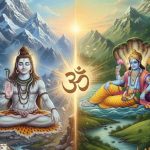
At its essence, Hinduism teaches the concept of Brahman – the ultimate, formless, infinite reality. All Hindu gods and goddesses are considered different manifestations or aspects of this single supreme consciousness.
This can be understood through a simple analogy: just as water can exist as ice, liquid, or vapor, the divine takes many forms while remaining fundamentally one.
The Purpose of Multiple Gods in Hinduism
1. Representing Different Aspects of Life
Each deity symbolizes specific qualities, powers, and aspects of existence:
- Brahma: Creation and knowledge
- Vishnu: Preservation and protection
- Shiva: Transformation and destruction
- Lakshmi: Wealth and prosperity
- Saraswati: Wisdom and learning
- Durga: Strength and courage
2. Making the Abstract Accessible
The formless, infinite Brahman is difficult for the human mind to comprehend. Through personified deities with stories, symbols, and characteristics, Hinduism makes spirituality accessible to everyone, regardless of their philosophical understanding.
3. Catering to Individual Spiritual Paths
Different people connect with different aspects of the divine based on their nature, circumstances, and spiritual needs. A student might worship Saraswati for knowledge, while a businessperson might revere Ganesha for removing obstacles.
4. Teaching Universal Values
The stories and characteristics of various deities serve as moral and ethical guides. They teach values like:
- Devotion and loyalty (through Hanuman)
- Righteousness and duty (through Rama)
- Love and compassion (through Krishna)
- Courage and justice (through Durga)
5. Reflecting Unity in Diversity
The multiplicity of gods reflects Hinduism’s inclusive philosophy that truth can be approached through many paths. This concept, known as “Ekam Sat Vipra Bahudha Vadanti” (Truth is One, but the wise call it by many names), promotes religious tolerance and spiritual flexibility.
The Trinity: Understanding the Primary Divine Functions
While there are numerous deities, the Trimurti or Hindu trinity represents the three fundamental cosmic functions:
Brahma (The Creator)
Responsible for creation and the generation of the universe, though less commonly worshipped today.
Vishnu (The Preserver)
Maintains cosmic order and incarnates on Earth during times of crisis (through avatars like Rama and Krishna).
Shiva (The Transformer)
Represents destruction that leads to renewal and transformation, embodying the cycle of death and rebirth.
Major Hindu Deities and Their Significance
Ganesha – The Remover of Obstacles
The elephant-headed god worshipped at the beginning of any new venture, symbolizing wisdom and prosperity.
Krishna – The Divine Teacher
An avatar of Vishnu who taught the philosophy of the Bhagavad Gita, representing divine love and wisdom.
Rama – The Ideal King
Another avatar of Vishnu, embodying dharma (righteousness) and ideal human behavior.
Hanuman – The Ultimate Devotee
Representing strength, devotion, and selfless service to the divine.
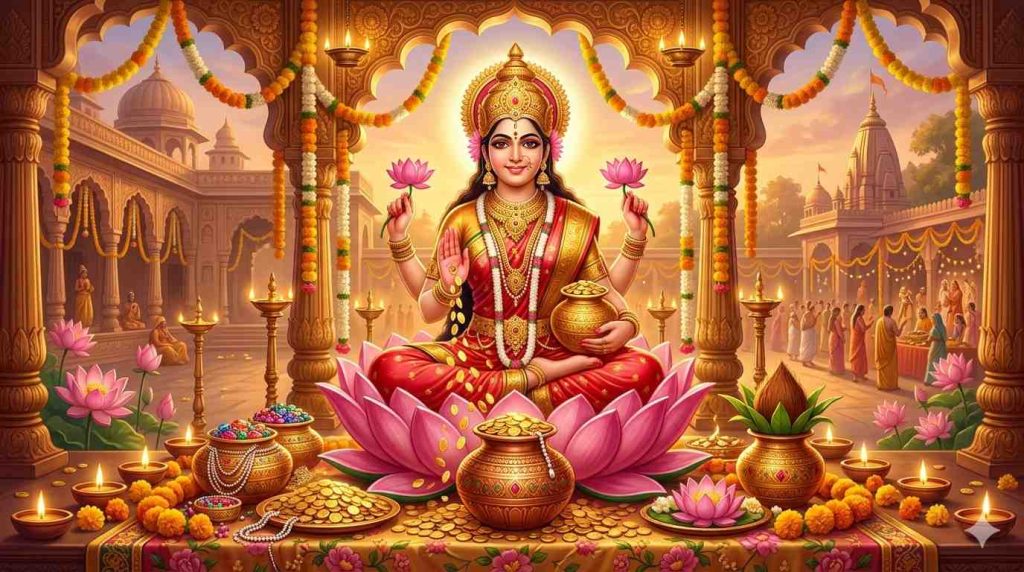
Lakshmi – Goddess of Abundance
Consort of Vishnu, representing wealth, fortune, and prosperity in all forms.
Saraswati – Goddess of Knowledge
The deity of learning, arts, and wisdom, revered by students and scholars.
Durga and Kali – Divine Feminine Power
Representing Shakti (divine feminine energy), courage, and the destruction of evil.
The Concept of Ishta Devata (Personal Deity)
Hinduism encourages individuals to choose an Ishta Devata – a personal deity with whom they feel a deep spiritual connection. This doesn’t mean rejecting other gods but focusing one’s devotion through a form that resonates most deeply with their spiritual journey.
Regional and Cultural Variations
India’s vast geography and cultural diversity have led to different deities being prominent in different regions:
- Kerala: Strong Ayyappa worship
- Bengal: Intense Durga and Kali devotion
- Maharashtra: Vitthala and Ganesha traditions
- Tamil Nadu: Murugan (Kartikeya) worship
- North India: Krishna and Rama devotion
The Philosophical Perspective: Monotheism or Polytheism?
Hinduism transcends simple categorization as monotheistic or polytheistic. Scholars often describe it as:
- Henotheistic: Worshipping one god while accepting others
- Panentheistic: Seeing the divine in all things
- Monistic: Believing in one ultimate reality with many expressions
Modern Understanding and Practice
Contemporary Hindus may:
- Worship multiple deities on different occasions
- Focus devotion on a single deity
- Practice philosophical Hinduism without idol worship
- Blend various traditions and approaches
The flexibility in practice is itself a core feature of Hindu spirituality.
Conclusion: Unity Through Diversity
The question “How many gods are there in Hinduism?” reveals the religion’s beautiful complexity. Whether 33, 330 million, or one supreme reality, Hindu deities serve the profound purpose of making the infinite accessible, guiding moral development, and honoring the diverse ways humans experience the divine.
This multiplicity isn’t a weakness but a strength – acknowledging that the ultimate truth is vast enough to encompass all perspectives and paths. In Hinduism, all rivers of devotion ultimately flow into the same ocean of divine consciousness.
Key Takeaway: Hinduism’s pantheon of gods represents not confusion but a sophisticated understanding that the one supreme reality can be approached, understood, and worshipped in countless ways, each valid and meaningful for different seekers on their spiritual journey.
Frequently Asked Questions
Q: Do Hindus worship 330 million gods? A: The number is symbolic. Most Hindus worship a few chosen deities while recognizing them all as manifestations of one supreme reality.
Q: Are all Hindu gods equal? A: Different traditions emphasize different deities, but philosophically, all are considered aspects of the one Brahman.
Q: Can I worship just one Hindu god? A: Absolutely. Many Hindus focus their devotion on a single deity (Ishta Devata) while respecting others.
Q: What is the oldest Hindu god? A: Vedic deities like Indra, Agni, and Varuna are among the oldest, dating back over 3,000 years.
Related posts:
 How Business Owners Can Perform Lakshmi Devi Pooja in Their Shops on Fridays for Prosperity:
 Panchamukhi Hanuman: Meaning, Powers, Story & Spiritual Significance
 Why is Hanuman Worshipped on Saturday? A Comprehensive Guide for Devotees
 Shiva as Bhutanatha: The Compassionate Lord of All Beings
 Maa Lakshmi: The Divine Shakti of Prosperity and Universal Harmony
 99 Baby Names Inspired by Goddess Durga for Your Navratri Baby
 108 Names of Lord Krishna (Shri Krishna Ashtottara Shatanamavali)
 Nataraja Swamy and Dhanurmasam in Europe: Shiva’s Cosmic Dance