
Vedic Astrology
479 articles
Vedic astrology, or Jyotisha, is the traditional Hindu system of reading the positions of the sun, moon and planets against the sidereal zodiac. Counted among the six Vedangas, the limbs of Vedic learning, it was originally developed to time rituals correctly and grew into a detailed framework of nine grahas, twelve rashis, twenty-seven nakshatras and the houses of a birth chart.
For many Hindu families, Jyotish is woven into everyday decisions: choosing a name based on the birth nakshatra, matching kundlis before a marriage, selecting a muhurat for a housewarming or seeking guidance in a difficult period. Views on astrology differ widely among Hindus; some treat it as sacred science, others as a cultural tradition or a source of reflection, and responsible astrologers encourage people not to make choices out of fear.
On this page you will find plain-language introductions to the grahas, rashis and nakshatras, explanations of how a kundli is structured, articles on kundli matching, our horoscope series, and traditional remedies such as mantras, charity and temple worship, presented as devotional practices rather than guarantees. Related reading covers the Navagrahas and horoscopes.
Start Here
Latest Articles

29 November 2026 Sunday Rashi Phalalu — Daily Horoscope for All 12 Zodiac Signs
Rashi Phalalu for Sunday, 29 November 2026: daily predictions for all 12 Moon signs with the Moon in Cancer (Karka).
28 November 2026 Saturday Rashi Phalalu — Daily Horoscope for All 12 Zodiac Signs
Rashi Phalalu for Saturday, 28 November 2026: daily predictions for all 12 Moon signs with the Moon in Cancer (Karka).
27 November 2026 Friday Rashi Phalalu — Daily Horoscope for All 12 Zodiac Signs
Rashi Phalalu for Friday, 27 November 2026: daily predictions for all 12 Moon signs with the Moon in Gemini (Mithuna).
23 November 2026 Monday Rashi Phalalu — Daily Horoscope for All 12 Zodiac Signs
Rashi Phalalu for Monday, 23 November 2026: daily predictions for all 12 Moon signs with the Moon in Aries (Mesha).
Gold and Vedic Astrology: What Jyotish Says About Gold, and the 2026–27 Planetary Calendar
Quick answer: In Jyotish tradition gold is linked mainly to Jupiter (Guru), with the Sun and Venus also associated…
22 November 2026 Sunday Rashi Phalalu — Daily Horoscope for All 12 Zodiac Signs
Rashi Phalalu for Sunday, 22 November 2026: daily predictions for all 12 Moon signs with the Moon in Aries (Mesha).
Varahamihira: Astronomer of Ujjain, Author of the Pancha Siddhantika and Brihat Samhita
Varahamihira was a 6th-century astronomer, mathematician and astrologer who worked in the Avanti region around Ujjain.…
21 November 2026 Saturday Rashi Phalalu — Daily Horoscope for All 12 Zodiac Signs
Rashi Phalalu for Saturday, 21 November 2026: daily predictions for all 12 Moon signs with the Moon in Pisces (Meena).
20 November 2026 Friday Rashi Phalalu — Daily Horoscope for All 12 Zodiac Signs
Rashi Phalalu for Friday, 20 November 2026: daily predictions for all 12 Moon signs with the Moon in Pisces (Meena).
15 November 2026 Sunday Rashi Phalalu — Daily Horoscope for All 12 Zodiac Signs
Rashi Phalalu for Sunday, 15 November 2026: daily predictions for all 12 Moon signs with the Moon in Capricorn (Makara).
14 November 2026 Saturday Rashi Phalalu — Daily Horoscope for All 12 Zodiac Signs
Rashi Phalalu for Saturday, 14 November 2026: daily predictions for all 12 Moon signs with the Moon in Sagittarius…
13 November 2026 Friday Rashi Phalalu — Daily Horoscope for All 12 Zodiac Signs
Rashi Phalalu for Friday, 13 November 2026: daily predictions for all 12 Moon signs with the Moon in Sagittarius…
12 November 2026 Thursday Rashi Phalalu — Daily Horoscope for All 12 Zodiac Signs
Rashi Phalalu for Thursday, 12 November 2026: daily predictions for all 12 Moon signs with the Moon in Scorpio…
11 November 2026 Wednesday Rashi Phalalu — Daily Horoscope for All 12 Zodiac Signs
Rashi Phalalu for Wednesday, 11 November 2026: daily predictions for all 12 Moon signs with the Moon in Scorpio…
10 November 2026 Tuesday Rashi Phalalu — Daily Horoscope for All 12 Zodiac Signs
Rashi Phalalu for Tuesday, 10 November 2026: daily predictions for all 12 Moon signs with the Moon in Scorpio…
9 November 2026 Monday Rashi Phalalu — Daily Horoscope for All 12 Zodiac Signs
Rashi Phalalu for Monday, 9 November 2026: daily predictions for all 12 Moon signs with the Moon in Libra (Tula).
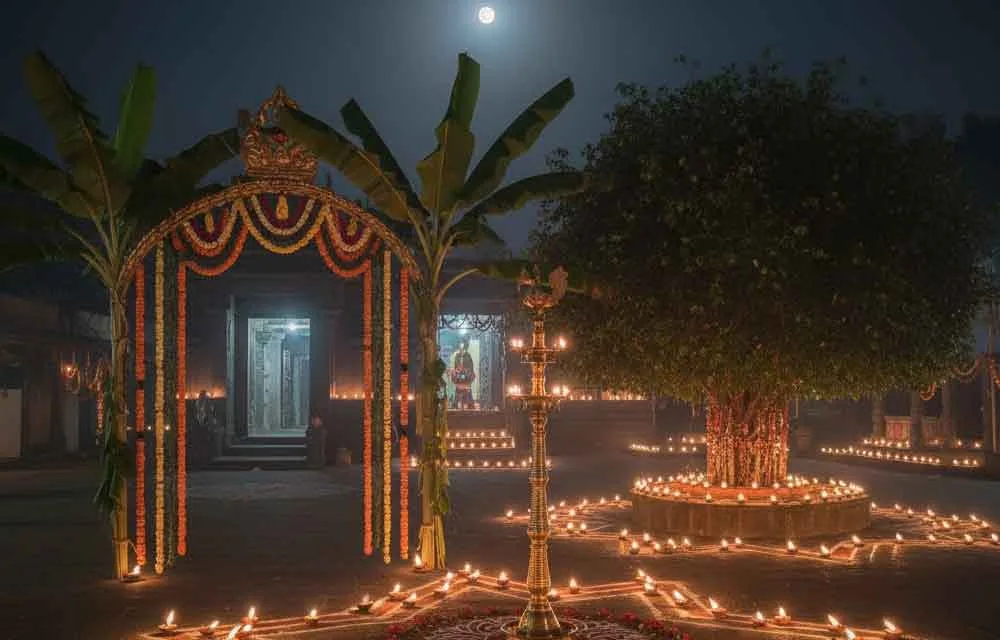
Karthika Masam 2026 Horoscope for All 12 Sun Signs: Aries to Pisces Predictions, Career, Finance, Love, Marriage and Spiritual Remedies
Karthika Masam is one of the most spiritually significant months in the Hindu calendar. Across India and among Hindu…
8 November 2026 Sunday Rashi Phalalu — Daily Horoscope for All 12 Zodiac Signs
Rashi Phalalu for Sunday, 8 November 2026: daily predictions for all 12 Moon signs with the Moon in Libra (Tula).
7 November 2026 Saturday Rashi Phalalu — Daily Horoscope for All 12 Zodiac Signs
Rashi Phalalu for Saturday, 7 November 2026: daily predictions for all 12 Moon signs with the Moon in Libra (Tula).
6 November 2026 Friday Rashi Phalalu — Daily Horoscope for All 12 Zodiac Signs
Rashi Phalalu for Friday, 6 November 2026: daily predictions for all 12 Moon signs with the Moon in Virgo (Kanya).
5 November 2026 Thursday Rashi Phalalu — Daily Horoscope for All 12 Zodiac Signs
Rashi Phalalu for Thursday, 5 November 2026: daily predictions for all 12 Moon signs with the Moon in Virgo (Kanya).
4 November 2026 Wednesday Rashi Phalalu — Daily Horoscope for All 12 Zodiac Signs
Rashi Phalalu for Wednesday, 4 November 2026: daily predictions for all 12 Moon signs with the Moon in Leo (Simha).
3 November 2026 Tuesday Rashi Phalalu — Daily Horoscope for All 12 Zodiac Signs
Rashi Phalalu for Tuesday, 3 November 2026: daily predictions for all 12 Moon signs with the Moon in Leo (Simha).
2 November 2026 Monday Rashi Phalalu — Daily Horoscope for All 12 Zodiac Signs
Rashi Phalalu for Monday, 2 November 2026: daily predictions for all 12 Moon signs with the Moon in Cancer (Karka).
FAQs
What is Vedic astrology?
Vedic astrology, or Jyotisha, is the traditional Indian system of reading the positions of the Sun, Moon and planets at a person's birth. It is counted among the Vedangas, the auxiliary disciplines of the Vedas, and is used in many families for naming, matching horoscopes and choosing auspicious times.
How is Vedic astrology different from Western astrology?
Vedic astrology uses the sidereal zodiac, tied to the fixed stars, while most Western astrology uses the tropical zodiac tied to the seasons, so signs often differ. Vedic astrology also gives central importance to the Moon sign, nakshatras and dasha periods.
What is a kundli or birth chart?
A kundli, also called a janam patrika or jathakam, is a chart showing the positions of the planets in the twelve houses at the time and place of birth. Astrologers interpret it for personality and life themes, and many families use it in marriage matching.
Should I rely on astrology for big decisions?
Astrology is a matter of traditional belief. Many people find it meaningful for reflection and timing ceremonies, but it should not replace medical, financial or legal advice. Treat predictions and remedies thoughtfully and be cautious of anyone promising guaranteed results.