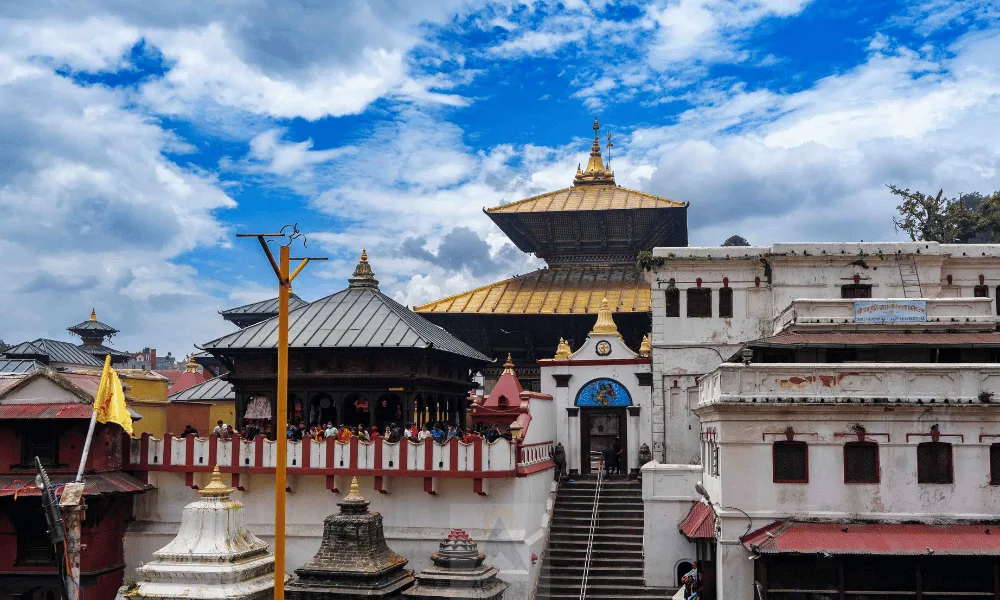
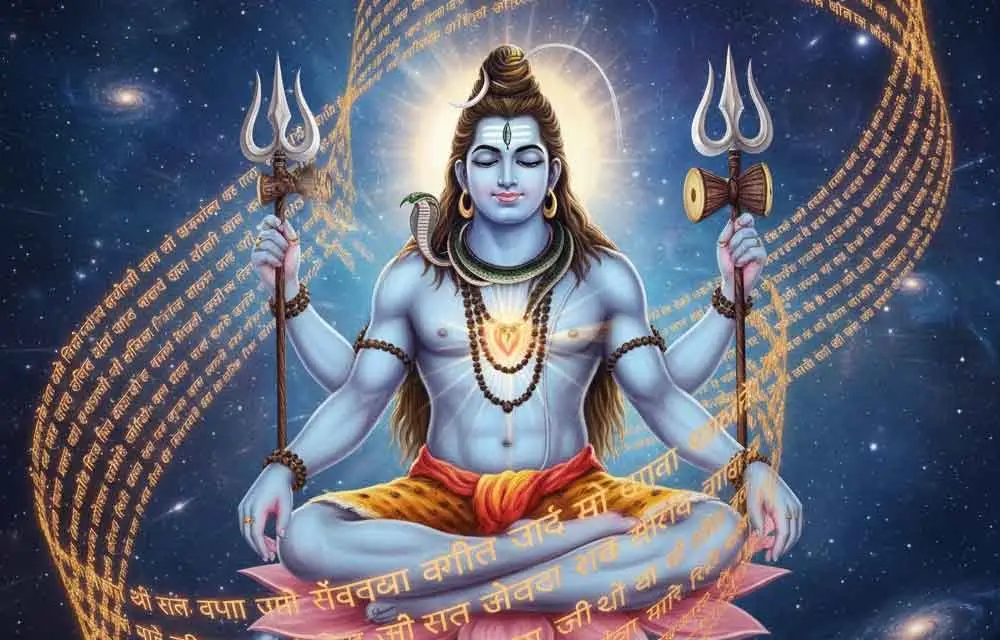
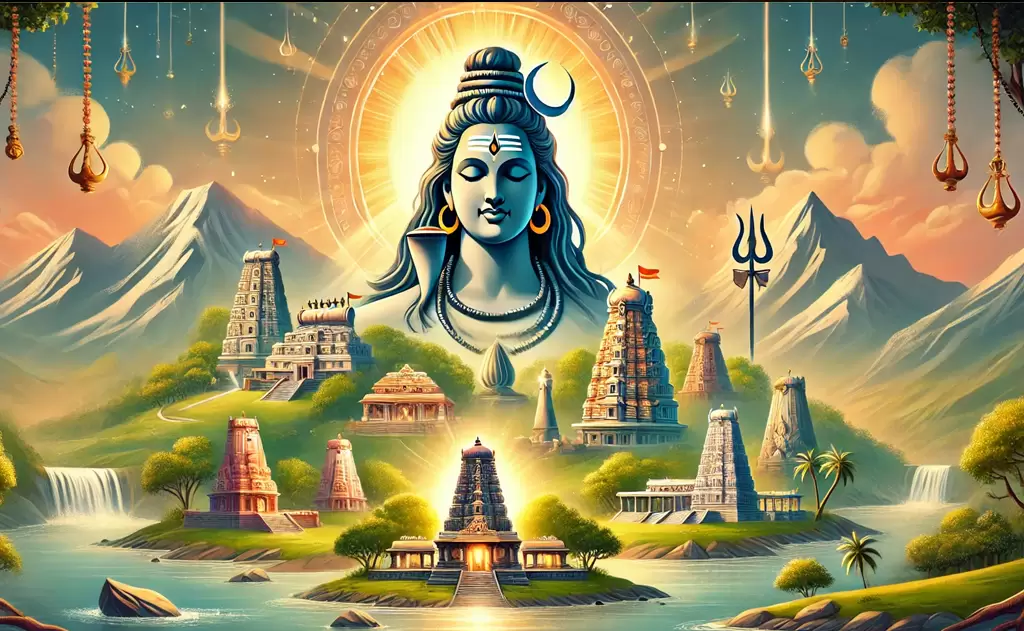
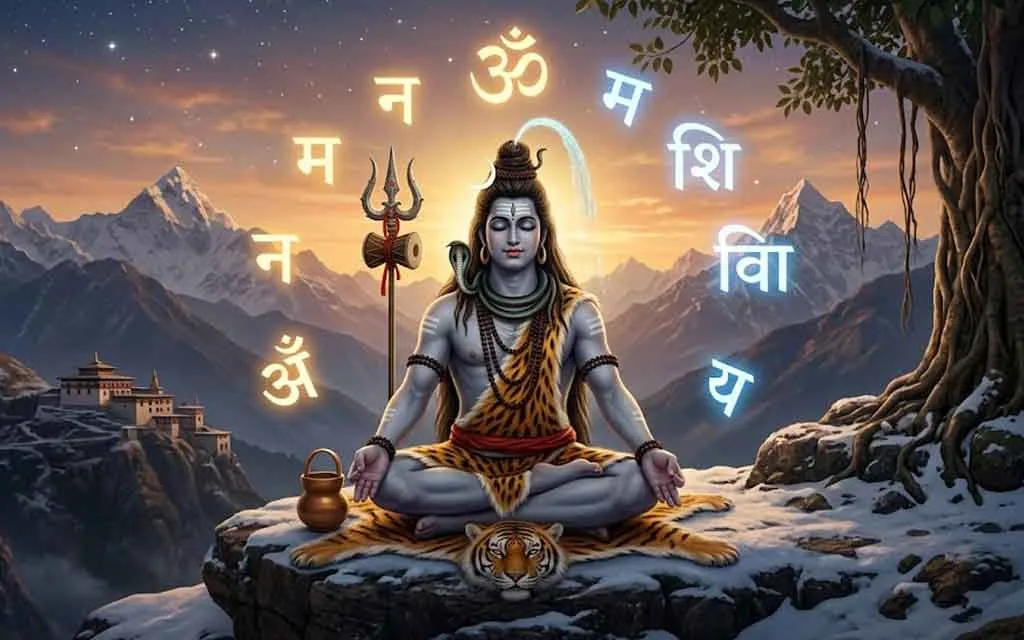
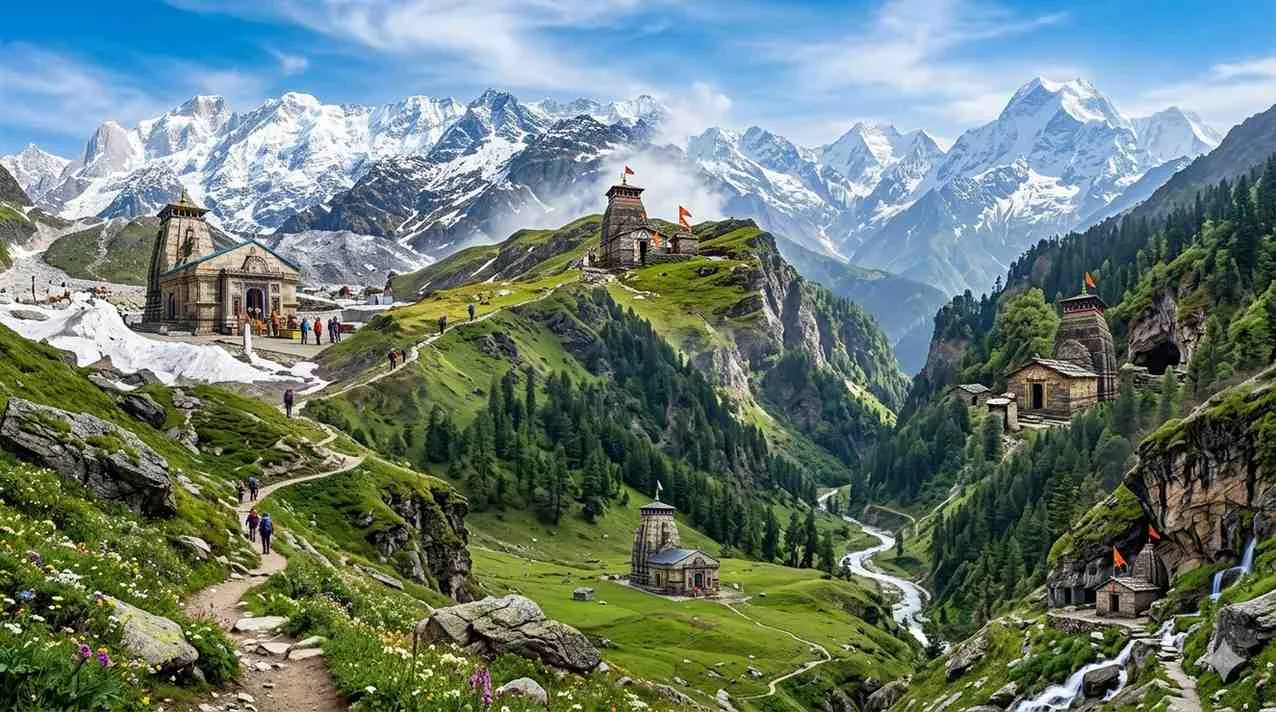
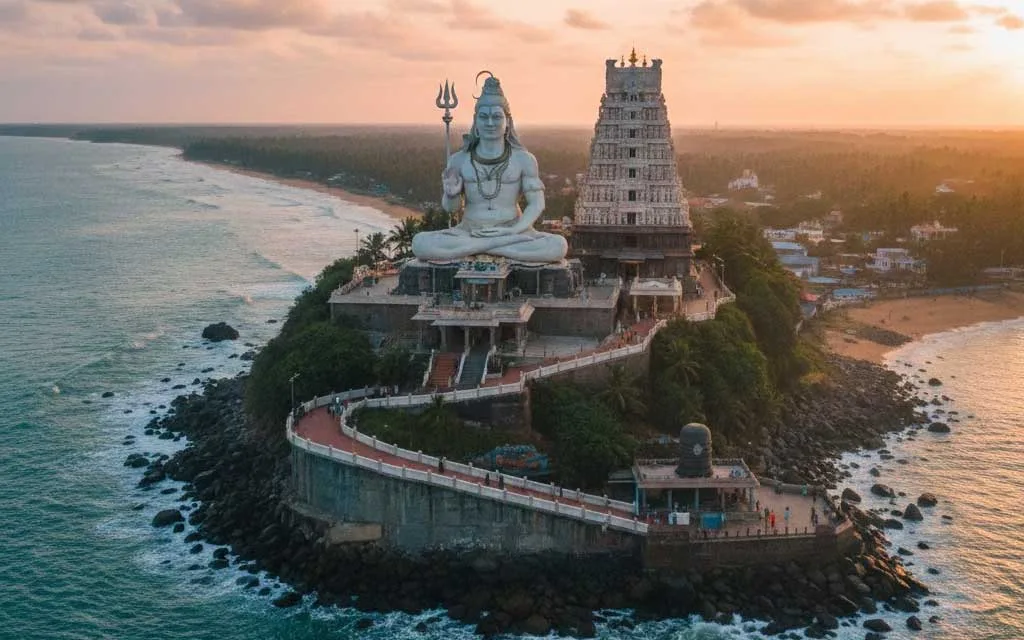
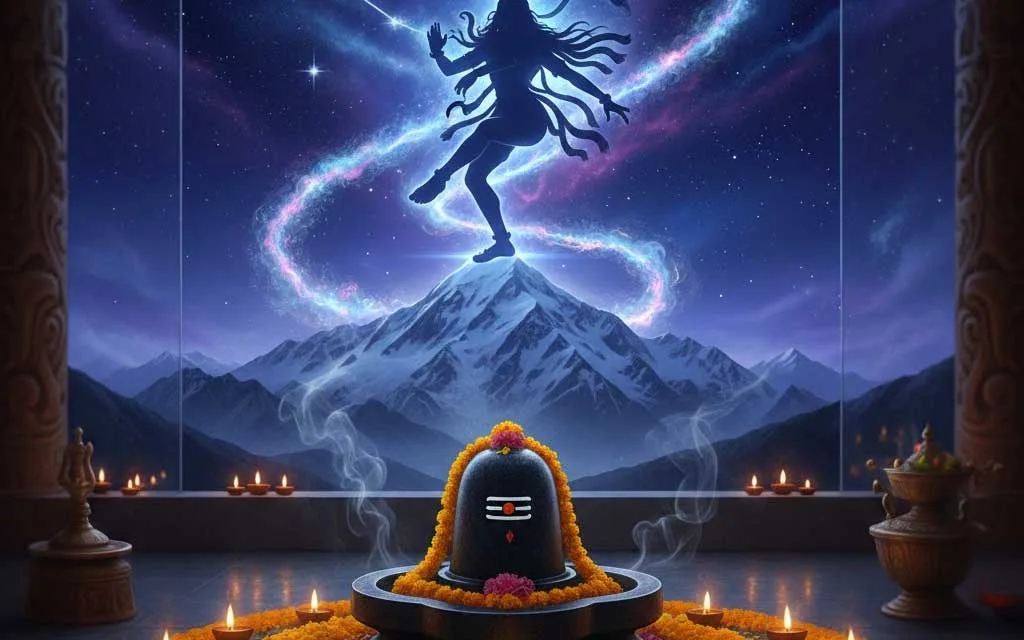
Shiva is the Mahadev — the Great God of dissolution, the third member of the Trimurti who completes the cosmic cycle Brahma begins. But Shiva is far more than destroyer: he is Adi Yogi (the first yogi who taught the eight limbs to the Saptarishis), Nataraja (the cosmic dancer whose Tandava sustains and dissolves universes), Mahakaal (the master of time), Pashupati (lord of beings), Bhole Baba (the innocent ascetic), and most simply — the consciousness that is Self. Shaivism, one of Hinduism's four major sampradayas, regards Shiva as the Supreme Reality. HinduTone's Shiva hub covers his full story and practice: the Shiva Purana's account of his self-manifestation as the cosmic Lingam (Lingodbhava); his swallowing of the Halahala poison from the Samudra Manthan to save creation (earning him the name Neelakantha, 'blue-throated'); his Tandava dance in the Chidambaram court; his marriage to Sati and later Parvati; the birth of Ganesha and Kartikeya from this family. Mantras include the supreme Mahamrityunjaya for healing, Om Namah Shivaya for daily japa, the Rudra Namakam-Chamakam Vedic hymns, the Shiva Tandava Stotra, and the Lingashtakam. We also cover the 12 Jyotirlingas — the most powerful self-manifested Shiva shrines from Somnath (Gujarat) to Rameshwaram (Tamil Nadu) and Kedarnath (Uttarakhand). Festival calendar: Maha Shivaratri (the great night, typically February), Sawan Mondays (the holy month of Shravan), Kartik Purnima Tripurari, Shravan Somavar — and the daily Pradosh Kaal for evening Shiva worship.

"Om Tryambakam Yajāmahe Sugandhim Puṣṭivardhanam / Urvārukamiva Bandhanān Mṛtyor-Mukṣīya Māmṛtāt" — the supreme Vedic mantra of Lord Shiva for healing, longevity and conquest of fear. Found in Rigveda 7.59.12. Traditionally chanted 108 times daily, especially during illness or planetary doshas.
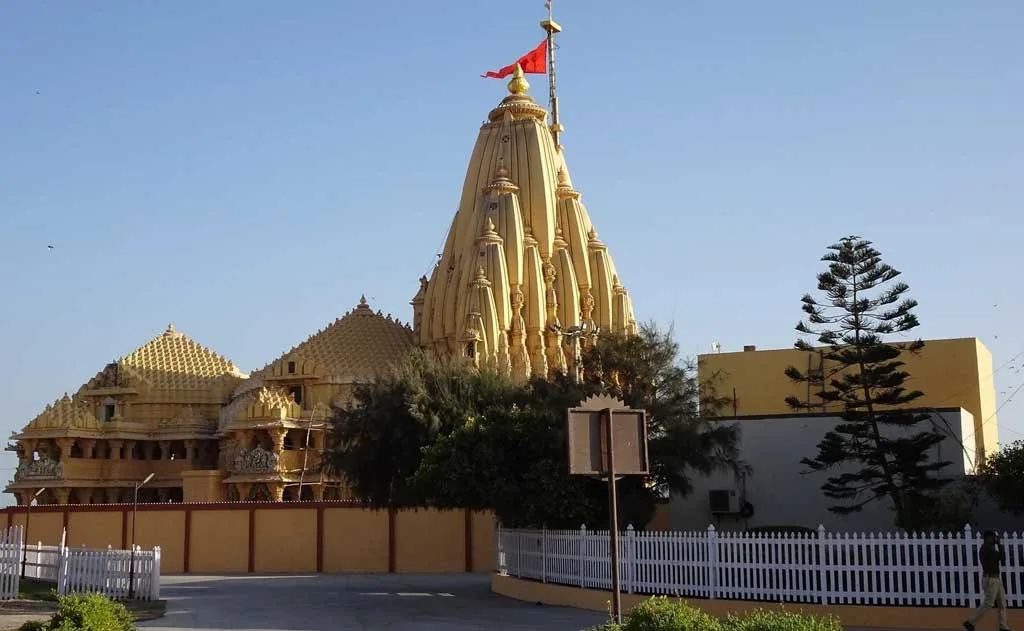
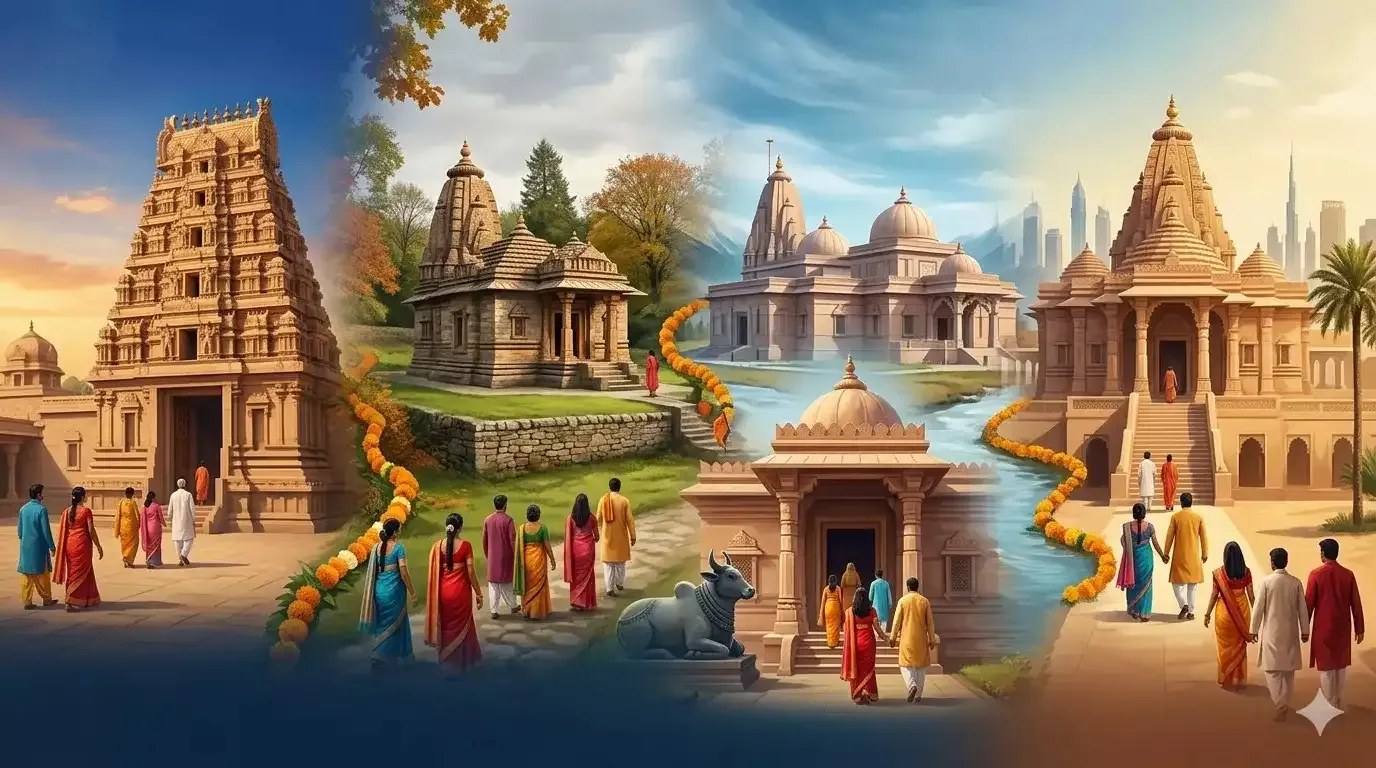
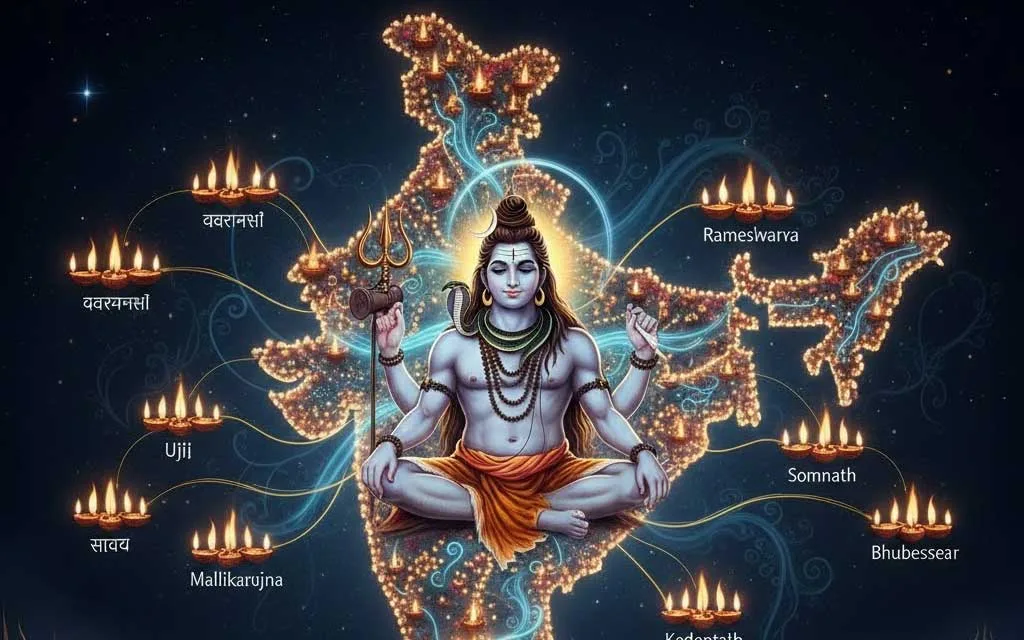
Somnath (Gujarat), Mallikarjuna (Andhra), Mahakaleshwar (Ujjain), Omkareshwar (MP), Vaidyanath (Jharkhand), Bhimashankar (Maharashtra), Rameshwaram (Tamil Nadu), Nageshwar (Gujarat), Vishwanath (Varanasi), Trimbakeshwar (Maharashtra), Kedarnath (Uttarakhand), Grishneshwar (Maharashtra). Visiting all 12 is considered the supreme Shaiva pilgrimage.
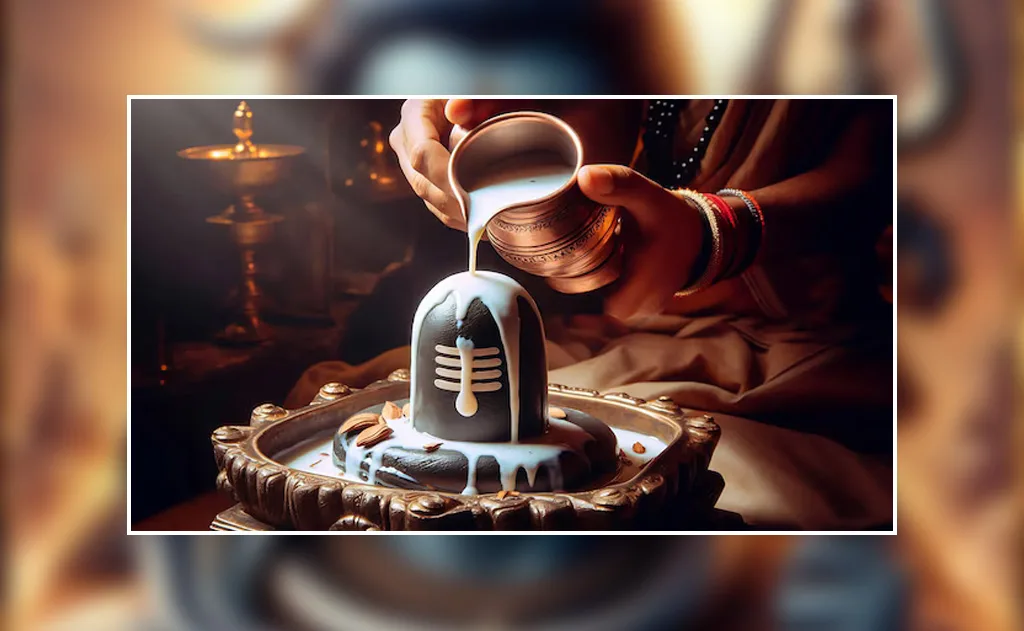
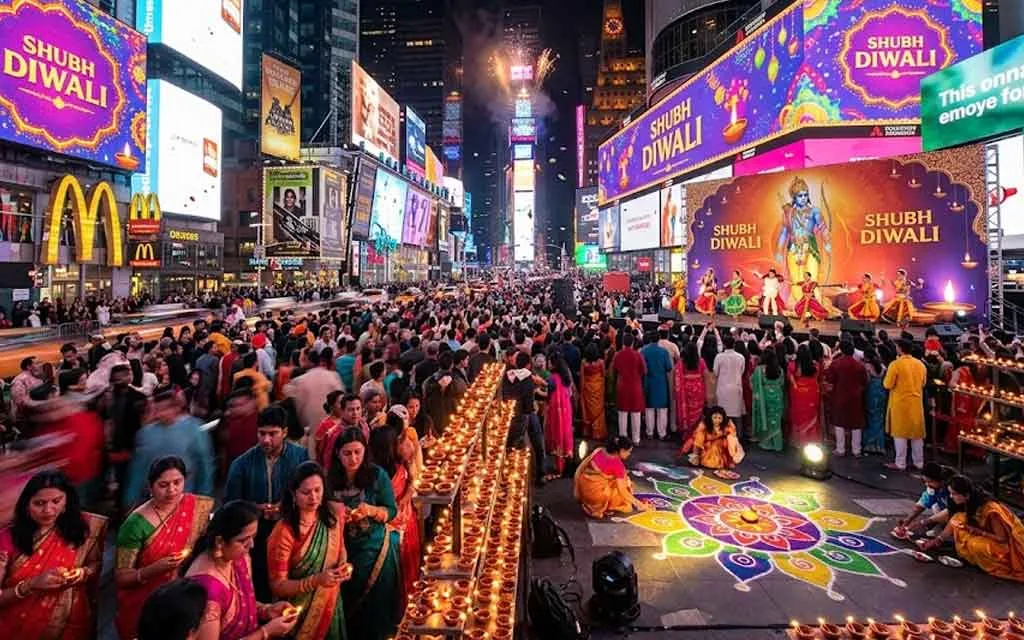
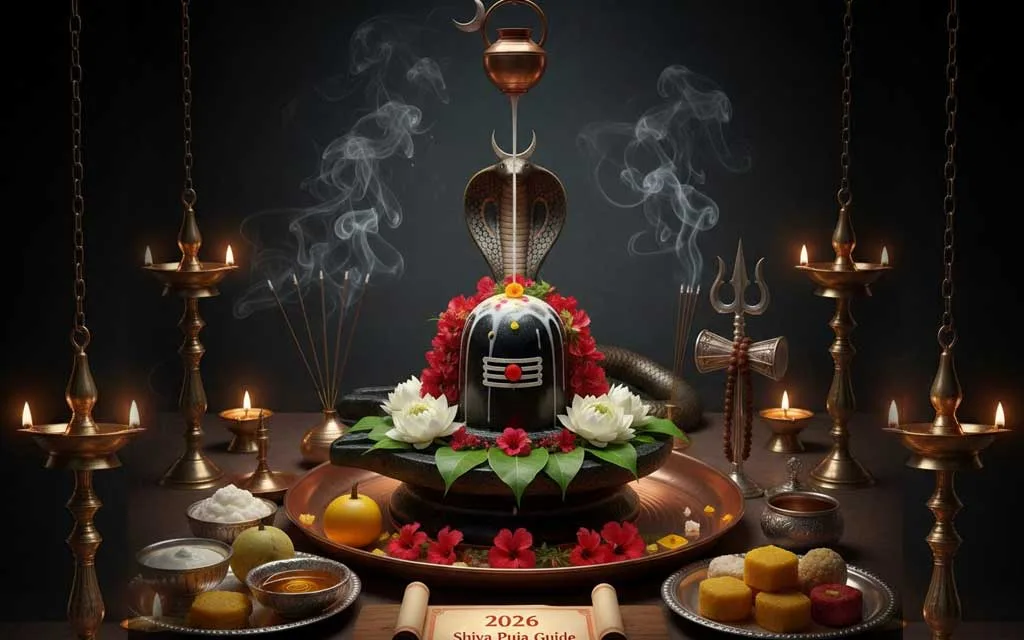
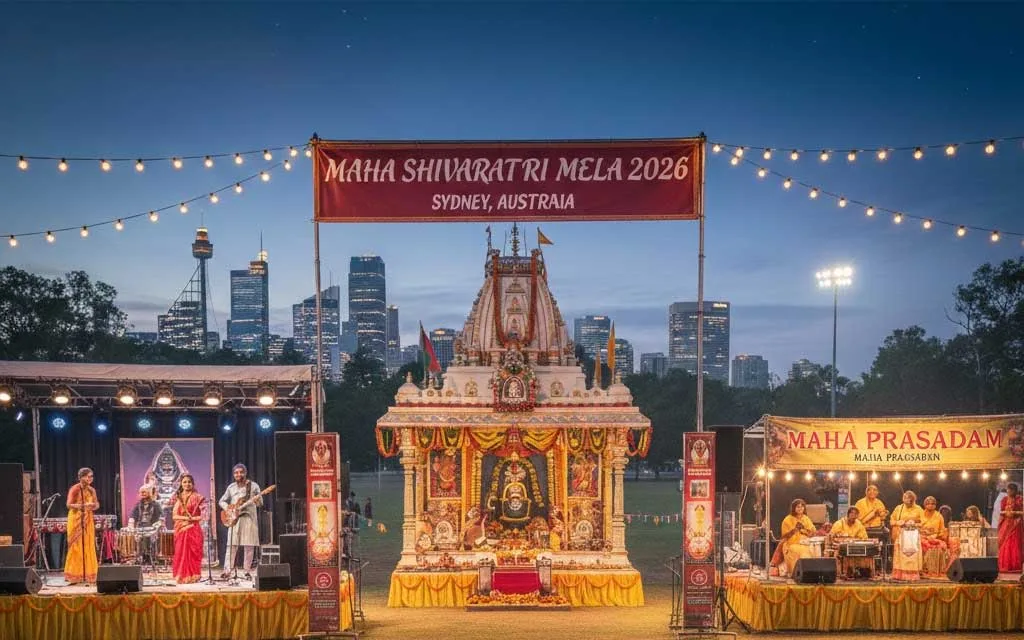
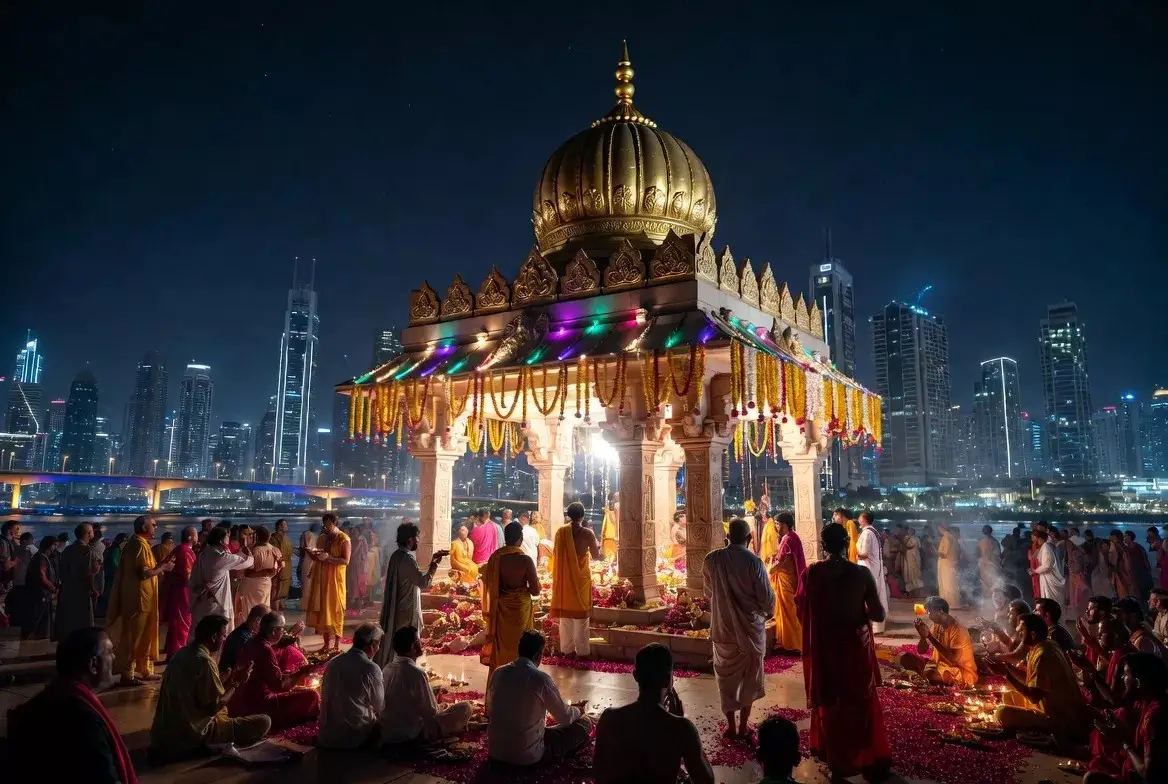
Maha Shivaratri 2026 falls on Sunday, 15 February. The festival is observed through the night with four prahar pujas (milk → curd → ghee → honey abhishekam) and jagaran. Sawan (Shravan) Mondays — when Shiva worship is most powerful — fall through July and August.
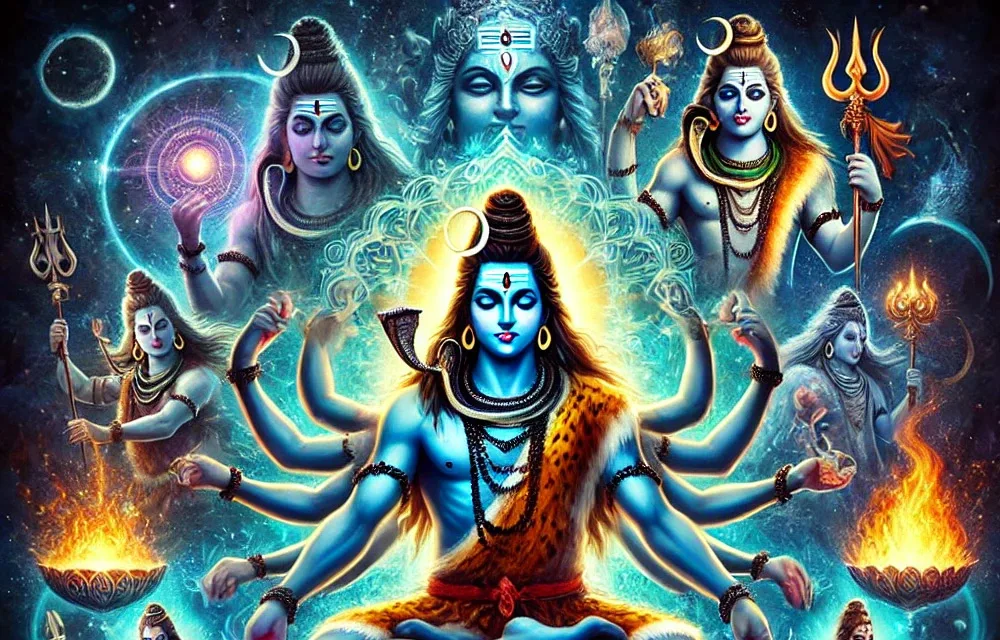
The snake (Vasuki) represents Shiva's mastery over death and the kundalini shakti. The crescent moon on his head, gifted by Lord Chandra after his curse-redemption story, symbolises Shiva's mastery over time and the lunar cycle of the mind. The third eye is the eye of wisdom that burns desire to ash.
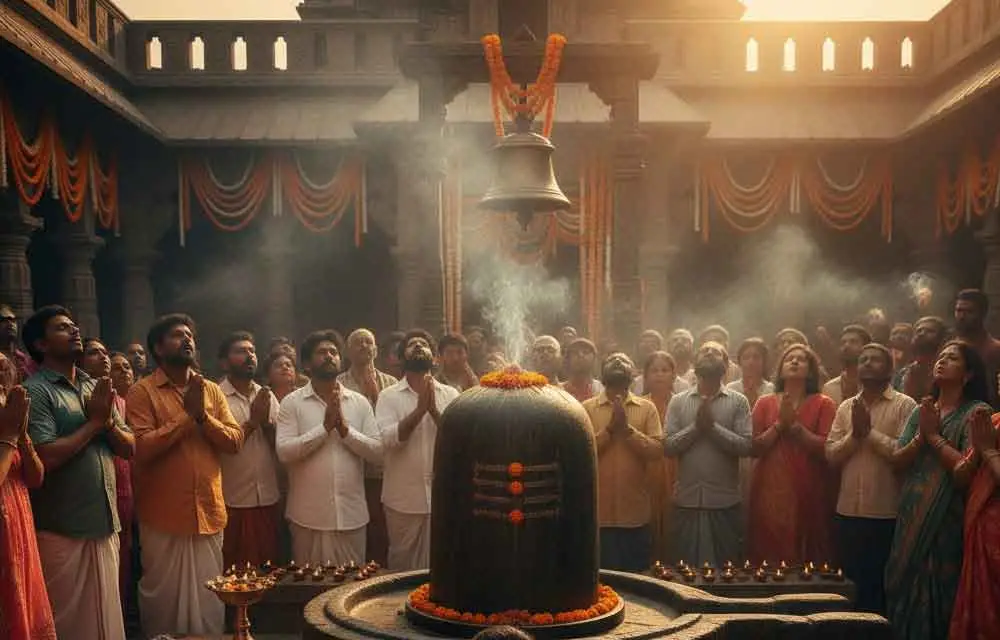
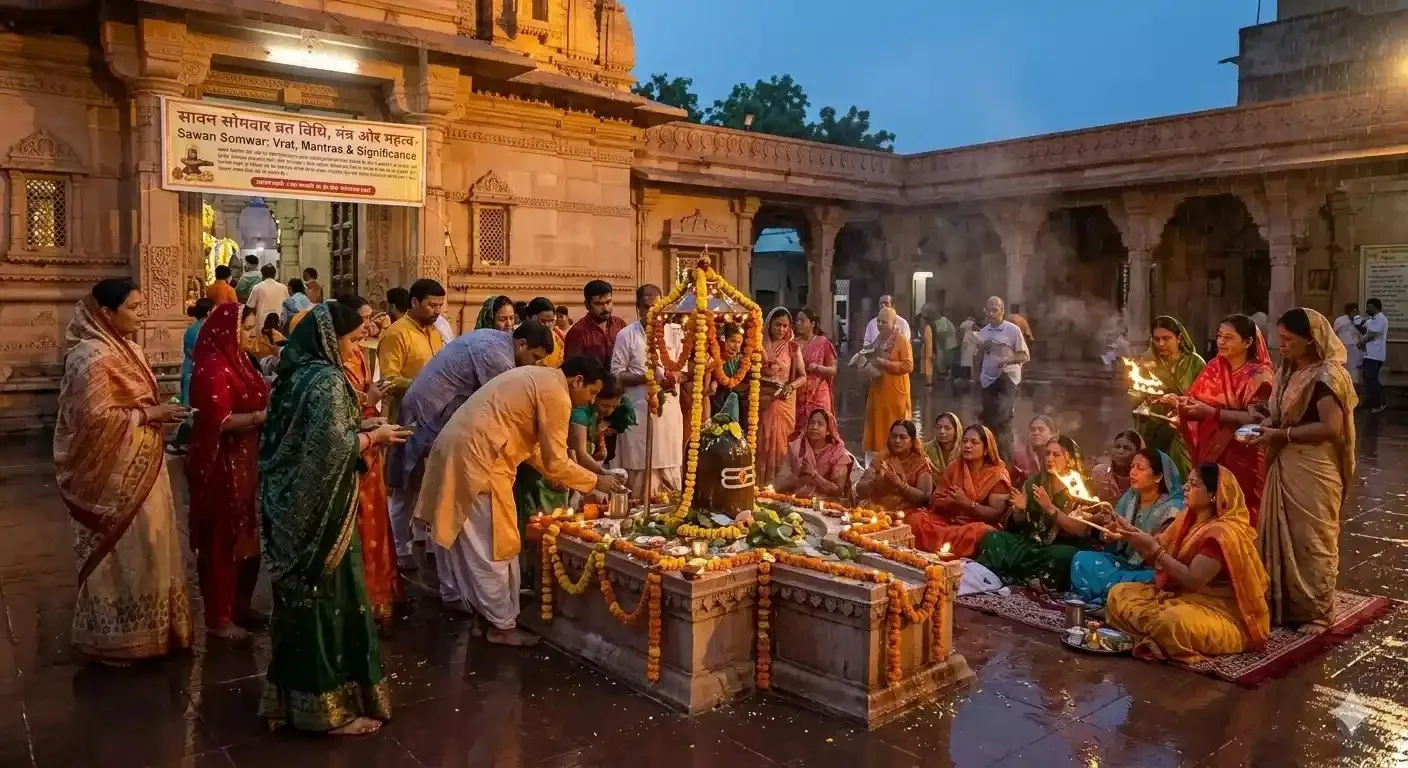
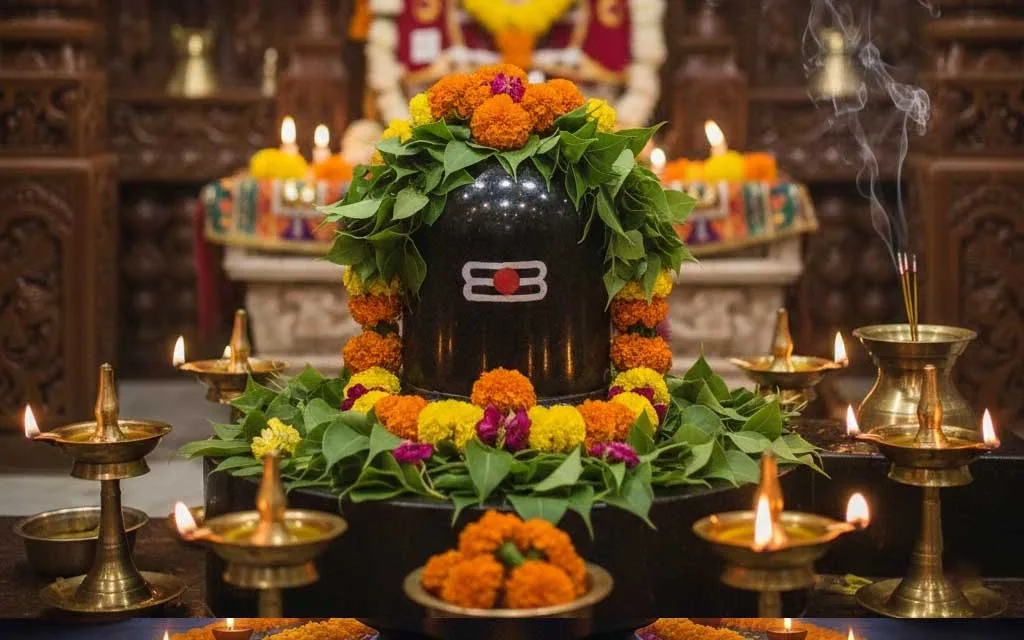
Monday (Somvar) is Shiva's sacred day — Mondays in Sawan/Shravan month are the most powerful. Devotees observe Somvar vrata: fast (or eat only fruits and one satvik meal), perform abhishekam at the local Shiva temple, chant Mahamrityunjaya or Om Namah Shivaya 108 times.
