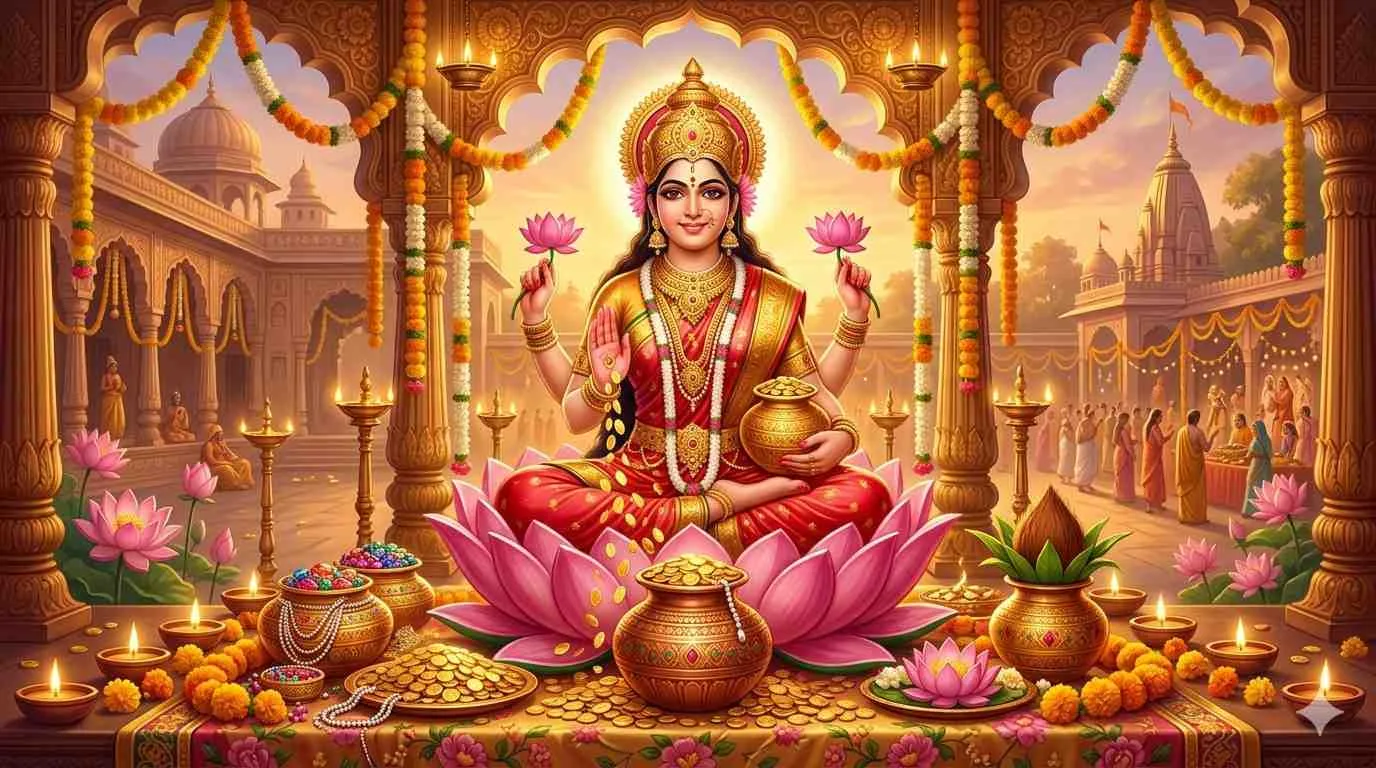
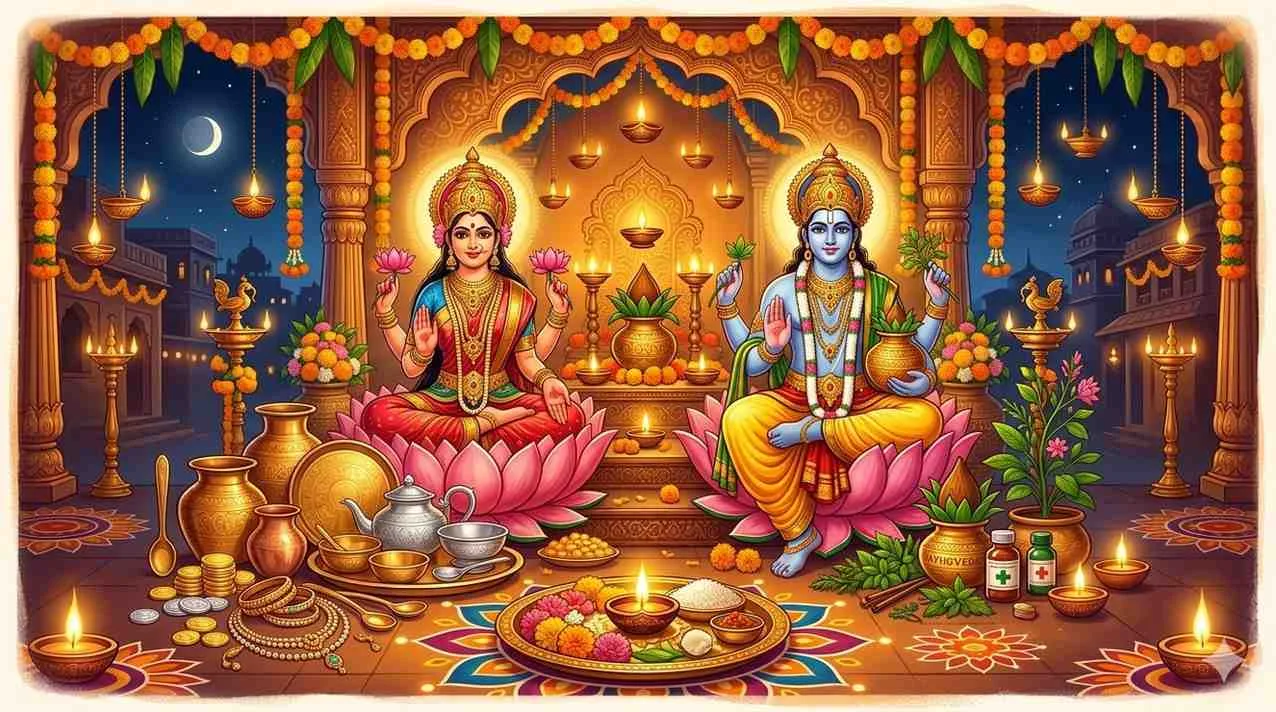
Lakshmi is the goddess of wealth, prosperity, beauty, fertility and good fortune — consort of Lord Vishnu and active shakti through which he sustains the cosmos. Born from the Samudra Manthan (the cosmic churning of the ocean), she chose Vishnu as her eternal companion and resides with him in Vaikuntha. Wherever Lakshmi turns her gaze, abundance flows; wherever she withdraws, prosperity fades. Every Hindu household installs her image alongside Ganesha on Diwali night, performs Lakshmi Puja, and welcomes her into the home for the new year. HinduTone's Lakshmi hub covers her full story and practice: the Vishnu Purana's account of her birth from the Samudra Manthan; her eight forms (Ashtalakshmi) — Adi, Dhanya, Dhairya, Gaja, Santana, Vijaya, Vidya and Dhana Lakshmi — each governing a specific kind of abundance; her role as consort of Vishnu and as the cosmic shakti of preservation. Mantras include the supreme Sri Suktam (15-verse Vedic hymn from Rig Veda Khila), the Mahalakshmi Ashtakam (8-verse stotra), the Kanakadhara Stotram (Adi Shankaracharya's golden-shower hymn), the Lakshmi Ashtottara (108 names) and the powerful Lakshmi Beeja Mantras for daily japa. We also cover her festival calendar: Diwali Lakshmi Puja (Kartik Amavasya — typically late October/November), Dhanteras (the 2-day-before-Diwali wealth-buying festival), Sharad Purnima (the full-moon night when Lakshmi descends to bless the awake), Varalakshmi Vrata (the Friday before Shravana Purnima — the major South Indian Lakshmi vrata for married women), and weekly Friday Lakshmi worship.
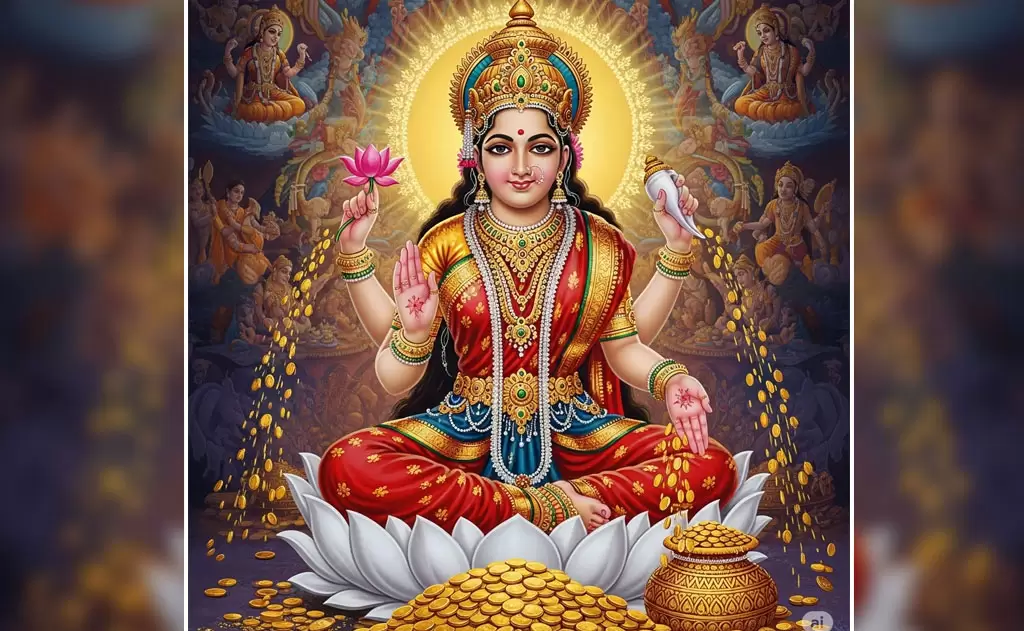
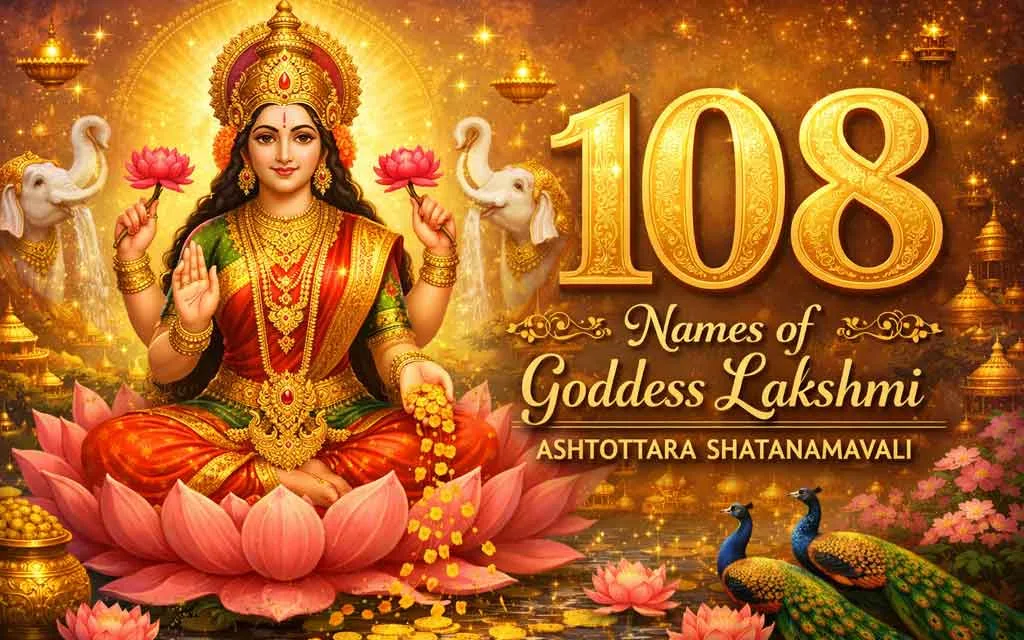
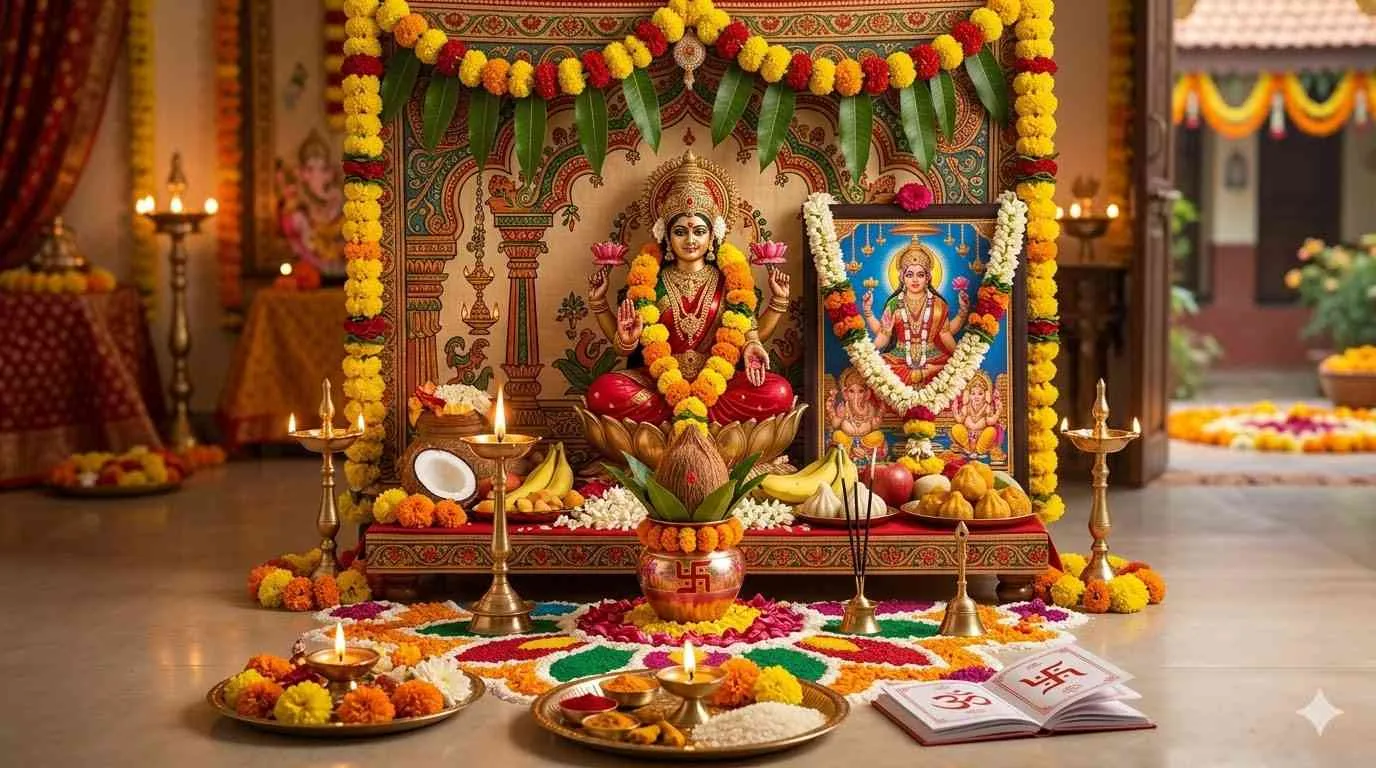
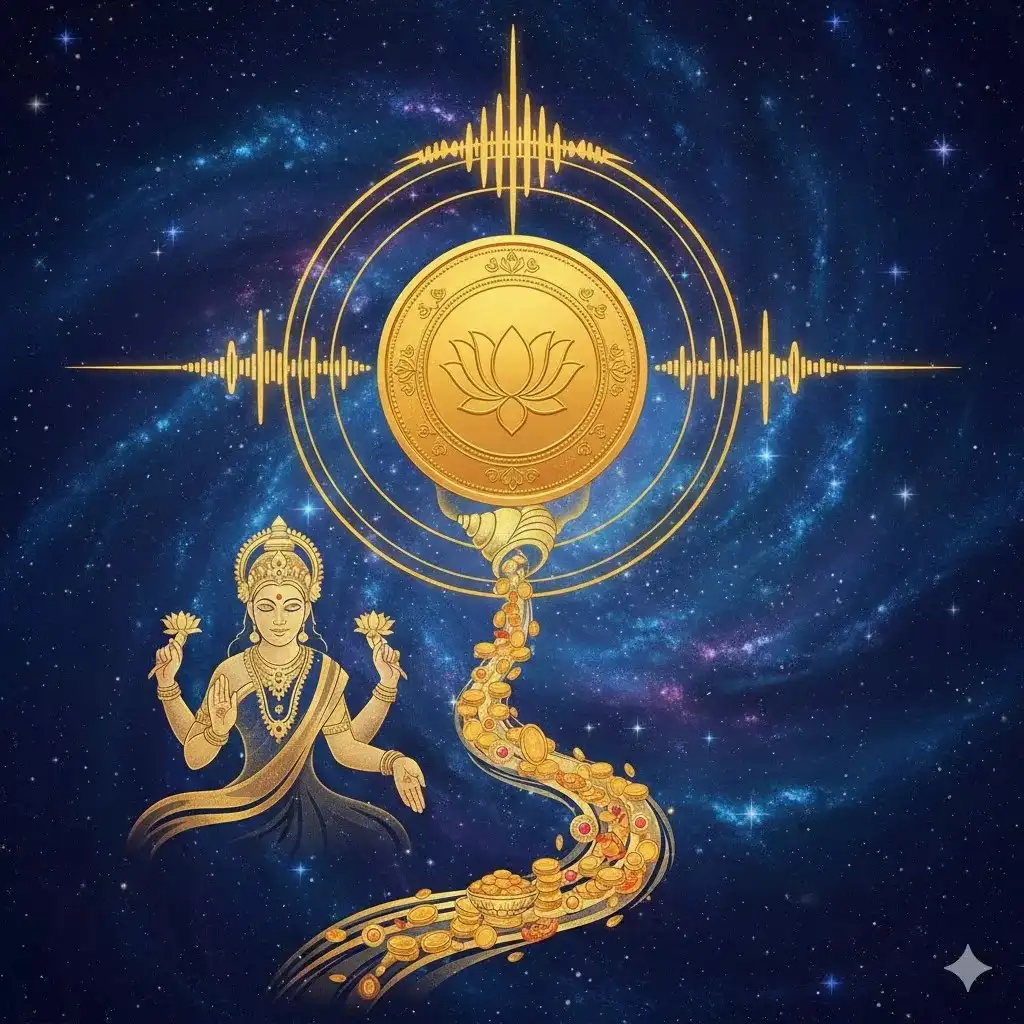
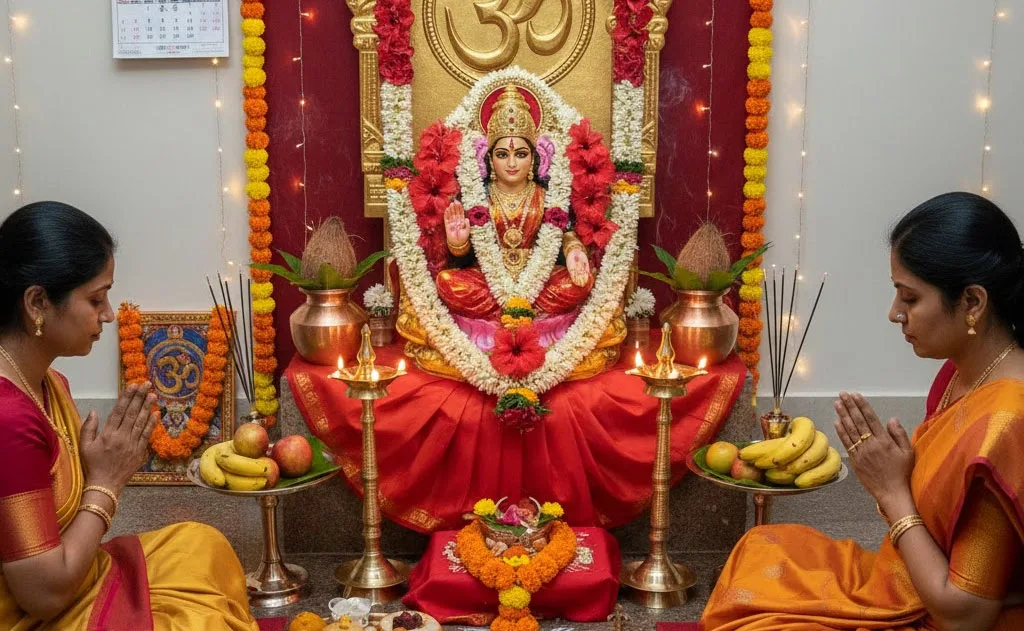
The Sri Suktam is a 15-verse Vedic hymn appended to the Rig Veda, addressed directly to Goddess Lakshmi. It is the supreme Lakshmi mantra used in Sri Vidya tantra and Vaishnava traditions. Daily recitation — especially during Diwali Lakshmi Puja, Varalakshmi Vrata, and Friday observances — is said to bring lasting prosperity.
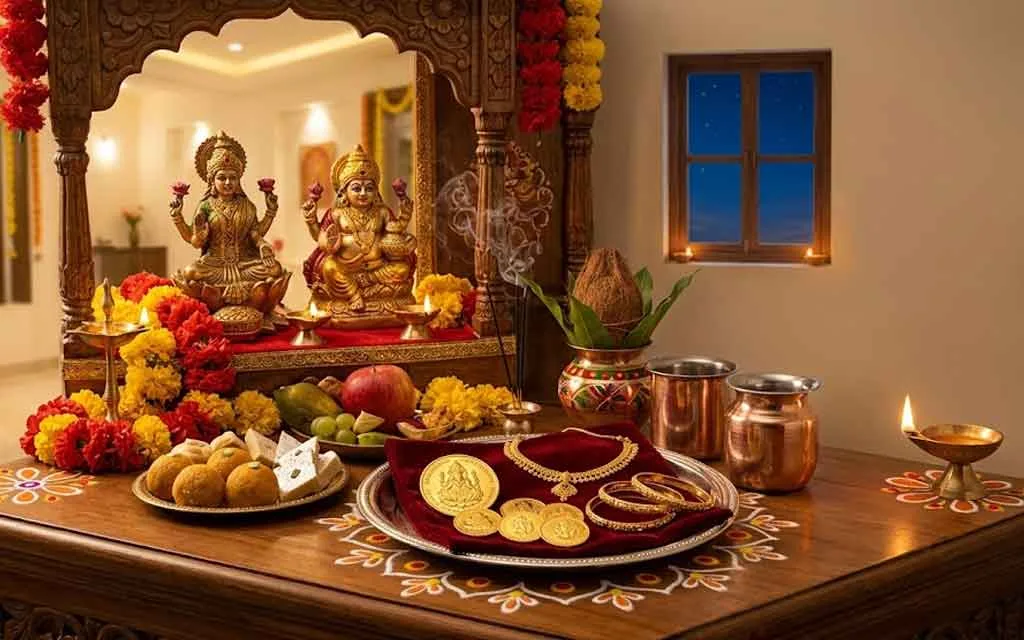
Diwali 2026 falls on Wednesday, 18 November. Lakshmi Puja muhurat (Pradosh Kaal): approximately 6:09 PM–8:46 PM IST. The most auspicious slot is the Sthir Lagna (Vrishabha) ~6:09–8:06 PM. Local panchang varies by city.
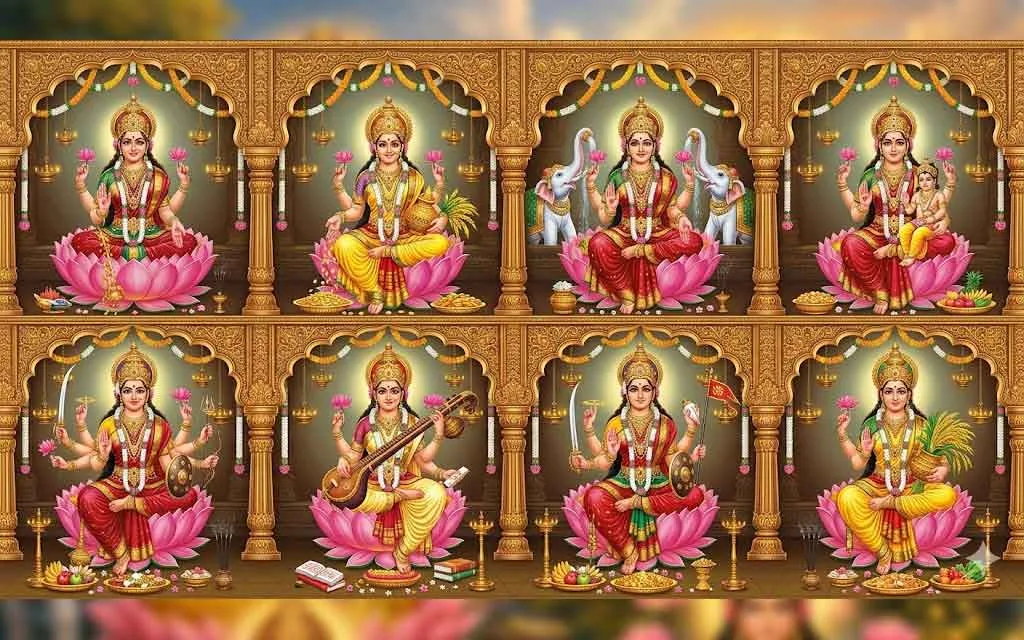
Adi Lakshmi (primordial), Dhanya Lakshmi (grain/food), Dhairya Lakshmi (courage), Gaja Lakshmi (elephants/royal power), Santana Lakshmi (progeny), Vijaya Lakshmi (victory), Vidya Lakshmi (knowledge) and Dhana Lakshmi (wealth). Each form governs a specific kind of abundance. The Ashtalakshmi stotra invokes all eight together.
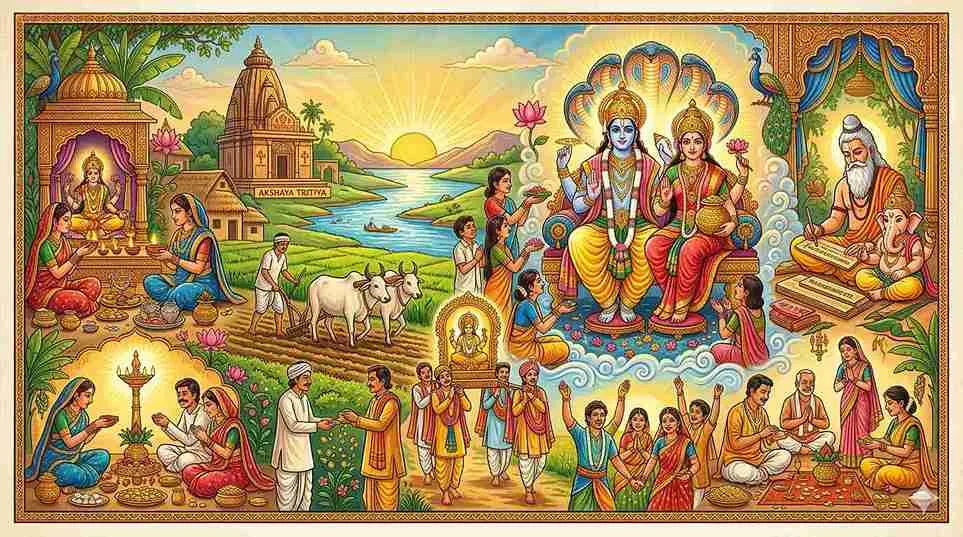
Friday (Shukravar) is Lakshmi's sacred day — particularly auspicious for Lakshmi Vrata, Varalakshmi Puja and Sri Suktam recitation. Many married women observe Friday as a partial fast day with new clothes, sweet prasadam (kheer or kesari) and evening Lakshmi worship.
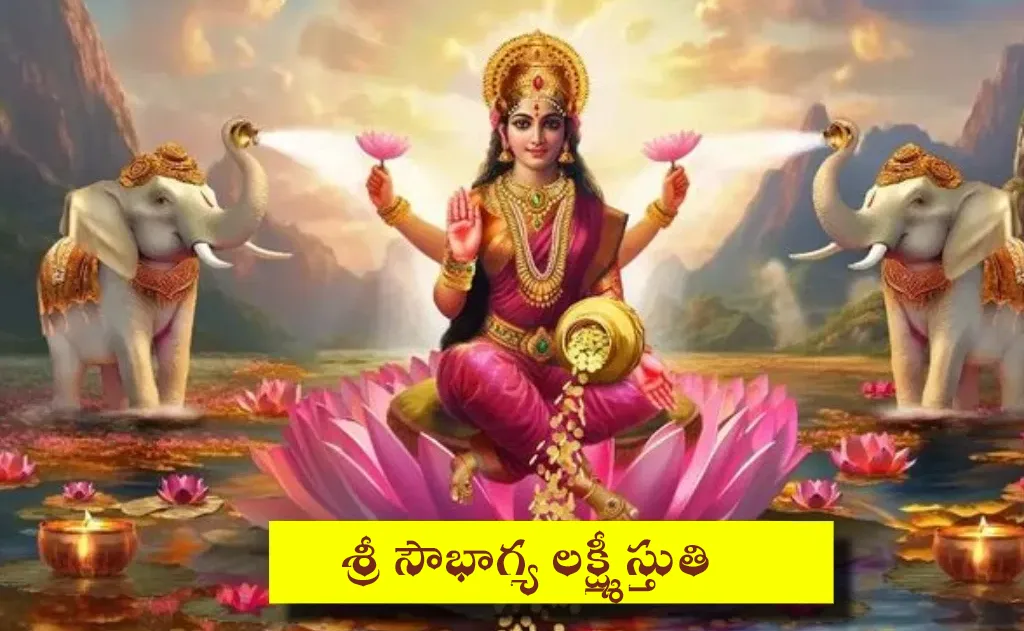
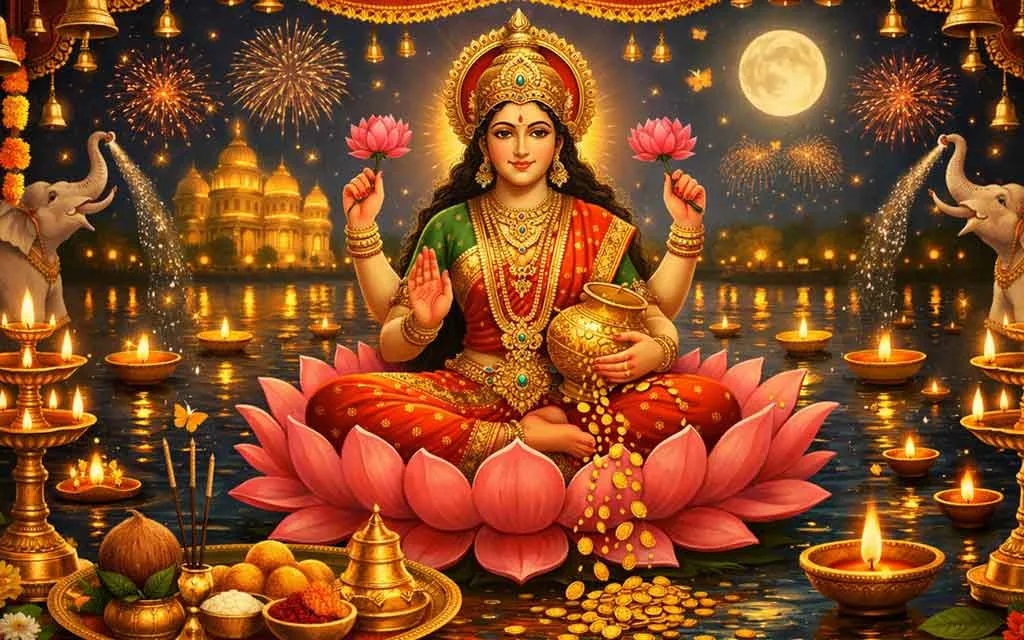
Gaja Lakshmi — the form flanked by two elephants performing abhishekam — symbolises royal power, prosperity and the unbroken flow of rains (essential for agricultural abundance). The elephants represent stability, wisdom and the dignity of fortune. This iconography is the most-popular Lakshmi murti found in Hindu temples.
