
Ugadi
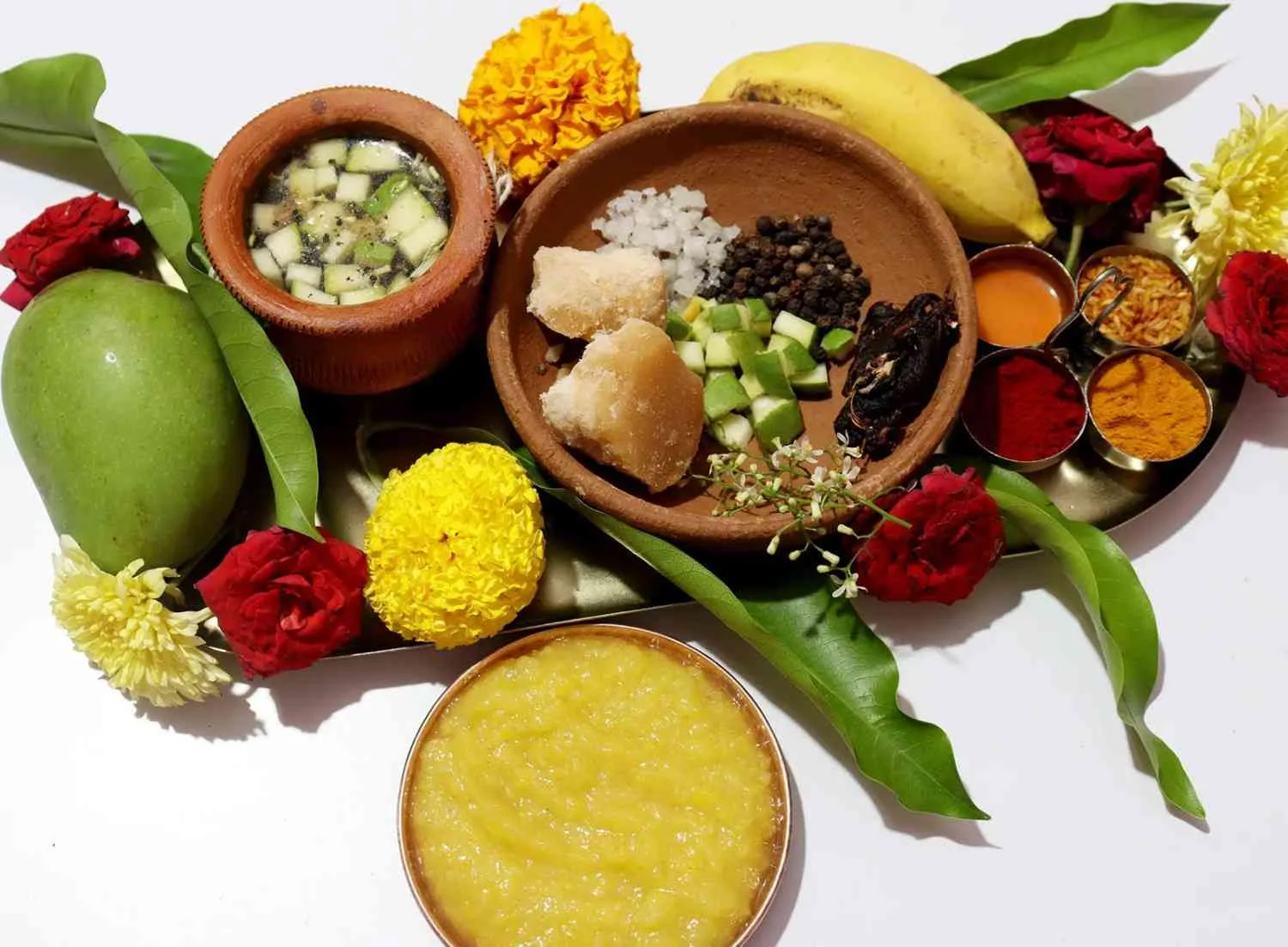
Ugadi — yuga + adi, 'beginning of the age' — is the Telugu, Kannada and Konkani New Year, falling on the first day of Chaitra Shukla Paksha. The festival marks the start of the new lunar year and the dawn of the new samvatsara (year-name) in the 60-year Telugu samvatsara cycle. Tradition holds that on this day Lord Brahma began creation, marking the new cosmic age. In Maharashtra the same day is celebrated as Gudi Padwa; in Sindhi tradition as Cheti Chand. Ugadi 2026 falls on Tuesday, 18 March, ushering in the Parabhava Nama Samvatsara (the 23rd samvatsara of the cycle). HinduTone's Ugadi hub covers the full festival cycle: the iconic Ugadi Pachadi recipe (the six-taste chutney made from raw mango, jaggery, neem flowers, tamarind, salt and green chilli — symbolising the six rasas of life), the Panchanga Sravanam where the village priest reads out the year-ahead astrological forecast for each rashi from the new panchang, home puja vidhi for the new year, the door-decoration with mango toranam, the buying of new clothes (kotta battalu) tradition, and the special foods (bobbatlu/holige, payasam, vadapappu, panakam). We cover the deeper layer: the 60 samvatsara names and their puranic meanings, what the Parabhava year traditionally signifies for the coming year's economy and weather, how Ugadi connects to the Hindu lunisolar calendar, and how the Telugu/Kannada/Marathi diaspora across the USA, Australia, UK and Singapore celebrates the festival in their adopted home countries.

Ugadi Celebrations Worldwide: Country-Wise Guide for Indian Diaspora & NRIs – 2026 Edition
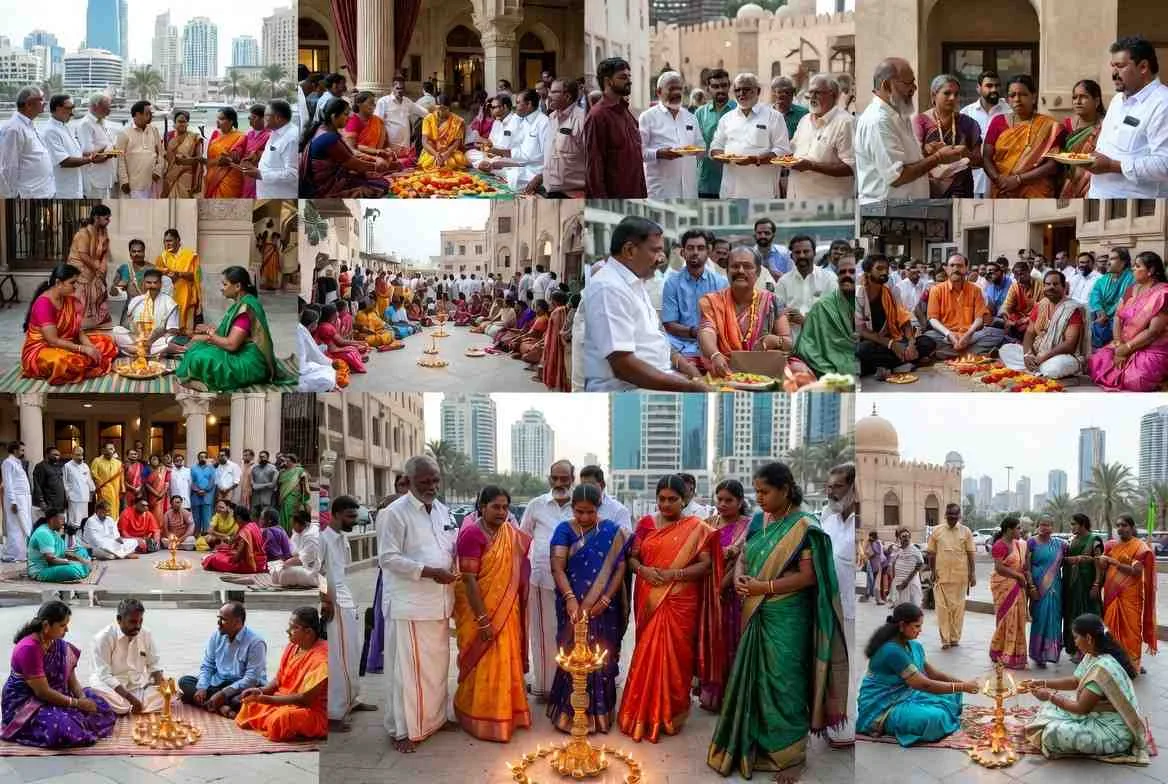
Ugadi Celebrations in South Africa: Province-Wise, City-Wise Guide for Indian Diaspora & NRIs – 2026 Edition

Ugadi Celebrations in the UAE: Emirate-Wise, City-Wise Guide for Indian Diaspora & NRIs – 2026 Edition

Ugadi Celebrations in Canada: Province-Wise, City-Wise Guide for Indian Diaspora & NRIs – 2026 Edition
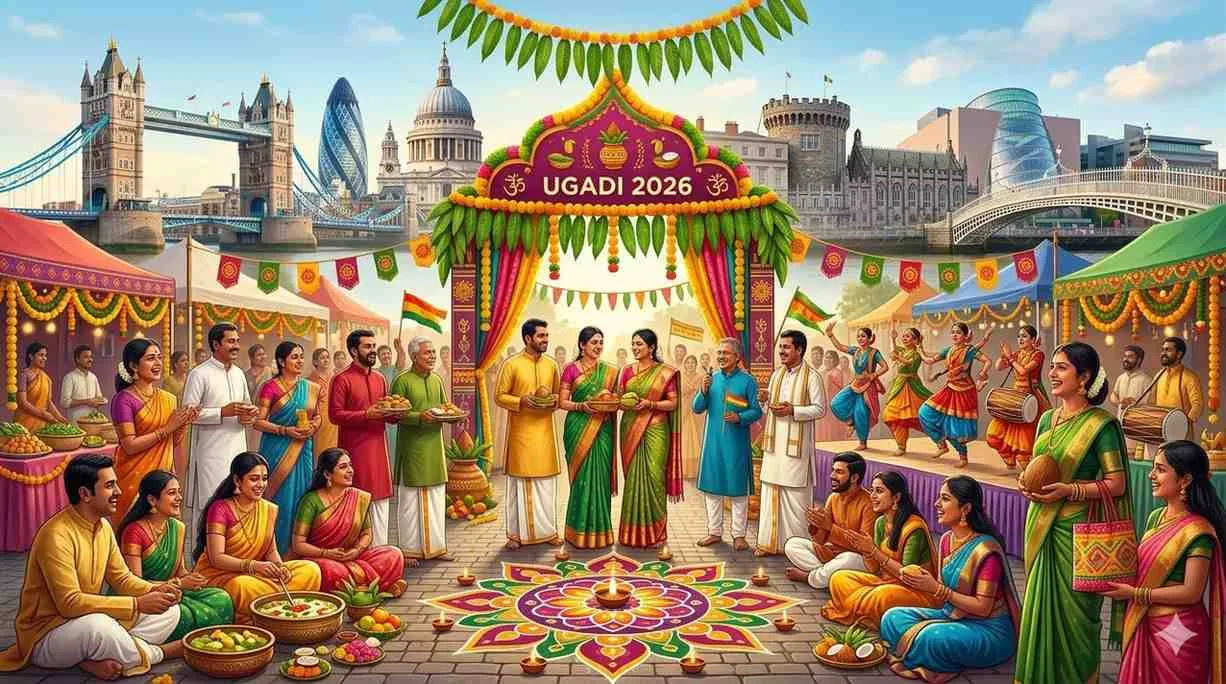
Ugadi Celebrations in the UK & Ireland: City-Wise Guide for Indian Diaspora & NRIs – 2026 Edition

Ugadi Celebrations in New Zealand: State-Wise, City-Wise Guide for Indian Diaspora & NRIs – 2026 Edition
Explore the Ugadi cluster
Ugadi Celebrations in the USA: State-Wise, City-Wise Guide for NRI Communities
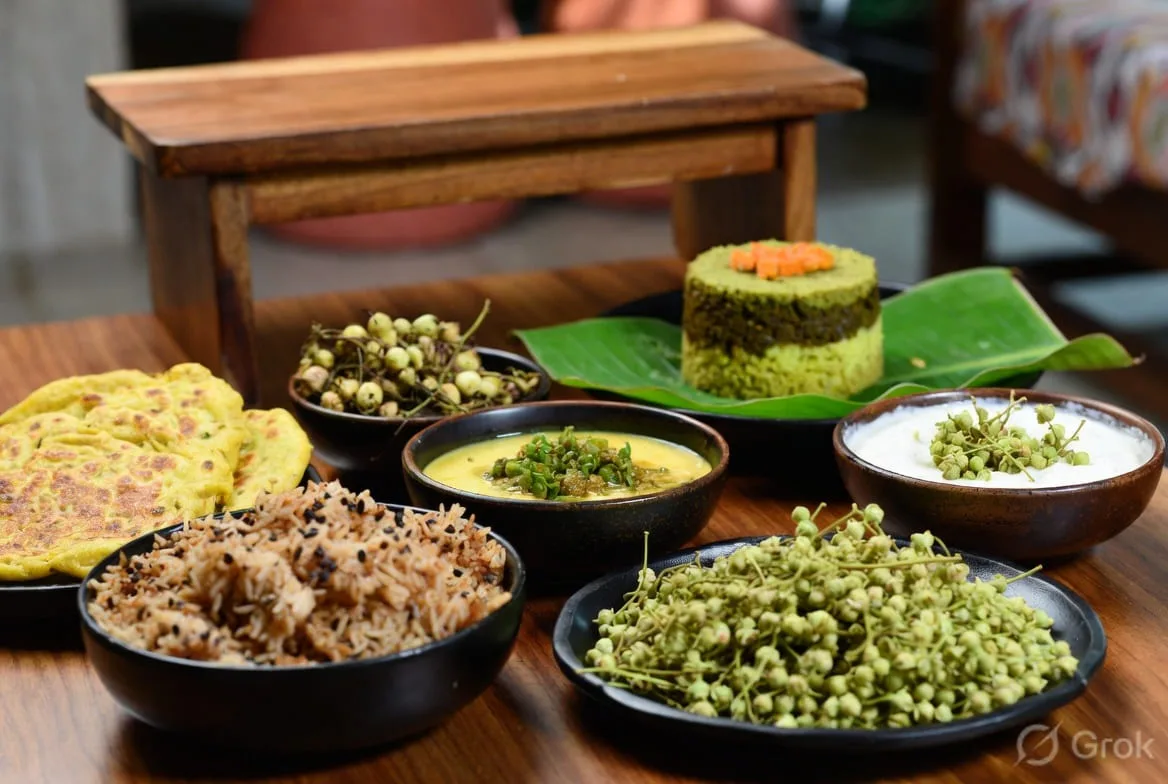
Ugadi Festival Recipes 2026 Complete Traditional Guide
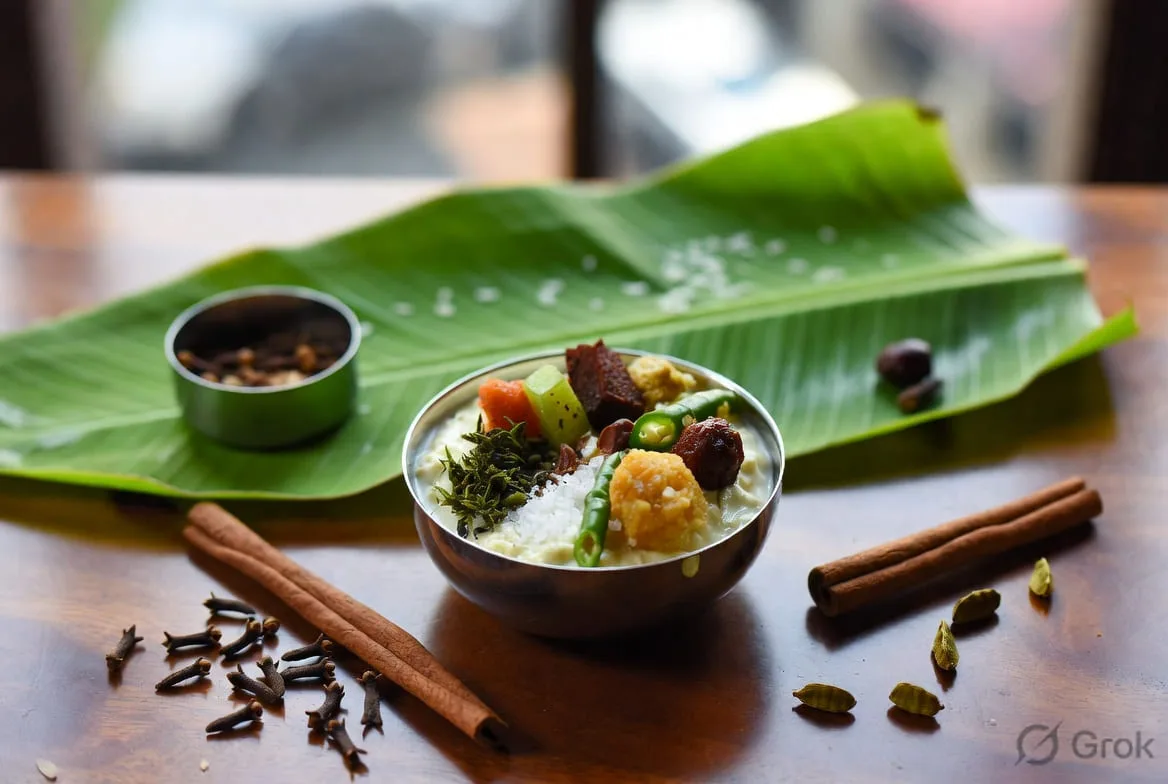
Ugadi Pachadi Recipe Its Deep Spiritual Importance

Varshafalyam 2026–2027Annual Vedic Horoscope — All 12 Rashis
Chaitra Masam Rashifal Monthly Vedic Horoscope
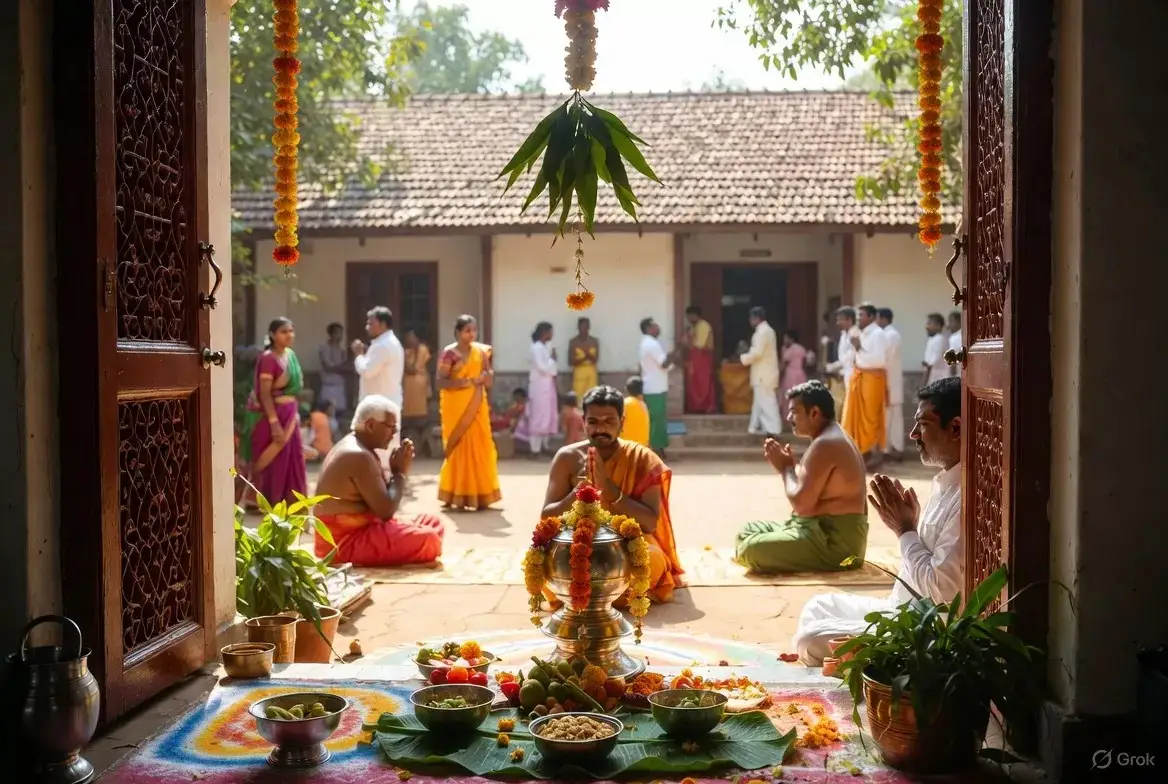
Ugadi 2026 Celebrations in India: Traditions, Rituals and Auspicious Beginnings
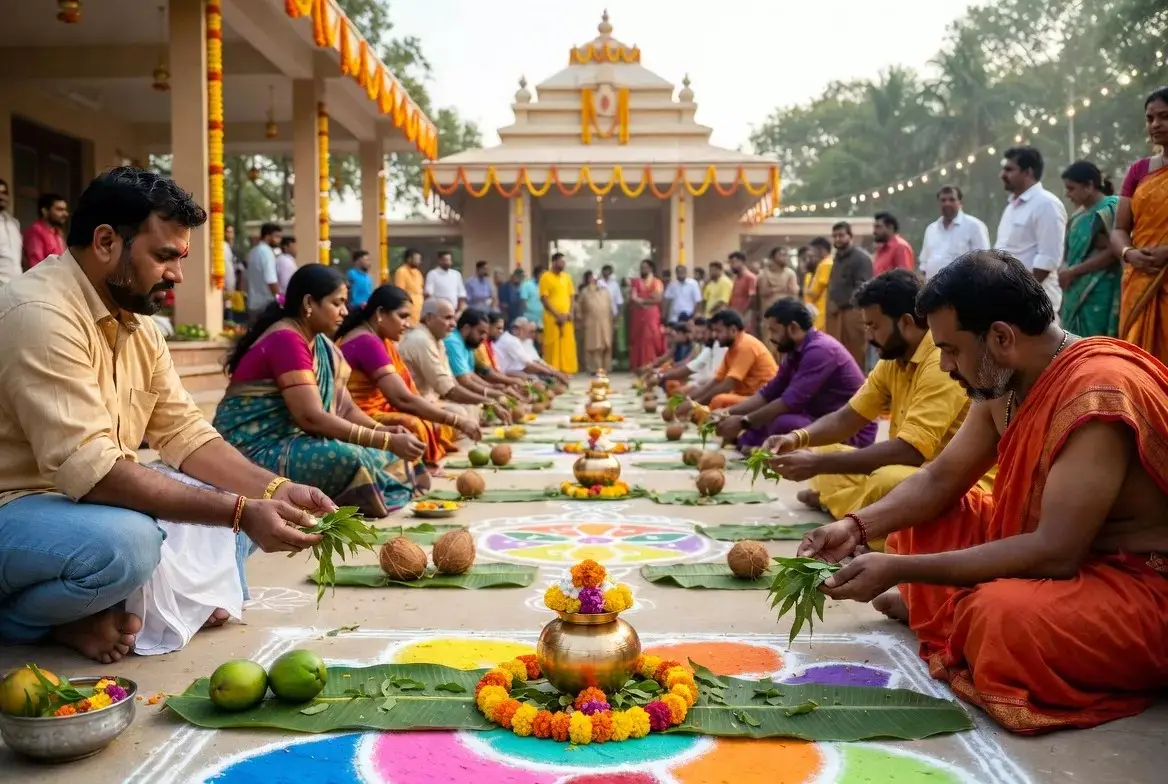
Ugadi 2026 Worldwide: Devotional Vibes of Parabhava Hindu Year Across Borders
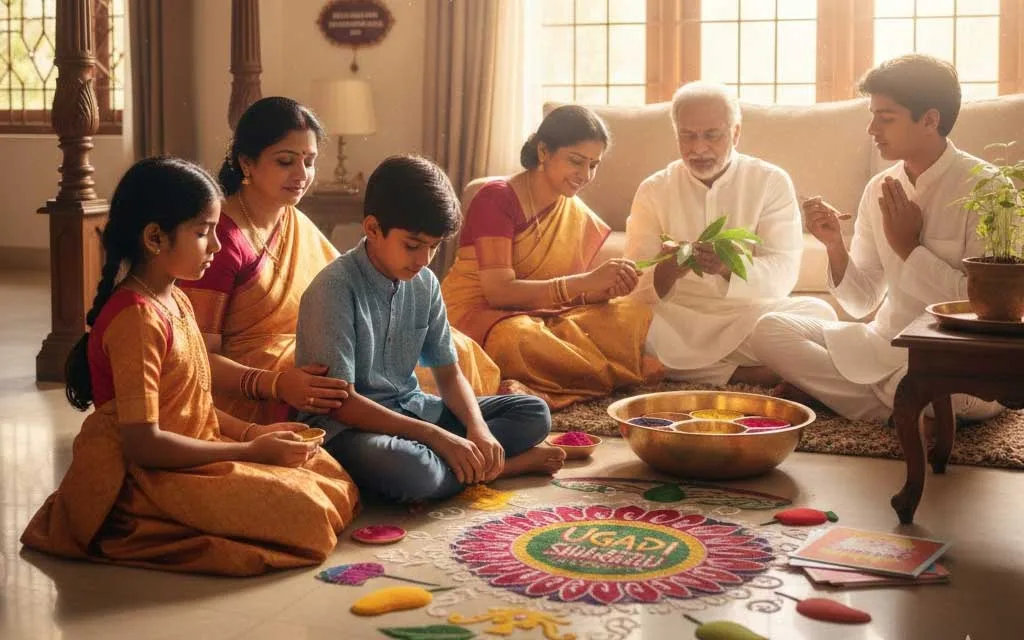
Ugadi 2026 Family Devotions: Building Bonds in Parabhava Hindu Year
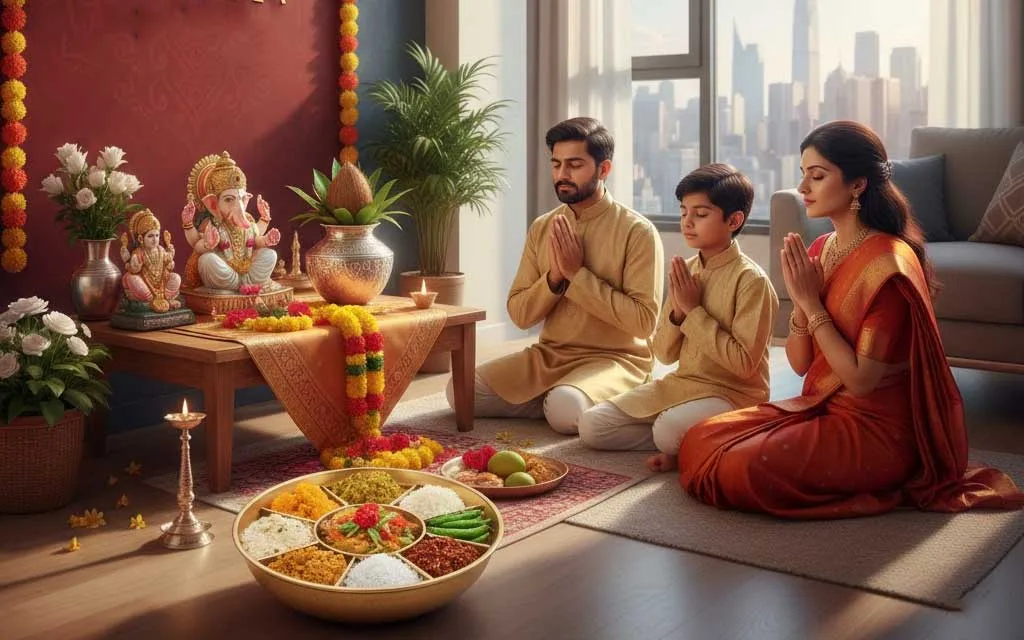
Ugadi 2026 Puja Vidhi: Step-by-Step Devotional Guide for Parabhava Hindu New Year (NRI Edition)

Devotional Ugadi Recipes 2026: Sacred Foods for Parabhava Hindu Year Blessings
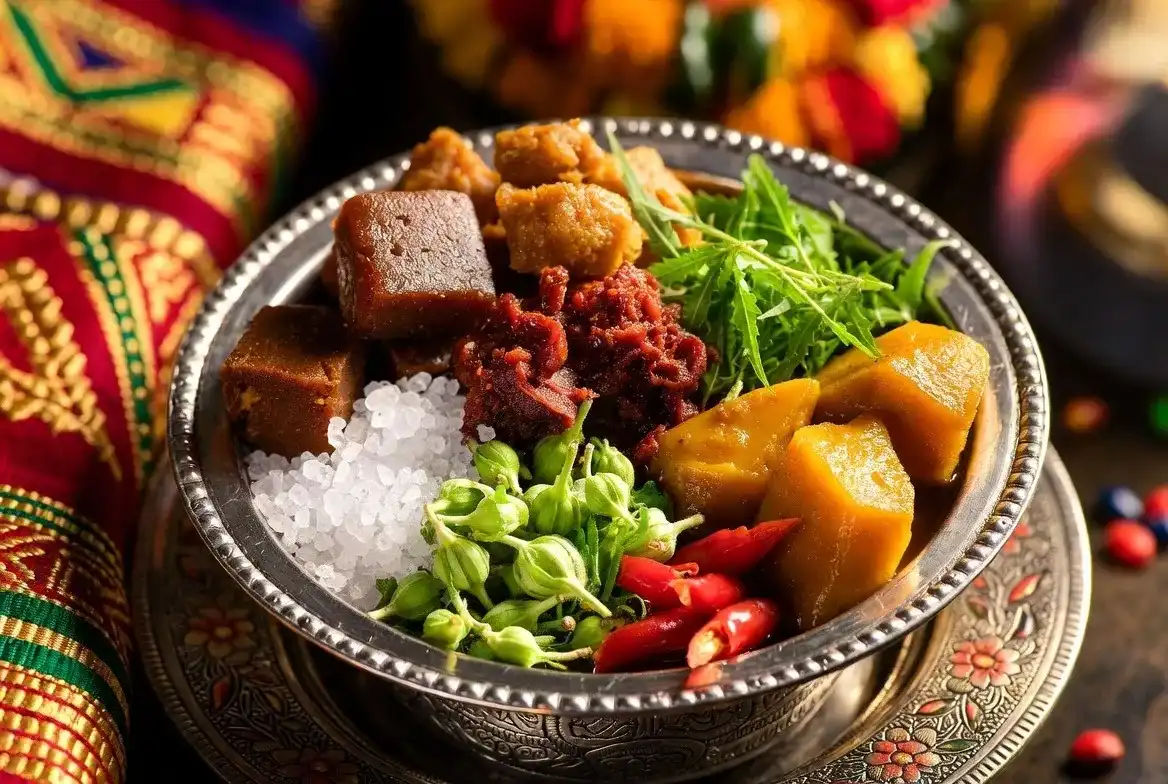
Ugadi Pachadi 2026: Sacred Six Flavors & Meaning
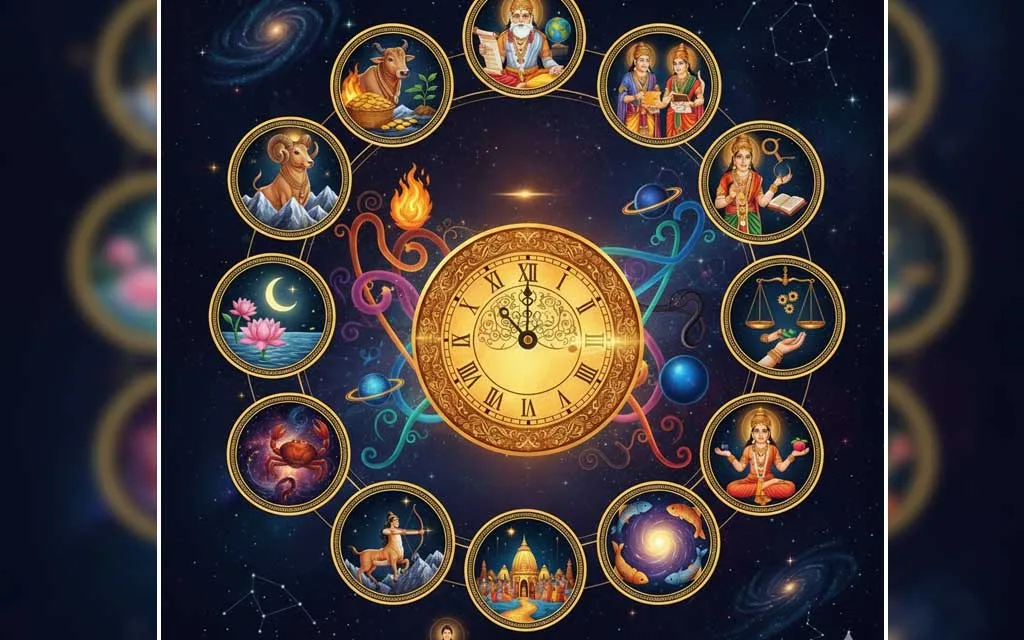
Ugadi 2026 Parabhava Year Horoscope: Vedic Astrology Forecast for All 12 Zodiac Signs (2026–2027)
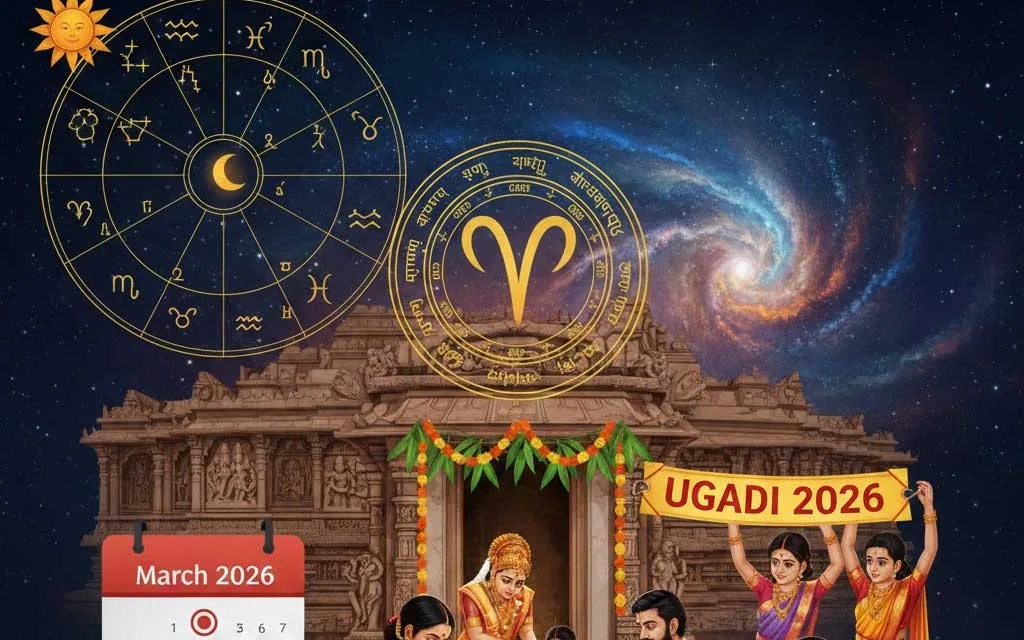
Ugadi 2026: Astrological Significance, Rituals & Why It Marks the Most Powerful New Year in Hindu Tradition
Ugadi 2026: Embracing the Spiritual Essence of Parabhava Hindu Year for Divine Growth

Women in Ugadi 2026: Devotional Leadership in Parabhava Hindu New Year
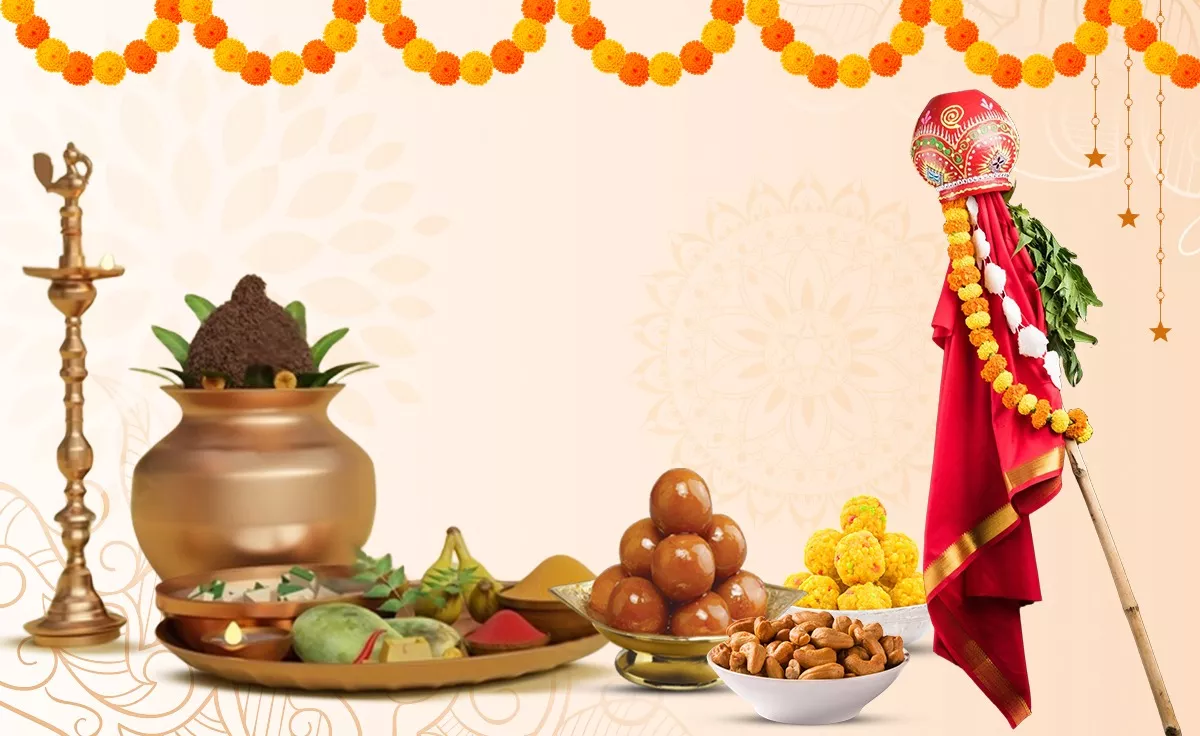
Ugadi 2026 Puja Vidhi for American Hindus: City-Wise Devotional Guide for Parabhava Hindu New Year

Powerful Mantras to Chant in Parabhava Year 2026: Spiritual Protection, Strength & Divine Grace
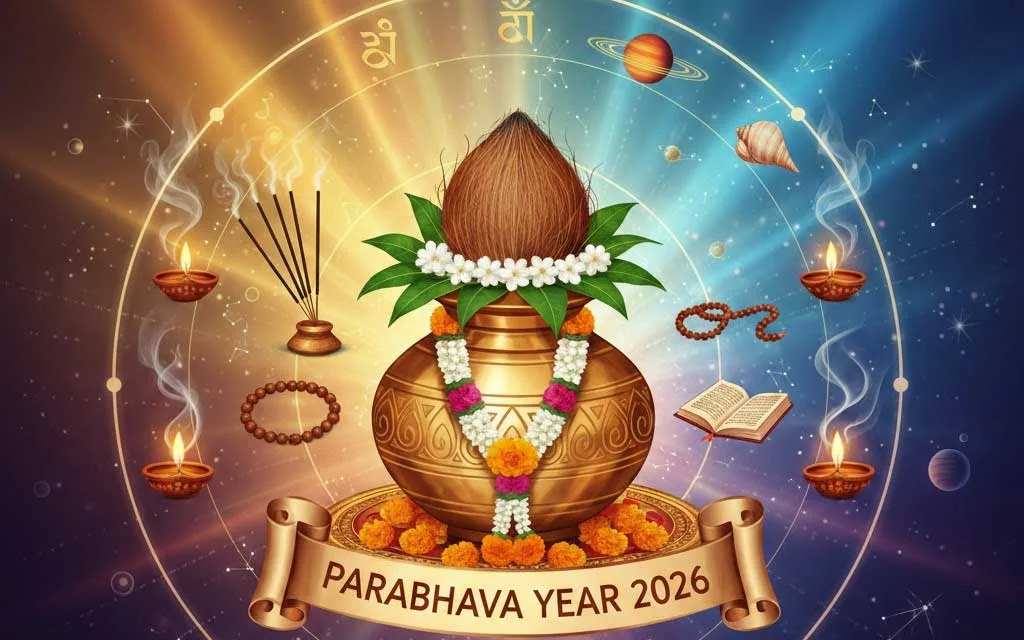
Parabhava Year Astrology 2026: Devotional Remedies for Ugadi Hindu New Year
Frequently asked questions
When is Ugadi 2026?
Ugadi 2026 fell on Thursday, 19 March. It marks the start of the Parabhava Nama Samvatsara, the 23rd year of the 60-year Telugu samvatsara cycle.
What is Ugadi Pachadi?
A six-taste chutney prepared and eaten on Ugadi morning. Ingredients: raw green mango (astringent), neem flowers (bitter), jaggery (sweet), tamarind (sour), green chilli (pungent), salt. The six rasas symbolise that the new year will bring all flavours of life and the wise devotee accepts each with equanimity.
What is Panchanga Sravanam?
The ceremonial reading of the new year's panchang (almanac) on Ugadi day. The pandit recites the rashi-by-rashi predictions for the coming year, the agricultural and weather outlook, the major festival dates, and the planetary placements. Traditionally held at temples and community gatherings.
How is Ugadi different from Gudi Padwa?
Same day, same calendar event (Chaitra Shukla Pratipada), different cultural expressions. Telugu/Kannada families celebrate as Ugadi with Pachadi and Panchanga Sravanam; Marathi families celebrate as Gudi Padwa with the Gudi flag-staff display outside the home; Sindhi families celebrate as Cheti Chand honouring their patron deity Jhulelal.
What is the Parabhava Nama Samvatsara?
The 23rd of the 60 Telugu samvatsaras, running from Ugadi on 19 March 2026 to the next Ugadi in 2027. Traditional jyotish associates the Parabhava year with reform, hidden transitions, and inner spiritual work — accompanied by selective external losses that clear the way for renewal.