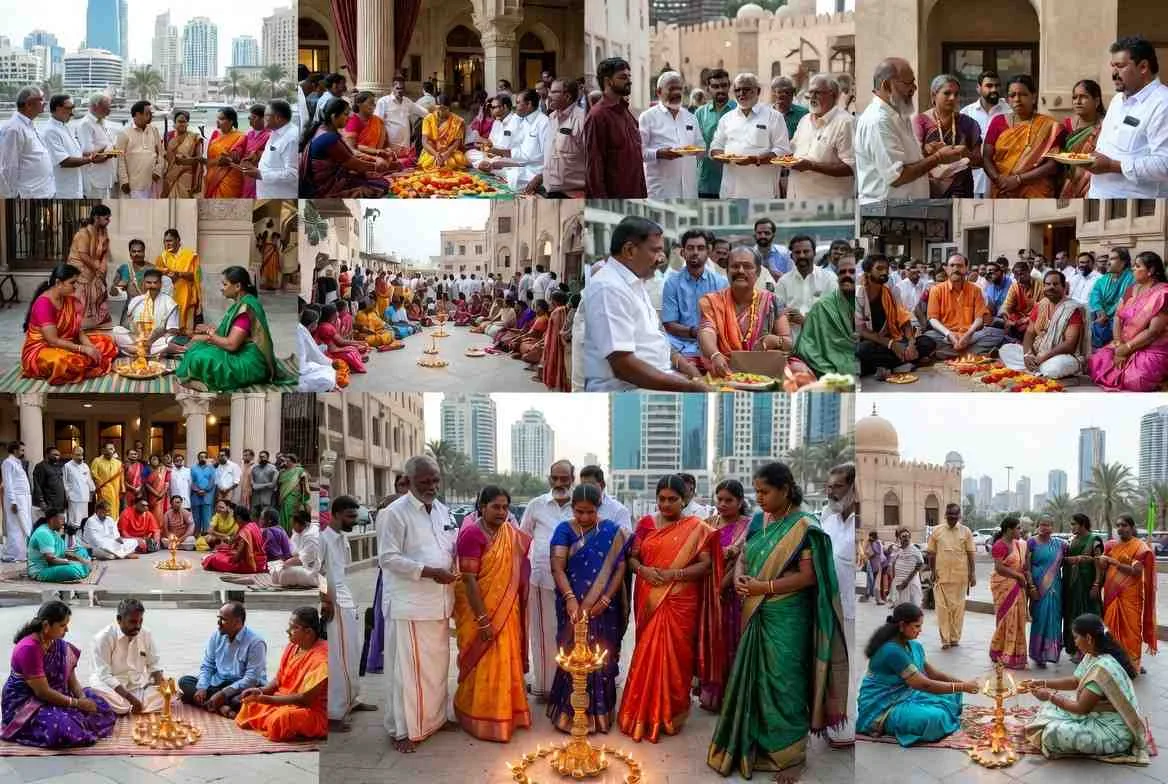
Ugadi 2026 Celebrations in India: Traditions, Rituals and Auspicious Beginnings
Ugadi 2026 Celebrations in India: Traditions, Rituals and Auspicious Beginnings Ugadi, the vibrant New Year festival celebrated predominantly in the southern…
Ugadi 2026 Celebrations in India: Traditions, Rituals and Auspicious Beginnings
Ugadi, the vibrant New Year festival celebrated predominantly in the southern states of India, marks a fresh beginning filled with devotion, hope and cultural richness. Derived from the Sanskrit words yuga (age) and adi (beginning), Ugadi literally means the start of a new era. For millions of Hindus across Andhra Pradesh, Telangana, Karnataka and parts of Maharashtra, Ugadi 2026 will be a special opportunity to reset their lives spiritually and materially, seek divine blessings and welcome prosperity into their homes.
In 2026, Ugadi will once again bring families together for sacred rituals, traditional foods and joyful celebrations that honor both ancient scriptures and living customs. Understanding the significance of Ugadi and its beautiful traditions helps us appreciate why this festival is such an important part of Hindu culture and how it continues to inspire people in modern India and around the world.
When Is Ugadi 2026 and Why Is the Date Important?
Ugadi follows the lunar calendar rather than the solar one. It is celebrated on the first day of the bright fortnight (Shukla Paksha) in the Hindu month of Chaitra, which usually falls in March or April in the Gregorian calendar. This day is considered highly auspicious because it marks the onset of spring, when nature itself seems to begin a new chapter with fresh leaves, blossoms and gentle warmth.
The exact date of Ugadi 2026 will be determined by Hindu panchangams (almanacs) based on precise astronomical calculations, taking into account the position of the moon and the sun. Devotees often consult their regional panchangam to know the best time for performing the main Ugadi puja. This attention to timing reflects the Hindu belief that aligning our actions with cosmic rhythms invites divine grace and helps new ventures flourish.
Regional Names and Variants of the Festival
While the importance of Ugadi 2026 remains consistent, the festival is known by different names across India:
- Ugadi or Yugadi in Andhra Pradesh, Telangana and Karnataka.
- Gudi Padwa in Maharashtra, which also marks the Maharashtrian New Year.
- Similar New Year celebrations like Vishu in Kerala and Puthandu in Tamil Nadu occur around the same time, though with different customs.
Despite regional variations, the spiritual message is similar: every New Year, including Ugadi 2026, is a chance to purify the mind, start new endeavors, and remember that life itself is a sacred journey guided by divine will.
Spiritual Significance of Ugadi in Hinduism
Beyond the colorful customs and delicious dishes, Ugadi carries a deep spiritual meaning rooted in Hindu scriptures and philosophy. Many traditional almanacs trace the origin of Ugadi to the beginning of the current cosmic cycle, when Lord Brahma, the Creator aspect of the Divine, is said to have commenced the creation of the universe.
New Year as a Time for Inner Renewal
Just as we clean our homes and decorate our doorways for Ugadi 2026, Hindu teachings encourage us to also cleanse our inner world. The festival is an ideal time to:
- Reflect on the past year with gratitude and honesty.
- Let go of negative habits, grudges and limiting beliefs.
- Set spiritual goals such as regular meditation, mantra japa or scripture study.
- Strengthen values like compassion, truthfulness and self-discipline.
Ugadi reminds us that every year, and indeed every moment, can be a new beginning if we approach it with sincerity and devotion.
Connection to Time, Karma and Dharma
Time (kala) holds a sacred place in Hindu thought. Festivals like Ugadi 2026 help devotees tune into the divine rhythm of time. By aligning themselves with auspicious moments, they seek to harmonize their actions (karma) with dharma, the moral and spiritual order of the universe.
Many families read the yearly panchanga sravana, a traditional forecast that outlines planetary influences, auspicious periods and cautionary notes for the year ahead. While taken with humility and faith rather than blind superstition, this practice encourages people to plan their lives thoughtfully and remember that both effort and grace shape our destiny.
Traditional Rituals and Customs of Ugadi 2026
Across South India, the main outline of Ugadi celebrations remains similar, though each region and household adds its own flavor. Let us look at some of the most cherished rituals that will mark Ugadi 2026 in India.
1. Home Cleaning and Rangoli Designs
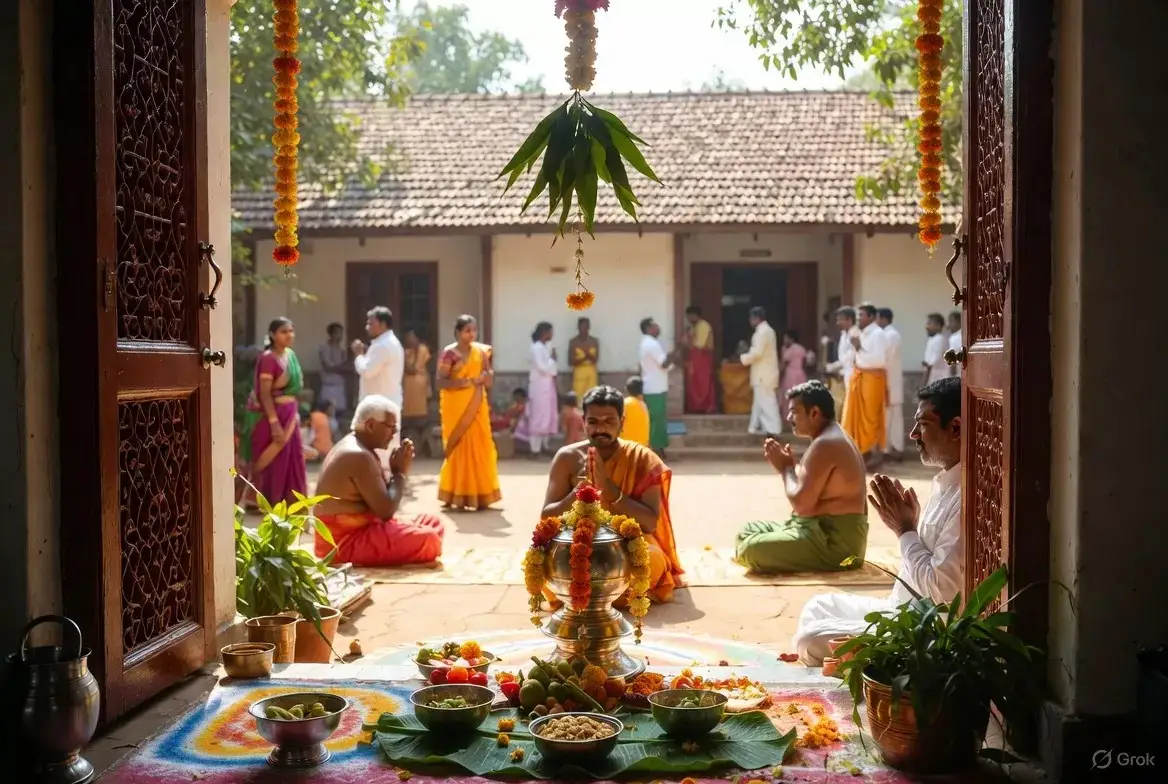
In the days leading up to Ugadi, families thoroughly clean their homes, dusting shelves, washing floors and discarding broken or unused items. This physical cleaning symbolically prepares the space for new energy and prosperity.
On Ugadi morning, colorful rangoli designs are drawn at the entrance of homes using rice flour, flower petals or colored powders. These geometric and floral patterns are not just decorative; they are believed to welcome auspiciousness, blessings and positive vibrations into the household.
2. Sacred Bath and Wearing New Clothes
On Ugadi day, devotees wake up early before sunrise, apply fragrant oils, and take a ritual bath known as mangala snanam. Wearing new or freshly washed traditional clothes is common, symbolizing inner and outer freshness.
Women often adorn themselves with flowers, especially jasmine, while men may wear dhotis or traditional kurtas. Children look forward to this aspect of Ugadi 2026, as it brings the delightful feeling of a festival and the excitement of new outfits.
3. Doorway Decorations with Mango Leaves
One of the most distinctive sights during Ugadi is the decoration of doors and entrances with strings of fresh mango leaves, called toranas. Mango leaves symbolize auspiciousness, fertility and prosperity in Hindu culture. Their vibrant green color also echoes the freshness of spring.
In many households, neem leaves and flowers are also used as part of the decorations, hinting at the important role they will play in Ugadi cuisine and symbolism.
4. Ugadi Puja and Panchanga Sravanam
Families perform a special Ugadi puja at home or visit temples dedicated to deities like Lord Vishnu, Lord Rama or Lord Shiva. The puja usually includes offerings of flowers, fruits, coconuts and sweets, along with the recitation of prayers and sacred mantras.
After the puja, a respected elder or priest may perform panchanga sravanam—reading aloud key highlights from the annual almanac. For Ugadi 2026, this reading will cover the general outlook for the year, favorable periods and guidance for different zodiac signs. While not taken as absolute predictions, these readings help devotees approach the year with awareness and faith.
The Symbolic Ugadi 2026 Dish: Bevu-Bella or Ugadi Pachadi
No description of Ugadi celebrations is complete without mentioning the famous dish that perfectly captures the philosophy of the festival. In Karnataka it is known as bevu-bella (neem and jaggery), while in Andhra Pradesh and Telangana it is called Ugadi pachadi.
Ingredients and Their Deep Meanings
Ugadi pachadi is a unique mixture that traditionally contains six tastes, representing the different flavors of life:
- Neem flowers or leaves – bitter, symbolizing sorrow and difficulties.
- Jaggery – sweet, symbolizing joy, love and happiness.
- Tamarind – sour, representing challenges and unexpected turns.
- Green chili or pepper – spicy, indicating anger, excitement and energy.
- Salt – essential, symbolizing basic needs and responsibilities.
- Raw mango – tangy, reflecting surprises and new opportunities.
When families in India taste this mixture on Ugadi 2026, they are reminded that the New Year, like life itself, will include all kinds of experiences. The wisdom of Hinduism encourages us to accept each flavor with equanimity, knowing that every experience ultimately helps our spiritual growth.
Ugadi 2026 Celebrations in Different Parts of India
Though the essence of Ugadi is shared, the way it is celebrated can vary between regions and communities. Let us explore how Ugadi 2026 will likely be observed across different states.
Ugadi in Andhra Pradesh and Telangana
In Andhra Pradesh and Telangana, Ugadi is one of the most important festivals of the year. Homes are decorated beautifully, and people greet each other with wishes for a prosperous New Year. Devotees visit temples early in the morning, often starting the day by listening to devotional songs or discourses about the spiritual meaning of Ugadi.
Traditional dishes such as pulihora (tamarind rice), bobbatlu or puran poli (sweet stuffed flatbreads) and a variety of festive curries are prepared and shared with family and friends. Cultural programs, music performances and storytelling sessions about Lord Rama, Lord Krishna and regional deities may be organized in communities.
Yugadi in Karnataka
In Karnataka, the festival is known as Yugadi. People apply oil to their heads, take a ritual bath and wear new clothes before offering prayers. Bevu-bella is distributed among family members, symbolizing the acceptance of all aspects of life in the year ahead.
Many Kannadigas take time on Yugadi 2026 to visit temples, read the new panchanga and spend the day in the company of loved ones. Traditional dishes like holige (a type of puran poli), kosambari (salad), and special sweets are part of the celebratory meal.
Connection to Gudi Padwa in Maharashtra
While not called Ugadi, the Maharashtrian New Year festival Gudi Padwa falls on the same day and shares a similar spirit. Families erect a gudi, a decorated pole with a bright silk cloth and pot, outside their homes as a symbol of victory and auspiciousness.
Together, Ugadi and Gudi Padwa celebrations across India during 2026 will mark a unified sense of renewal, devotion and cultural pride.
Modern Ways of Celebrating Ugadi 2026
As lifestyles change, many people are finding creative ways to honor the importance of Ugadi 2026 while balancing busy schedules and urban living. Even those living away from their home states or abroad continue to cherish Ugadi as a powerful connection to their roots.
Online Pujas and Virtual Family Gatherings
With the growth of technology, devotees who cannot visit temples physically may participate in live-streamed Ugadi pujas. Families spread across cities or countries often connect via video calls to share Ugadi wishes, show their decorated homes and even eat Ugadi pachadi together virtually.
This blend of tradition and technology shows how Hindu festivals like Ugadi continue to adapt while preserving their spiritual core.
Charity and Community Service
Many devotees view Ugadi 2026 as an ideal time to practice seva—selfless service. Donating food, clothes or funds to those in need, supporting temples, or participating in community service projects are powerful ways to express gratitude and share the blessings of the New Year.
Personal Sankalpas and Spiritual Resolutions
Along with material goals, Ugadi encourages people to take spiritual resolutions. These might include:
- Setting aside time each day for meditation, mantra chanting or prayer.
- Reading sacred texts such as the Bhagavad Gita, Ramayana or Upanishads.
- Practicing kindness in speech and action.
- Maintaining a gratitude journal to remember daily blessings.
By taking such sankalpas on Ugadi 2026, devotees aim to make the coming year not only successful but also spiritually meaningful.
Conclusion: Welcoming Ugadi 2026 with Faith and Joy
Ugadi 2026 celebrations in India will once again remind devotees that every New Year is a sacred opportunity to begin anew. Through rituals like cleaning the home, performing puja, tasting the symbolic Ugadi pachadi and spending time with loved ones, Hindus honor both the joys and challenges of life as gifts from the Divine.
Whether you celebrate in a bustling South Indian city, a quiet village, or a distant country, the essence of Ugadi remains the same: to welcome the New Year with a heart full of gratitude, a mind open to growth and a spirit anchored in faith. By understanding the rich traditions and deep spiritual meaning of Ugadi, we can step into the year ahead with clarity, courage and devotion.
As Ugadi 2026 dawns, may it bring auspicious beginnings, inner peace and abundant blessings to you and your family.
Frequently Asked Questions
When is Ugadi 2026 celebrated?
Ugadi falls on the first day of Shukla Paksha in the Hindu month of Chaitra, usually in March or April. The exact date comes from the regional panchangam, which devotees consult for the best puja time.
What are the six tastes in Ugadi pachadi?
Ugadi pachadi combines neem (bitter), jaggery (sweet), tamarind (sour), green chili or pepper (spicy), salt and raw mango (tangy). Together they symbolise sorrow, joy, challenges, anger, needs and surprises in the year ahead.
What rituals are performed on Ugadi morning?
Families draw rangoli at the entrance, take a ritual oil bath called mangala snanam before sunrise and wear new clothes. They hang mango leaf toranas on doorways and perform a puja with flowers, fruits, coconuts and sweets.
What is panchanga sravanam on Ugadi?
Panchanga sravanam is the reading aloud of the annual almanac by an elder or priest after the puja. It covers the general outlook for the year, favorable periods and guidance for zodiac signs, and is taken with faith rather than as absolute prediction.
What is Ugadi called in other states?
Ugadi or Yugadi is the name in Andhra Pradesh, Telangana and Karnataka, while Maharashtra celebrates Gudi Padwa. Vishu in Kerala and Puthandu in Tamil Nadu fall around the same time with different customs.
Share this with family and friends
Send it on WhatsApp, post it, or copy the link.
More from Ugadi
- Ugadi Celebrations Worldwide: Country-Wise Guide for Indian Diaspora & NRIs – 2026 Edition
- Ugadi Celebrations in New Zealand: State-Wise, City-Wise Guide for Indian Diaspora & NRIs – 2026 Edition
- Ugadi Celebrations in the USA: State-Wise, City-Wise Guide for NRI Communities
- Ugadi Festival Recipes 2026 Complete Traditional Guide
- Ugadi Pachadi Recipe Its Deep Spiritual Importance
You might also like

Ugadi Celebrations in the UAE: Emirate-Wise, City-Wise Guide for Indian Diaspora & NRIs – 2026 Edition

Ugadi Celebrations in the UK & Ireland: City-Wise Guide for Indian Diaspora & NRIs – 2026 Edition

Ugadi Celebrations in Canada: Province-Wise, City-Wise Guide for Indian Diaspora & NRIs – 2026 Edition