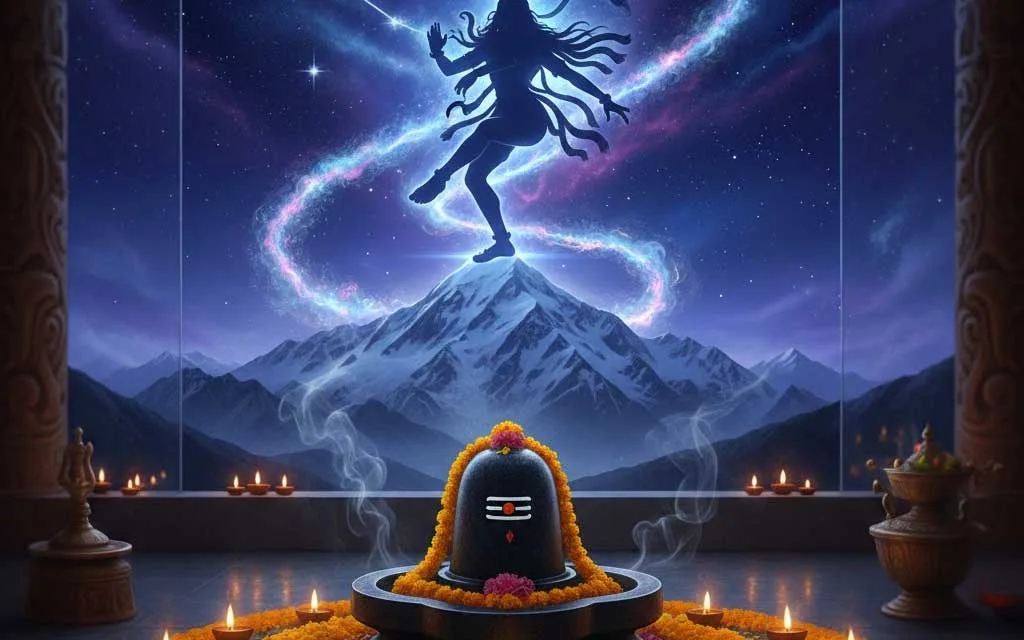
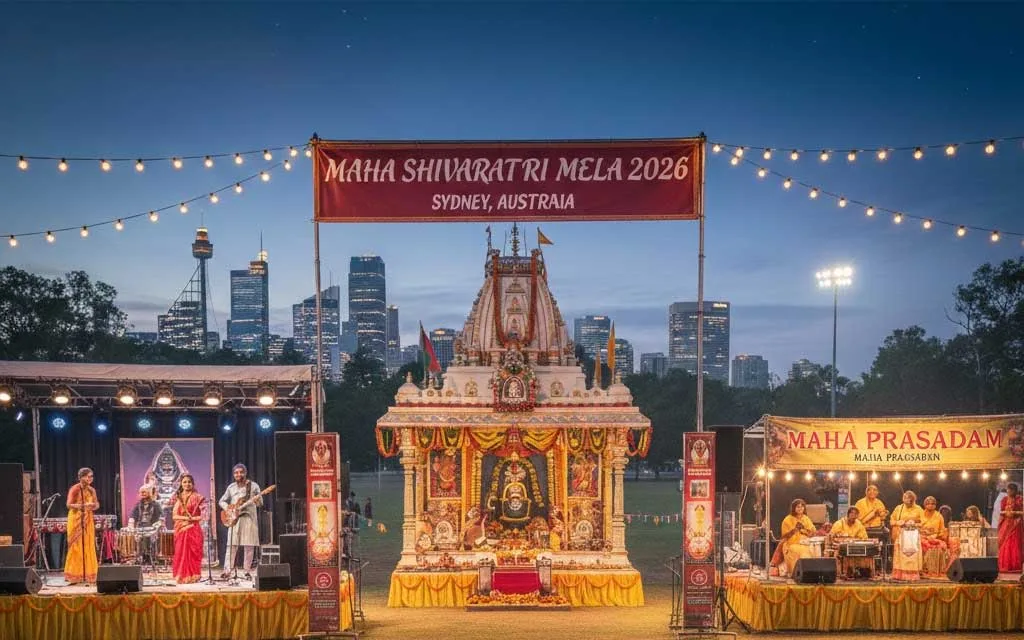
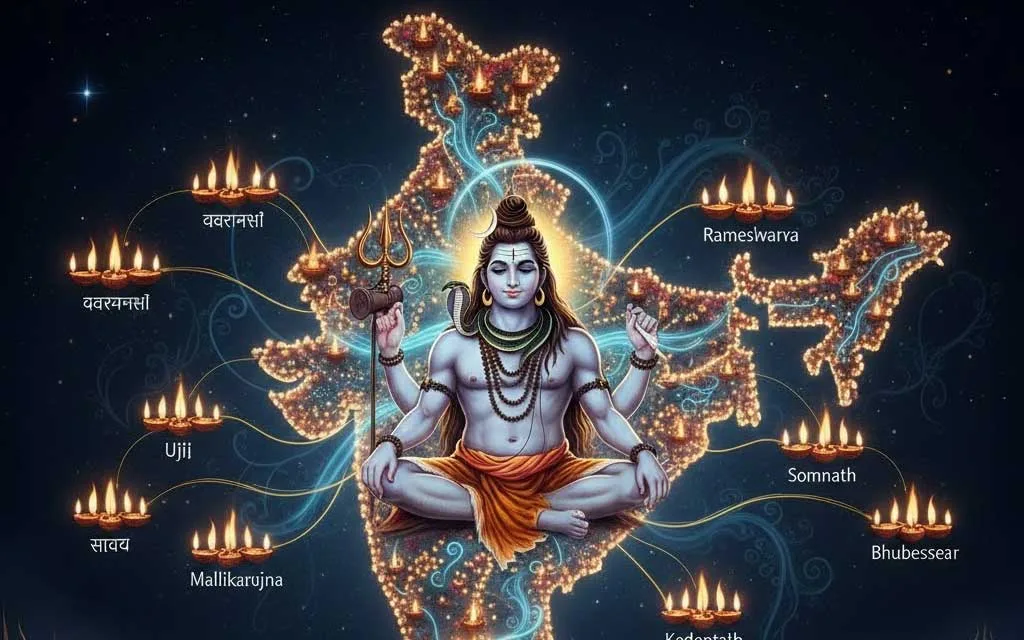
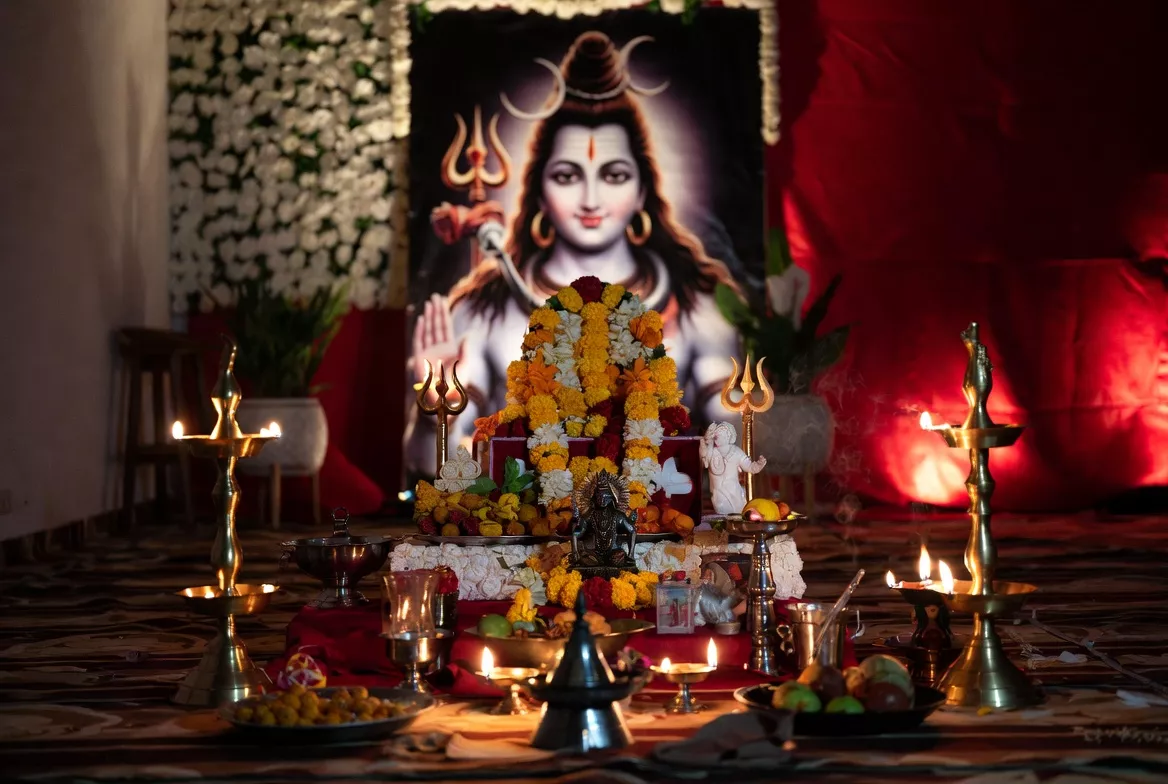
Maha Shivaratri — 'the Great Night of Shiva' — is the most powerful Shiva-centric festival in the Hindu calendar, observed on the Chaturdashi (14th tithi) of Krishna Paksha in Magha or Phalguna month. Tradition holds it commemorates several cosmic events: the night Lord Shiva first manifested as the Lingam (Lingodbhava), the night of his cosmic Tandava dance, and the night Shiva drank the Halahala poison emerging from the Samudra Manthan to save the cosmos. Unlike most Hindu festivals which celebrate during day, Maha Shivaratri is observed through the night — devotees stay awake (jagaran), fast, and perform four prahar pujas as Shiva moves through the four watches of the night. Maha Shivaratri 2026 falls on Sunday, 15 February. HinduTone's Maha Shivaratri hub covers the full observance: the four prahar puja vidhi with each prahar's specific abhishekam ingredient (milk, curd, ghee, honey-sugarcane), the Rudrabhishekam ritual when performed at home or temple, the Mahamrityunjaya Mantra chanting count for the night, the jagaran rules (what to eat, how to stay awake, what not to do), the fasting regulations (nirjala or with fruits), the temples renowned for the most powerful Maha Shivaratri darshan (Kashi Vishwanath, Mahakaleshwar, Srikalahasti, Tiruvannamalai, Kedarnath in winter-form), and the deep symbolic meaning of each ritual element. We also cover the regional and global picture — Maha Shivaratri in the 12 Jyotirlingas, the Linga-bhairavi tradition at Isha Foundation, the European and American Maha Shivaratri night-vigils organised by ISKCON, Chinmaya Mission and Hindu temples worldwide.


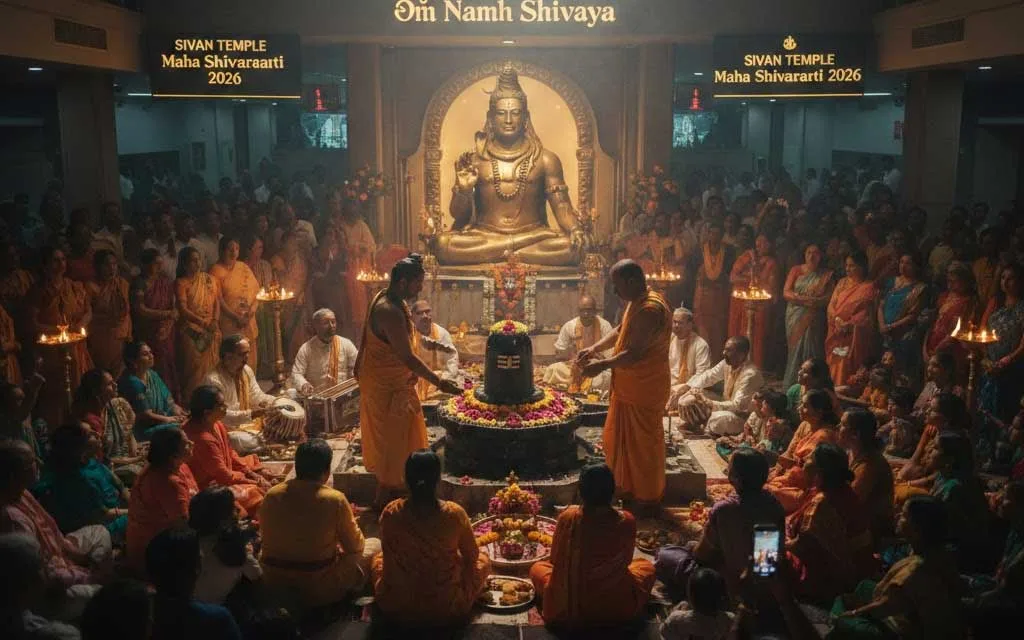
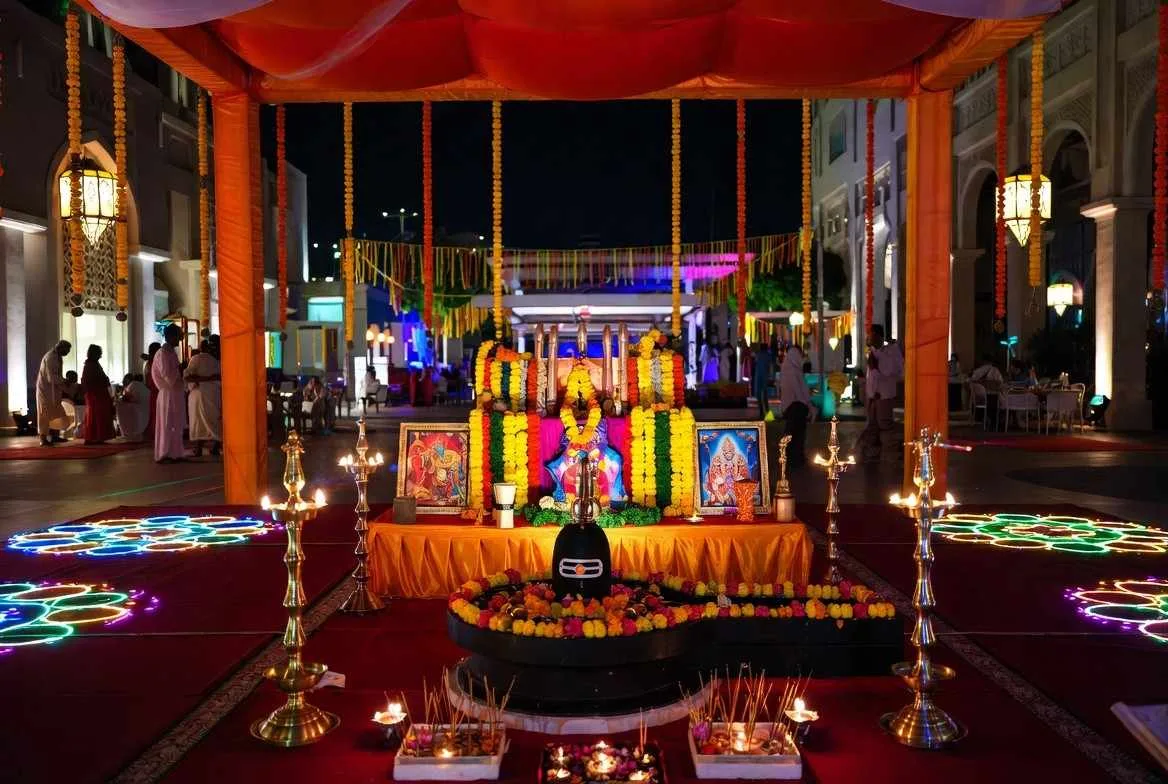
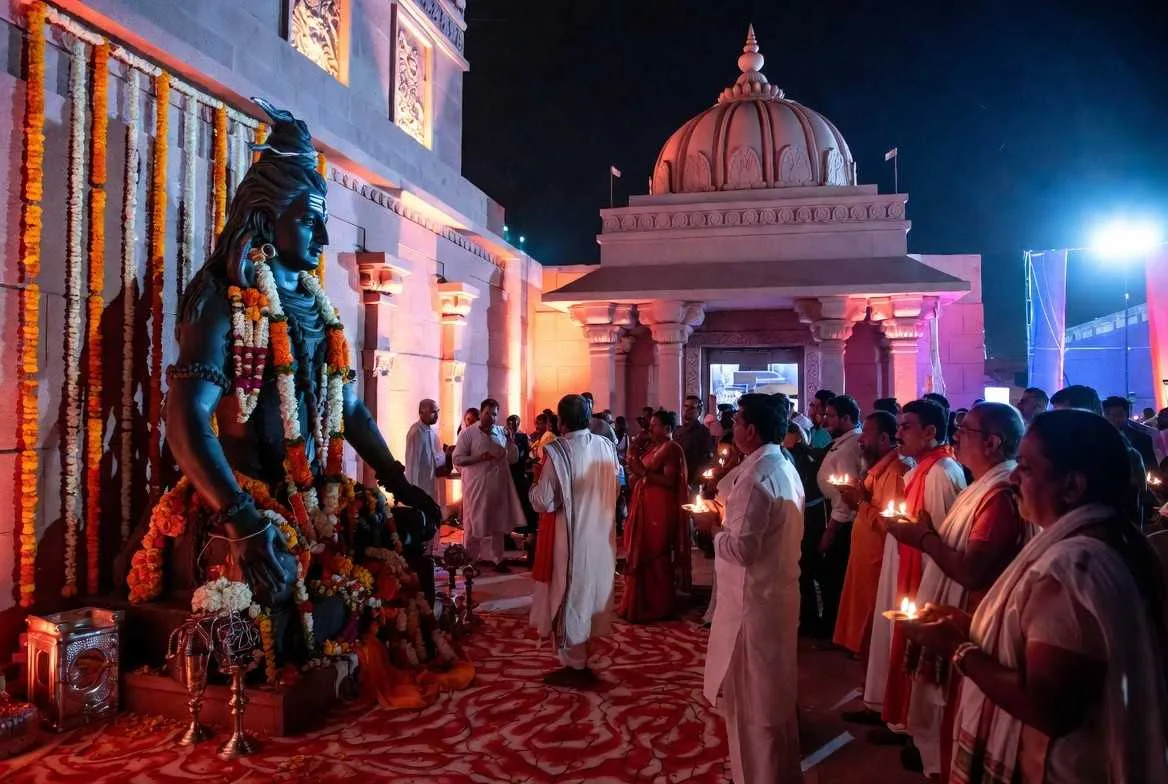
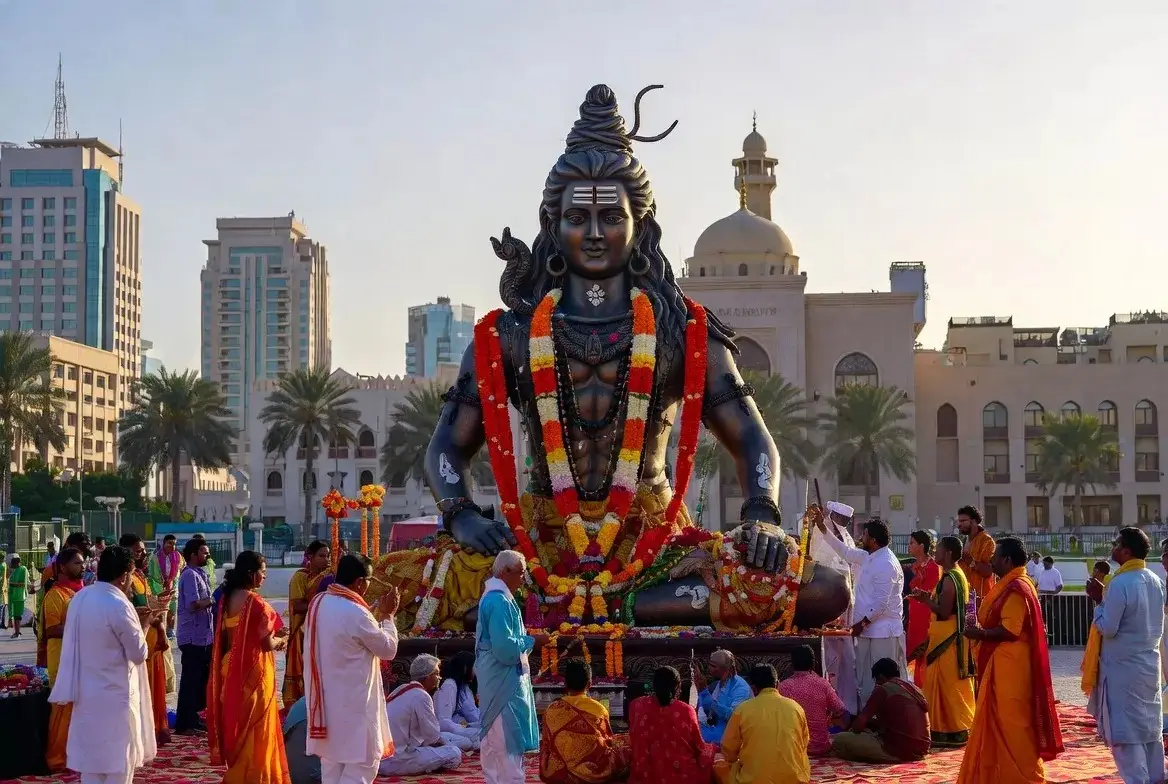
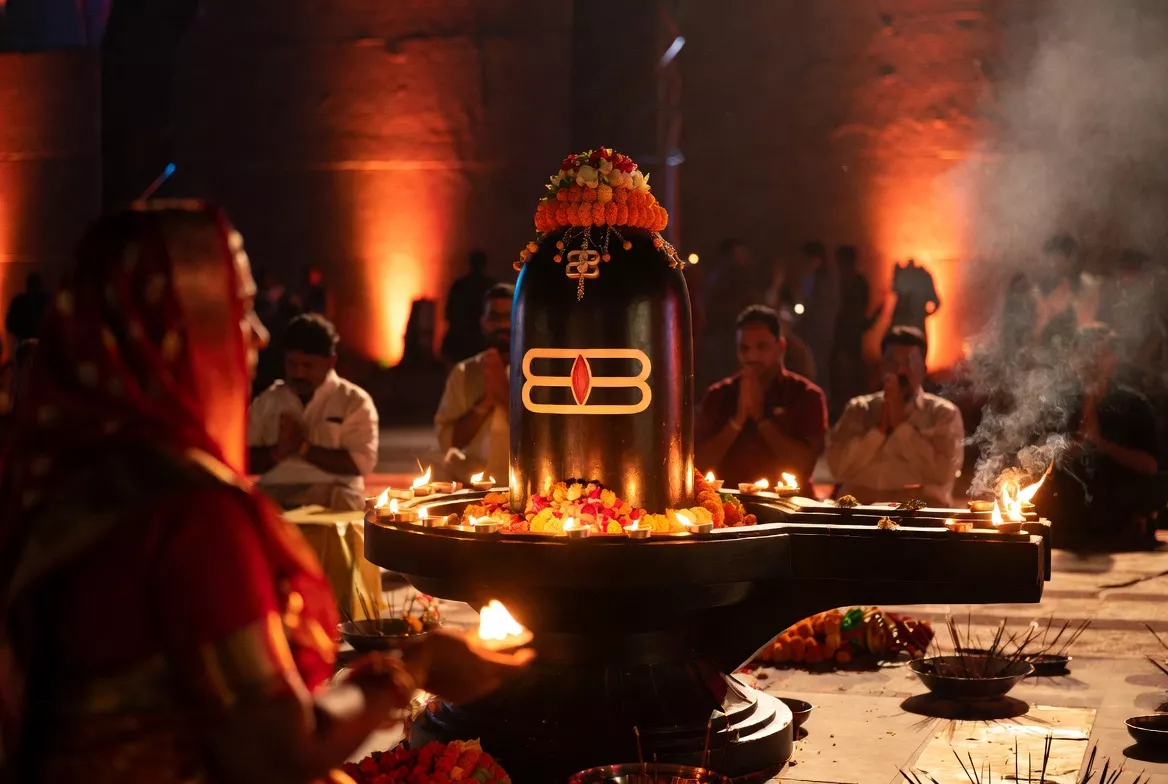
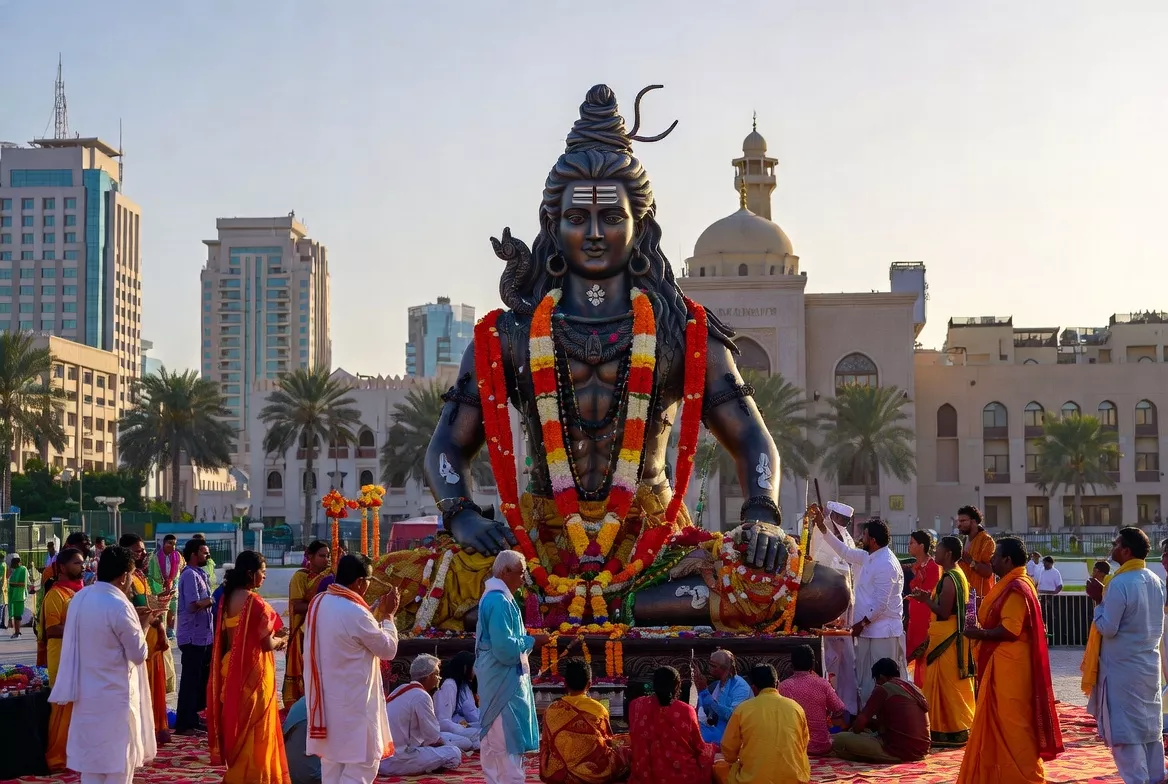
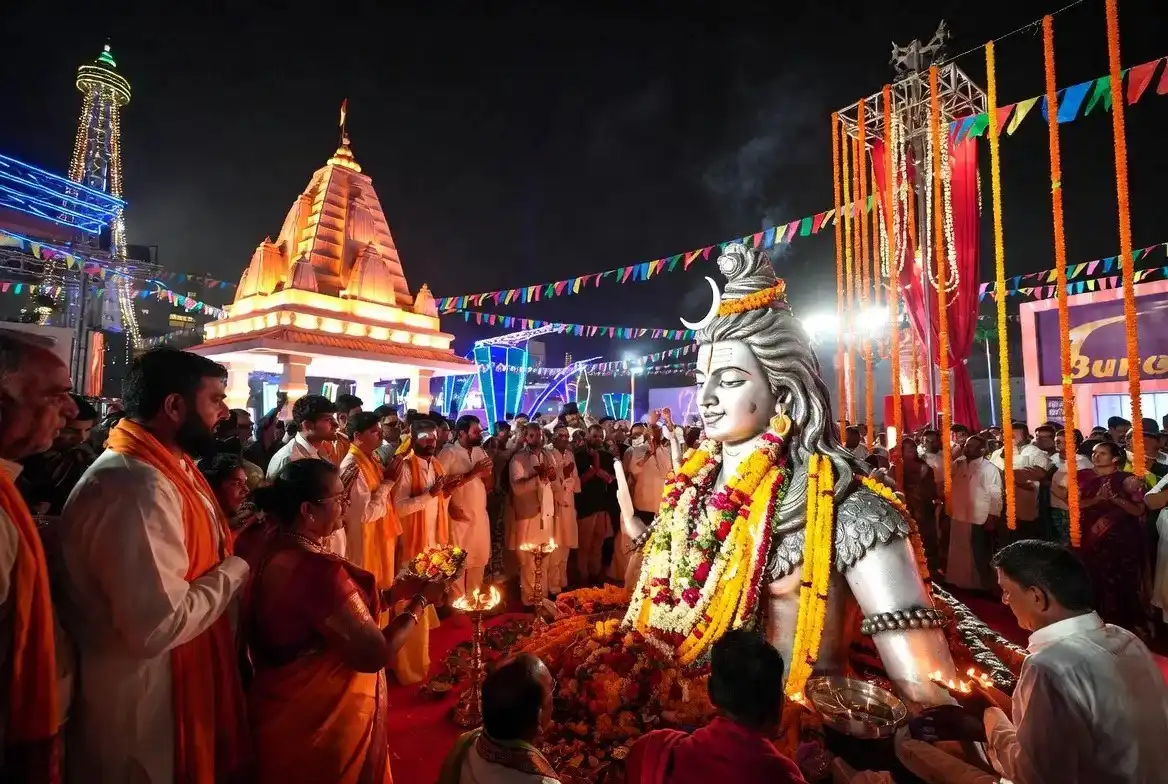
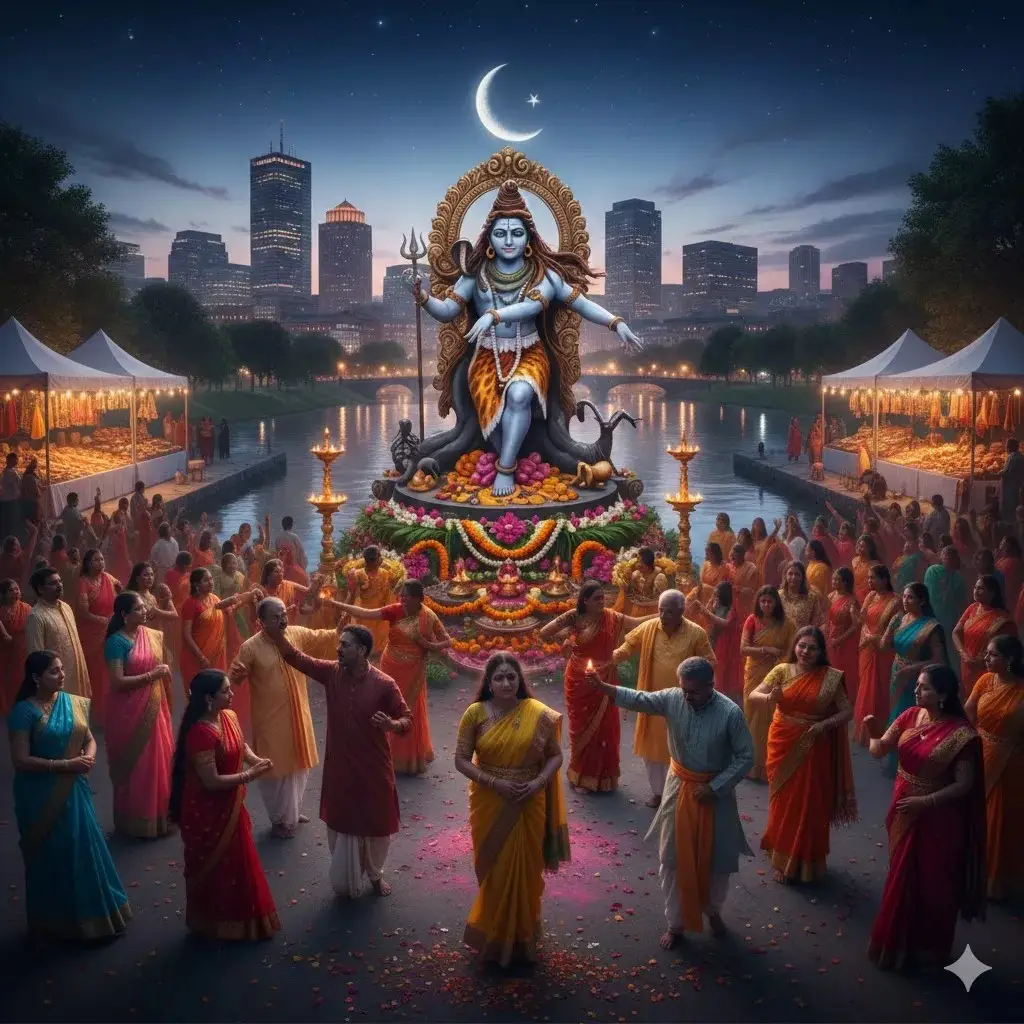
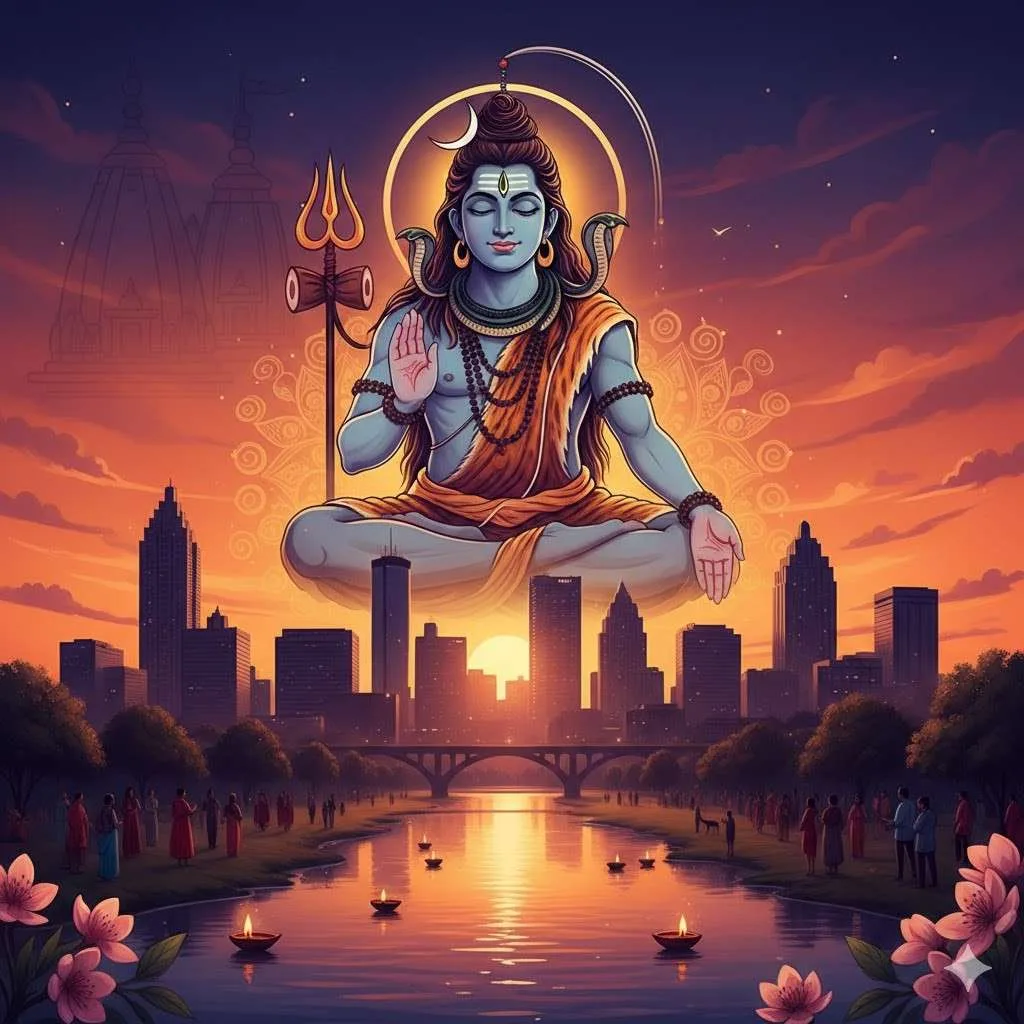
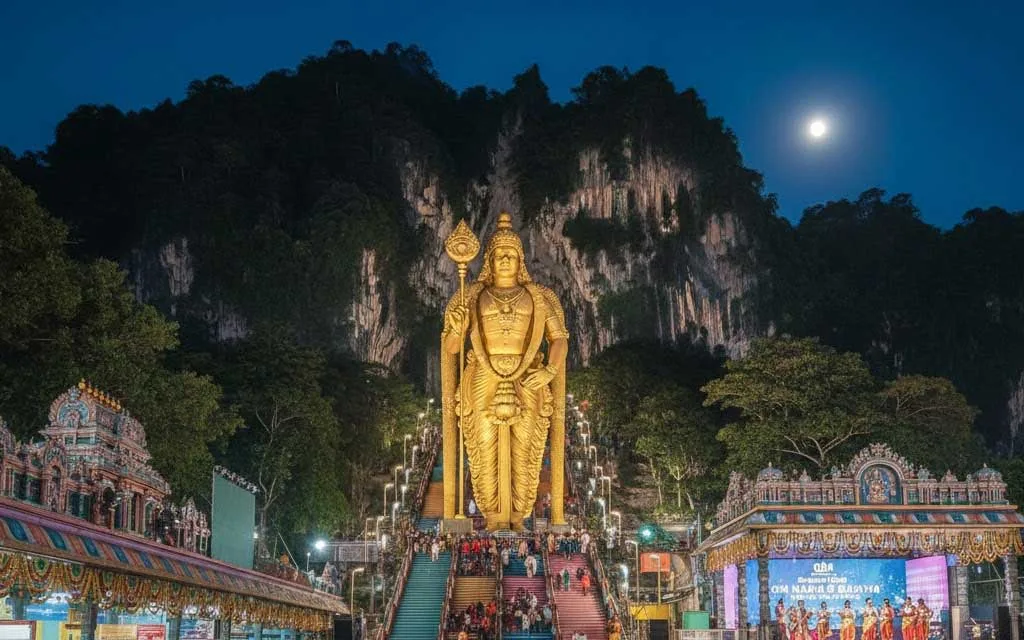
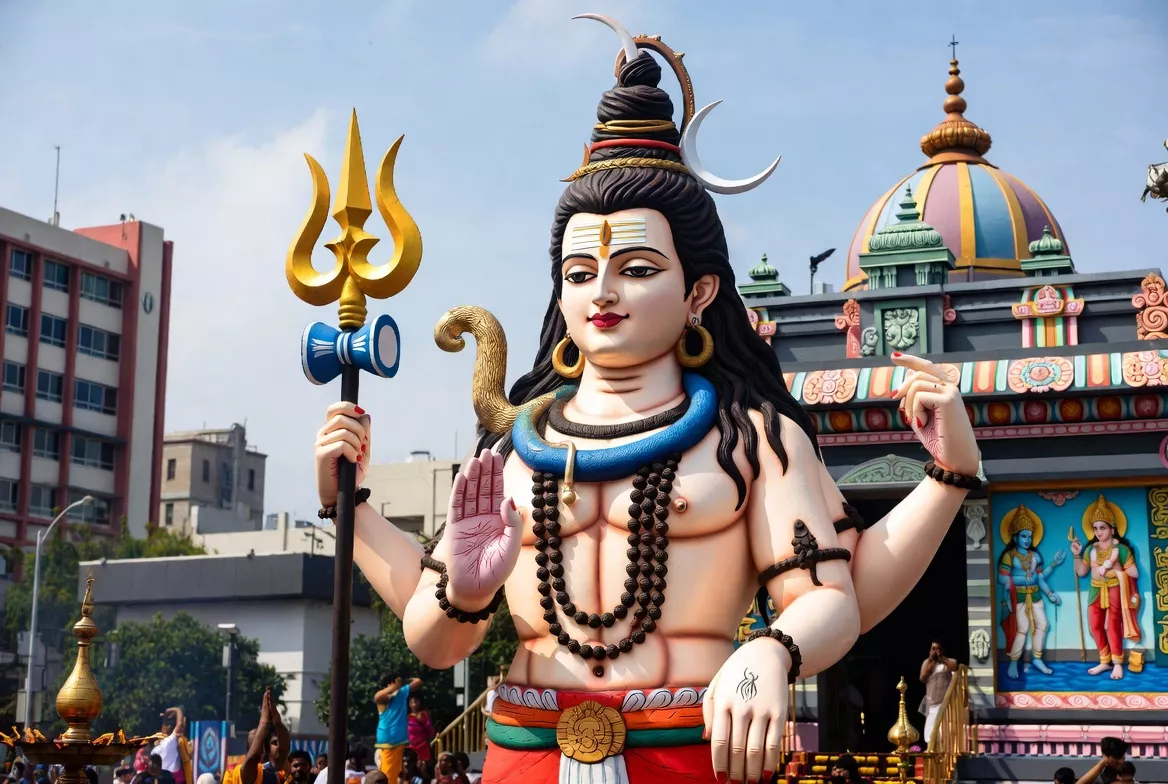
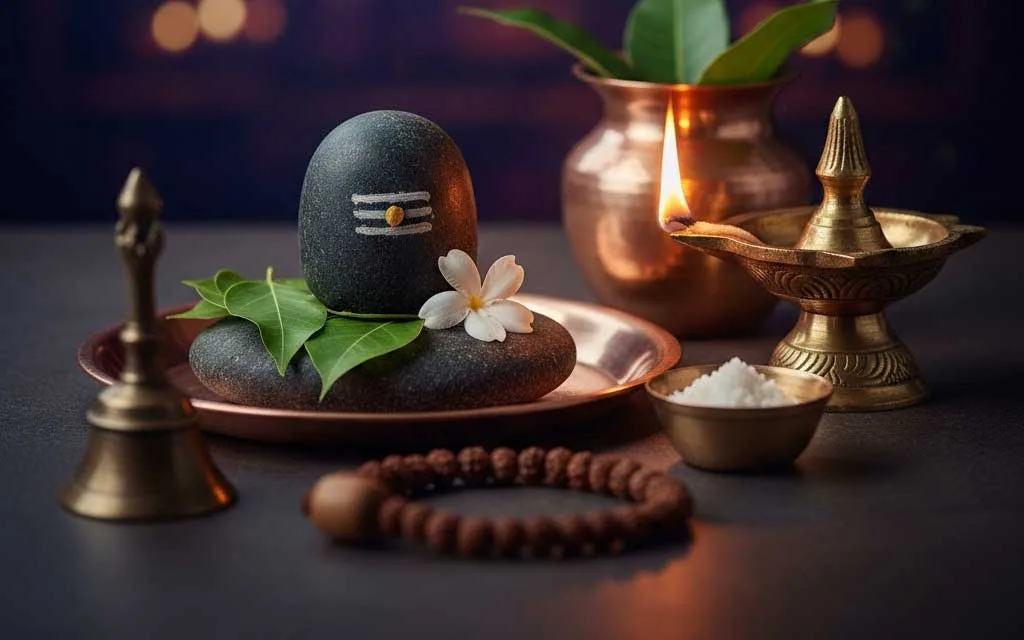
Maha Shivaratri 2026 falls on Sunday, 15 February. Chaturdashi tithi begins approximately 11:14 PM on 14 February and ends 8:54 AM on 15 February. The four prahar pujas span the night of 15 Feb into early 16 Feb.
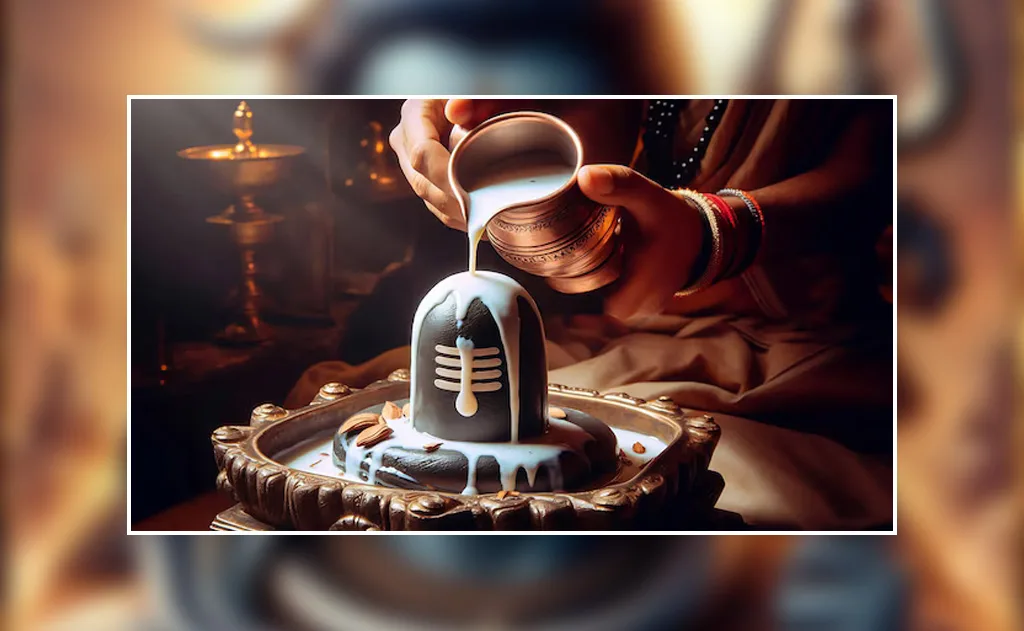
Prahar 1 (sunset–9 PM approx) — Milk abhishekam, Mritunjaya mantra. Prahar 2 (9 PM–midnight) — Curd abhishekam, Rudra mantra. Prahar 3 (midnight–3 AM) — Ghee abhishekam, Om Namah Shivaya. Prahar 4 (3 AM–dawn) — Honey/sugarcane abhishekam, Shiva Tandava Stotra. Devotees who can't do all four typically pick one or two.
Strongly traditional but not mandatory. Most devotees do nirjala (waterless) fast from sunrise on Maha Shivaratri to sunrise next day. Lighter fasts allow milk, fruits and one fruit-based meal. Children, elderly, pregnant women and those with medical conditions can do partial fasts or symbolic offerings instead.
The Krishna Paksha Chaturdashi is the darkest night of the lunar month, just before the new moon. Shiva — the Mahayogi — is most accessible during these hours of cosmic stillness. The all-night jagaran symbolises the devotee's readiness to meet Shiva in the silence beyond ordinary consciousness.
Mahamrityunjaya Mantra (108 or 1008 times during each prahar), Om Namah Shivaya (continuous japa through the night), Shiva Tandava Stotra (especially in the final prahar), Rudra Namakam-Chamakam (advanced), Lingashtakam and Shivashtakam. Pair mantra japa with abhishekam.
