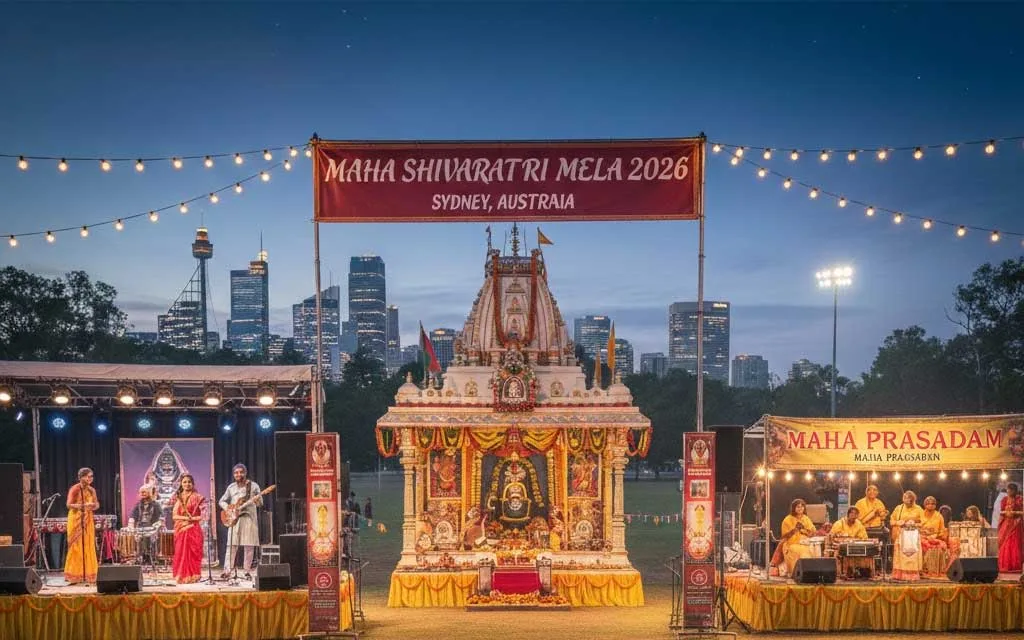
Maha Shivaratri 2027 in Tokyo: Your Complete Celebration Guide
Published: February 14, 2027 | Reading Time: 8 minutes Event Date: Sunday, February 15 - Monday, February 16, 2027 Coverage: Tokyo, Japan (including Shinjuku,…
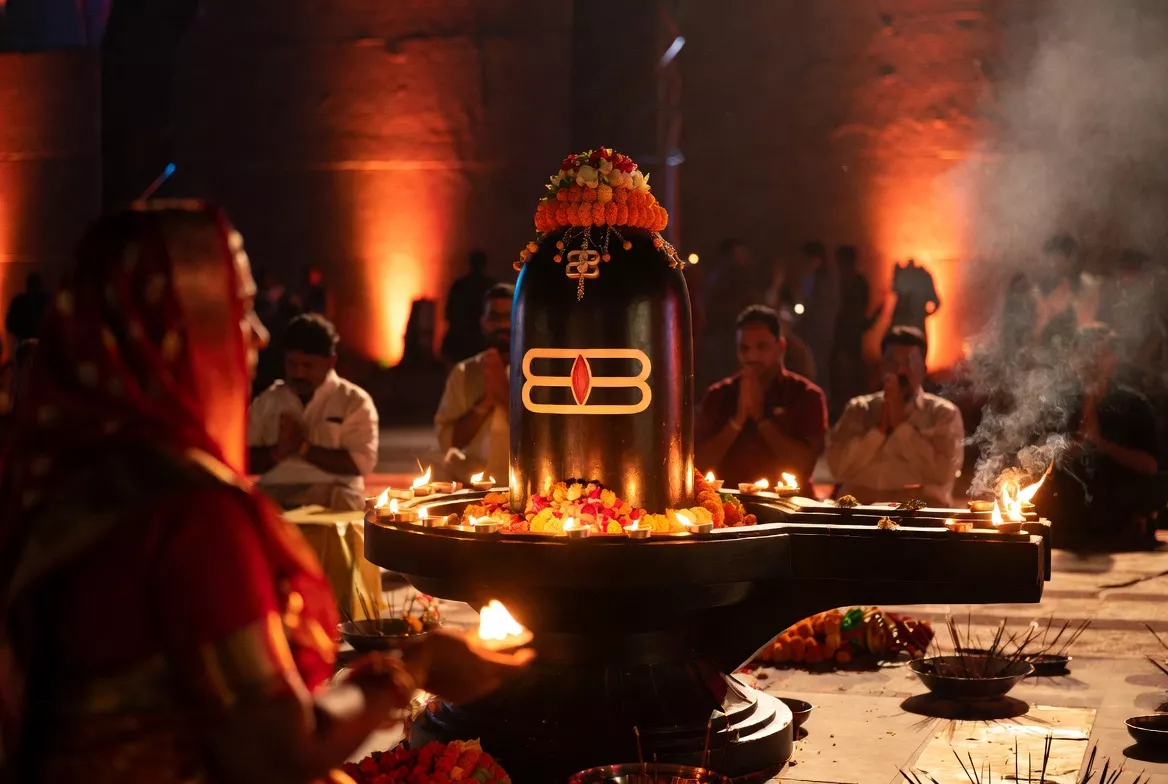
Updated for Maha Shivratri 2027 — Saturday, 6 March 2027
Maha Shivratri falls on Saturday, 6 March 2027. Nishita Kaal (the midnight peak puja window) is approximately 12:07 AM - 12:57 AM IST on 7 March 2027. Chaturdashi tithi begins ~03:30 PM on 5 March 2027 and ends ~12:57 AM on 7 March 2027. Verify all local timings against a fresh panchang for your city closer to the date.
For the comprehensive 2027 master guide — four-prahar abhishekam vidhi, four fasting levels, 7-region NRI timing table, and the full diaspora-temple list — see our Maha Shivratri 2027 master guide on HinduTone (linked in the Festivals category).
Note: the content below preserves the 2026 city-specific context — historical temple events, local diaspora-community gatherings, and previously-documented practices. This remains accurate as a planning reference. As local temples publish their 2027 schedules closer to the date, this page will be updated again with city-specific 2027 event listings.
Published: February 14, 2026 | Reading Time: 8 minutes
Event Date: Sunday, February 15 - Monday, February 16, 2026 Coverage: Tokyo, Japan (including Shinjuku, Okubo, Nakano, and surrounding Greater Tokyo areas)
Quick Information at a Glance
- Maha Shivaratri 2026 Date: Sunday, February 15, 2026 (night vigil extends to February 16)
- Chaturdashi Tithi Begins: Approximately 12:36 PM JST, February 15, 2026 (local panchang variations apply)
- Chaturdashi Tithi Ends: Approximately 1:05 PM JST, February 16, 2026
- Nishita Kaal Puja Time (Most Auspicious): 11:29 PM - 12:21 AM JST (February 15 night to February 16; duration ~52 minutes)
- Breaking Fast (Parana): After sunrise ~6:45 AM JST on February 16, 2026 (confirm with local panchang or temple)
Note: Times are for Tokyo (JST = Japan Standard Time, GMT+9); Japanese Hindu communities follow local panchang or apps—check temple pages/social media for exact muhurta.
Understanding Maha Shivaratri: The Great Night of Lord Shiva
Maha Shivaratri honors Lord Shiva as the destroyer of ignorance, supreme yogi, and cosmic consciousness. In Tokyo—with its small but dedicated Indian and South Asian expatriate community from Tamil, Telugu, Bengali, Punjabi, and other backgrounds—this festival unites devotees in devotion. Amid Japan's modern urban life, technology, and cultural harmony, Shivaratri offers spiritual renewal through night-long vigils, abhishekams, bhajans, kirtans, and intimate community gatherings.
Tokyo celebrations are modest compared to larger diaspora hubs but heartfelt, often at small mandirs or cultural venues with focus on meditation and devotion.
Why Shivaratri Matters to the Tokyo Hindu Community
Tokyo's Hindu community, though smaller, is vibrant among expatriates, students, and professionals. Shivaratri provides a cherished connection to roots through temple pujas, home observances, and community events—fostering unity and spiritual peace in a fast-paced, secular society.
Major Hindu Temples & Venues Celebrating Maha Shivaratri in Tokyo
- Shiva Shakti Mandir (Shri Shiva Shakti Temple) – Tokyo's primary Shiva-focused mandir Location: 2-29-26 Okubo, Shinjuku-ku, Tokyo Highlights:
- Special Maha Shivaratri pujas and celebrations on February 15, 2026 (extended hours into night/early morning)
- Abhishekam, bhajans, kirtans, and darshan; community-focused devotion
- Welcoming for all; often features Shivaratri-specific rituals and offerings
- First dedicated Shiva-Shakti mandir in Tokyo
- ISKCON Tokyo Location: 4-19-6 Kamatikada Nakano, 1F Subarhu Bldg, Nakano-ku, Tokyo Highlights:
- Observances with bhajans, kirtans, and possible Shiva-focused programs
- Community events, prasadam distribution; check for Shivaratri schedule
Other Notables:
- Community halls or cultural centers in Shinjuku/Okubo for bhajans and group chanting.
- Smaller groups or home-based gatherings among Indian expatriates.
- Online/virtual events via Isha Foundation or similar global streams (common in Japan).
Venues are intimate—arrive early; many welcome all with modest attire. Check Facebook/Instagram pages (e.g., @shivashaktitokyo) for updates.
Maha Shivaratri Rituals and Observances: A Complete Guide
(Four praharas in JST: First Prahar ~6:16 PM - 9:34 PM, Second ~9:34 PM - 12:52 AM, Third/Nishita most powerful, Fourth to dawn. Core: abhishekam with bilva leaves, mantra chanting, meditation.)
Fasting Guidelines, Mantras, Abhishekam Items
Nirjala, Phalahar, partial fasts; Om Namah Shivaya (108x), Maha Mrityunjaya; bilva leaves (limited availability—order from Indian stores in Okubo/Shinjuku or online).
Regional Variations in Tokyo
- South Indian influence: Vedic-style abhishekams at mandirs.
- Community/Blended: Bhajans, kirtans, and meditation sessions.
- Japan Touch: Quiet, respectful indoor events (February cold), small-scale but sincere.
Celebrating at Home in Tokyo
Follow home altar setup and puja schedule per JST timings. Shop puja items at Indian supermarkets in Okubo/Shinjuku (Little India area) or online—bilva leaves may require advance ordering.
Virtual and Online Celebrations
Livestreams from global events (e.g., Isha Foundation) or temple pages; virtual satsangs via community WhatsApp/groups.
Family-Friendly Activities for Children and Youth
Shiva stories, simple crafts (clay lingam), chants—suitable for Tokyo's expat families.
Practical Tips for Tokyo Devotees
- Transportation: JR Yamanote Line to Shin-Okubo/Okubo Station; walk or subway.
- Weather: February ~5-10°C; cold—layer warm clothing.
- Parking: Limited/street; use public transport.
- Shopping: Okubo/Shinjuku Indian shops for puja items—shop early.
- Health/Safety: Consult doctor for fasting; follow venue protocols.
Food and Prasadam
Sattvic phalahar: fruits, milk, nuts. Temple/community prasadam (kheer, fruits)—bring containers if available.
Etiquette and Temple Guidelines
Modest attire, remove shoes, silence phones; respect during rituals.
The Spiritual Significance for Modern Tokyo Lives
In a high-tech, disciplined city, Shivaratri brings awakening, inner stillness, and community—balancing modern pace with spiritual depth.
Frequently Asked Questions
(Similar to prior guides, with Tokyo specifics: e.g., "Main temple?" → Shiva Shakti Mandir in Okubo.)
Conclusion: Embracing Shivaratri in Tokyo
From the heartfelt Shiva Shakti Mandir in Okubo to community gatherings, Maha Shivaratri 2026 unites Tokyo's Hindu diaspora in devotion. Whether at mandirs or home vigils, may this night inspire transformation and peace.
Join the Celebration! Mark your calendar for February 15, 2026. Share this guide with family/friends, subscribe to HinduTone for livestream alerts and updates. Which Tokyo venue are you planning to attend? Comment below and tag your group! For more global festival guides, temple directories, and puja resources, visit www.hindutone.com.
Om Namah Shivaya! Har Har Mahadev! [image: 🙏]
© 2026 HinduTone.com | Connecting Hindu Communities Worldwide
Share this with family and friends
Send it on WhatsApp, post it, or copy the link.
More from Maha Shivaratri 2026
- Maha Shivaratri Four Prahar Puja — The Complete Night-by-Night Ritual Guide
- Devotion in the Sands: The Inspiring Story of a Karnataka Couple Crafting 1008 Shiva Lingams Every Maha Shivaratri
- Isha Foundation's Mahashivratri 2026 Sets New Record as Most Viewed Celebration on YouTube
- The 33rd Mahashivratri at Isha Yoga Center
- Maha Shivaratri 2026 Celebrations in Germany: How the Hindu Community Honored Lord Shiva Yesterday – A Complete Guide to Cities, Temples, and Events
You might also like
Maha Shivaratri 2027 in Norway: Your Complete Celebration Guide
Maha Shivaratri 2027 in Cambodia: Your Complete Celebration Guide
Maha Shivaratri 2027 in Durban: Your Complete Celebration Guide