
Puja Vidhi
135 articles
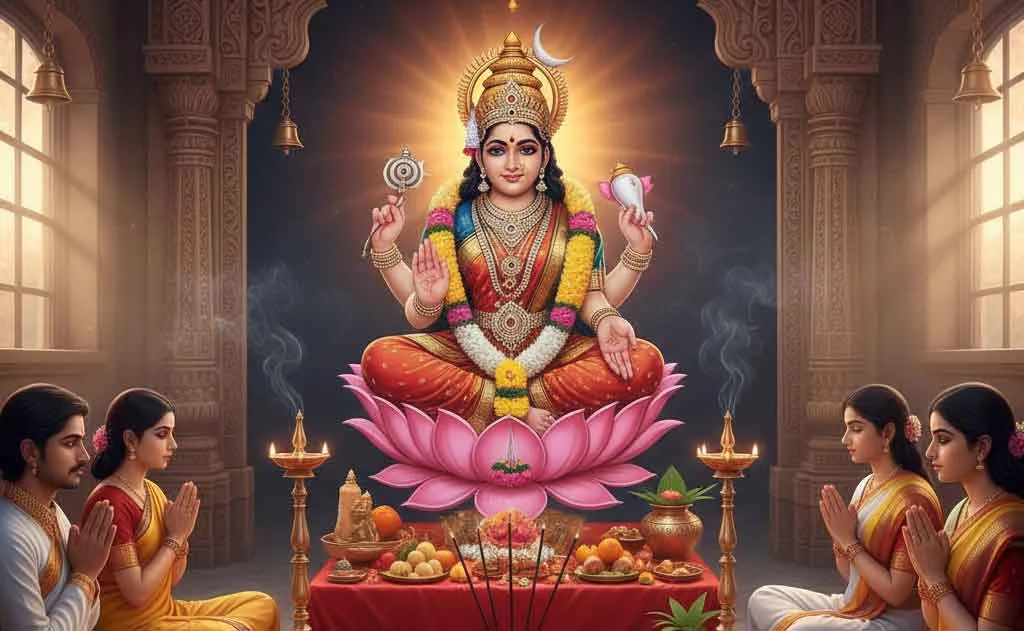
Puja vidhi simply means the method of worship: the order in which a devotee invites the deity, offers water, flowers, incense, light and food, and closes with aarti and prayer. Traditional texts describe elaborate forms, but most families follow a simpler household practice handed down by parents and grandparents, adapted to their region and community.
Many readers come to puja vidhi guides at a turning point: a first festival in a new home, a first puja without elders nearby, or a wish to explain the meaning of each offering to children. A clear guide helps devotees prepare the samagri in advance and focus on devotion rather than worry about getting things wrong.
On this page HinduTone collects puja vidhi articles for major festivals and deities, home worship guides, samagri checklists, naivedyam suggestions and notes on adapting rituals for apartments and life abroad. Related pages cover the Puja Samagri List, Daily Puja at Home, Vrat and Vratam and Naivedyam and Prasadam.
Start Here
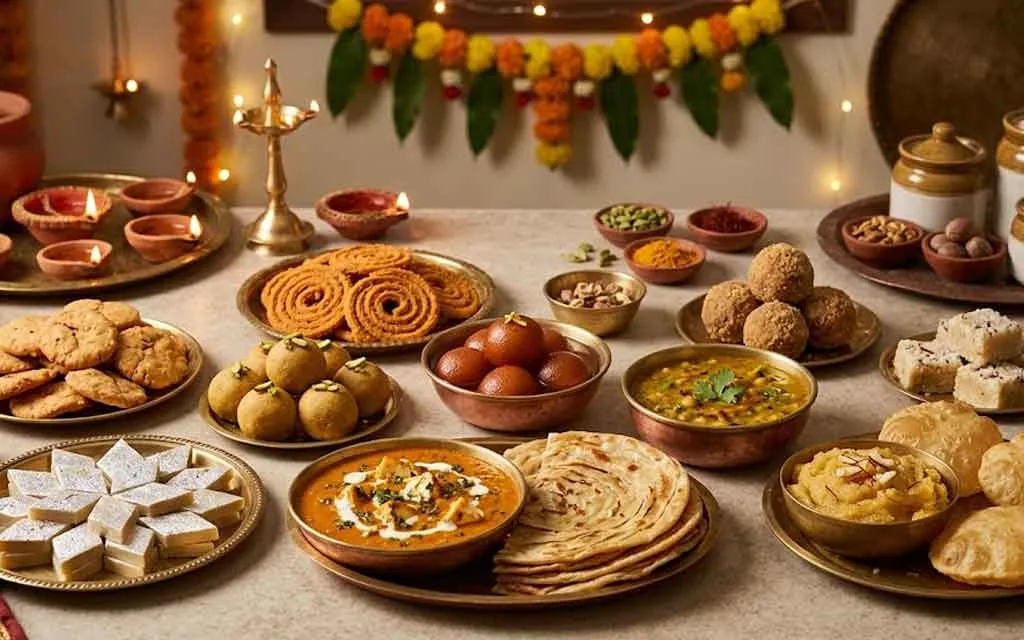
Chitragupta Puja 2026: Date, Kalam-Dawat Puja Vidhi, Samagri and Meaning
Chitragupta Puja (Kalam-Dawat Puja) 2026 falls on Wednesday 11 November in India, with Bhai Dooj and Yama Dwitiya. Drik tithi timing, dates abroad, how to plan Bhai Dooj and the puja on one day, samagri, a step-by-step…
- Jalaram Jayanti 2026: Date, Saptami Tithi, Puja Vidhi, Life of Jalaram Bapa of Virpur and Wishes
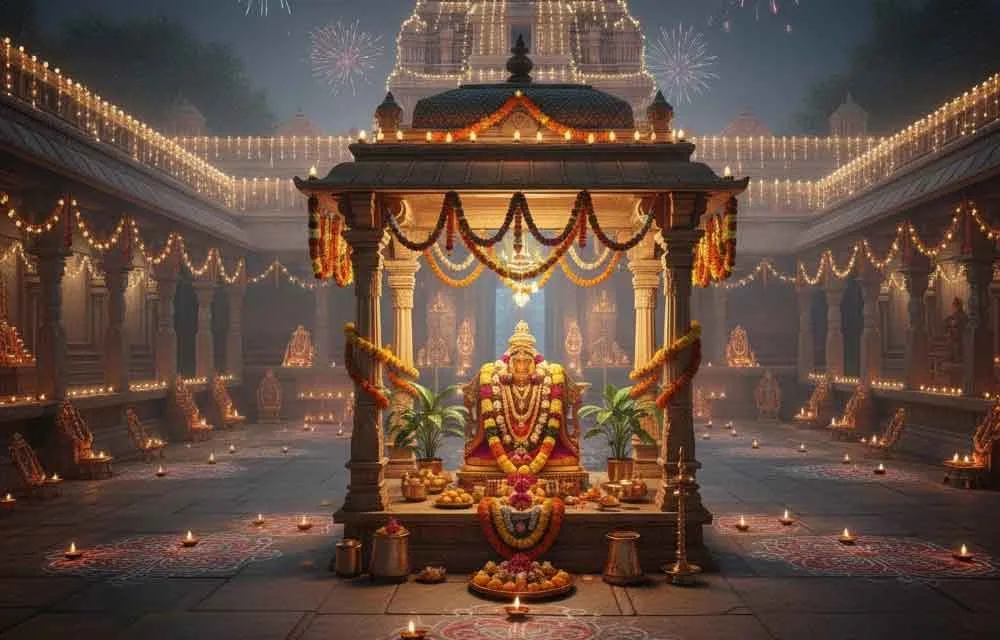 Tulsi Vivah 2026: Date, Puja Vidhi, Samagri, Katha and Significance
 Dhanteras 2026 (Dhantrayodashi): Date, Shubh Muhurat by City, Puja Vidhi, Katha and Yama Deepam
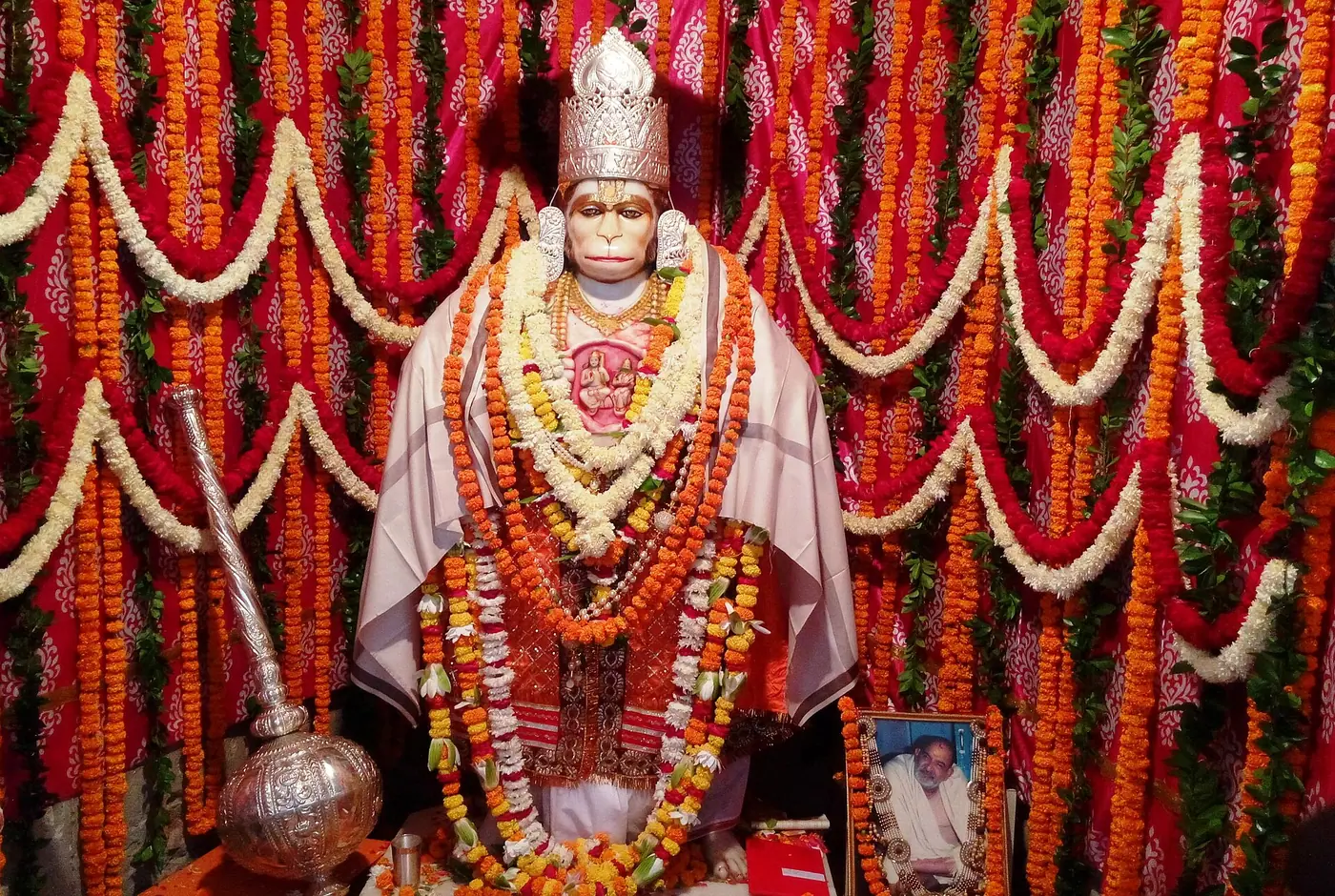 Hanuman Jayanti 2026: Date, Muhurat, Significance, Puja Vidhi & Complete Celebration Guide
Latest Articles
Peepal Tree Puja Vidhi: Ashwattha Worship, Pradakshina, Mantras and Rules
Quick answer: The Peepal or Ashwattha tree (Ficus religiosa; Ravi chettu in Telugu) is one of the most sacred trees in…
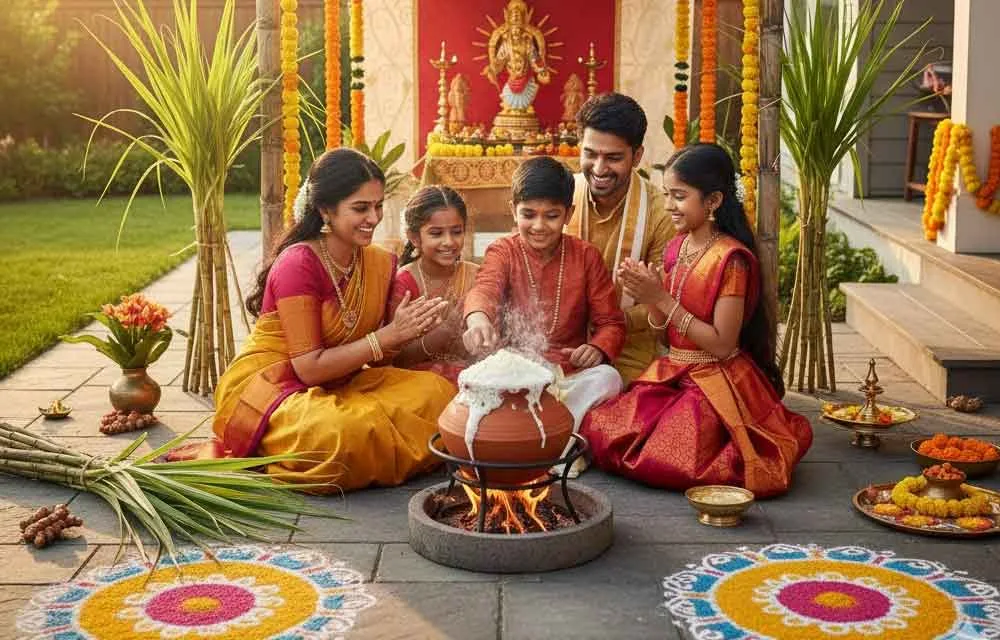
Thai Pongal puja at home, including in an apartment
Quick answer: On Thai Pongal morning, draw a kolam, dress a new pot with a turmeric plant, and cook new rice with milk…
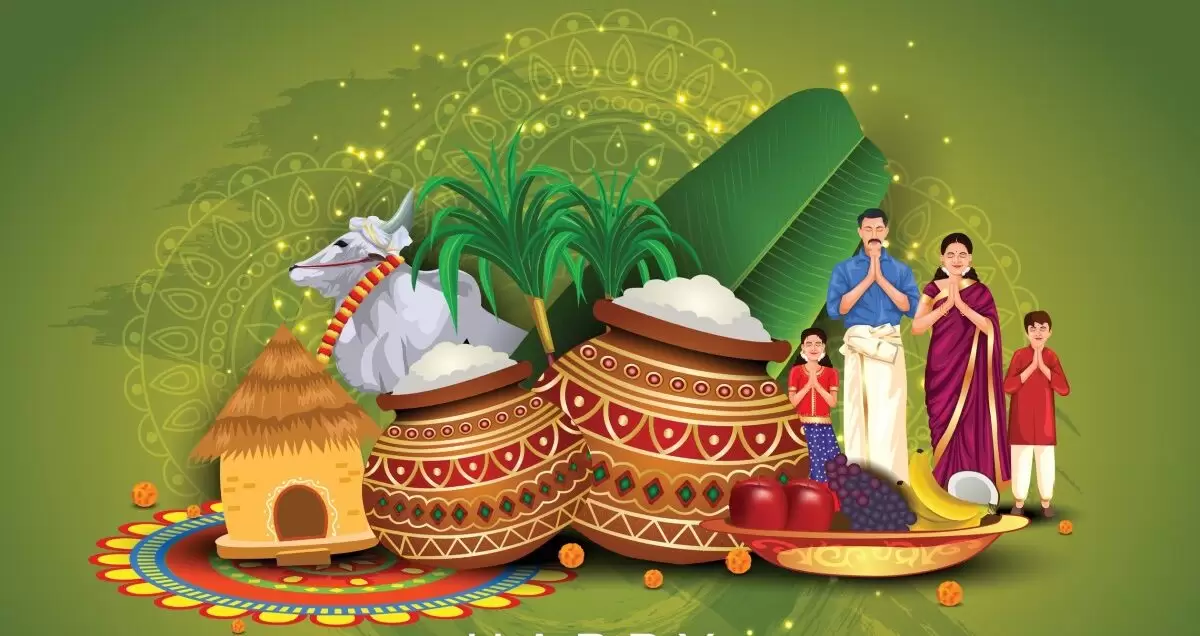
Makar Sankranti puja at home: a step-by-step guide
Quick answer: A home Makar Sankranti puja usually has five parts: an early bath, an offering of water to the Sun…
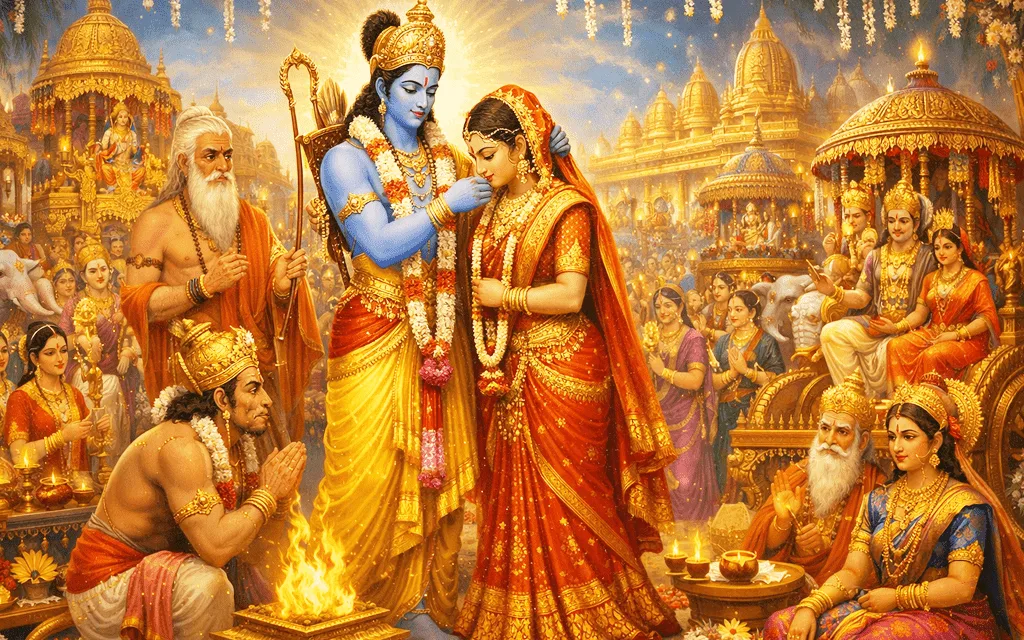
Sita Rama Kalyanam at Home: Step-by-Step Vivah Panchami Puja Vidhi, Samagri and Telugu Customs
Quick answer: You can celebrate the wedding of Sita and Rama at home as a small, symbolic Sita Rama Kalyanam. On Vivah…
Hanuman Jayanti 2027: Date (Chaitra Purnima), Puja Vidhi, Telugu, Tamil and Karnataka Dates and Dates Abroad
Hanuman Jayanti 2027 in North India and most of the country is on Tuesday 20 April 2027, Chaitra Purnima. Purnima…
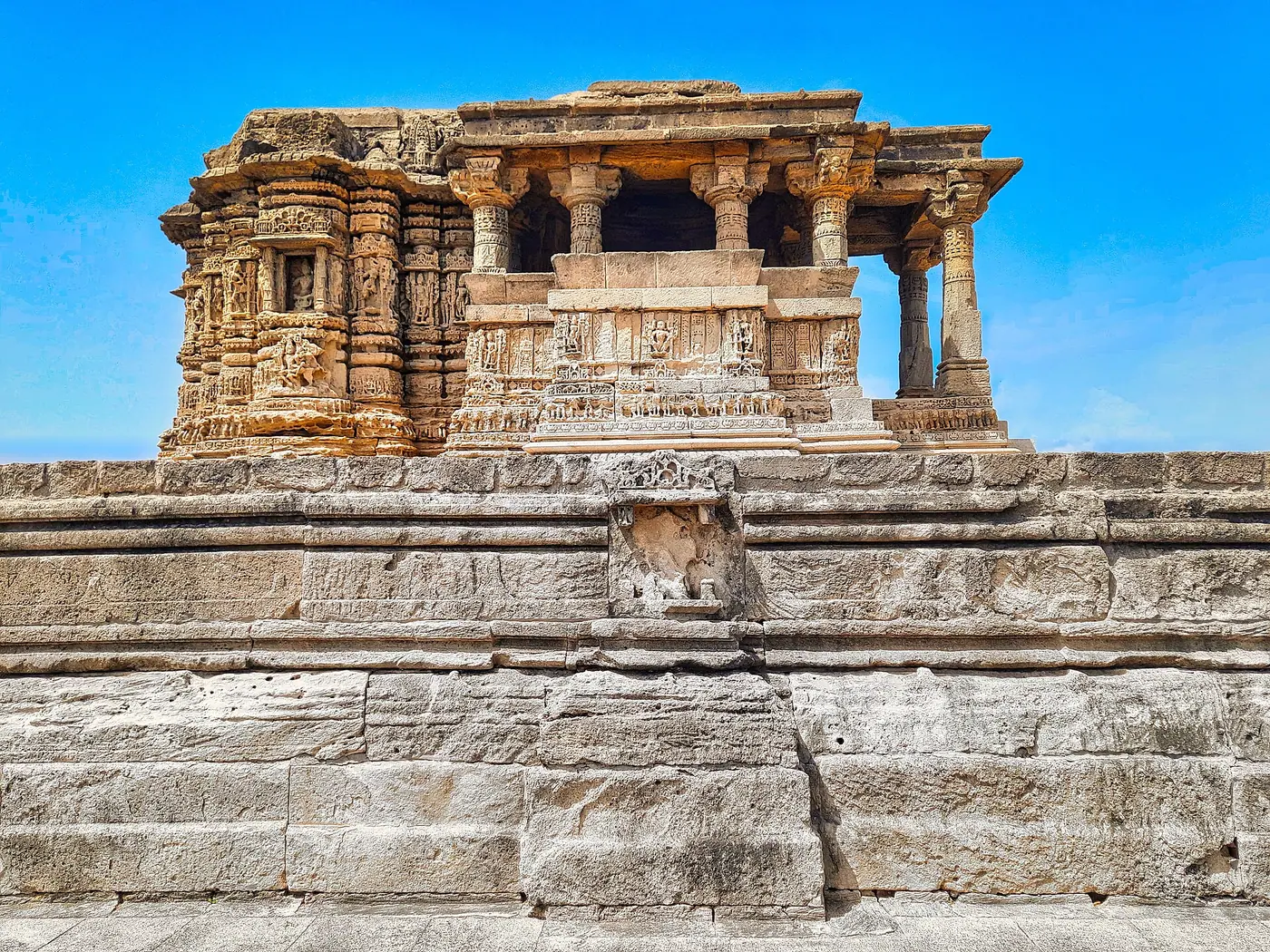
Rama Navami 2027: Date, Madhyahna Puja Muhurat, Navami Tithi Timings, Puja Vidhi and Dates Abroad
Rama Navami 2027 is on Thursday 15 April 2027 in India. In New Delhi the madhyahna puja muhurat is 11:04 AM to 1:38 PM…
Ugadi 2027 and Gudi Padwa 2027: Date, Pratipada Timings, Plavanga Samvatsara, Ugadi Pachadi, Puja Vidhi and Dates Abroad
Ugadi 2027, the Telugu and Kannada new year, is on Wednesday 7 April 2027. Chaitra Shukla Pratipada begins at 5:20 AM…
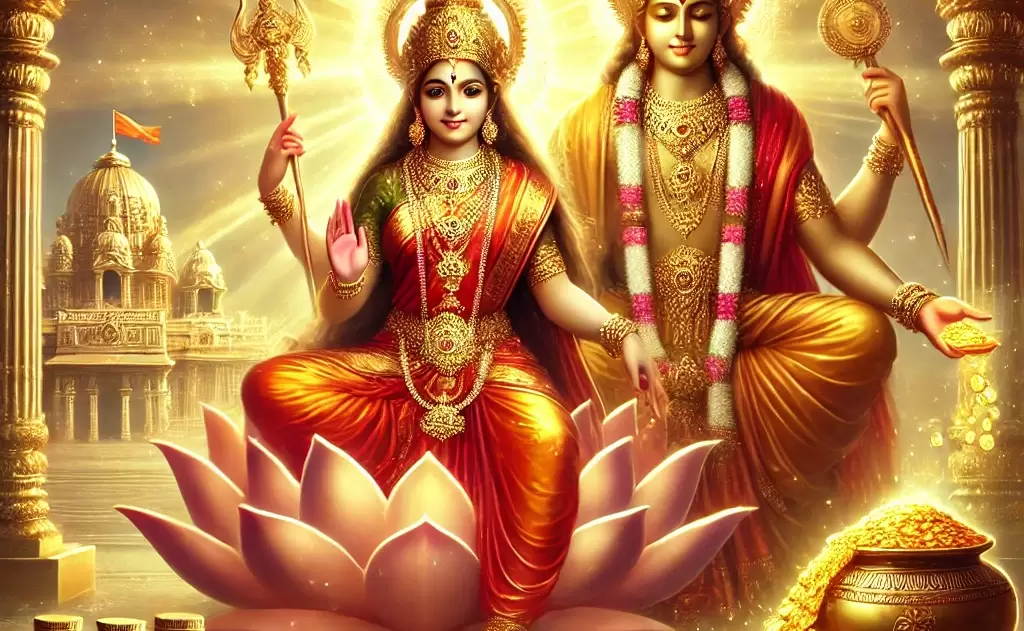
Kuber Puja 2026 on Dhanteras (Friday 6 November): Date, City-Wise Muhurat, Samagri and Step-by-Step Puja Vidhi at Home
Kuber Puja is done on Dhanteras evening, Friday 6 November 2026, together with Lakshmi and Ganesha. Drik Panchang…

Holi 2027: Date, Holika Dahan Muhurat City-Wise, Bhadra Timings, Puja Vidhi and Holi Abroad
Holi 2027 is on Monday 22 March 2027, with Holika Dahan on Sunday 21 March. Phalguna Purnima begins at 6:21 PM IST on…
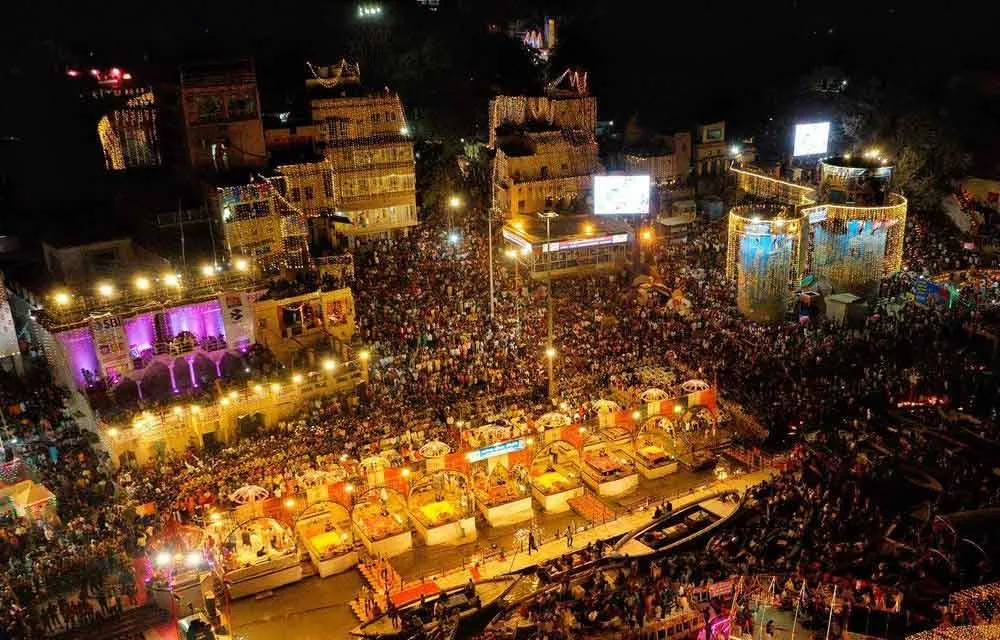
Dev Deepawali 2026 Varanasi: Date, Purnima Time, Ganga Aarti, Story, Puja Vidhi and Deep Daan
Dev Deepawali, the Diwali of the gods, falls on Tuesday 24 November 2026 (Kartik Purnima). Purnima tithi timings, why…
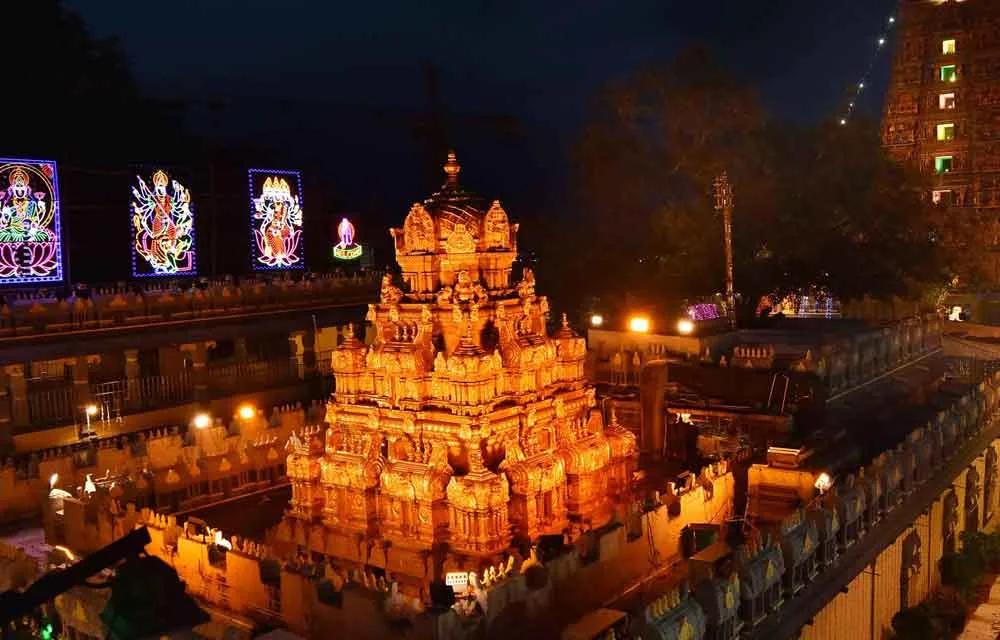
Sri Durga Devi Alankaram on Durgashtami: Kanaka Durga Day 8, Puja Vidhi, Anga Puja and Apaduddharaka Stotram
On Ashtami, the eighth day of Sharannavaratri, Sri Kanaka Durga on Indrakeeladri appears as Sri Durga Devi. The legend…
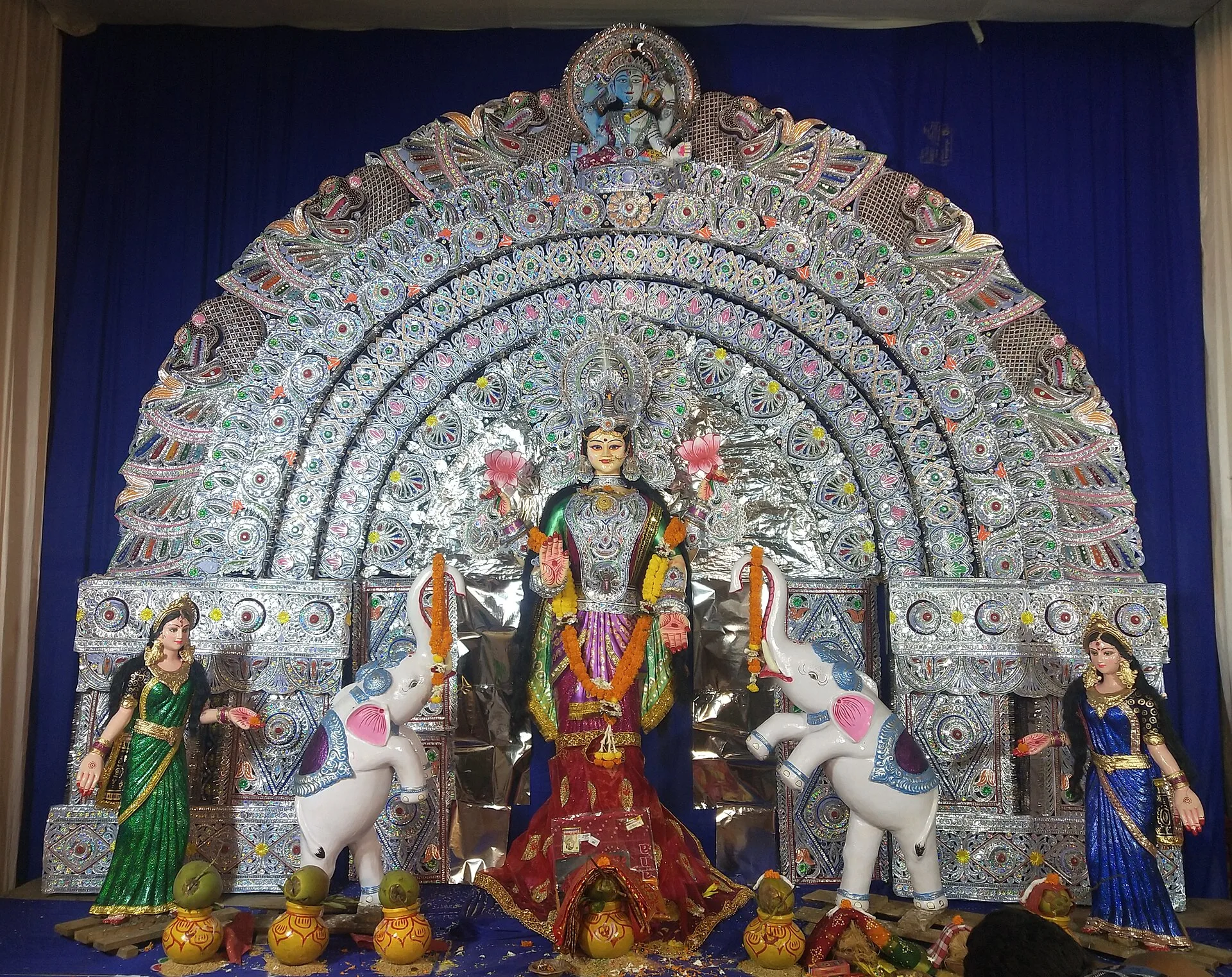
Panchangam 9 October 2026 (Friday): Chaturdashi Shraddha in Mahalaya Paksha, Tithi, Nakshatra and Puja Vidhi
Friday 9 October 2026 is Krishna Chaturdashi in Mahalaya Paksha, observed as Chaturdashi Shraddha. In Hyderabad…

Panchangam 27 December 2026, Sunday: Sabarimala Mandala Pooja, Krishna Chaturthi, Ashlesha Nakshatra and Puja Vidhi
Sunday 27 December 2026 is the expected day of Mandala Pooja at Sabarimala, the close of the 41-day Mandalam. Drik…
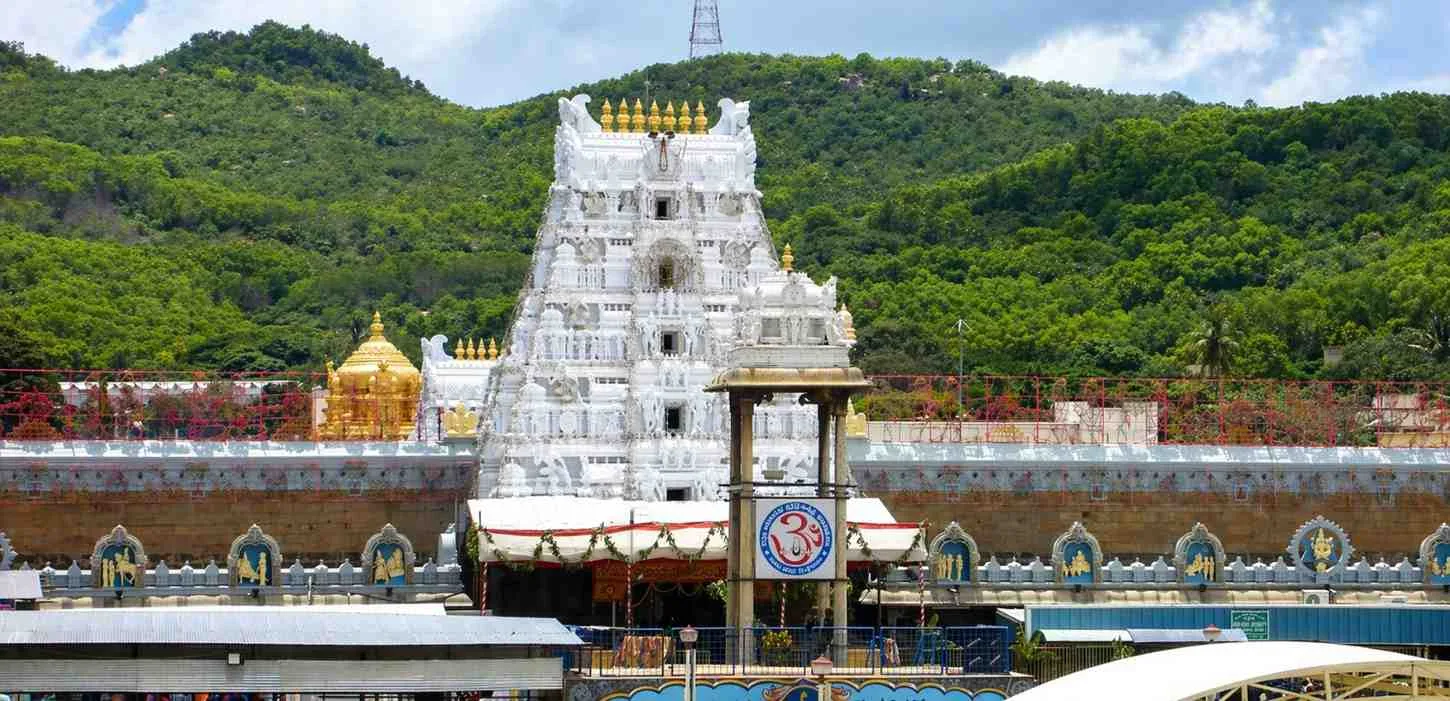
Panchangam 24 December 2026, Thursday: Margashirsha Purnima, Annapurna Jayanti and Arudra Darshan, Tithi, Nakshatra and Puja Vidhi
Thursday 24 December 2026 is the Margashirsha Purnima morning, with Annapurna Jayanti, Arudra Darshan (Thiruvathirai)…
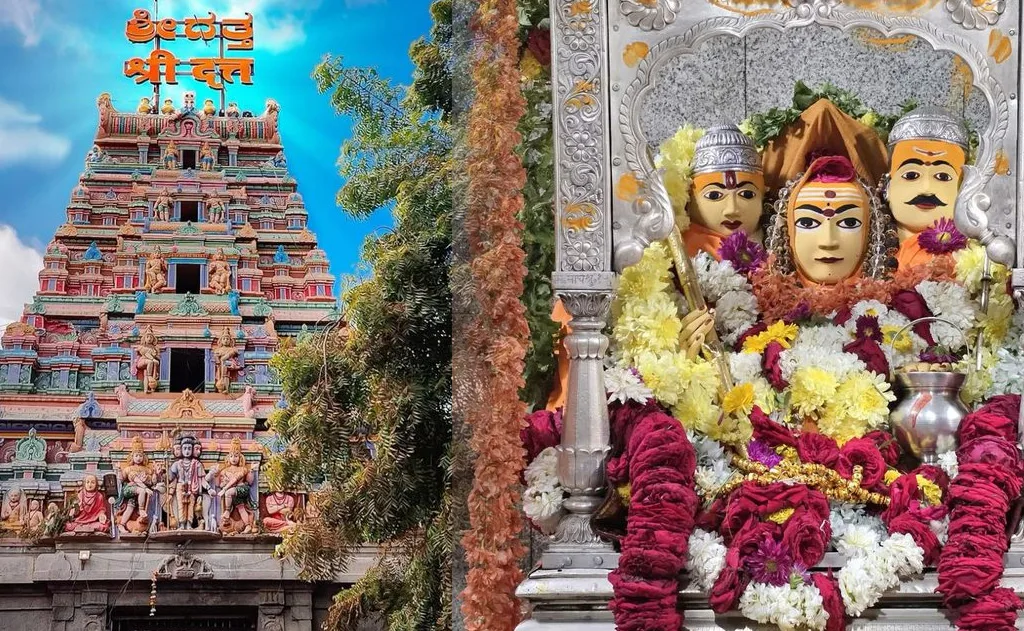
Panchangam 23 December 2026, Wednesday: Dattatreya Jayanti and Margashirsha Purnima Vrat, Tithi, Nakshatra and Puja Vidhi
Wednesday 23 December 2026 is Dattatreya Jayanti and the Margashirsha Purnima vrat. Chaturdashi ends at 10:47 AM IST…

Panchangam 20 December 2026, Sunday: Vaikuntha (Mukkoti) Ekadashi, Gita Jayanti and Mokshada Ekadashi, Tithi, Nakshatra and Puja Vidhi
Sunday 20 December 2026 brings three observances together: Vaikuntha (Mukkoti) Ekadashi, Gita Jayanti and Mokshada…
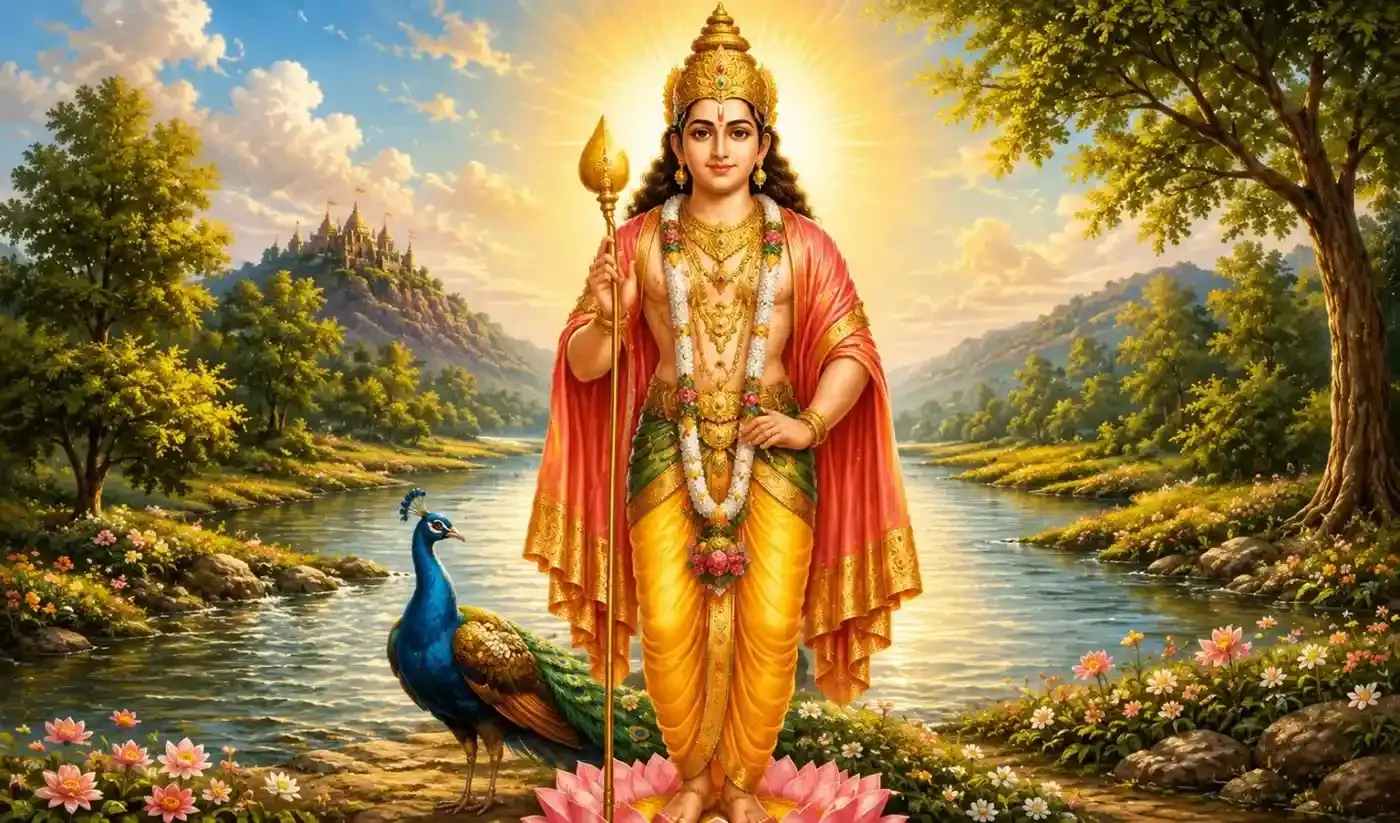
Panchangam 15 December 2026, Tuesday: Champa Shashthi and Skanda Sashti (Subrahmanya Shashti), Tithi, Nakshatra and Puja Vidhi
Tuesday 15 December 2026 is Margashirsha Shukla Shashthi: Subrahmanya Shashti in the Telugu states and Karnataka…
Panchangam 4 December 2026, Friday: Utpanna Ekadashi, Tithi, Nakshatra and Puja Vidhi (Hyderabad)
Friday 4 December 2026 is Utpanna Ekadashi, the Ekadashi that tradition remembers as the 'birth' of the Ekadashi vrat…

Panchangam 11 November 2026 (Wednesday): Bhai Dooj, Yama Dwitiya, Chitragupta Puja and Chandra Darshana, Tithi and Puja Vidhi
Wednesday 11 November 2026 is Bhai Dooj, also called Yama Dwitiya, Bhau Beej, Bhai Phonta and, in the Telugu states…
Panchangam 5 November 2026 (Thursday): Rama Ekadashi, Govatsa Dwadashi (Vasu Baras) and Padmanabha Dwadashi, Tithi and Puja Vidhi
Thursday 5 November 2026 is Rama Ekadashi, the last Ekadashi before Diwali, and in the evening Govatsa Dwadashi, the…
Panchangam 1 November 2026 (Sunday): Ahoi Ashtami, Bhanu Saptami and Kalashtami, Tithi, Nakshatra and Puja Vidhi
Sunday 1 November 2026 is Ahoi Ashtami, the mothers' fast of North India, and also Bhanu Saptami, Kalashtami and Masik…
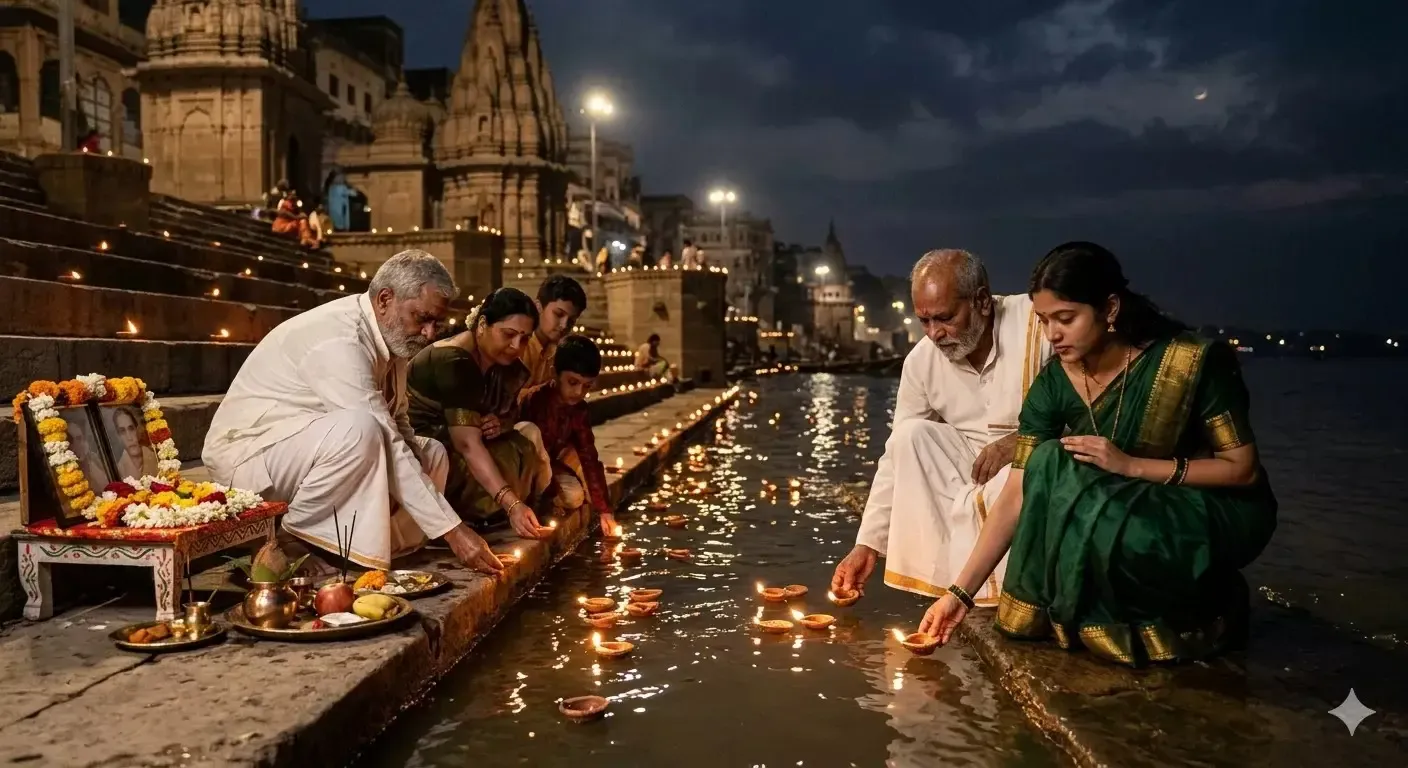
Panchangam 10 October 2026 (Saturday): Mahalaya Amavasya, Sarva Pitru Amavasya, Tithi, Nakshatra and Puja Vidhi
Saturday 10 October 2026 is Mahalaya, the Sarva Pitru Amavasya that closes the fortnight of the ancestors. In…
FAQs
What is puja vidhi?
Puja vidhi is the step-by-step method of worshipping a deity. A common format is shodashopachara, sixteen offerings that treat the deity as an honoured guest: invocation, seat, water for feet and hands, bath, clothes, sandal paste, flowers, incense, lamp, food offering, aarti and prayers.
How do I do a simple puja at home?
Clean the space, bathe, and light a lamp before the deity. Begin with a prayer to Ganesha, offer water, kumkum or sandal paste, flowers and incense, then a simple naivedyam like fruit or sweets. End with aarti and a quiet prayer. Sincerity matters more than elaborate items.
What items are needed for a basic puja?
A lamp with ghee or oil, incense sticks, flowers, kumkum, turmeric, sandal paste, rice grains (akshata), a bell, a small vessel of water, camphor for aarti and a naivedyam. Many families keep a dedicated puja plate. Specific festivals may need additional items.
Can I do puja without a priest?
Yes. Daily and most simple festival pujas are traditionally done by family members at home. For samskaras like weddings, upanayanam or griha pravesham, and for complex homas, families usually invite a priest. Our guides explain which pujas can be done by yourself.