
Vrat and Vratam
A vrat or vratam is a sacred vow, usually combining prayer, a fast or dietary restraint, and the reading of a katha that explains its origin. Hindu households observe many kinds of vratas, from weekly fasts for a chosen deity and the fortnightly Ekadashi to festival vows such as the Satyanarayana Vratam, Varalakshmi Vratam, Karwa Chauth and the Telugu nomulu.
Traditionally, a vratam is understood less as a test of endurance and more as a way to focus the mind on devotion, gratitude and self-discipline. Families often adapt fasts to age, health and work, and scriptures and elders alike stress that sincerity matters more than severity. Many vratas are passed down from mothers and grandmothers, which gives them a strong family character.
On this page you will find step-by-step vratam guides for the home, vrat kathas in simple language, explanations of what different fasts involve, and advice for observing vows while living abroad. Related reading includes our puja vidhi guides, Ekadashi vrat, Satyanarayana Vratam, Varalakshmi Vratam and the women's vratas collection.
Latest Articles
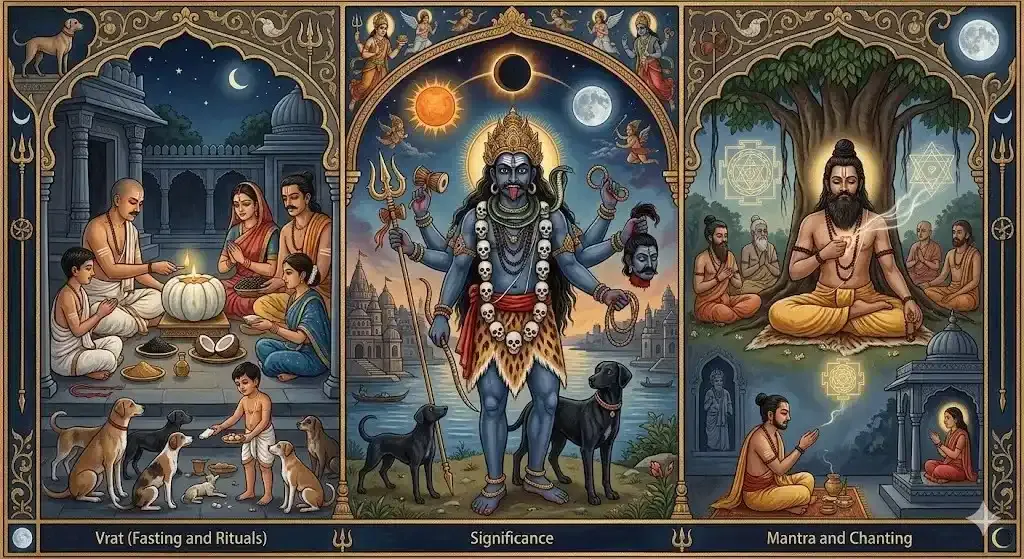
Kalabhairav Jayanti Vrat Katha: The Story of Bhairava's Appearance and How to Keep the Vrat
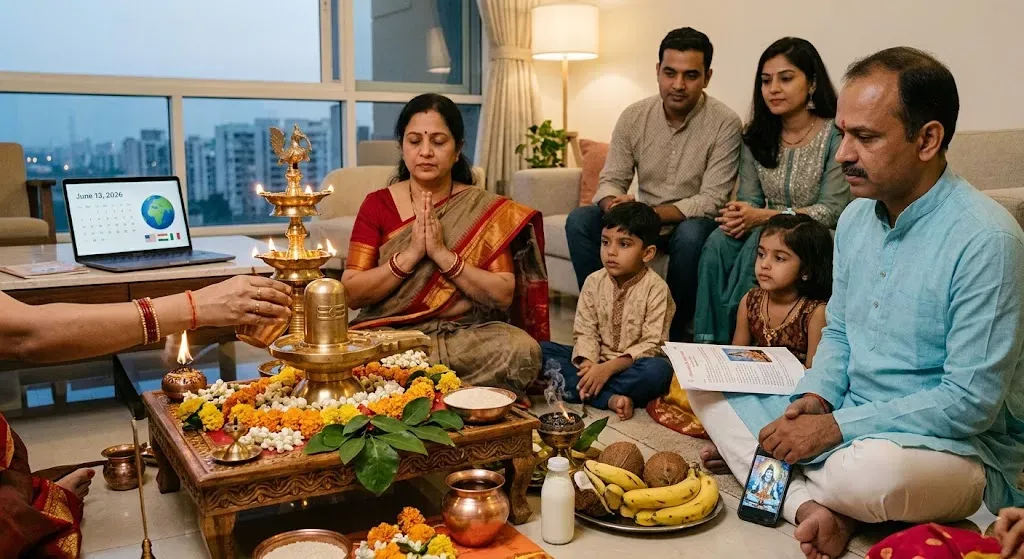
Masik Shivaratri Vrat Katha: The Hunter and the Bilva Tree, and How the Versions Differ
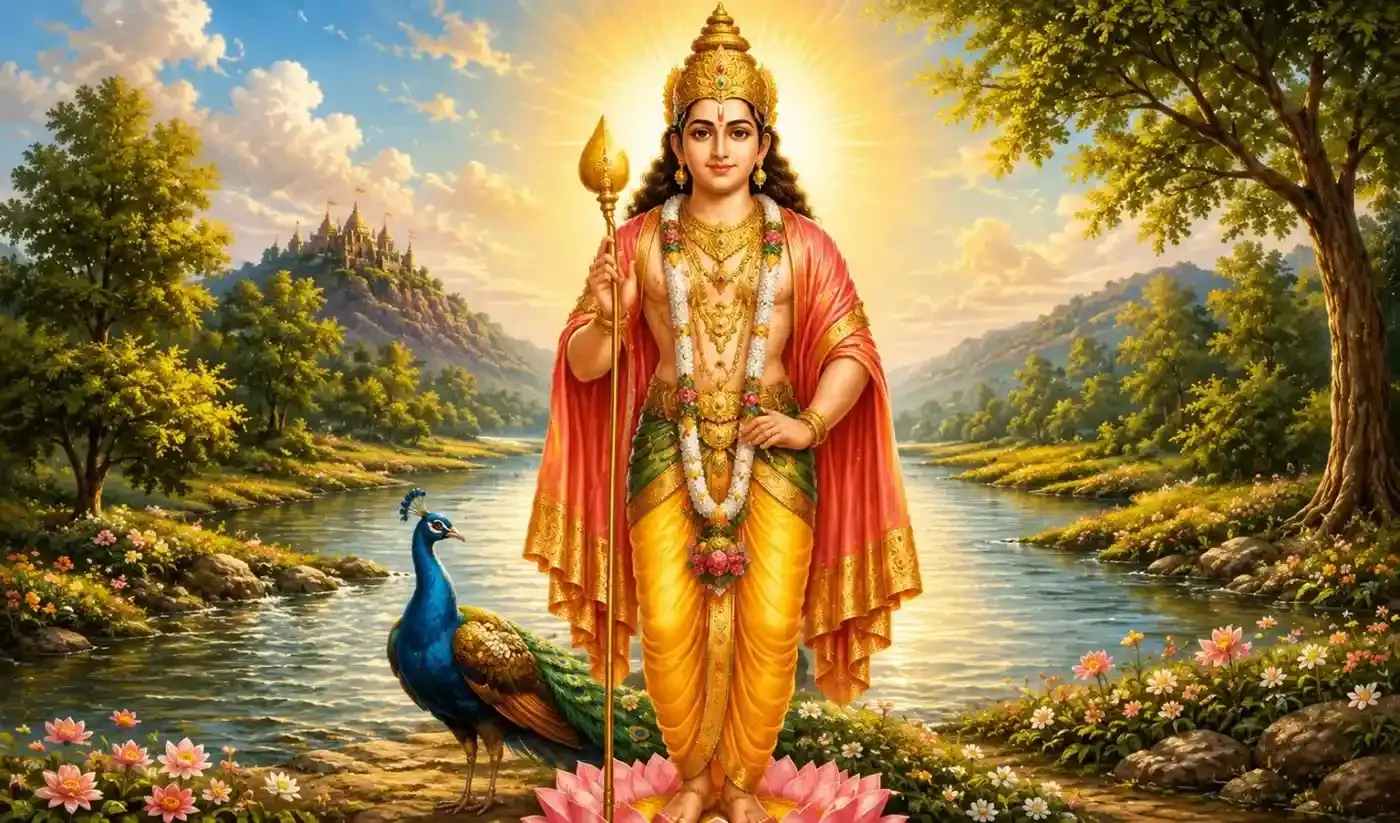
Skanda Shashti Vratham: The Six-Day Fast Day by Day, Fasting Rules, Home Puja and What to Recite

Karthika Vratam Udyapana 2026: How to Conclude the Karthika Vow, Dates and the Skanda Purana Procedure
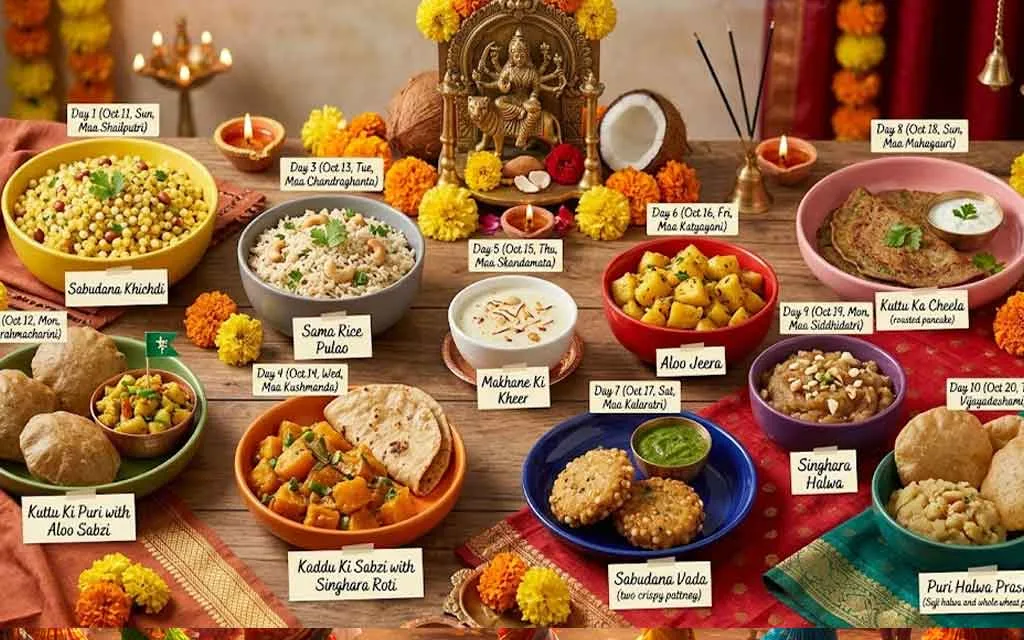
Samak Rice Khichdi for Navratri Vrat: Vrat ke Chawal Khichdi, Pulao and Kheer
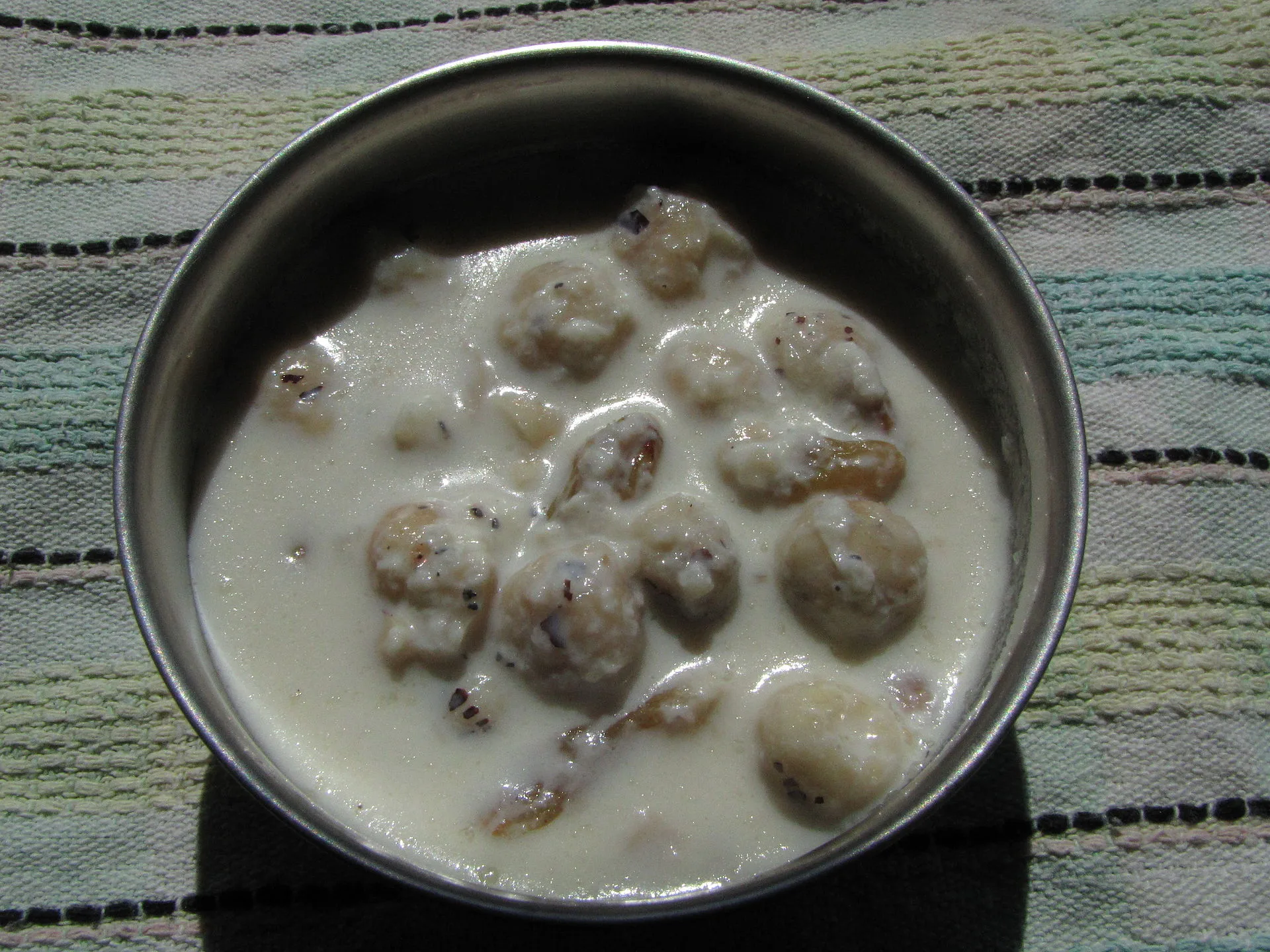
Makhana Kheer for Navratri Vrat and Bhog: Creamy Fox Nut Kheer with Sugar or Jaggery
Rajgira Paratha for Vrat: Soft Amaranth Parathas with a Singhara Atta Variation
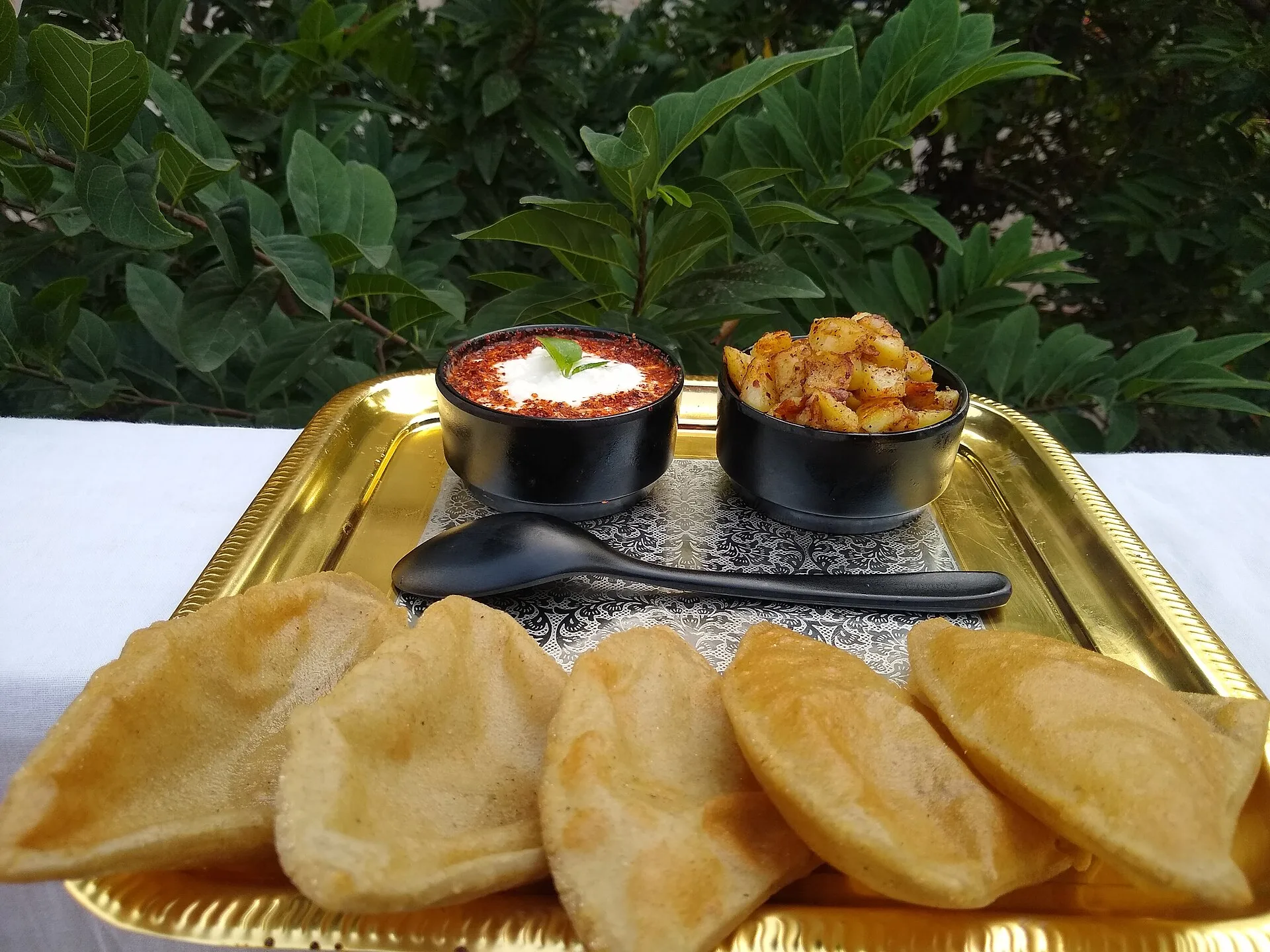
Kuttu Puri for Navratri Vrat: Buckwheat Puris with Potato Binder and Vrat Aloo Sabzi
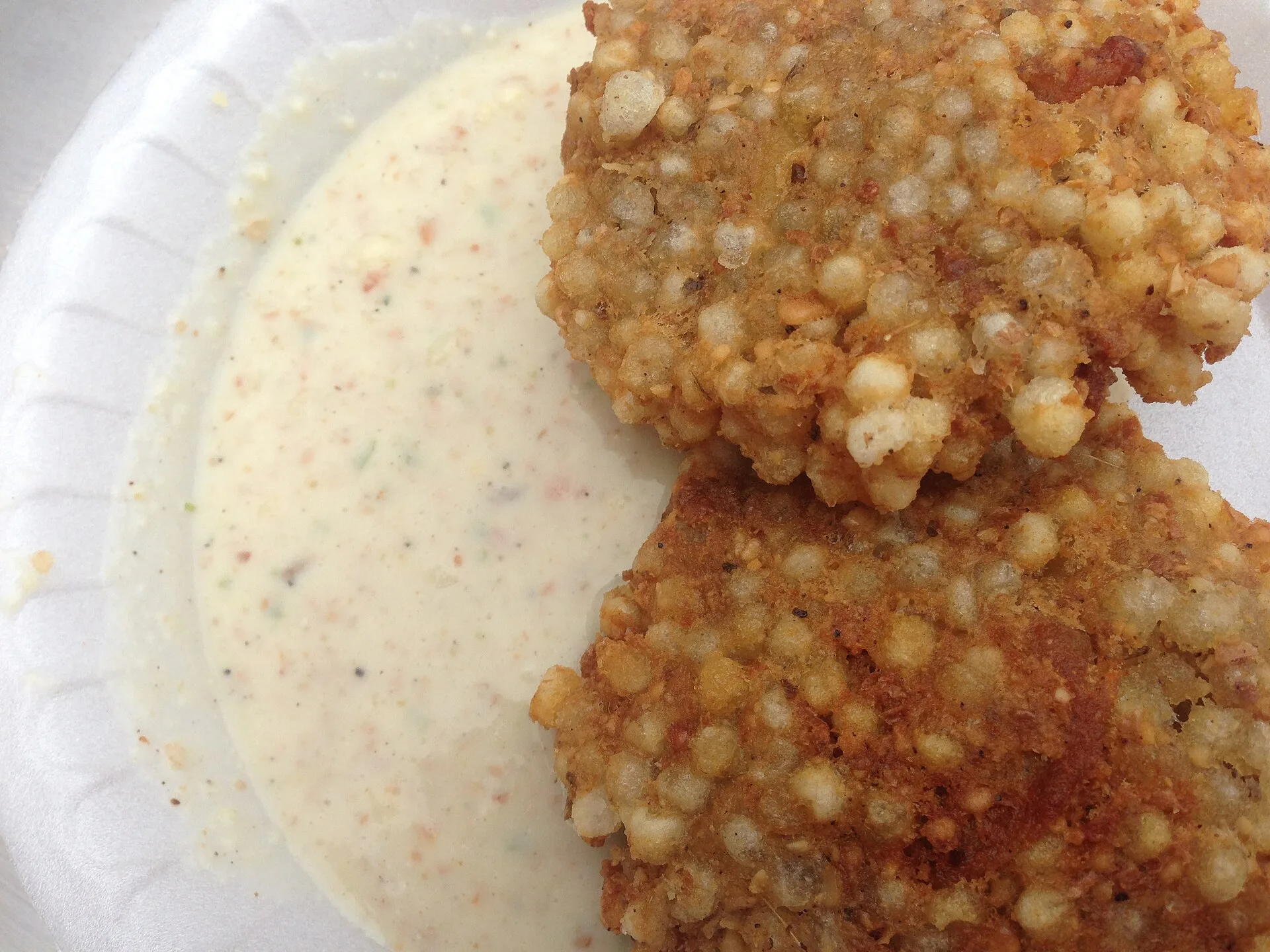
Sabudana Vada for Vrat: Crisp Fried or Air-Fryer Vadas with Vrat Green Chutney
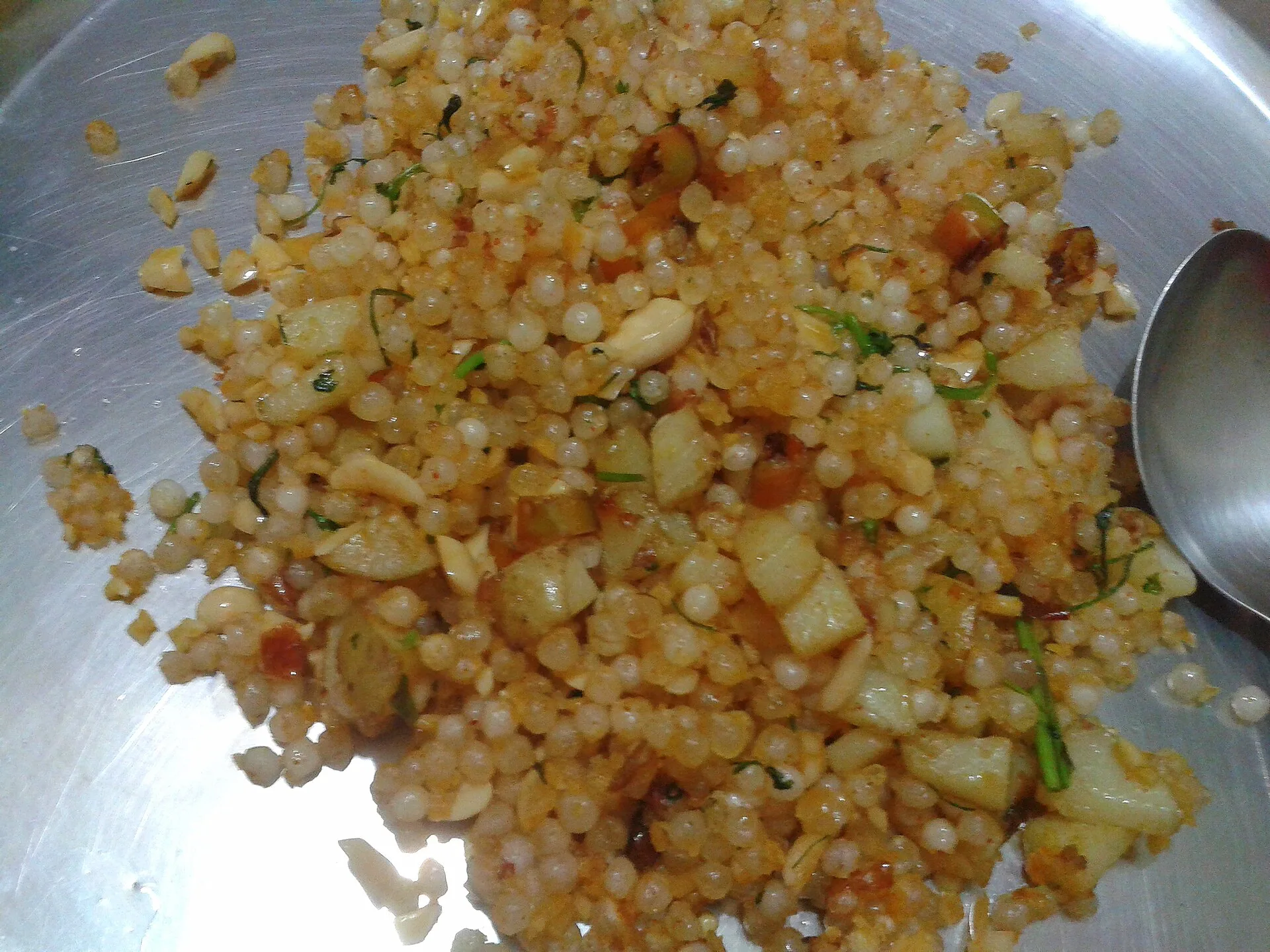
Sabudana Khichdi for Navratri Vrat: Soaking Ratio, Non-Sticky Method and Variations

Margashirsha Guruvar Vrat 2026: Mahalakshmi Thursday Dates, Margasira Lakshmivara Vratam, Puja Vidhi, Katha and Udyapan
December 2026 Vrat Calendar: Ekadashi, Pradosh, Shivaratri, Amavasya and Purnima Fasting Dates
November 2026 Vrat Calendar: Ekadashi, Pradosh, Sankashti, Shivaratri, Purnima and Amavasya Fasting Days
Umamaheshwara Vratam: Significance (Vishishtata), Procedure and NRI Guide
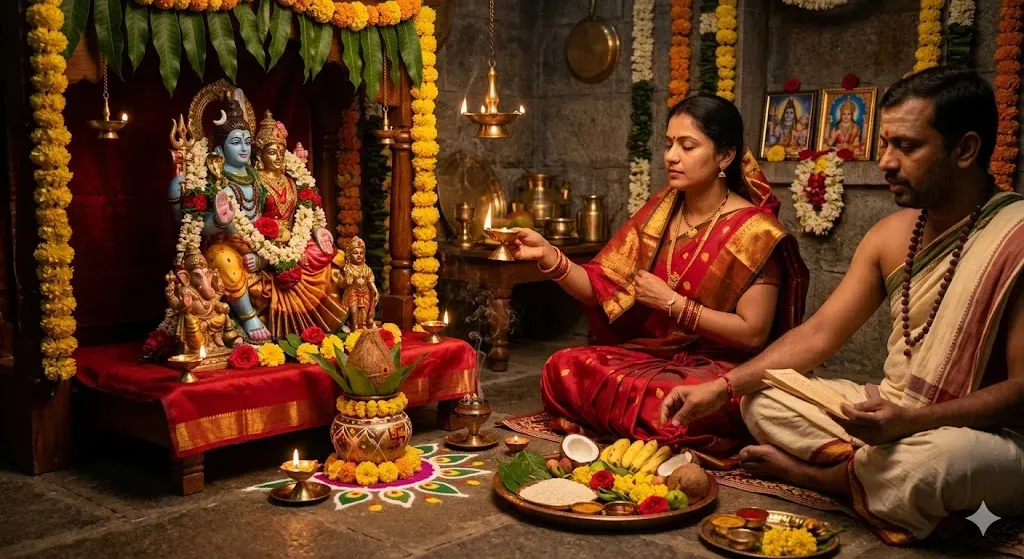
Kedareswara Vratam 2026: Date (Sunday 8 November), Samagri, Vratha Katha, Pooja Vidhanam and the 21-Knot Thoram
Mangala Gauri Vratam 2026: Tuesdays, Puja Vidhi & Mantra
Kokila Vrat & Ashadha Purnima 2026: Date, Story & Significance

Gauri Vrat 2026: Dates, Vidhi & Significance for Young Girls

Jaya Parvati Vrat 2026: Dates, Vidhi & Significance (Gujarat)
Vat Purnima Vrat 2026: Banyan Tree Worship on June 29 for Marital Bliss
Tuesday Fasting Rules and Vrat Menu: Mangalwar Vrat Vidhi, Samagri and Mangal Dosha Beliefs

Somavar Vrat Katha: The Complete Monday Fast Story for Lord Shiva Devotees
Hindu Vrat Guide 2026 for Busy Professionals Abroad: Ekadashi, Pradosh, Shivratri, Karva Chauth & Sankashti Calendar with Office-Friendly Recipes

Purnima Vrat Dates and Moonrise by City: November 2026 to January 2027, with Pournami Vrat Katha and Vidhi
FAQs
What is a vrat or vratam in Hinduism?
A vrat, or vratam in South India, is a religious vow observed for a set period with discipline, prayer and often fasting. It may be dedicated to a deity, such as Satyanarayana, Varalakshmi or Ekadashi vrat for Vishnu. The intention, or sankalpa, and devotion are considered more important than strict rules.
How do you do a vratam at home step by step?
Typically you bathe, clean the puja area, take a sankalpa stating your intention, worship Ganesha first, then perform the main puja with flowers, lamp and naivedyam. The vrat katha is read or heard, aarti is offered, and prasad is shared. Each vratam has its own specific procedure.
What can be eaten during a vrat?
Practices vary widely. Some vrats are nirjala, without water, while many allow fruit, milk, sabudana, potatoes, rock salt and nuts, avoiding grains, onion and garlic. Elderly people, pregnant women and those with health conditions often keep a lighter fast; it is wise to consult a doctor if unsure.
What are the popular vratas observed by women?
Popular vratas include Varalakshmi Vratam, Karwa Chauth, Teej, Mangala Gauri Vratam, Vat Savitri and Sankashti Chaturthi. They are traditionally kept for family well-being, though many are open to everyone. Customs differ between North and South India and between families.