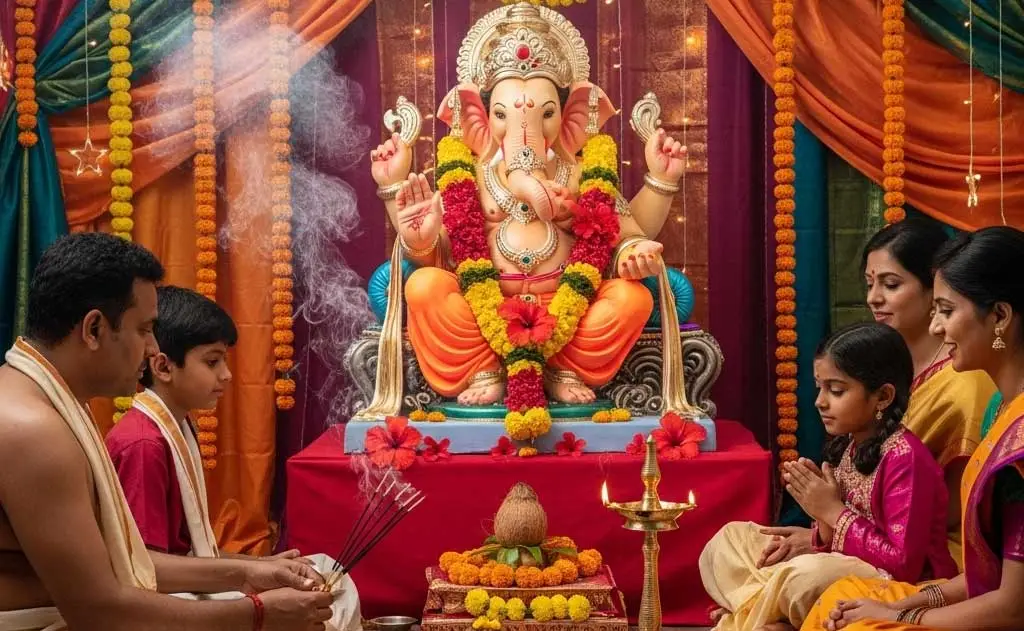
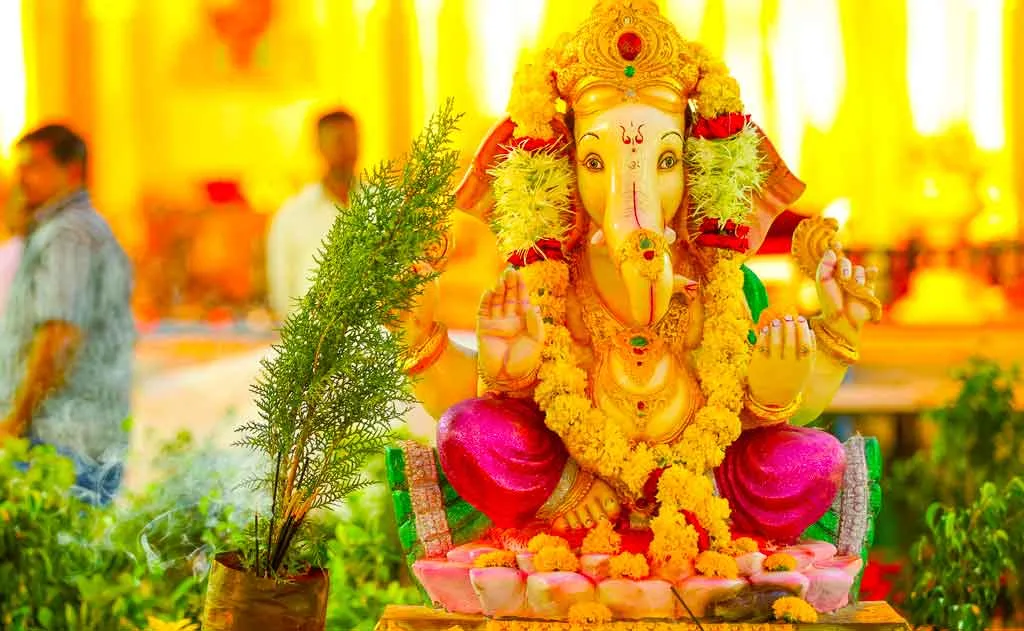
Ganesha — also Ganapati, Vinayaka, Vighneshwara, Lambodara — is the elephant-headed son of Shiva and Parvati, the Lord of Beginnings and the Remover of Obstacles. Every Hindu ritual begins with his invocation: temple foundations, weddings, business launches, even the simple act of opening a new notebook. His swollen belly contains all the universes; his single tusk represents the dual-nature reconciled into one truth; his mouse vehicle (mushika) symbolises mastery over restless desire. HinduTone's Ganesha hub covers his full story and practice: the Skanda Purana account of his birth from Parvati's turmeric paste and Shiva's reluctant reattachment of the elephant head; his role as scribe of the Mahabharata under Vyasa's dictation; the breaking of his tusk to defend Mahabharata's authorship; the Ashtavinayaka pilgrimage circuit of 8 Maharashtra temples celebrating his swayambhu forms; the 108 names (Ashtottara) chanted in temple worship; the Vakratunda Mahakaya sloka chanted before every undertaking; and the powerful Ganapati Atharvashirsha for advanced sadhakas. We also cover his festival calendar: Ganesh Chaturthi (the 10-day August/September celebration peaking on Anant Chaturdashi visarjan), Sankashti Chaturthi (the monthly Krishna Paksha 4th-day moonrise vrata), and Vinayaka Chavithi (Andhra/Karnataka regional name). Browse temple guides for Siddhivinayak Mumbai, Dagdusheth Halwai Pune, Khajrana Indore and the global Ganesh temple network from BAPS to Bhaktivedanta Manor.

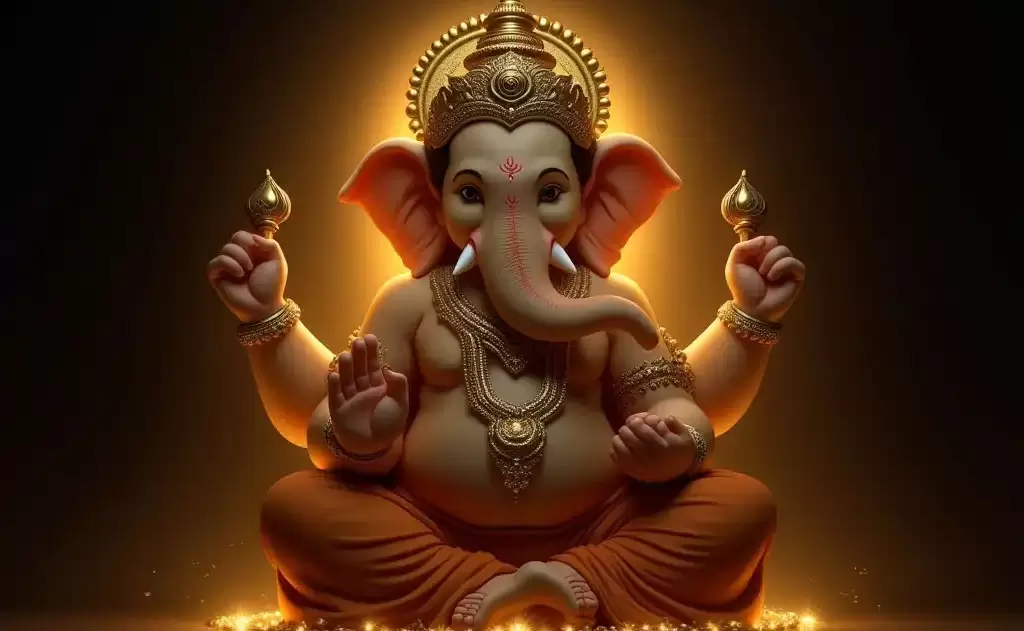
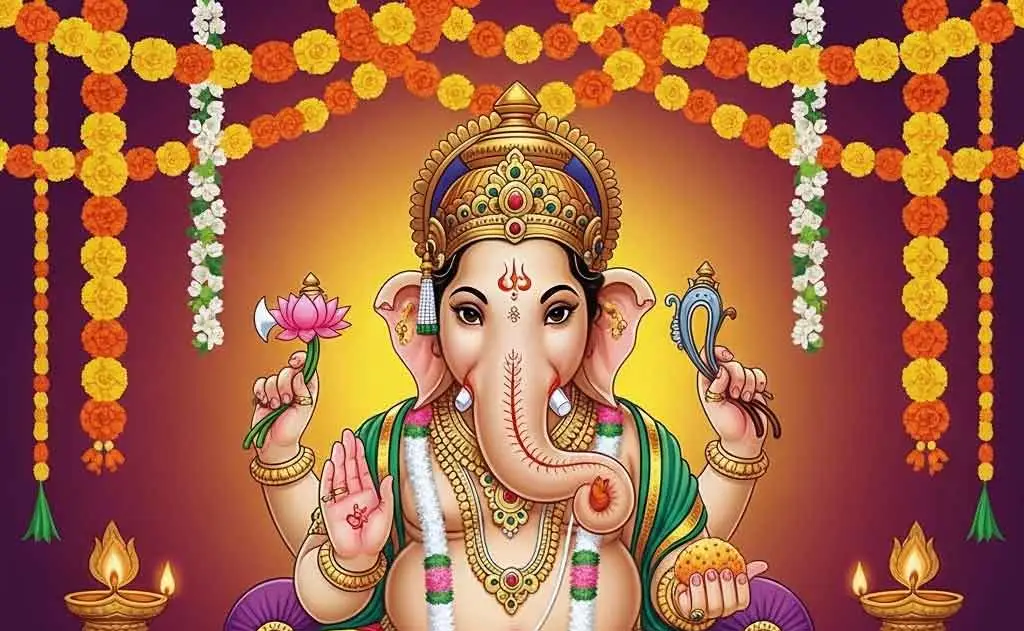
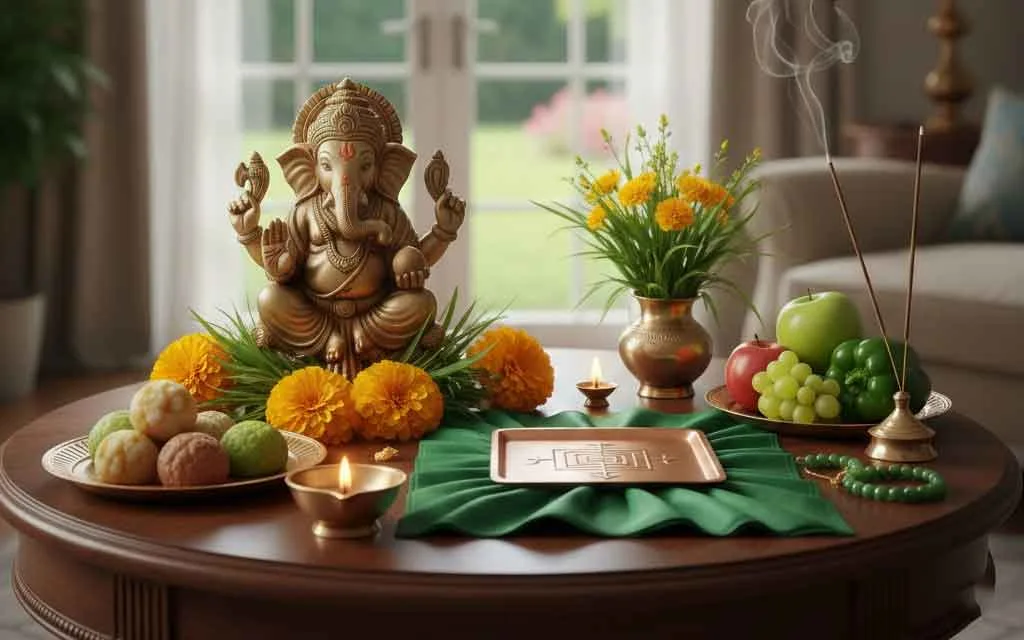
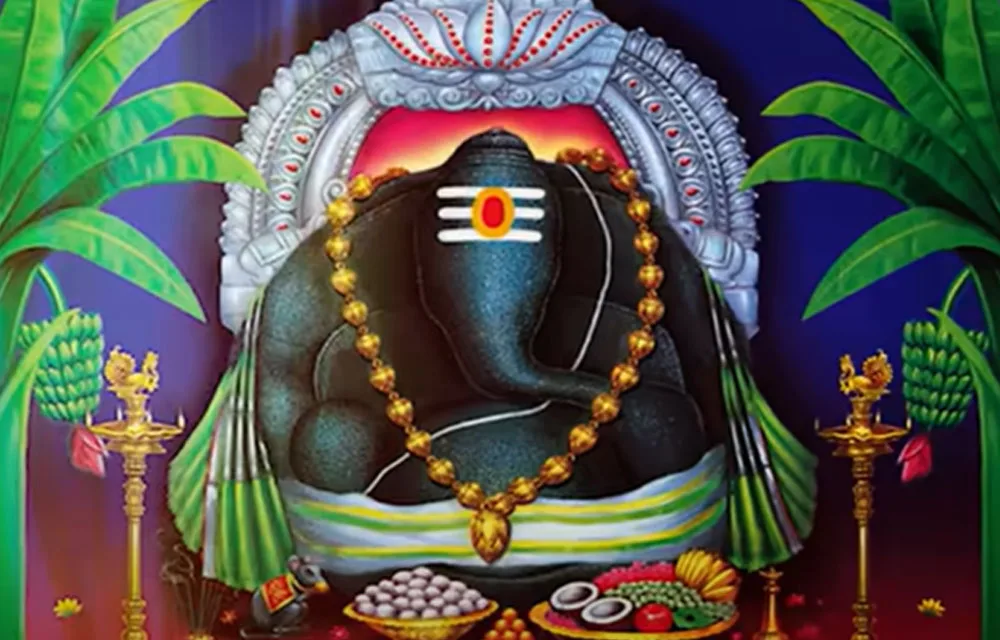
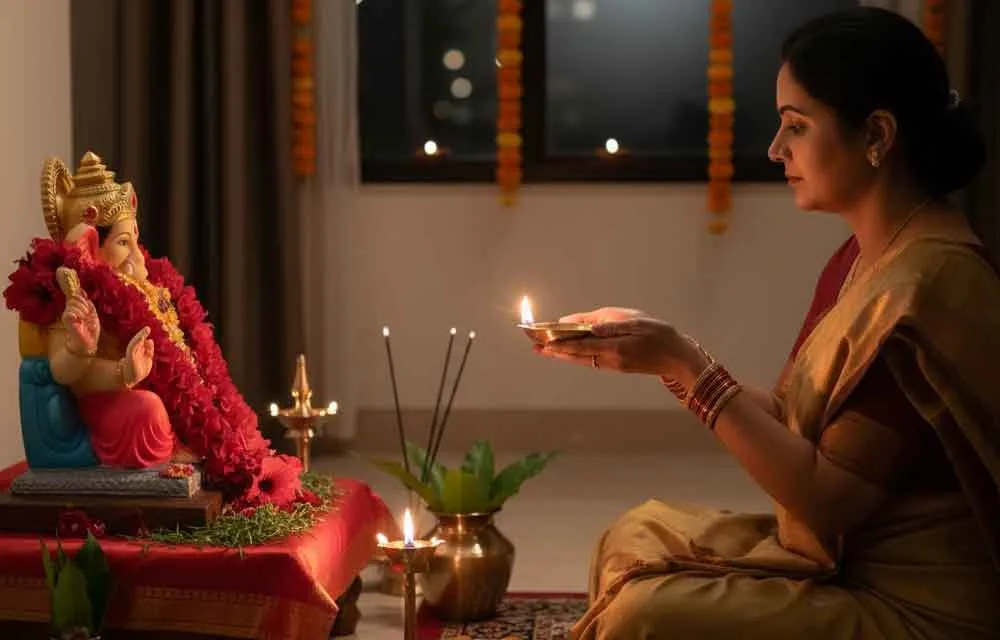
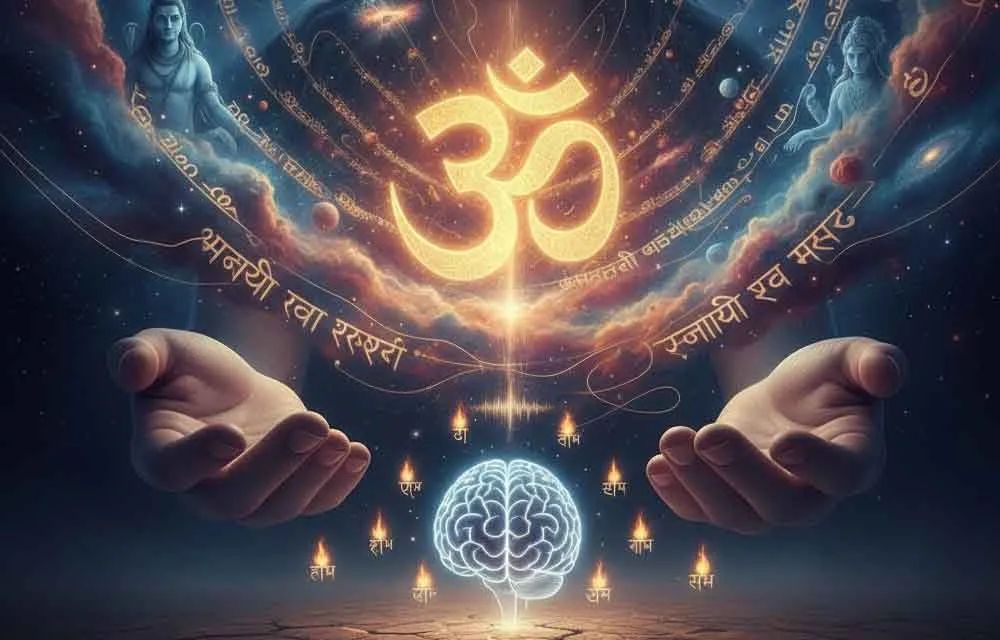
"Vakratunda Mahakaya Suryakoti Samaprabha / Nirvighnam Kuru Me Deva Sarva Karyeshu Sarvada" — chanted before every important undertaking. The shorter "Om Gan Ganapataye Namah" beeja mantra is recommended for daily japa, 108 times.
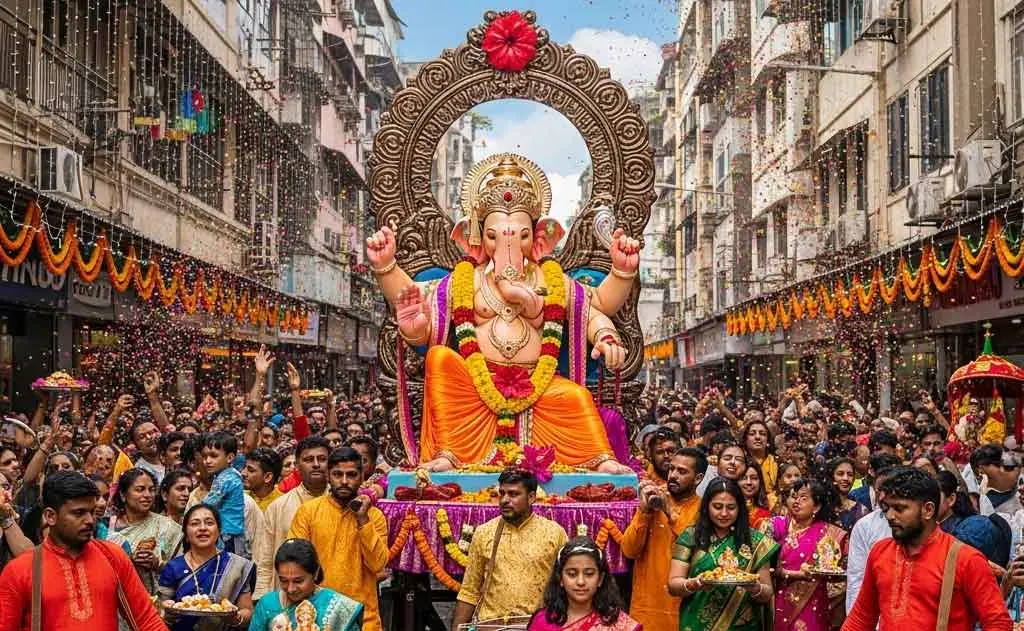
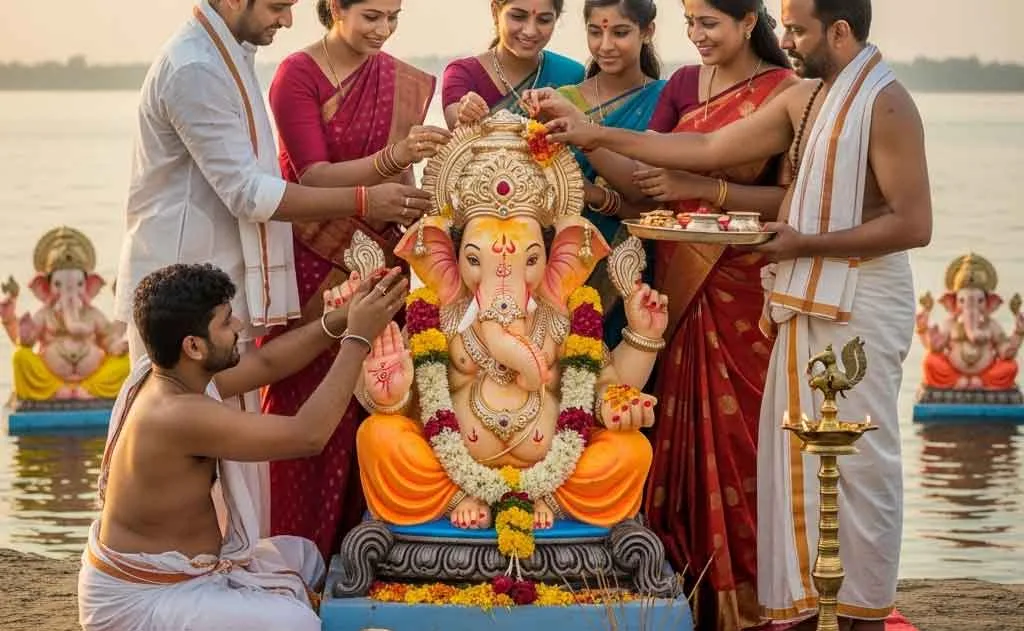
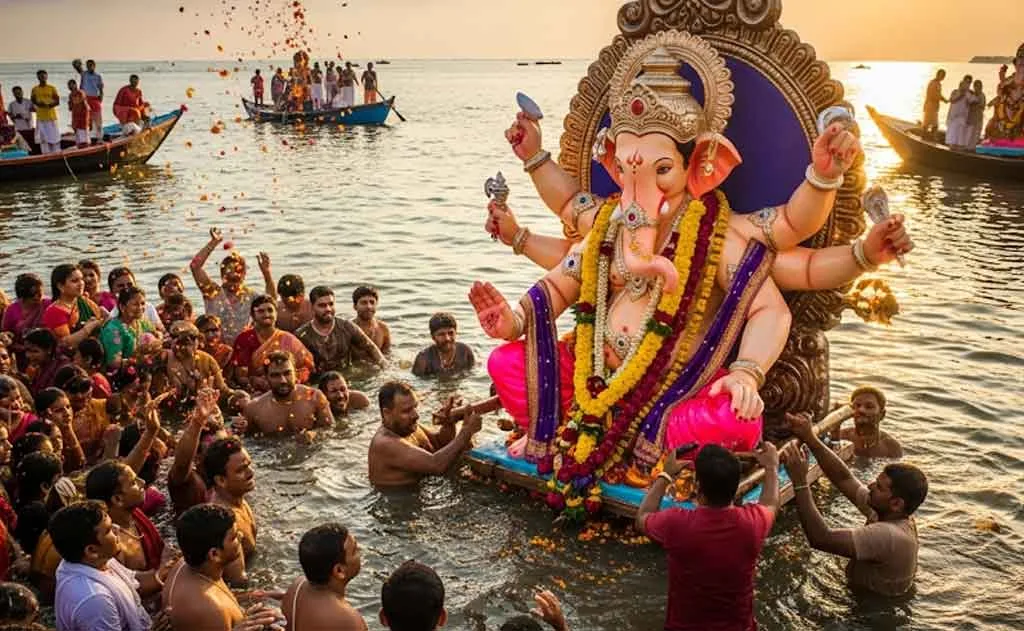
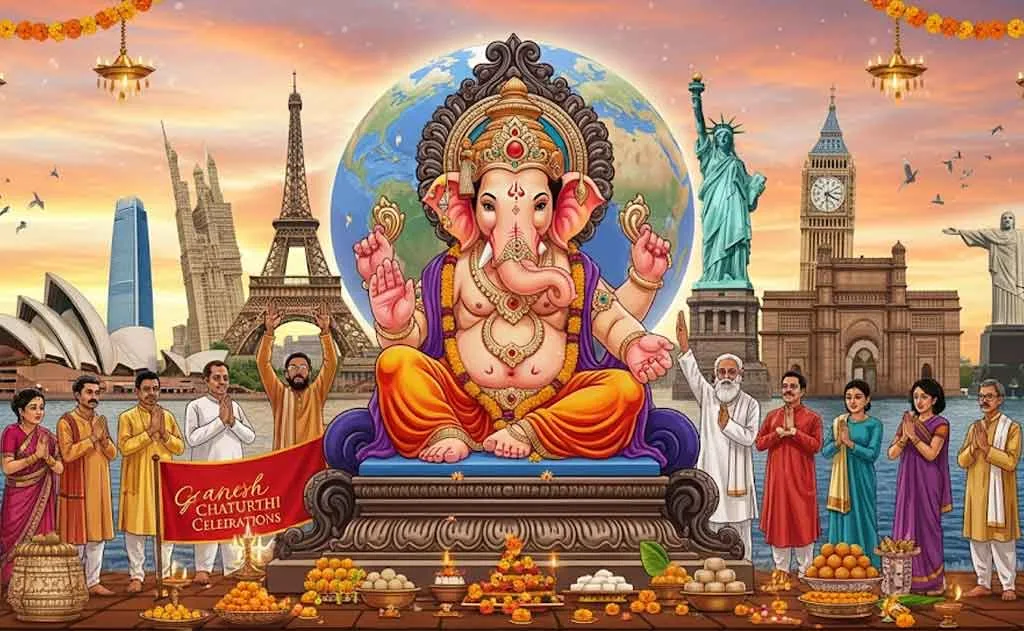
Ganesh Chaturthi 2026 falls on Friday, 11 September. The 10-day festival runs to Anant Chaturdashi on Sunday, 20 September (the day of Ganesh visarjan immersion). Sankashti Chaturthi falls monthly on Krishna Paksha day 4.
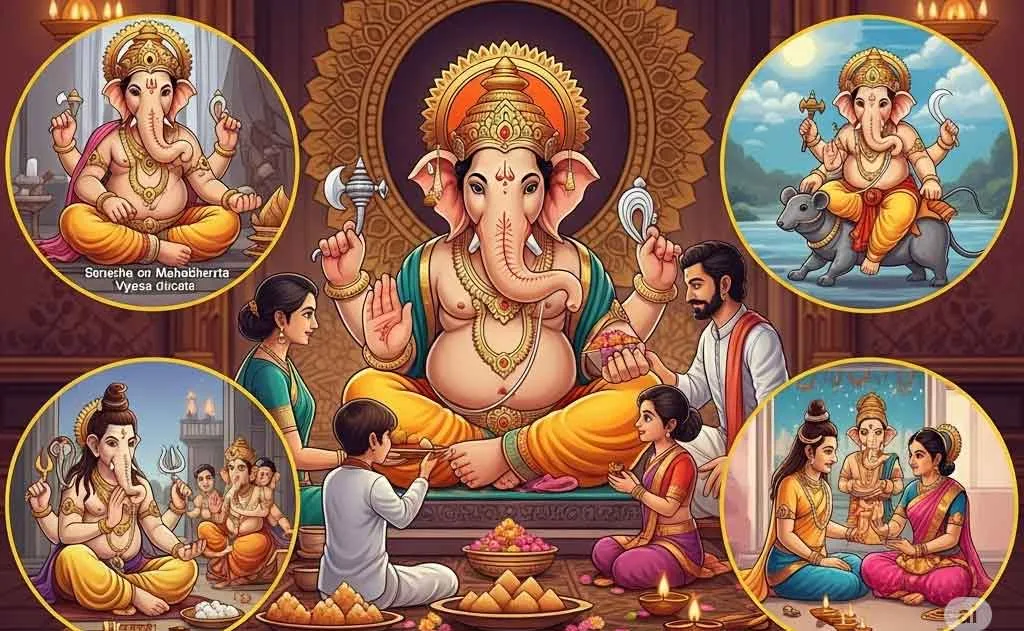
The Skanda Purana relates: Parvati created Ganesha from turmeric paste to guard her bath. Shiva, returning home, didn't recognise the boy and beheaded him in anger. To console Parvati, Shiva ordered his ganas to bring the head of the first creature they encountered — an elephant. He attached it and revived Ganesha, declaring him Vighneshwara — Lord of Obstacles.
The mushika (mouse) is Ganesha's vahana (vehicle). Symbolically it represents the restless mind — gnawing constantly, multiplying tirelessly, hiding in dark corners. By riding the mouse, Ganesha demonstrates mastery over desire and ego. Devotees feed the temple mouse statue, asking it to carry their prayer to Ganesha.
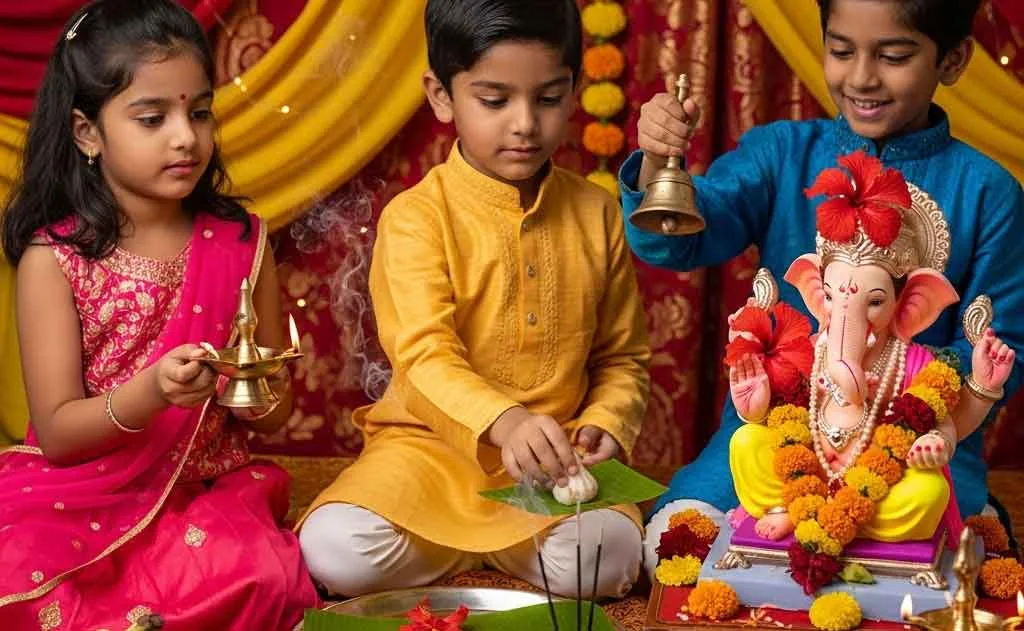
Tuesday (Mangalwar) is broadly sacred to Ganesha (alongside Hanuman), and the 4th tithi of every paksha is his Chaturthi. Some traditions also dedicate Wednesday to him. Daily Ganesha worship — even a brief Vakratunda chant — is recommended at the start of every new task.
