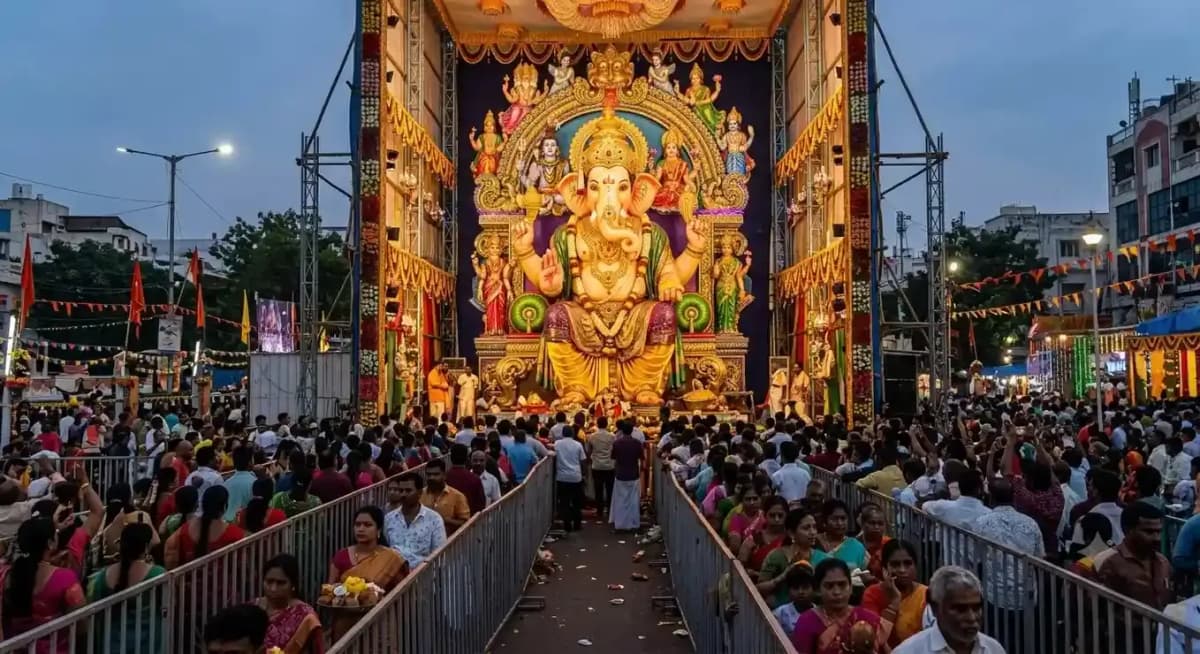
Complete Guide to Ganesh Mandapam Rituals: From Installation to Nimajjanam
Ganesh Chaturthi, one of India's most celebrated festivals, transforms communities with vibrant mandapams (temporary structures) housing magnificent Ganesha…
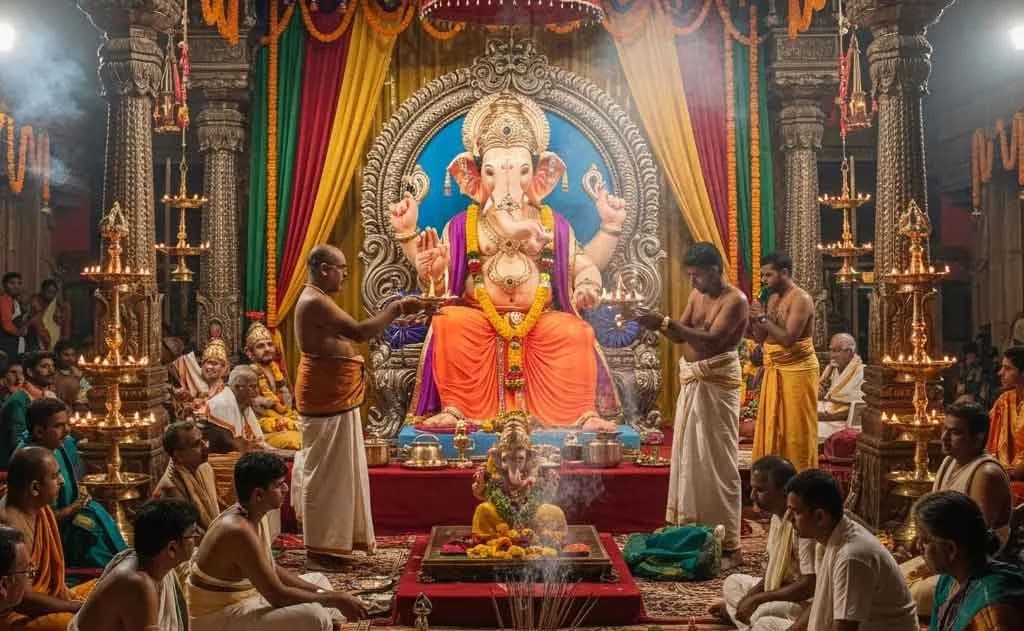
Ganesh Chaturthi, one of India's most celebrated festivals, transforms communities with vibrant mandapams (temporary structures) housing magnificent Ganesha…
Ganesh Chaturthi, one of India's most celebrated festivals, transforms communities with vibrant mandapams (temporary structures) housing magnificent Ganesha idols. The journey from installation to Nimajjanam (immersion) spans 11 days of devotion, rituals, and community celebration. Here's your comprehensive guide to performing all the essential rituals in Ganesh mandapams.
Pre-Installation Preparations
Setting Up the Mandapam
Location Selection: Choose an auspicious location, preferably facing east or north. The mandapam should be spacious enough for community gatherings and ritual performances.
Decoration: Adorn the mandapam with:
- Colorful fabrics and drapes
- Fresh flower garlands (marigolds, roses, jasmine)
- Banana plants and sugarcane stalks
- Traditional oil lamps and colorful lights
- Rangoli designs at the entrance
Essential Puja Items Required:
- Clay Ganesha idol (eco-friendly preferred)
- Wooden altar or platform covered with clean cloth
- Kalash (sacred pot) filled with water
- Coconuts, fruits, and sweets (especially modaks)
- Incense sticks, camphor, and oil lamps
- Fresh flowers and durva grass
- Betel leaves and nuts
- Turmeric and kumkum
- Sacred thread (janeu)
- Conch shell and bells
Day 1: Ganesh Chaturthi - Installation Rituals
Pranapratishtha (Idol Installation)
Timing: Install the idol during the auspicious muhurat, typically in the afternoon between 11 AM to 1 PM.
Step-by-Step Installation Process:
- Ganapati Avahana (Invocation)
- Place the idol on the decorated altar
- Chant: "गणानां त्वा गणपतिं हवामहे" (Gananam tva ganapatim havaamahe)
- Sprinkle holy water on the idol while invoking Lord Ganesha's presence
- Panchopachara Puja (Five-fold Worship)
- Gandha: Apply sandalwood paste and turmeric
- Pushpa: Offer fresh flowers and durva grass
- Dhupa: Light incense sticks
- Deepa: Offer oil lamp
- Naivedya: Present food offerings
- Shodashopachara Puja (16-Step Worship) This elaborate ritual includes:
- Dhyana (meditation)
- Avahana (invocation)
- Asana (offering seat)
- Padya (washing feet)
- Arghya (offering water for hands)
- Achamana (offering water for sipping)
- Snana (ceremonial bath)
- Vastra (offering clothes/sacred thread)
- Upavita (sacred thread ceremony)
- Gandha (sandalwood paste application)
- Pushpa (flower offering)
- Dhupa (incense offering)
- Deepa (lamp offering)
- Naivedya (food offering)
- Aarti (ceremonial worship with lamps)
- Pradakshina (circumambulation)
Evening Aarti
Conduct the first evening aarti with the famous "Sukhkarta Dukhharta" aarti, accompanied by bhajans and community singing.
Daily Rituals (Days 2-10)
Morning Rituals (6:00-8:00 AM)
- Suprabhatam: Wake up Ganesha with melodious morning prayers
- Abhishekam: Ceremonial bath with panchamrita (milk, yogurt, honey, ghee, sugar)
- Decoration: Adorn with fresh flowers and apply turmeric-kumkum
- Morning Aarti: Perform with dhoop, deep, and prasadam offering
- Bhajan Session: Community devotional singing
Afternoon Rituals (12:00-1:00 PM)
- Madhyanha Aarti: Midday worship with special offerings
- Naivedya: Offer lunch prasadam including modaks, laddus, and seasonal fruits
- Rest Time: Allow symbolic rest for the deity
Evening Rituals (6:00-8:00 PM)
- Sandhya Aarti: Main evening worship attracting large gatherings
- Cultural Programs: Organize bhajans, classical music, and dance performances
- Prasadam Distribution: Share blessed food with all devotees
- Community Activities: Storytelling sessions about Ganesha's legends
Night Rituals (8:00-9:00 PM)
- Ratri Aarti: Final worship of the day
- Shej Aarti: Bedtime prayers for peaceful rest
- Decorative Lighting: Illuminate the mandapam with beautiful lights
Special Observances During the Festival
Ekadashi (5th Day)
- Extended puja with special offerings
- Fasting by devotees (optional)
- Community feast in the evening
Sankashti (8th Day)
- Moonrise worship (Chandrodaya)
- Special prayers for obstacle removal
- Night-long bhajan sessions
Anant Chaturdashi Preparation (10th Day)
- Deep cleaning of the mandapam
- Special decoration for the final day
- Preparation for visarjan procession
Day 11: Anant Chaturdashi - Nimajjanam (Immersion Day)
Morning Preparations
- Final Worship: Elaborate morning puja with complete Shodashopachara
- Decoration: Dress the idol in finest decorations for the journey
- Uttar Puja: Farewell ceremony with special mantras
- Community Gathering: Assembly of all devotees for final prayers
Pre-Visarjan Rituals
- Ganapati Bappa Morya Chanting: Traditional farewell chants
- Emotional Prayers: Devotees seek blessings for the coming year
- Photography and Documentation: Capture memories before departure
- Final Aarti: Last ceremonial worship in the mandapam
Visarjan Procession
Route Planning: Organize the procession route to the nearest water body (river, lake, or artificial pond).
Procession Elements:
- Decorated truck or vehicle carrying the idol
- Traditional dhol-tasha (drums and cymbals)
- Dancing groups and cultural troupes
- Distribution of gulal (colored powder)
- Continuous chanting of "Ganapati Bappa Morya, Mangalmurti Morya"
Immersion Ceremony
- Arrival at Water Body: Gather all devotees at the immersion site
- Final Prayers: Collective prayer asking for Ganesha's return next year
- Immersion: Gently immerse the idol while chanting farewell mantras
- Eco-Friendly Practices: Use biodegradable idols and decorations
- Cleaning Drive: Organize cleanup activities post-immersion
Traditional Offerings and Prasadam
Special Food Items
- Modak: Ganesha's favorite sweet, considered essential
- Laddoo: Especially besan (gram flour) laddoos
- Karanji: Sweet dumpling with coconut-jaggery filling
- Puran Poli: Sweet flatbread
- Payasam: Sweet rice pudding
- Coconut Rice: Offered especially in South Indian traditions
Daily Naivedya
- Fresh fruits (21 varieties when possible)
- Seasonal vegetables
- Panchamrita (five-nectar mixture)
- Tulsi leaves (holy basil)
- Durva grass (essential for Ganesha worship)
Community Activities and Cultural Programs
Educational Programs
- Lectures on Ganesha's significance and teachings
- Children's storytelling sessions
- Art and craft workshops
- Environmental awareness programs
Cultural Performances
- Classical dance recitals
- Devotional music concerts
- Drama performances depicting Ganesha's stories
- Community competitions (rangoli, decoration, singing)
Social Service Activities
- Free medical camps
- Blood donation drives
- Food distribution to underprivileged
- Educational support programs
Environmental Considerations
Eco-Friendly Practices
- Use clay idols instead of Plaster of Paris
- Natural colors for decoration
- Biodegradable materials only
- Artificial ponds for immersion to protect natural water bodies
- Proper waste segregation and disposal
Post-Festival Cleanup
- Organized cleanup drives
- Recycling of decorative materials
- Proper disposal of non-biodegradable items
- Water body conservation activities
Mantras and Prayers
Essential Mantras
Installation Mantra:
गणानां त्वा गणपतिं हवामहे कविं कवीनामुपमश्रवस्तमम्।
ज्येष्ठराजं ब्रह्मणां ब्रह्मणस्पत आ नः शृण्वन्नूतिभिः सीद सादनम्॥
Daily Prayer:
वक्रतुण्ड महाकाय सूर्यकोटि समप्रभ।
निर्विघ्नं कुरु मे देव सर्वकार्येषु सर्वदा॥
Visarjan Mantra:
गजाननं भूतगणादि सेवितं कपित्थ जम्बूफलचारु भक्षणम्।
उमासुतं शोकविनाश कारकं नमामि विघ्नेश्वर पाद पङ्कजम्॥
Planning and Organization Tips
Committee Formation
- Form organizing committees with specific responsibilities
- Assign roles for decoration, food, cultural programs, and safety
- Establish clear communication channels
- Plan budget and resource allocation
Safety Measures
- Ensure proper electrical safety for lighting
- Crowd management during peak times
- First aid arrangements
- Fire safety precautions
- Traffic management during procession
Documentation and Memories
- Photography and videography arrangements
- Social media coverage
- Newsletter or magazine publication
- Memory book creation for devotees
Spiritual Significance and Teachings
The 11-day Ganesh festival journey represents spiritual transformation:
- Installation: Inviting divine presence into our lives
- Daily Worship: Consistent spiritual practice and devotion
- Community Service: Selfless service to society
- Cultural Activities: Preservation and promotion of traditions
- Immersion: Letting go and understanding impermanence
Life Lessons from Ganesha
- Overcome obstacles with wisdom and patience
- Embrace new beginnings with confidence
- Value knowledge and learning
- Practice modesty despite strength
- Serve as a bridge between divine and human realms
Regional Variations and Customs
Different regions add their unique flavors to Ganesh mandapam rituals:
Maharashtra
- Elaborate public celebrations
- Famous mandapams in Mumbai and Pune
- Traditional dhol-tasha pathaks
- Community competitions and prizes
Andhra Pradesh and Telangana
- Kheer (payasam) as primary prasadam
- Specially decorated pandals
- Cultural programs emphasizing Telugu traditions
- Eco-friendly initiatives in recent years
Karnataka
- Integration with local folk arts
- Emphasis on classical music concerts
- Traditional Mysore pak as prasadam
- Community involvement in rural areas
Tamil Nadu
- Pillayar festivals in temples
- Special kozhukattai (modak) preparations
- Classical Bharatanatyam performances
- Integration with local harvest festivals
Conclusion
The journey from Ganesh mandapam installation to Nimajjanam represents a complete cycle of devotion, community bonding, cultural preservation, and spiritual growth. Each ritual carries deep significance, connecting devotees with ancient wisdom while fostering contemporary community values.
By following these comprehensive guidelines, mandapam organizers can ensure that their Ganesh Chaturthi celebrations honor tradition while embracing modern environmental and social consciousness. The festival's true success lies not just in grand decorations or elaborate rituals, but in the transformation it brings to individual hearts and community spirit.
Remember, Lord Ganesha's blessings are sought not just for the removal of obstacles, but for the wisdom to navigate life's challenges with grace, the strength to serve others selflessly, and the humility to remain grounded despite achievements. May your Ganesh mandapam become a beacon of these eternal values, inspiring all who visit to carry forward the lord's teachings throughout the year.
Ganapati Bappa Morya, Mangalmurti Morya! Next year may he come again sooner!
Frequently Asked Questions
When is to Ganesh Mandapam Rituals?
to Ganesh Mandapam Rituals is observed on its traditional tithi in the Hindu lunar calendar; refer to the year's panchang for the exact date in your region.
What is the significance of to Ganesh Mandapam Rituals?
Ganesh Chaturthi, one of India's most celebrated festivals, transforms communities with vibrant mandapams (temporary structures) housing magnificent Ganesha idols. The journey from installation to Nimajjanam (immersion) spans 11 days of devotion, rituals, and community celebration.
How is to Ganesh Mandapam Rituals celebrated?
Devotees observe it with puja, fasting or special offerings, visiting temples, chanting mantras, and gathering with family. Customs vary by region and tradition.
What should devotees do on to Ganesh Mandapam Rituals?
Worship Lord Ganesha, perform the day's puja and offerings, observe the fast where prescribed, and chant the associated mantras with devotion.
You might also like
Ganesh Mandapam Permissions in Hyderabad 2026: How to Apply, Rules & Requirements
Hindu Festival Calendar 2026 — Complete Guide for NRIs (Dates, Tithis, Puja)

Ganesh Nimajjanam Permissions in Hyderabad 2026: Procession Routes, Crane Points and Immersion Rules