Sabarimala Yatra Complete Guide: Route, Online Booking, and Pooja Timings
The Sabarimala pilgrimage is one of the most sacred and challenging journeys in Hinduism, attracting millions of devotees annually to the abode of Lord Ayyappa…
The Sabarimala pilgrimage is one of the most sacred and challenging journeys in Hinduism, attracting millions of devotees annually to the abode of Lord Ayyappa…
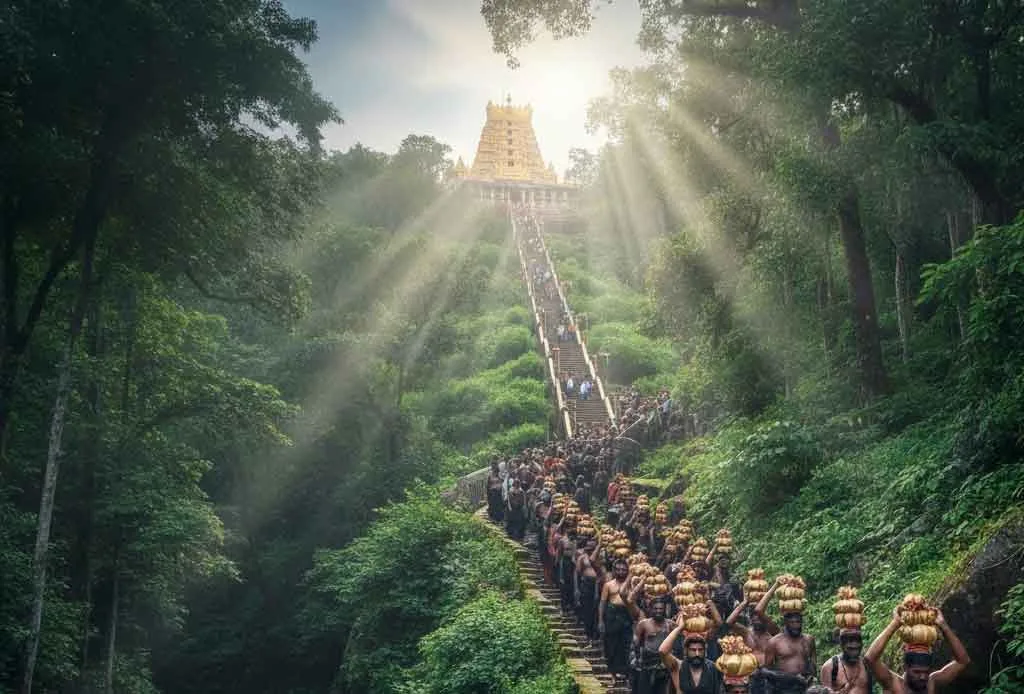
The Sabarimala pilgrimage is one of the most sacred and challenging journeys in Hinduism, attracting millions of devotees annually to the abode of Lord Ayyappa in the Western Ghats of Kerala. Nestled in the Periyar Tiger Reserve at an altitude of 468 meters, this ancient temple demands both physical endurance and spiritual dedication from its pilgrims.
Understanding the Sabarimala Pilgrimage
The Sacred Significance
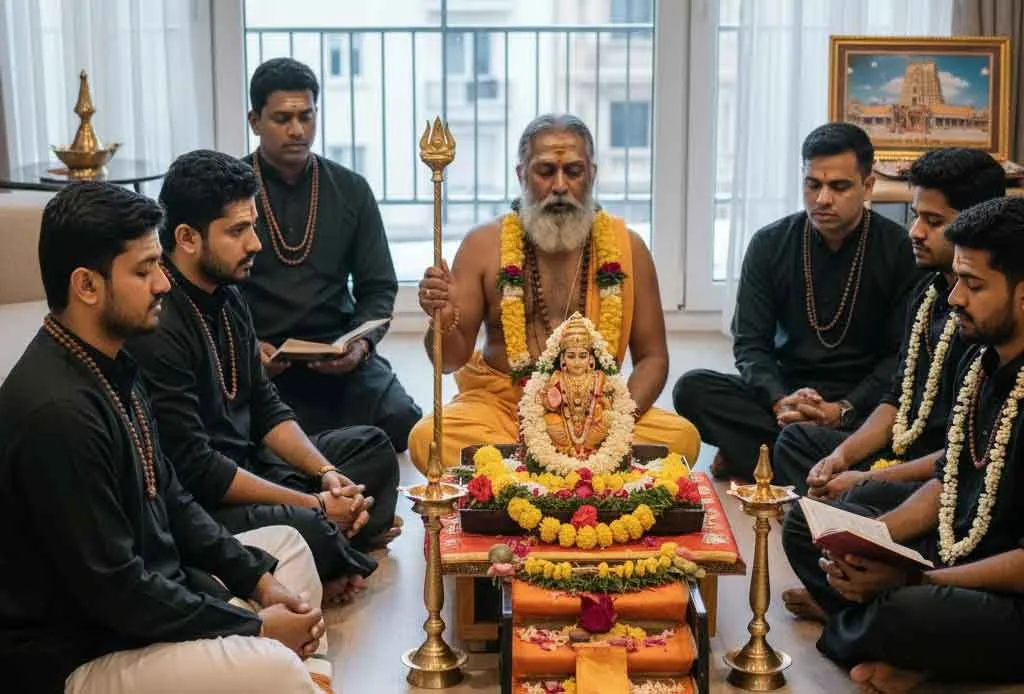
Lord Ayyappa, the presiding deity of Sabarimala, is believed to be the son of Lord Shiva and Mohini (the female avatar of Lord Vishnu). The temple holds unique significance as it welcomes devotees of all faiths, embodying the universal message of spiritual harmony. However, the pilgrimage requires strict adherence to a 41-day vrata (penance period) before undertaking the journey.
The Pilgrimage Season
The temple operates during specific seasons throughout the year:
Mandala-Makaravilakku Season (Mid-November to Mid-January): The most popular pilgrimage period, culminating with the Makaravilakku festival
- Mandalam: Mid-November to December 26
- Makaravilakku: December 30 to January 14
Vishu Season: April (during the Malayalam New Year)
First Five Days of Malayalam Months: The temple opens on the first five days of each Malayalam month
Monthly Pooja Days: Specific days for special rituals throughout the year
Sabarimala Online Booking 2025: Step-by-Step Registration
The Kerala Police, in collaboration with the Travancore Devaswom Board, has implemented a mandatory virtual queue system to manage the pilgrim flow efficiently.
Online Registration Process
Step 1: Visit the Official Portal
- Navigate to the official website: sabarimalavirtualq.com or through the Sabarimala Q mobile app
- Available on both Android and iOS platforms
Step 2: Create an Account
- Register with your mobile number and email ID
- Verify through OTP authentication
- Create a secure password
Step 3: Book Your Slot
- Select your preferred date of darshan
- Choose the time slot (multiple slots available throughout the day)
- Enter pilgrim details (name, age, ID proof number)
- Maximum 10 members can be registered under one booking
Step 4: Upload Documents
- Valid government-issued photo ID (Aadhaar, Passport, Driving License, Voter ID)
- Recent passport-size photograph
- Ensure all documents are clear and readable
Step 5: Payment and Confirmation
- Nominal registration fee applies
- Payment can be made through credit/card, debit card, net banking, or UPI
- Download the virtual queue ticket immediately after confirmation
- A confirmation message will be sent to your registered mobile number
Important Booking Guidelines
- Booking opens approximately 30 days in advance
- Limited slots are available per day to ensure safety and smooth darshan
- Keep a digital and printed copy of your virtual queue ticket
- Carry the original ID proof used during registration
- Children below 5 years and senior citizens above 65 years have special consideration
Routes to Sabarimala: Choosing Your Path
1. Pamba Route (Most Popular)
Distance: 4.5 km trek from Pamba to Sannidhanam
How to Reach Pamba:
- By Air: Nearest airport is Trivandrum International Airport (160 km) or Cochin International Airport (150 km)
- By Train: Nearest railway stations are Chengannur (65 km), Kottayam (110 km), or Ernakulam (155 km)
- By Road: Well-connected by Kerala State Transport buses and private vehicles
The Trek:
- Relatively shorter and more accessible route
- Well-paved path with facilities along the way
- Takes approximately 3-4 hours for an average pilgrim
- Suitable for elderly and first-time pilgrims
- Rest stops available at regular intervals
Key Landmarks:
- Start from Pamba River (mandatory bath before ascent)
- Appachimedu
- Sabari Peedam
- Karimala Mettuchattam
- Neelimala (where the sacred 18 steps begin)
2. Erumeli Route (Traditional Route)
Distance: Approximately 46 km through forest trails
The Sacred Petta Thullal:
- Pilgrims perform the ritualistic dance at Erumeli Mahadeva Temple
- Symbolizes the dance performed by Lord Ayyappa after defeating the demoness Mahishi
- Devotees paint themselves with colors and dance in ecstasy
Journey Highlights:
- Start from Erumeli
- Trek through Karimala (steep climb)
- Pass through Azhutha (7-8 km from Erumeli)
- Continue to Pamba through dense forests
- Typically takes 2-3 days of trekking
Ideal For: Physically fit pilgrims seeking the traditional forest path experience
3. Vandiperiyar Route
Distance: 47 km from Vandiperiyar
- Less crowded alternative
- Scenic route through tea estates and forests
- Accessible by road initially, then requires trekking
- Takes approximately 6-8 hours of walking
4. Chalakayam Route
Distance: 15 km forest path
- One of the older traditional routes
- Challenging terrain with steep climbs
- Less developed infrastructure
- Recommended only for experienced trekkers
Temple Timings and Darshan Schedule
Daily Schedule (During Open Season)
Early Morning:
- 3:00 AM - Temple opens with Nirmalya Darshan
- 3:30 AM - Usha Pooja
- 4:30 AM - Nivedyam (offering)
Morning Session:
- 5:30 AM - Maha Nirmalya Darshan begins
- 9:00 AM - Ucha Pooja
- 10:00 AM - Ucha Pooja Nivedyam
Afternoon:
- 12:00 PM - Temple closes for noon break
- 3:00 PM - Temple reopens
Evening Session:
- 5:00 PM - Deeparadhana (lamp worship)
- 6:30 PM - Athazha Pooja
- 7:00 PM - Athazha Pooja Nivedyam
- 8:00 PM - Harivarasanam (sacred lullaby sung to close the temple)
- 8:30 PM - Temple closes for the day
Special Darshan Timings
Nirmalya Darshan: Available between 3:00 AM and 5:30 AM for devotees who wish to have early darshan
Special Entry Darshan: Available for those who offer special poojas (requires advance booking and additional fees)
Important Temple Rituals and Poojas
Mandatory Rituals
1. Irumudi Kettu (Sacred Bundle)
- Every pilgrim must carry an Irumudi - a two-compartmented cloth bundle
- Front compartment: Ghee-filled coconut for Neyyabhishekam, camphor, incense, and offerings
- Rear compartment: Personal items and coconut for breaking at Pathinettampadi (18 holy steps)
2. The 41-Day Vrata (Penance)
- Observe strict celibacy
- Wear black or blue clothing
- Maintain vegetarian diet
- Sleep on the floor
- Visit temple daily if possible
- Address fellow pilgrims as "Swami" (for male pilgrims) or "Ayappa" (for younger pilgrims)
- Avoid cutting hair and nails during the vrata period
- Maintain purity of thought, word, and deed
3. Pathinettampadi (18 Sacred Steps)
- Can only be ascended by those carrying Irumudi
- Each step represents a spiritual concept (five senses, eight emotions, three qualities, knowledge, and wisdom)
- Must be climbed with the right foot first
- Break coconut at the top before entering sanctum
- Photography strictly prohibited on the steps
Special Poojas
Neyyabhishekam: Abhishekam with ghee brought in the Irumudi Appam and Aravana Prasadam: Traditional offerings available for devotees Padi Pooja: Special worship of the 18 sacred steps Guruthi Pooja: Ritualistic offering performed at specific locations
Essential Preparations for First-Time Pilgrims
Physical Preparation
- Start light physical training at least 2 months before the yatra
- Practice walking/climbing stairs with a small load
- Build stamina through regular exercise
- Consult a doctor if you have any health conditions
What to Pack
Essential Items:
- Virtual queue ticket (printed and digital)
- Original ID proof
- Sufficient cash (ATMs may not be available en route)
- Torch/flashlight with extra batteries
- Basic first-aid kit
- Water bottle (refill points available)
- Light snacks (dry fruits, energy bars)
- Extra pair of clothing
- Towel and toiletries
- Plastic bags for waste disposal
Items to Avoid:
- Leather products (shoes, belts, bags)
- Stitched clothing for upper body (traditionally, pilgrims wear only mundu/dhoti)
- Non-vegetarian food or alcohol
- Tobacco products
Health and Safety Tips
- Stay hydrated throughout the journey
- Take frequent breaks during the trek
- Don't push beyond your physical limits
- Follow all instructions from temple authorities and police
- Stay in designated areas only
- Beware of elephants and wild animals if on forest routes
- Keep emergency contact numbers handy
- Travel insurance is recommended
Accommodation Options
Budget Accommodation
Government-run Facilities:
- Dormitories at Pamba and Sannidhanam
- Advance booking recommended
- Basic facilities at minimal cost
Private Accommodations:
- Available at Erumeli, Pamba, and nearby towns
- Range from budget lodges to comfortable hotels
- Book in advance during peak season
Premium Options
- Hotels in Kottayam, Pathanamthitta, and Thiruvalla
- Located 50-100 km from Pamba
- Provide transportation to starting points
- Advance booking essential during pilgrimage season
Important Guidelines and Restrictions
Dress Code
- Men: Traditional attire - black or blue dhoti/mundu, no shirt required (upper body bare or with rudraksha mala)
- Women: Women aged 10-50 are traditionally not permitted entry due to the temple's specific customs regarding Lord Ayyappa's celibate nature (though this has been a topic of legal and social debate)
- Children and Elderly Women: Traditional attire - saree or churidar in subdued colors
Behavioral Guidelines
- Maintain silence and devotion throughout the journey
- No smoking, drinking, or consumption of non-vegetarian food
- Show respect to fellow pilgrims and nature
- Don't litter - carry your waste to designated disposal points
- Follow the principle "Swamiye Saranam Ayyappa" (Ayyappa is my refuge)
- Avoid unnecessary conversations
- Help fellow pilgrims in need
Photography Restrictions
- Photography prohibited inside the temple complex
- Restricted areas around the 18 steps
- Respect privacy of other pilgrims
Making the Most of Your Pilgrimage
Spiritual Preparation
- Study the story and significance of Lord Ayyappa
- Learn devotional songs like "Harivarasanam"
- Practice meditation and prayer
- Seek blessings from family elders
- Approach with genuine devotion and humility
Eco-Friendly Pilgrimage
- Use reusable water bottles
- Avoid plastic packaging
- Dispose of waste responsibly
- Don't pluck flowers or disturb wildlife
- Respect the pristine nature of the Western Ghats
Emergency Contacts
- Sabarimala Control Room: Available during pilgrimage season
- Kerala Police Helpline: 100
- Ambulance Services: 108
- Temple Administration: Contact details available on official website
After Darshan
Prasadam Collection
- Collect the sacred Aravana prasadam
- Appam prasadam is also distributed
- Carry the prasadam with reverence
- Share with family members who couldn't undertake the pilgrimage
Return Journey
- Plan your return journey to avoid overcrowding
- Keep hydrated and energized
- Continue observing restraint until reaching home
- Share your spiritual experiences with humility
Conclusion
The Sabarimala pilgrimage is not merely a physical journey but a profound spiritual transformation. The 41-day vrata period, the challenging trek, and the ultimate darshan of Lord Ayyappa combine to create an experience that purifies the mind, body, and soul. With proper preparation, online booking, and adherence to sacred traditions, first-time pilgrims can ensure a memorable and fulfilling journey.
Remember, the essence of the Sabarimala yatra lies in surrendering your ego, embracing austerity, and experiencing the divine presence of Lord Ayyappa. As millions chant "Swamiye Saranam Ayyappa," they become part of a timeless tradition that transcends boundaries and unites hearts in devotion.
Swamiye Saranam Ayyappa!
For the latest updates on temple timings, online booking, and guidelines, always check the official Travancore Devaswom Board website and Sabarimala Virtual Queue portal before planning your pilgrimage. Regulations and procedures may change, so staying informed through official channels is essential for a smooth darshan experience.
Also read: a first-timer (Kanni Ayyappan) guide, Pamba Snanam and the meaning of the 18 holy steps.
Frequently Asked Questions
Where is Sabarimala Yatra located?
The Sabarimala pilgrimage is one of the most sacred and challenging journeys in Hinduism, attracting millions of devotees annually to the abode of Lord Ayyappa in the Western Ghats of Kerala. Nestled in the Periyar Tiger Reserve at an altitude of 468 meters, this ancient temple demands both physical endurance and spiritual dedication from its pilgrims.
Who is the presiding deity of Sabarimala Yatra?
The temple's presiding deity and its significance are described in the guide above.
What are the timings and how do I reach Sabarimala Yatra?
Temples typically open early morning and evening; confirm current darshan timings before visiting. The nearest airport, railway station and road routes are covered in the guide above.
What is the best time to visit Sabarimala Yatra?
Major festival days and the cooler months are popular, though weekday mornings offer a calmer darshan. Plan around the temple's key festivals for the most vibrant experience.
You might also like
Sabarimala Ayyappa Temple: Complete Pilgrimage Guide
Makara Jyothi: The Divine Light of Sabarimala

Sabarimala 2025 Highlights: Grand Mandala-Makaravilakku Season & Devotional Events