Ayyappa Mala Mahatmya – The Spiritual Significance of Wearing the Mala
Introduction: The Sacred Journey of Mandala Deeksha The pilgrimage to Sabarimala and the practice of wearing the Ayyappa Mala represents one of Hinduism's most…
Introduction: The Sacred Journey of Mandala Deeksha The pilgrimage to Sabarimala and the practice of wearing the Ayyappa Mala represents one of Hinduism's most…
Introduction: The Sacred Journey of Mandala Deeksha
The pilgrimage to Sabarimala and the practice of wearing the Ayyappa Mala represents one of Hinduism's most profound spiritual disciplines. For 41 days, devotees undertake the Mandala Deeksha, transforming themselves through rigorous austerities, self-control, and devotion to Lord Ayyappa, the celibate deity who embodies dharma, compassion, and spiritual excellence.
This sacred vratam (vow) is not merely a religious ritual but a complete transformation of consciousness, where the devotee sheds worldly attachments and emerges purified, ready to receive the divine darshan of Swami Ayyappa at the hallowed Sabarimala temple.
The Divine Purpose of Ayyappa Deeksha
Why Take the Ayyappa Vratam?
The Ayyappa Deeksha serves multiple divine purposes that encompass physical, mental, and spiritual dimensions:
1. Spiritual Purification: The 41-day vratam cleanses the devotee of accumulated karmas and impurities. Just as gold is refined through fire, the soul is purified through disciplined penance.
2. Self-Mastery: By practicing strict celibacy, dietary restrictions, and behavioral discipline, devotees gain control over their senses and mind, achieving what the Bhagavad Gita describes as "jitendriya" – victory over the senses.
3. Breaking Ego Barriers: All devotees, regardless of their social status, caste, or wealth, become equal "Ayyappas" or "Swamis" during the vratam. This dissolves ego and fosters universal brotherhood.
4. Mental Transformation: The constant chanting of "Swamiye Saranam Ayyappa" and adherence to sattvic principles transforms negative mental patterns into divine consciousness.
5. Physical Discipline: The simple diet, early rising, and physical hardships of the pilgrimage strengthen the body and build resilience.
According to the Dharma Shastra traditions, undertaking such vratams pleases the deities and grants both material prosperity and spiritual liberation.
The Ayyappa Mala: Meaning and Symbolism
What is the Ayyappa Mala?
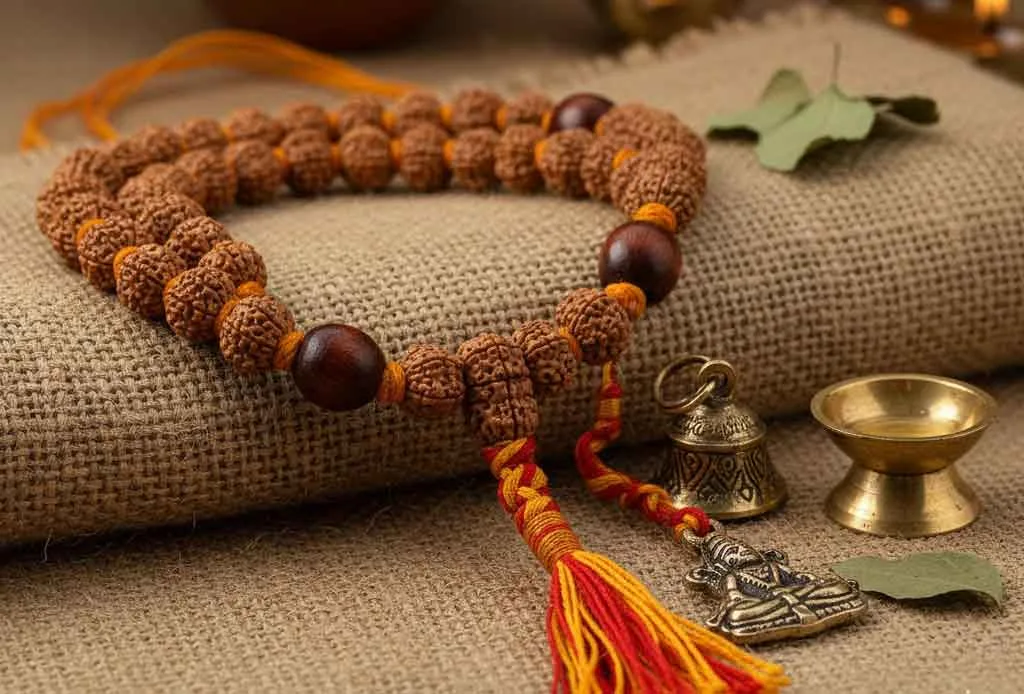
The Ayyappa Mala, also known as the Tulsi or Rudraksha Mala, is a sacred necklace consisting of 108 beads that the devotee wears throughout the 41-day Mandala Deeksha period. It serves as both a physical reminder of the vow and a spiritual tool for transformation.
Deep Significance of the Mala
The Number 108: This sacred number appears throughout Hindu cosmology. There are 108 Upanishads, 108 names of deities, and 108 marma points (vital energy points) in the body. Wearing the 108-bead mala aligns the devotee with cosmic consciousness.
Rudraksha Beads: These sacred beads, believed to be the tears of Lord Shiva, carry immense spiritual potency. Each bead represents a form of Shiva and channels divine energy. The Shiva Purana states: "Whoever wears Rudraksha attains worldly pleasures and liberation. The very sight of one wearing Rudraksha absolves sins."
Tulsi Beads: Some devotees wear Tulsi (holy basil) malas, sacred to Lord Vishnu. Since Ayyappa is the son of Shiva and Mohini (Vishnu's form), the Tulsi mala represents this unique divine synthesis.
Physical Reminder: The constant presence of the mala around the neck reminds the devotee of their sacred vow, preventing them from engaging in prohibited activities or thoughts.
Energy Transformation: Traditional wisdom holds that the mala absorbs the devotee's spiritual energy during the vratam, becoming charged with divine vibrations. It protects the wearer from negative influences.
The Black Dress: Renunciation and Transformation
Symbolism of Black Attire
During the Mandala Deeksha, devotees wear simple black or saffron clothing, which carries profound symbolic meaning:
1. Death of the Ego: Black represents the death of the old self – the ego-driven, desire-bound personality. The devotee symbolically dies to worldly life and is reborn as a spiritual seeker.
2. Renunciation: The simple black dress signifies vairagya (detachment) from material pleasures and external appearances. All devotees dress identically, erasing social distinctions.
3. Austerity: Unlike colorful or fashionable clothing, the plain black dress reflects tapasya (austerity) and simplicity, core values of the Ayyappa tradition.
4. Protection: In spiritual traditions, black is believed to absorb negative energies and provide protection during the vulnerable period of intense sadhana.
5. Unity with Ayyappa: Lord Ayyappa himself is often depicted in dark colors, representing his role as a renunciant deity. By wearing black, devotees identify with their chosen deity.
The Skanda Purana mentions that wearing simple clothes during pilgrimage enhances devotion and removes pride, making one receptive to divine grace.
The 41-Day Vratam: Rules and Spiritual Practices
Core Rules of Mandala Deeksha
The Ayyappa vratam involves strict observances that purify the mind and body:
1. Celibacy (Brahmacharya): Complete sexual abstinence is mandatory. This conserves vital energy (ojas) and channels it toward spiritual goals. Even married couples live separately during this period.
2. Sattvic Diet: Devotees consume only pure vegetarian food, avoiding onion, garlic, and other tamasic ingredients. One meal a day (or limited meals) is common. No alcohol or intoxicants.
3. Morning Rituals: Rising before sunrise, bathing in cold water, visiting temples, and performing puja twice daily become routine.
4. Barefoot Walking: Many devotees walk barefoot, connecting with the earth's energy and practicing humility.
5. Floor Sleeping: Sleeping on the floor symbolizes renunciation of comfort and strengthens physical endurance.
6. No Shaving: Growing a beard represents allowing nature to take its course and avoiding vanity.
7. Chanting: Constant repetition of "Swamiye Saranam Ayyappa" keeps the mind focused on the divine.
8. Avoiding Funerals and Birth Ceremonies: To maintain ritual purity, devotees avoid places associated with birth and death.
9. Treating All as Swami: Addressing all others as "Swami" or "Ayyappa" reinforces the vision of divinity in everyone.
10. Carrying Irumudi: The sacred bundle containing offerings for the deity becomes a symbol of one's karmic load being offered to the divine.
Scientific and Psychological Benefits
Modern research validates ancient wisdom. The discipline of Mandala Deeksha offers numerous benefits:
- Mental Clarity: Sattvic diet and early rising improve cognitive function and mental peace
- Physical Health: Simple vegetarian food, regular exercise (walking), and celibacy enhance vitality
- Emotional Balance: Regular spiritual practice reduces stress and anxiety
- Social Harmony: The emphasis on equality and brotherhood fosters compassion
- Self-Control: Restraining impulses strengthens willpower applicable in all life areas
Purification of Mind and Body
How the Vratam Purifies
The Mandala Deeksha operates on multiple levels to achieve comprehensive purification:
Physical Purification (Kayashuddhi):
- Simple, sattvic food eliminates toxins from the body
- Cold water baths improve circulation and immunity
- Abstinence from intoxicants cleanses organs
- Physical hardships increase resilience and stamina
Mental Purification (Manashuddhi):
- Constant chanting replaces negative thought patterns
- Discipline over senses reduces mental agitation
- Service to others and humility dissolve ego
- Meditation and prayer enhance concentration
Emotional Purification (Bhavasuddhi):
- Brotherhood among devotees heals emotional wounds
- Surrender to divine will reduces anxiety
- Detachment from worldly concerns brings peace
- Devotional emotions (bhakti) replace lower passions
Spiritual Purification (Atmashuddhi):
- The entire process awakens dormant spiritual potential
- The pilgrimage to Sabarimala becomes a journey to one's inner shrine
- Darshan of Ayyappa represents self-realization
- The devotee experiences unity with the divine
The Bhagavad Gita (6:5) states: "Elevate yourself through the power of your mind, and not degrade yourself, for the mind can be the friend and also the enemy of the self." The Ayyappa vratam is a systematic method to make the mind one's friend.
Scriptural References and Sacred Wisdom
From the Puranas
While specific Ayyappa Puranas like the Kerala Mahatmyam describe Lord Ayyappa's glory, other ancient texts support the principles underlying the Deeksha:
Skanda Purana: "One who undertakes pilgrimage with a pure heart, observing austerities and controlling the senses, attains the highest spiritual merit and the grace of the deity."
Shiva Purana (on Rudraksha): "The Rudraksha destroys all sins, even those committed in previous births. It grants both worldly success and ultimate liberation. Wearing it with faith equals the merit of performing a thousand Ashwamedha yajnas."
Vishnu Purana: "Worship performed with devotion, discipline, and renunciation of ego pleases the Supreme Lord, who then grants both material and spiritual blessings."
Brahma Purana: "The pilgrim who walks barefoot, sleeps on the ground, and observes celibacy during pilgrimage burns away karmic impurities like fire burns dry grass."
Traditional Ayyappa Verses
The Ayyappa tradition has preserved sacred verses that capture the essence of the practice:
"Swamiye Saranam Ayyappa – Surrendering everything at your feet, O Lord Ayyappa, I become free from all bondage."
"Deenarakshaka Ayyappa – O Ayyappa, protector of the helpless, I seek refuge in you alone."
"Sharanam Viliyal Rakshayilla – There is no protection without surrender to you."
Devotees' Experiences: Transformation Stories
Story 1: The Corporate Executive's Awakening
Rajesh, a 38-year-old IT executive from Bangalore, shares: "I was skeptical when my father insisted I take Mandala Deeksha. I thought it was mere ritual. But within two weeks of the vratam, something shifted. The early morning prayers brought a peace I'd never experienced despite years of meditation apps. The simple food made me realize how addicted I was to sensory pleasures.
When I finally climbed the 18 steps at Sabarimala, tears flowed uncontrollably. It wasn't just emotion – it felt like years of accumulated stress and ego were washing away. That pilgrimage taught me that spirituality isn't about philosophy but transformation through practice. The discipline I learned continues to guide my life decisions five years later."
Story 2: Healing Through Brotherhood
Kumar, a 45-year-old teacher from Tamil Nadu, recounts: "I took the vratam during a dark period – my business had failed, and I was battling depression. What healed me wasn't just the spiritual practices but the brotherhood. Every devotee I met called me 'Swami' regardless of my circumstances. A poor laborer shared his simple food with me as an equal. A wealthy businessman carried my irumudi when I was exhausted.
At Sabarimala, I realized my problems were created by my ego. When I saw Lord Ayyappa's serene face, I understood that true wealth is inner peace. The mala I wore became my constant companion, reminding me that divinity flows through all beings. My depression lifted, and I found new purpose in serving others."
Story 3: A Youth's Transformation
Arjun, a 22-year-old college student, describes his experience: "My friends mocked me for taking Deeksha, calling it outdated. But I was drawn to the challenge. The 41 days were the hardest and most rewarding of my life. Giving up parties, junk food, and endless screen time showed me how enslaved I was to instant gratification.
Walking in the forest with thousands of devotees chanting 'Swamiye Saranam Ayyappa,' I felt connected to something eternal. The ancient trees, the cold streams, the stars above – everything sang of a greater reality. When I returned, my perspective had shifted. I no longer needed external validation. The experience gave me direction and made me realize the power of discipline."
Story 4: Family Harmony Restored
Venkatesh, a 52-year-old businessman, shares: "My son and I had grown distant due to constant conflicts over his career choices. When we decided to do the Mandala Deeksha together, everything changed. Living as equals, supporting each other through the hardships, and sharing our spiritual experiences dissolved years of resentment.
At Sabarimala, we both broke down and embraced. That moment of pure love wouldn't have happened without the vratam's transformative power. Lord Ayyappa taught us that family bonds are sacred, and ego destroys them. The black dress we wore symbolized shedding our rigid roles of father and son, allowing our souls to connect."
The Deeper Philosophy: Ayyappa as Hariharaputra
Lord Ayyappa, born of Shiva and Mohini (Vishnu's form), represents the ultimate synthesis of seemingly opposite forces:
- Shiva's Asceticism + Vishnu's Grace: The vratam combines rigorous discipline with devotional surrender
- Destruction + Preservation: Destroying ego while preserving dharma
- Masculine + Feminine: Transcending gender dualities
- North + South: Unifying India's diverse spiritual traditions
The Ayyappa path teaches that apparent opposites are complementary. True spirituality transcends all dualities – caste, creed, wealth, poverty – and realizes the one Self in all beings.
Practical Guidelines for Modern Devotees
Preparing for Mandala Deeksha
One Month Before:
- Gradually reduce non-vegetarian food and intoxicants
- Begin waking earlier and establishing a prayer routine
- Inform family and employers about the commitment
- Find a guru or experienced devotee for guidance
Taking the Mala:
- Choose an auspicious day (often starting from Vrishchika month)
- Visit a temple, take the mala from a priest or guru
- Make a sincere commitment before the deity
- Begin observing all rules strictly from that moment
During the 41 Days:
- Maintain unwavering discipline
- Keep a journal of experiences and insights
- Connect with fellow devotees for support
- Handle inevitable challenges as tests from Ayyappa
Planning the Pilgrimage:
- Book accommodations well in advance
- Prepare the irumudi with traditional offerings
- Travel in groups for safety and spiritual support
- Approach the climb with devotion, not as tourism
After Sabarimala Darshan:
- Remove the mala with gratitude
- Gradually transition back to normal routine
- Maintain some practices (meditation, prayer, service)
- Plan to repeat the vratam to deepen transformation
Adapting to Modern Life
While traditional rules remain ideal, modern circumstances require some flexibility:
- Working Professionals: If visiting temple twice daily isn't possible, maintain home altar practice
- Dietary Constraints: If cooking separately is difficult, eat simple vegetarian portions from family meals
- Social Obligations: Politely decline invitations, explaining your commitment
- Women Devotees: Traditionally, women of menstruating age didn't take this vratam, but other Ayyappa temples welcome all devotees. Respect individual tradition while honoring the spirit of devotion.
The essence is sincere effort and devotion, not mere mechanical adherence to rules.
The Ultimate Goal: Self-Realization
The Mandala Deeksha culminates not just in physical darshan at Sabarimala but in inner realization. The 18 steps represent:
- Five senses (sight, hearing, touch, taste, smell)
- Eight emotions (lust, anger, greed, attachment, pride, jealousy, envy, boasting)
- Three gunas (sattva, rajas, tamas)
- Avidya (ignorance) and Vidya (knowledge)
Climbing these steps symbolizes transcending all limitations to reach the divine within.
Lord Ayyappa, seated in eternal meditation, reminds us that our true nature is pure consciousness – sat-chit-ananda (existence-consciousness-bliss). The entire journey is from the limited self to the infinite Self.
Conclusion: A Timeless Path for Modern Seekers
In an age of constant distraction and shallow pursuits, the Ayyappa Mandala Deeksha offers a time-tested path to genuine transformation. It demands no intellectual sophistication, only sincere effort and faith. Millions of devotees across centuries testify to its life-changing power.
The black dress reminds us to die to the ego. The Rudraksha mala channels divine energy. The 41-day discipline rewires body and mind. The pilgrimage takes us from our comfort zones to the peak of spiritual aspiration. And Lord Ayyappa's darshan reveals that the divine we seek externally has always resided within.
Whether you seek relief from suffering, clarity of purpose, spiritual evolution, or simply wish to experience the power of ancient traditions, the Ayyappa vratam opens its arms to all sincere seekers.
Swamiye Saranam Ayyappa – In surrender lies ultimate freedom.
"The mala I wear is not just beads but the thread connecting my limited self to the infinite. The black dress I don is not mere cloth but the shroud of my old life. The 41 days I observe are not a period but an eternity where time dissolves into the eternal now. And Ayyappa is not just a deity on a mountain but the consciousness awakening within me." – Anonymous Devotee
Om Swamiye Saranam Ayyappa
Frequently Asked Questions
How long is the Ayyappa Mandala Deeksha?
The Mandala Deeksha lasts 41 days. Devotees wear the Ayyappa Mala throughout this period before the pilgrimage to Sabarimala.
What is the Ayyappa Mala made of and how many beads does it have?
It is a necklace of 108 beads, made of Rudraksha or Tulsi. Rudraksha is linked to Shiva, and Tulsi is sacred to Vishnu, reflecting Ayyappa as the son of Shiva and Mohini.
Why do Ayyappa devotees wear black clothes?
Black stands for the death of the ego, renunciation and austerity, and it makes all devotees look alike. Simple saffron clothing is also worn during the Deeksha.
What are the main rules during the Ayyappa vratam?
Devotees keep celibacy, eat a sattvic vegetarian diet without onion, garlic or alcohol, rise before sunrise, bathe in cold water, sleep on the floor and avoid shaving. They also chant 'Swamiye Saranam Ayyappa' constantly.
Why do devotees call each other Swami during the Deeksha?
Addressing everyone as Swami or Ayyappa expresses the vision of divinity in all and removes distinctions of caste, status and wealth. It fosters equality and brotherhood among devotees.
What is the Irumudi?
The Irumudi is the sacred bundle of offerings that a devotee carries for the deity. It symbolises offering one's karmic load to the divine.
You might also like
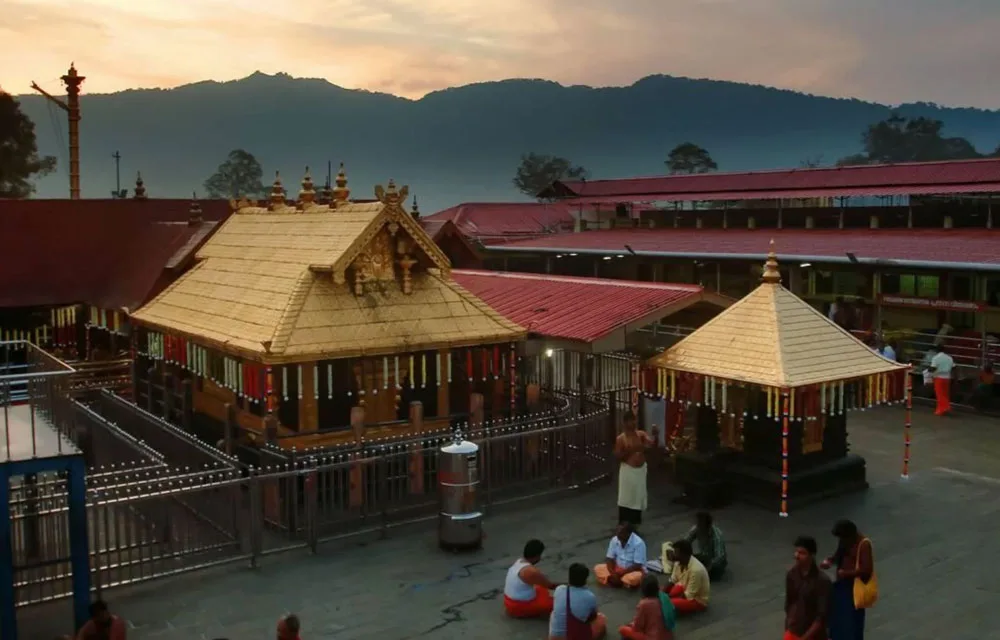
Sabarimala Ayyappa Temple: Complete Pilgrimage Guide
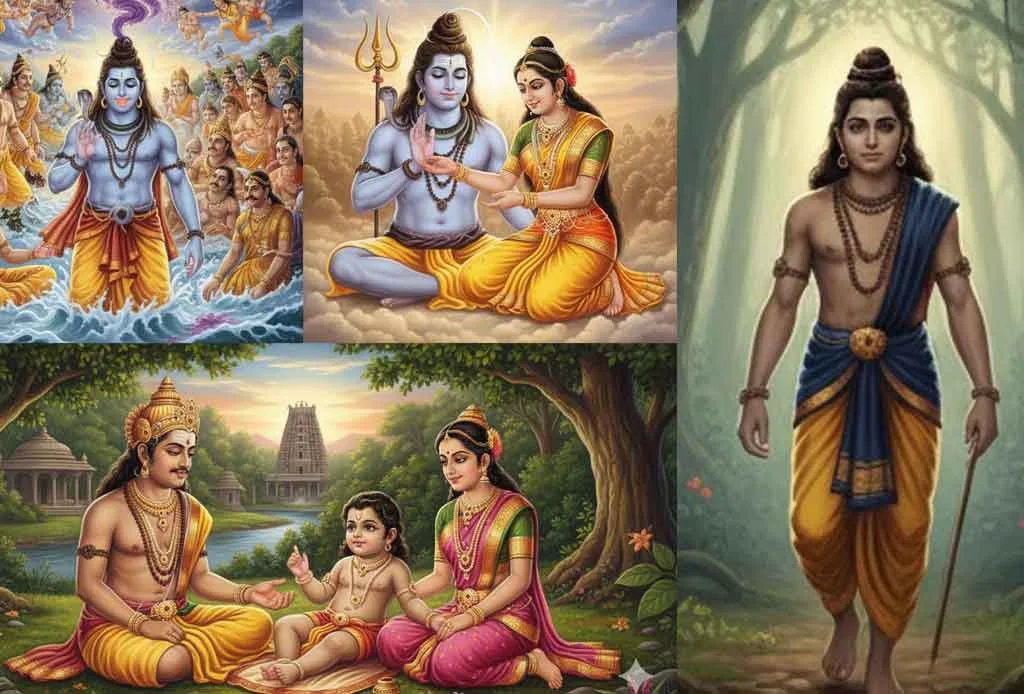
Ayyappa Swamy Story: From Manikanta's Birth to Divine Sabarimala Darshan
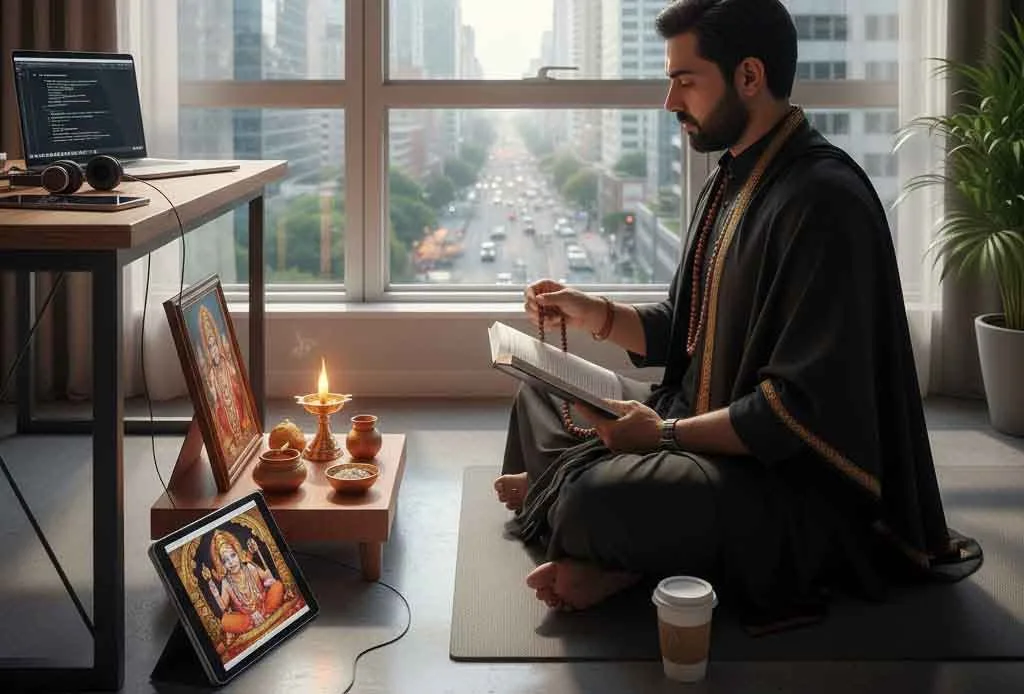
Ayyappa Deeksha in Modern Life: How Youth Can Balance Bhakti and Career