
Best Shiva Songs and Bhajans to Play Every Monday Morning – NRI Guide for USA, UK, Canada & UAE
Discover the best Shiva bhajans and songs for Monday morning puja as an NRI in USA, UK, Canada, or UAE. Complete playlist guide with timings, lyrics tips, and streaming advice.
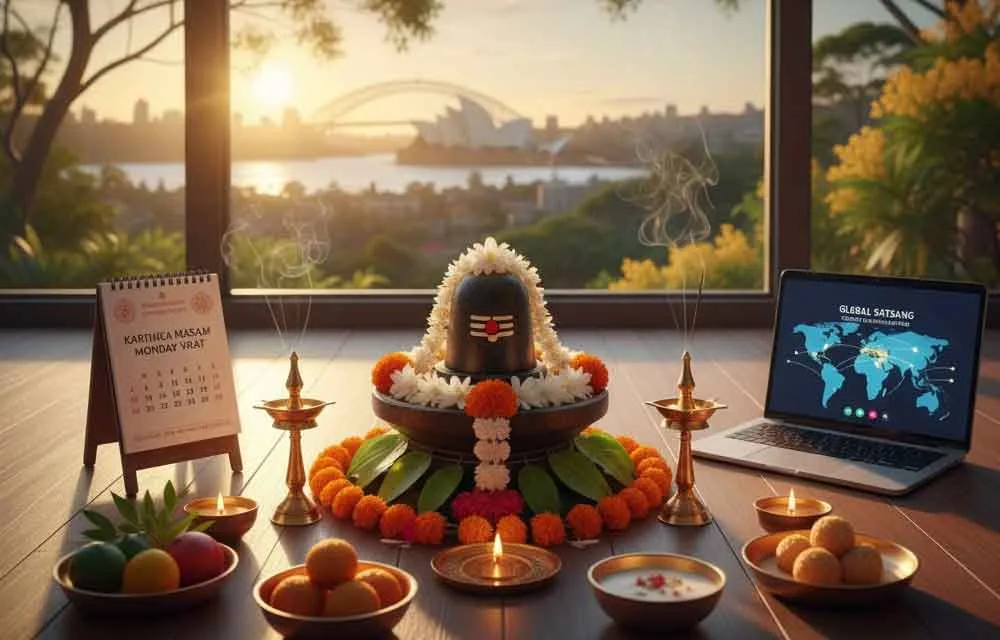
Discover the best Shiva bhajans and songs for Monday morning puja as an NRI in USA, UK, Canada, or UAE. Complete playlist guide with timings, lyrics tips, and streaming advice.
Living abroad as an NRI (Non-Resident Indian) doesn't mean your connection to Lord Shiva has to diminish. Whether you're in New Jersey or New York, London or Leicester, Toronto or Vancouver, or Dubai or Abu Dhabi — Monday morning, the sacred day of Mahadeva, carries the same divine energy no matter where you are on Earth.
At HinduTone, we understand the NRI devotee's unique challenge: you want to create a sacred Shiva puja atmosphere in your home abroad, but you may not always have access to a temple, a pandit, or even the right bhajans at the right time. This guide is specifically crafted for Hindu NRIs worldwide — a curated playlist of the best Shiva songs and bhajans to play every Monday morning, with cultural and time-zone context for each country.
🔱 Om Namah Shivaya 🔱
Why Shiva Bhajans Are Essential for NRI Monday Morning Puja
For millions of Hindus settled abroad, the Monday morning ritual is the anchor that keeps them connected to their roots. Here's why Shiva bhajans play a central role:
- Sound as Sadhana — In Vedic tradition, sacred sound (Nada Brahma) is considered divine. Playing or chanting Shiva bhajans transforms your home into a temple.
- Children's Cultural Connection — NRI parents use Monday morning bhajans to introduce children to Hindu devotion and Sanskrit, creating lifelong spiritual roots.
- Emotional Grounding — The stress of life in foreign countries — career pressure, cultural displacement, homesickness — is significantly eased by the soothing power of Shiva music.
- Sanatan Continuity — Playing the same bhajans your parents played at home keeps the Sanatan tradition alive across oceans and generations.
- Community Bonding — NRI Hindu communities in USA, UK, Canada, and UAE share bhajan playlists, creating invisible spiritual threads across diaspora groups.
Monday Puja Time Guide for NRIs by Country 🌍
One of the most practical challenges for NRIs is figuring out the right time to begin Monday puja across different time zones. Use this guide:
🇺🇸 USA (United States)
- East Coast (EST) — Brahma Muhurta 4:00 AM–6:00 AM | Best puja 6:00 AM–8:00 AM | Pradosh Kala 5:30 PM–7:00 PM
- Central (CST) — Brahma Muhurta 4:00 AM–6:00 AM | Best puja 6:00 AM–8:00 AM | Pradosh Kala 5:30 PM–7:00 PM
- Mountain (MST) — Brahma Muhurta 4:00 AM–6:00 AM | Best puja 6:00 AM–8:00 AM | Pradosh Kala 5:30 PM–7:00 PM
- West Coast (PST) — Brahma Muhurta 4:00 AM–6:00 AM | Best puja 6:00 AM–8:00 AM | Pradosh Kala 5:30 PM–7:00 PM
NRI Tip (USA): Most Hindu NRIs in the USA follow a 6:00–7:00 AM Monday puja schedule before work. Set your Shiva bhajan playlist to auto-play at 5:50 AM as your spiritual alarm clock.
🇬🇧 UK (United Kingdom)
- Winter (GMT) — Brahma Muhurta 4:00 AM–6:00 AM | Best puja 6:30 AM–8:00 AM | Pradosh Kala 4:30 PM–6:00 PM
- Summer (BST) — Brahma Muhurta 4:00 AM–6:00 AM | Best puja 6:30 AM–8:30 AM | Pradosh Kala 6:00 PM–7:30 PM
NRI Tip (UK): The Leicester, Birmingham, and London Hindu communities have a strong bhajan tradition. Many NRI families in the UK play Shiva bhajans while preparing breakfast on Monday, making the kitchen a sacred space.
🇨🇦 Canada
- Ontario/Quebec (EST) — Best puja 6:00 AM–8:00 AM | Pradosh Kala 5:30 PM–7:00 PM
- British Columbia (PST) — Best puja 6:00 AM–8:00 AM | Pradosh Kala 5:30 PM–7:30 PM
- Alberta (MST) — Best puja 6:00 AM–8:00 AM | Pradosh Kala 5:30 PM–7:00 PM
NRI Tip (Canada): Canadian winters make early morning outdoor practices difficult. Creating a warm, bhajan-filled indoor puja space — even a small shelf with Shiva's idol and a diya — makes a profound difference. Many NRI communities in Brampton, Surrey, and Mississauga hold group bhajan sessions on Monday evenings.
🇦🇪 UAE (United Arab Emirates)
- Dubai (GST) — Brahma Muhurta 4:00 AM–6:00 AM | Best puja 6:00 AM–8:00 AM | Pradosh Kala 6:00 PM–7:30 PM
- Abu Dhabi (GST) — Brahma Muhurta 4:00 AM–6:00 AM | Best puja 6:00 AM–8:00 AM | Pradosh Kala 6:00 PM–7:30 PM
- Sharjah (GST) — Brahma Muhurta 4:00 AM–6:00 AM | Best puja 6:00 AM–8:00 AM | Pradosh Kala 6:00 PM–7:30 PM
NRI Tip (UAE): The UAE's large Indian diaspora (especially from Kerala, Tamil Nadu, Andhra Pradesh, and Maharashtra) has a deeply devotional culture. Dubai's BAPS Swaminarayan Mandir and Shiva temples in Abu Dhabi hold special Monday bhajan sessions — supplement these with your own home playlist from HinduTone.
The Ultimate Monday Morning Shiva Bhajan Playlist for NRIs
Here is HinduTone's handpicked collection of the best Shiva songs and bhajans for your Monday morning, organized by mood, energy, and puja stage:
🕉️ Category 1: Wake-Up & Invocation Bhajans (5:50 AM – 6:15 AM)
These calm, melodious bhajans gently transition you from sleep to a devotional state of mind. Perfect for the moment you light the diya.
1. Om Namah Shivaya (Classical Chant)
Why Play It: The five-syllable Panchakshara Mantra is the most fundamental Shiva mantra. Its simple, repetitive structure creates instant calmness and spiritual focus.
Best Version For NRIs: The slow, meditative acoustic version by classical musicians with veena or flute accompaniment.
Duration: 10–15 minutes (loop version). NRI Moment: Play this as you light the diya and incense. The smoke and sound together recreate the temple atmosphere you miss from India.
ॐ नमः शिवाय · Om Namah Shivaya · (I bow to the auspicious one — Lord Shiva)
2. Shiva Shambho (Morning Raga Version)
Why Play It: Set in the morning raga tradition, this bhajan activates peaceful alertness. Its gentle percussion and melodic structure signal to your mind that this is a sacred time.
Best For: Families — children can listen while getting ready for school. Languages: Telugu, Tamil, Kannada, Hindi.
NRI Moment: Perfect for NRI families who want the bhajan playing in the background during the morning rush, keeping the spiritual energy alive even when you're making breakfast.
3. Lingashtakam (Slow Devotional Version)
Why Play It: Lingashtakam is the most powerful stotra for Monday puja. A slow, sung version sets a profoundly devotional tone.
Duration: 8–10 minutes. Best Version: Rendered by classically trained Carnatic or Hindustani vocalists with harmonium and tabla.
Languages: Sanskrit (original), with Telugu, Hindi, and Tamil renditions available. NRI Moment: Ideal for the Abhishekam phase of your puja — pour water or milk on the Shiva Linga while this plays.
🔔 Category 2: Abhishekam & Active Puja Bhajans (6:15 AM – 6:45 AM)
These are energetic, devotional bhajans perfect for the active phase of puja — offering flowers, Bilva leaves, and performing aarti.
4. Mahadeva Shambho (Fast-Paced Devotional)
Why Play It: The energy picks up here. This popular bhajan is heard in temples across India and NRI community halls worldwide. Its rhythm naturally makes hands fold in prayer.
Mood: Joyful, celebratory devotion. Availability: Available on most streaming platforms and on HinduTone.com.
5. Har Har Mahadev (Crowd Favourite)
Why Play It: One of the most universally recognized Shiva chants, "Har Har Mahadev" ignites devotional fire instantly. It is chanted at Kashi, at Kedarnath, and in temples everywhere.
Best Version: The Kailash Kher-inspired folk-fusion version or the traditional temple recording.
NRI Moment: If you have a family puja, this is the one bhajan everyone — even the least religious teenager — tends to join in on. It brings the whole household together.
6. Bhole Baba Ki Jai (Hindi Bhajan)
A simple, joyful, and extremely popular North Indian Shiva bhajan. Ideal for NRI families from UP, Bihar, Rajasthan, MP, and Delhi. Mood: Festive and devotional. Duration: 6–8 minutes.
7. Shiv Tandava Stotram (Ravana's Hymn)
One of the most powerful Sanskrit hymns in the Hindu tradition, composed by Ravana in praise of Shiva's cosmic dance. The grandeur and pace of this stotra energize the puja space. Best For: Intermediate to advanced devotees who appreciate Sanskrit and its cadence. NRI Note: Many NRI youth — especially those interested in Sanskrit or classical music — find the Shiv Tandava Stotram deeply moving. It is a bridge between heritage and modern appreciation.
8. Namami Shamishan Nirvana Roopam (Shiva Ashtakam)
Composed by Adi Shankaracharya, this ashtakam (eight-verse hymn) is one of the most sublime pieces of Sanskrit devotional poetry. Its beauty lies in its poetic imagery of Shiva as the formless infinite. Best for quiet, meditative puja mornings. Duration: 8–10 minutes.
🌺 Category 3: Aarti & Offering Songs (6:45 AM – 7:00 AM)
These are the ceremonial songs sung during the aarti (lamp offering) — the climax of the Monday morning puja.
9. Om Jai Shiv Omkara (Shiva Aarti)
This is the universal Shiva aarti, sung at the end of every Shiva puja in temples and homes across India. No Monday morning is complete without it. NRI Moment: This is the one bhajan that instantly transports NRIs back to childhood temple memories. Play it during the aarti with a lit camphor flame, and you'll feel as though you're standing in a Shiva temple back home.
Jai Shiv Omkara, Swami Jai Shiv Omkara · Brahma, Vishnu, Sadashiva, Ardhaangi Dhara
10. Mangalam Bhagwan Vishnu (Shanti Mantra Close)
After the aarti, conclude the puja with this peaceful Mangalashtakam or Shanti Patha. It seals the puja energy and blesses the household. Mood: Peaceful, closing, auspicious.
🎵 Category 4: Background Shiva Music for the Rest of Monday Morning (7:00 AM – 9:00 AM)
After the puja, these softer instrumental and devotional tracks maintain the sacred energy while you go about your Monday morning routine.
11. Shiva Pancharatnam (Adi Shankaracharya)
Five jewels of Shiva — a beautiful composition that flows gently and maintains spiritual energy without demanding active attention. Best for playing softly in the background while working from home, cooking, or commuting.
12. Panchakshara Stotram (Na Ma Shi Va Ya)
A meditative composition based on each letter of the Panchakshara (Na-Ma-Shi-Va-Ya), exploring the cosmic meaning of each syllable. Best for NRIs who work in knowledge industries (IT, finance, medicine, academia).
13. Shiva Chalisa (Hindi)
40 verses describing Shiva's glory, the Shiva Chalisa takes about 20–25 minutes to complete and is ideal for a longer commute or workout session. NRI Tip: Many NRI devotees in the USA and Canada play the Shiva Chalisa during their morning drive to work on Mondays. It replaces news podcasts with devotional energy, starting the week with spiritual strength.
14. Kashi Vishwanath Aarti (Temple Recording)
Authentic recordings of the Kashi Vishwanath Temple aarti in Varanasi carry an unparalleled divine vibration. Hearing it instantly connects NRIs to one of Hinduism's most sacred sites. NRI Moment: For those who grew up visiting Kashi or whose families are from Uttar Pradesh, this recording is emotionally profound. Many NRIs report emotional tears upon hearing it, especially during festivals celebrated alone far from home.
15. Kedarnath Shiva Dhun (Uttarakhand Temple Music)
The high-altitude Kedarnath Temple's traditional dhun (melodic chant pattern) carries a purity and rawness unlike any studio recording. Play this for your NRI parents or grandparents during their Monday morning video call.
🎶 Regional Language Shiva Bhajans for NRIs by Community
Indian NRIs are not monolithic — your language, regional culture, and musical tradition matter deeply. Here's a region-specific guide:
For Telugu NRIs (Andhra Pradesh & Telangana) — USA, UAE
- Shiva Shiva Shiva Anuchu — A deeply emotional Telugu bhajan beloved by Telugu NRIs
- Lingashtakam in Telugu — Beautiful Telugu rendition of Shankaracharya's hymn
- Nataraja Natyam Aaduva — Classical Kuchipudi-style Shiva devotional
- Shambho Shankara (S.P. Balasubrahmanyam) — The legendary Telugu singer's version remains definitive
Popular with: Telugu NRIs in New Jersey, California, Texas, Houston (USA), and Dubai (UAE).
For Tamil NRIs — USA, UK, Canada, UAE
- Thiruvasagam Songs — Sacred Shaivite Tamil hymns from the 9th century, composed by Manikkavacakar
- Kanda Sashti Kavasam — Essential for Tamil Shiva devotees, especially on Monday
- Sivaya Namaha (Tamil devotional) — A staple in Tamil NRI homes worldwide
- Ponniyin Selvan Shiva Padams — Regional favorites that blend history with devotion
Popular with: Tamil NRIs in London, Leicester, Toronto, Mississauga, San Jose, and Abu Dhabi.
For Kannada NRIs (Karnataka) — USA, UAE
- Shiva Shankara Kailasa Vasa (Kannada bhajan)
- Mrityunjaya Mantra in Kannada classical style
- Namma Shiva — Popular Kannada devotional
Popular with: Kannada NRIs in Silicon Valley, Seattle, Bengaluru-origin communities in Dubai.
For Hindi/North Indian NRIs — USA, UK, Canada
- Bhole Nath Ki Barat — Festive, energetic
- Shiv Ki Nagari Kashi — Devotional and nostalgic
- Shiv Amritwani — Long-form devotional perfect for extended puja
- Maine Shiv Ka Naam Liya — Modern Hindi bhajan, popular among younger NRI generation
- Jai Bholenath — Pan-North-Indian favorite
Popular with: UP, Bihar, Rajasthani, and Punjabi NRI communities in UK (East Midlands, Yorkshire), Canada (Brampton), and USA (New York, New Jersey).
For Marathi NRIs — USA, UK, UAE
- Shiva Shankar Tujha Mahima (Marathi bhajan)
- Om Namah Shivaya in classical Marathi devotional style
- Mahadeva Tujhi Arti — Marathi aarti
- Shiva Pallavi — Classical Marathi
Popular with: Marathi NRIs in New Jersey, New York, London, and Dubai.
For Malayalam NRIs (Kerala) — UAE, USA, UK
- Shiva Sthuthikal (Malayalam devotional)
- Nataraja Sthavam — Beautiful Kerala classical rendition
- Om Namah Shivaya in Sopana sangeetham style (Kerala classical music)
- Shiva Ashtottara Shatanama Sthothram (Malayalam)
Popular with: Keralite NRIs in Dubai, Abu Dhabi, Sharjah, London, and New York.
Complete Monday Morning NRI Shiva Playlist — Running Order
Use this exact running order for a seamless 90-minute Monday morning Shiva experience:
- 5:50 AM — Om Namah Shivaya (Chant Loop) — 15 min — Awakening
- 6:05 AM — Shiva Shambho (Morning Raga) — 8 min — Invocation
- 6:13 AM — Lingashtakam (Sung version) — 9 min — Puja begins
- 6:22 AM — Har Har Mahadev — 6 min — Abhishekam
- 6:28 AM — Shiv Tandava Stotram — 7 min — Peak energy
- 6:35 AM — Mahadeva Shambho — 6 min — Offering flowers
- 6:41 AM — Namami Shamishan (Ashtakam) — 9 min — Meditation
- 6:50 AM — Om Jai Shiv Omkara (Aarti) — 7 min — Aarti
- 6:57 AM — Mangalam/Shanti Mantra — 5 min — Closing puja
- 7:02 AM — Shiva Chalisa — 22 min — Background
- 7:24 AM — Panchakshara Stotram — 10 min — Work/commute
- 7:34 AM — Kashi Vishwanath Aarti — 8 min — Nostalgia/faith
- 7:42 AM — Regional language bhajan — 10 min — Community connect
- 7:52 AM — Kedarnath Dhun (soft) — ongoing — Background ambience
How NRIs Can Access Shiva Bhajans from Abroad
Streaming Platforms Available in USA, UK, Canada & UAE
- HinduTone.com — Dedicated Hindu devotional music platform, best for curated Shiva playlists
- Gaana (available internationally via VPN or international plan)
- JioSaavn (international version available)
- Spotify (search "Shiva Bhajans Monday Morning" — growing catalog)
- YouTube Music (excellent free option — search artist names + "Shiva bhajan")
- Amazon Music (Prime members get access to devotional Indian music)
- Apple Music (India Tamil & Telugu stations available globally)
Offline Options for NRIs Without Internet During Puja
- Download bhajans from HinduTone.com for offline listening
- Create a downloaded Spotify/JioSaavn playlist for travel or poor connectivity
- WhatsApp groups among NRI communities frequently share bhajan audio files
NRI Monday Puja Setup: Creating a Temple Atmosphere at Home
You don't need a grand mandir at home. Here's how NRI devotees create authentic sacred space abroad:
Must-Have Items (Available Online in All Four Countries)
- Shiva Linga (available on Amazon.com, Amazon.co.uk, Amazon.ca, and UAE online stores)
- Bilva/Bel leaves (sometimes available at Indian grocery stores; dried version available online)
- Dhoop/Agarbatti — Indian grocery stores in Southall (UK), Jackson Heights (USA), Brampton (Canada), Karama (UAE)
- Panchamruta ingredients: milk, honey, ghee, curd, sugar (all locally available)
- Camphor for aarti (available at Indian stores worldwide)
- Rudraksha mala for chanting (available on HinduTone, Amazon, and Indian stores)
Digital Temple Tools
- Set your smart speaker (Amazon Echo/Google Home) to play HinduTone bhajans hands-free
- Use a Bluetooth speaker placed near the puja altar for surround devotional sound
- Smart lights set to warm orange/saffron color during puja time simulate diya lighting
Benefits of Playing Shiva Bhajans Every Monday Morning
Spiritual Benefits
- Activates divine connection with Lord Shiva on His most sacred day
- Creates a positive energy shield around the home and family
- Purifies the home environment through sacred sound vibrations (Nada Brahma)
- Fulfills the ancient tradition of Somavar Vrat even when a temple is inaccessible
Scientific & Psychological Benefits
- Stress reduction — Research confirms that devotional music lowers cortisol (stress hormone) levels
- Focus enhancement — Rhythmic chanting activates the prefrontal cortex, improving Monday work performance
- Emotional regulation — Sacred music triggers the release of dopamine and serotonin — the "happiness" neurochemicals
- Family cohesion — Shared rituals reduce conflict and strengthen family bonds, particularly important in culturally isolated NRI environments
- Children's identity — Children raised with weekly bhajan rituals show stronger cultural identity and lower identity confusion in multicultural environments
Special Mondays to Enhance Your Bhajan Practice
As an NRI, mark these special Mondays in your calendar and play extended bhajan sessions:
- Shravan Somavar (4–5 Mondays in July–August) — Most sacred Mondays of the year — Full Lingashtakam + Rudrashtakam
- Maha Shivratri (February–March) — Night of Shiva — even if weekday, celebrate — Shiv Amritwani + Tandava Stotram
- Pradosham Mondays — Mondays that fall on Pradosham day — Special Pradosh Stotram + evening aarti
- Karthik Somavar — Mondays in the Karthik month (Oct–Nov) — Extended Kashi Vishwanath Aarti
- Kartik Purnima — Full moon in Karthik month — All-night bhajan stream if possible
NRI Community Bhajan Groups: Connect with Fellow Devotees
You are not alone in your devotion. Shiva bhajan communities thrive in every major NRI hub:
USA 🇺🇸
- Hindu Swayamsevak Sangh (HSS) chapters in major cities hold weekly bhajan sessions
- Chinmaya Mission centers in NJ, CA, TX, and IL
- ISKCON temples with Shiva prayer sessions on Mondays
- Telugu Association of North America (TANA) communities
UK 🇬🇧
- Hindu Council UK community events
- Shree Swaminarayan Mandir Neasden, London
- Shiva temples in Leicester, Birmingham, Coventry
- Tamil Sangam UK — vibrant Shaivite community
Canada 🇨🇦
- Hindu Federation of Canada
- Brampton Hindu Sabha (Ontario)
- Vedic Cultural Society Vancouver
- Tamil Cultural Centre, Toronto
UAE 🇦🇪
- ISKCON Dubai — open to all Hindus
- Shiva temples in Dubai and Abu Dhabi (community associations manage them)
- Kerala Hindu Samajam, Dubai
- Andhra Pradesh Association, Abu Dhabi
Tips for Teaching Children the Joy of Monday Shiva Bhajans
For NRI parents, making Monday bhajans a family tradition is one of the greatest gifts you can give your children:
- Start young — Even toddlers respond to the rhythm of "Om Namah Shivaya"
- Make it interactive — Let children ring the bell during aarti
- Explain in English — Briefly explain the meaning of bhajans in English so children connect with the content, not just the sound
- Create a reward system — A small sticker chart for Monday puja participation keeps young children motivated
- Use HinduTone's kid-friendly versions — Look for simplified, melodic versions of Lingashtakam and Om Namah Shivaya designed for children
- Show temple videos — After bhajans, show a short YouTube video of Kashi or Kedarnath temple. Let children see and feel connected to India
FAQs: Shiva Bhajans for NRIs
Q1. Can I play Shiva bhajans via a Bluetooth speaker during puja?
Yes, absolutely. The medium of playing does not affect the spiritual power. Lord Shiva responds to devotion, not technology. Many NRI families use smart speakers for hands-free bhajan playback.
Q2. Is it okay to play bhajans in the background while cooking or doing household work on Monday?
Yes. Having Shiva bhajans playing throughout Monday morning — even as background music — keeps the vibrational energy of the day elevated. It is considered a form of passive worship (shravan — listening).
Q3. I don't understand Sanskrit. Should I still play Sanskrit bhajans?
Absolutely. The vibration of Sanskrit syllables carries its own power independent of intellectual understanding. However, pairing Sanskrit bhajans with an English meaning guide (available on HinduTone) enhances the experience.
Q4. Is there a specific direction to face while the bhajan is playing?
Face East or North during active puja. During background listening, direction is not critical — the intention matters most.
Q5. My home in the USA/UK/Canada/UAE doesn't have a Shiva temple nearby. How can I make up for that?
HinduTone's recorded temple aartis, bhajans, and Shiva stotras are specifically designed to bridge this gap. A home puja with the right music, a Shiva Linga, Bilva leaves, and sincere devotion is as complete as a temple visit.
Q6. How loud should I play bhajans during Monday morning puja?
Moderate volume — loud enough to hear clearly and feel the vibration, but not so loud as to disturb neighbors (especially in apartments common in UK and UAE). The divine hears your heart, not decibel levels.
Q7. Can I create a dedicated Monday bhajan playlist on HinduTone?
Yes! HinduTone offers curated Shiva playlists organized by occasion, language, and mood. Visit HinduTone.com to explore and bookmark your perfect Monday morning playlist.
Monday Is Shiva's Day — Claim It, Wherever You Are
Whether you wake up to a cold Toronto winter, a busy Dubai workday, a grey London morning, or a sunny California sunrise — Monday belongs to Mahadeva. And with the power of Shiva bhajans filling your home, your family, and your heart, the distance from India shrinks to nothing.
Lord Shiva does not live only in Kashi or Kedarnath. He lives in every sincere prayer, every incense stick lit with devotion, and every note of every bhajan sung with love. As the Shiva Purana declares:
"Wherever a devotee worships Me with love and sincerity, that place becomes Kailash."
So press play on your Monday morning Shiva bhajan playlist. Light your diya. Fold your hands. And let the sacred sound of Mahadeva fill your home abroad — today, every Monday, and always.
🔱 Har Har Mahadev 🔱
Related Reading on HinduTone
- How to Chant Lingashtakam on Monday – Complete Guide
- Somavar Vrat Katha: The Complete Monday Fast Story for NRIs
- Best Shiva Temples to Visit in USA, UK, Canada & UAE
- Om Namah Shivaya: 108 Times Chanting Benefits & Method
- How to Set Up a Shiva Puja Room in Your Apartment Abroad
- Maha Shivaratri 2026: How NRIs Can Celebrate at Home
You might also like
How to Chant Lingashtakam on Monday: A Complete Guide for Every Hindu
Pradosham: Complete Guide to Monday Shiva Puja on the 13th Lunar Day
Bilvashtakam Lyrics, Meaning, and Monday Puja Guide – Complete Shiva Devotional