
How to Chant Lingashtakam on Monday: A Complete Guide for Every Hindu
Learn how to chant Lingashtakam on Monday step by step. Discover the meaning, benefits, rules, and correct pronunciation of all 8 shlokas for every Hindu devotee.
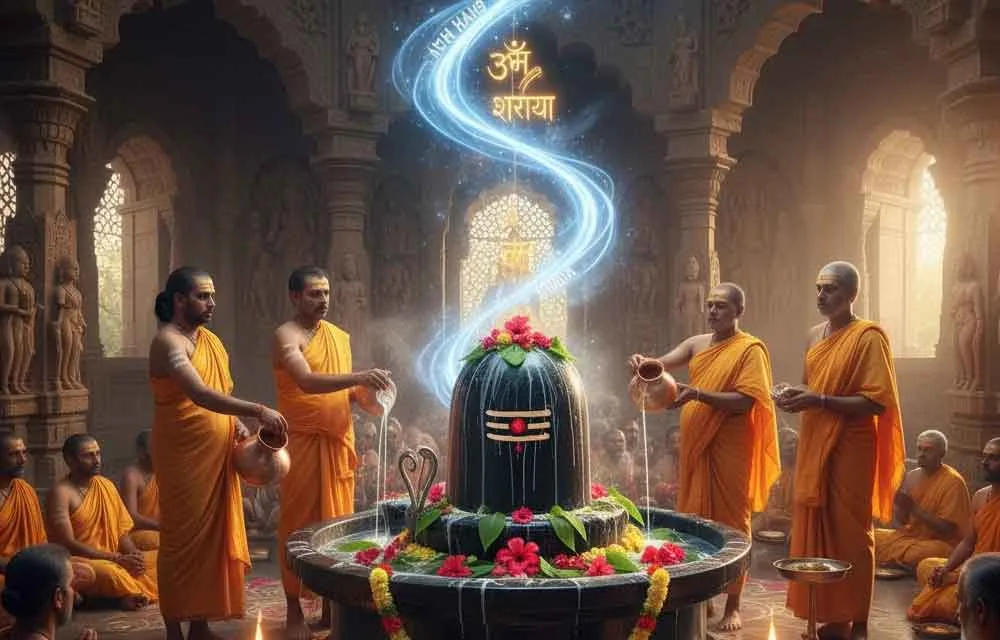
Learn how to chant Lingashtakam on Monday step by step. Discover the meaning, benefits, rules, and correct pronunciation of all 8 shlokas for every Hindu devotee.
Monday, known as Somavar in Sanskrit, is the most auspicious day of the week for Lord Shiva devotees. Among all the stotras dedicated to Mahadeva, the Lingashtakam holds a place of supreme importance. Composed of eight powerful shlokas (verses), the Lingashtakam is a devotional hymn that praises the Shiva Linga — the divine form of Lord Shiva that represents the infinite cosmic energy of creation, preservation, and destruction.
Whether you are a seasoned devotee or someone who has just begun their spiritual journey, this complete guide from HinduTone will walk you through how to chant Lingashtakam on Monday — including preparation, pronunciation, meaning, benefits, and the correct procedure.
What Is Lingashtakam?
The word Lingashtakam is formed by combining two Sanskrit words: Linga (the sacred symbol of Lord Shiva) and Ashtakam (meaning "eight verses"). It is therefore a hymn composed of eight shlokas, each glorifying the Shiva Linga.
The Lingashtakam is traditionally attributed to Adi Shankaracharya, the 8th-century Advaita Vedanta philosopher and saint. Each verse describes the attributes and divine glory of the Shiva Linga in a different context — from its role in cosmic creation to its power to liberate the soul.
The concluding line of each verse is:
Lingashtakam Idam Punyam Yah Pathet Shivasamnidhau, Shivalokamavapnoti Shivena Saha Modate.
This translates to: "Whoever reads this Lingashtakam in the presence of Shiva attains the abode of Shiva and rejoices with Him."
Why Monday Is the Best Day to Chant Lingashtakam
Monday is the sacred day of Lord Shiva. According to Hindu scriptures and the Shiva Purana, worshipping Shiva on Somavar (Monday) grants manifold blessings compared to other days. Here's why:
- Moon Connection — Monday is governed by the Moon (Chandra), and Shiva is called Chandrashekhara (the one who wears the crescent moon). The two divine energies align on this day.
- Fasting Tradition — Millions of Hindus observe the Somavar Vrat (Monday fast) for Shiva's blessings in matters of health, relationships, and spiritual growth.
- Amplified Vibrations — Vedic astrology holds that prayers chanted on the ruling day of a deity carry significantly more potency.
- Scriptural Endorsement — The Skanda Purana and Shiva Purana specifically mention Mondays as the most favorable for Shiva worship, including stotra chanting.
Who Can Chant Lingashtakam?
One of the beautiful aspects of the Lingashtakam is its universal accessibility. Unlike some rituals bound by caste, gender, or status, this stotra is open to every Hindu devotee:
- Men and women of all ages
- People of all castes and communities
- Married individuals and celibates
- Children (with parental guidance)
- Devotees observing the Somavar Vrat
- Those who cannot perform elaborate rituals but wish to connect with Shiva
The only requirement is sincere devotion and a pure heart.
What You Need Before Chanting – Preparation Guide
1. Choose the Right Time
The most auspicious time to chant Lingashtakam on Monday is:
- Brahma Muhurta — Between 4:00 AM – 6:00 AM
- Morning Puja Time — Between 6:00 AM – 8:00 AM
- Pradosh Kala — Evening twilight, typically around 5:30 PM – 7:30 PM (especially effective on Mondays and during Pradosham)
2. Bathe and Wear Clean Clothes
Personal cleanliness is essential. Take a bath before beginning any Shiva puja. Traditionally, white or light-colored clothing is preferred when worshipping Shiva.
3. Set Up the Puja Space
- Keep a Shiva Linga (idol or image) at your puja altar
- Clean the space and optionally place fresh flowers — Bel (Bilva) leaves, white flowers like Datura or Jasmine, are considered especially sacred to Shiva
4. Gather Puja Items (Optional but Recommended)
- Water (for Abhishekam — ritual bathing of the Linga)
- Milk (for Panchamruta Abhishekam)
- Bel/Bilva leaves (Shiva's most beloved offering)
- Dhoop/Agarbatti (incense sticks)
- Diya (oil lamp)
- Kumkum and vibhuti (sacred ash)
5. Mental Preparation
Sit in a calm, meditative posture. Close your eyes, take a few deep breaths, and mentally offer yourself to Lord Shiva. Recite "Om Namah Shivaya" five times before beginning.
Complete Lingashtakam Lyrics with Meaning
Here is the complete Lingashtakam with lyrics in Sanskrit, transliteration, and English meaning:
Invocation Before Starting
ॐ नमः शिवाय · Om Namah Shivaya
Shloka 1
Sanskrit:
ब्रह्ममुरारि सुरार्चित लिङ्गम् निर्मल भासित शोभित लिङ्गम् । जन्मज दुःख विनाशक लिङ्गम् तत् प्रणमामि सदाशिव लिङ्गम् ॥
Transliteration:
Brahma Murari Surarchita Lingam · Nirmala Bhashita Shobhita Lingam · Janmaja Dukha Vinashaka Lingam · Tat Pranamami Sadashiva Lingam
Meaning: I bow before that Linga which is worshipped by Brahma, Vishnu, and all the gods; which shines with immaculate radiance; and which destroys the sorrows born of repeated births.
Shloka 2
Sanskrit:
देवमुनि प्रवरार्चित लिङ्गम् कामदहन करुणाकर लिङ्गम् । रावण दर्प विनाशन लिङ्गम् तत् प्रणमामि सदाशिव लिङ्गम् ॥
Transliteration:
Deva Muni Pravarachita Lingam · Kamadahana Karunakara Lingam · Ravana Darpa Vinashana Lingam · Tat Pranamami Sadashiva Lingam
Meaning: I bow before that Linga which is worshipped by the best of gods and sages; which burnt the god of desire (Kamadeva); which is compassionate; and which destroyed the arrogance of Ravana.
Shloka 3
Sanskrit:
सर्व सुगन्ध सुलेपित लिङ्गम् बुद्धि विवर्धन कारण लिङ्गम् । सिद्ध सुरासुर वन्दित लिङ्गम् तत् प्रणमामि सदाशिव लिङ्गम् ॥
Transliteration:
Sarva Sugandha Sulepita Lingam · Buddhi Vardhana Karana Lingam · Siddha Surasura Vandita Lingam · Tat Pranamami Sadashiva Lingam
Meaning: I bow before that Linga which is anointed with all fragrant substances; which is the cause of enhancing wisdom and intelligence; and which is worshipped by siddhas (perfected beings), gods, and demons alike.
Shloka 4
Sanskrit:
कनक महामणि भूषित लिङ्गम् फणिपति वेष्टित शोभित लिङ्गम् । दक्षसुयज्ञ विनाशन लिङ्गम् तत् प्रणमामि सदाशिव लिङ्गम् ॥
Transliteration:
Kanaka Maha Mani Bhushita Lingam · Phanipati Veshthita Shobhita Lingam · Daksha Suyajna Vinashana Lingam · Tat Pranamami Sadashiva Lingam
Meaning: I bow before that Linga which is adorned with gold and great gems; which shines beautifully coiled by the lord of serpents; and which destroyed the great yagna of Daksha.
Shloka 5
Sanskrit:
कुंकुम चन्दन लेपित लिङ्गम् पंकज हार सुशोभित लिङ्गम् । सञ्चित पाप विनाशन लिङ्गम् तत् प्रणमामि सदाशिव लिङ्गम् ॥
Transliteration:
Kumkuma Chandana Lepita Lingam · Pankaja Hara Sushobhita Lingam · Sanchita Papa Vinashana Lingam · Tat Pranamami Sadashiva Lingam
Meaning: I bow before that Linga which is smeared with kumkum and sandalwood; which is beautifully adorned with lotus garlands; and which destroys all accumulated sins.
Shloka 6
Sanskrit:
देवगणार्चित सेवित लिङ्गम् भावैर्भक्तिभिरेव च लिङ्गम् । दिनकर कोटि प्रभाकर लिङ्गम् तत् प्रणमामि सदाशिव लिङ्गम् ॥
Transliteration:
Deva Ganarchita Sevita Lingam · Bhavair Bhaktibhireva Cha Lingam · Dinakara Koti Prabhakara Lingam · Tat Pranamami Sadashiva Lingam
Meaning: I bow before that Linga which is worshipped and served by all the gods; which is attained through devotion and feelings of love; and which shines with the radiance of millions of suns.
Shloka 7
Sanskrit:
अष्टदल पद्म विराजित लिङ्गम् सर्वसमुद्भव कारण लिङ्गम् । अष्टदरिद्र विनाशित लिङ्गम् तत् प्रणमामि सदाशिव लिङ्गम् ॥
Transliteration:
Ashtadala Padma Virajita Lingam · Sarva Samudbhava Karana Lingam · Ashta Daridra Vinashita Lingam · Tat Pranamami Sadashiva Lingam
Meaning: I bow before that Linga which is resplendent upon an eight-petalled lotus; which is the cause of the origin of all existence; and which destroys the eight types of poverty and misfortune.
Shloka 8
Sanskrit:
सुरगुरु सुरवर पूजित लिङ्गम् सुरवन पुष्प सदार्चित लिङ्गम् । परात्पर परमात्मक लिङ्गम् तत् प्रणमामि सदाशिव लिङ्गम् ॥
Transliteration:
Suraguru Suravara Pujita Lingam · Suravana Pushpa Sadarchita Lingam · Paratapar Paramatmaka Lingam · Tat Pranamami Sadashiva Lingam
Meaning: I bow before that Linga which is worshipped by Brihaspati and by the best of gods; which is ever worshipped with flowers from the divine garden; and which is the Supreme Soul, the highest of the high.
Phalashruti (Fruit of Recitation)
Sanskrit:
लिङ्गाष्टकमिदं पुण्यं यः पठेत् शिवसन्निधौ । शिवलोकमवाप्नोति शिवेन सह मोदते ॥
Transliteration:
Lingashtakam Idam Punyam Yah Pathet Shivasamnidhau · Shivalokamavapnoti Shivena Saha Modate
Meaning: Whoever chants this holy Lingashtakam in the presence of Lord Shiva will attain Shivaloka (the divine abode of Shiva) and rejoice eternally in the company of Lord Shiva.
Step-by-Step Method: How to Chant Lingashtakam on Monday
Follow these steps for the most effective and devotion-filled chanting experience:
Step 1: Wake Up Early and Bathe
Try to wake up before sunrise. Take a bath and wear clean, preferably white or light-colored clothes.
Step 2: Set Up Your Altar
Place the Shiva Linga idol or image on a clean cloth. Light a diya (oil lamp) and incense sticks. Offer Bilva leaves, flowers, and water.
Step 3: Perform Abhishekam (Optional but Powerful)
Pour water, milk, or Panchamruta over the Shiva Linga while chanting "Om Namah Shivaya." This is one of Shiva's most beloved forms of worship.
Step 4: Sit in a Comfortable Posture
Sit cross-legged (Sukhasana) or in Vajrasana facing the idol. Keep your spine straight and your hands either folded (Anjali mudra) or resting on your knees.
Step 5: Begin with the Invocation
Chant "Om Namah Shivaya" five or eleven times to invoke Lord Shiva's presence and blessings.
Step 6: Chant the Lingashtakam
Recite all eight shlokas clearly, slowly, and with devotion. Focus on the meaning of each verse as you chant. Avoid rushing — quality over speed.
Step 7: Chant the Phalashruti
After the eight shlokas, always chant the concluding Phalashruti verse.
Step 8: Offer Silence and Gratitude
After completing the chanting, sit quietly for a few minutes in meditation. Visualize Lord Shiva blessing you with light and peace. Offer a silent prayer of gratitude.
Step 9: Distribute Prasadam
If you performed Abhishekam, the offered milk or water becomes Charanamruta (sacred liquid) — distribute it to family members as prasadam.
How Many Times Should You Chant Lingashtakam?
- Minimum: Once a day on Monday
- Recommended: 3 times (morning, noon, and evening)
- For Vrat (Monday Fast): 11 times throughout the day
- For Special Wishes: 108 times over the course of 11 consecutive Mondays
Top 11 Benefits of Chanting Lingashtakam on Monday
Chanting the Lingashtakam regularly — especially on Mondays — is said to bring the following benefits:
- Destruction of sins — Accumulated sins from this and past lives are destroyed.
- Relief from suffering — Sorrows and suffering caused by the cycle of birth and death are alleviated.
- Wisdom and intelligence — Sharpens the intellect and enhances concentration.
- Removal of poverty — The seventh shloka specifically addresses the destruction of the eight forms of poverty.
- Health and healing — Devotees report improved health and freedom from chronic ailments.
- Protection from evil — Provides a shield against negative energies, evil eye, and black magic.
- Fulfillment of desires — Sincere prayer to Shiva on Monday has the power to fulfill righteous desires.
- Marital bliss — Unmarried individuals seeking a good life partner often observe Somavar Vrat alongside Lingashtakam chanting.
- Peace of mind — Regular chanting brings calmness, clarity, and inner peace.
- Liberation (Moksha) — The Phalashruti promises attainment of Shivaloka and ultimate liberation.
- Family well-being — Blessings extend to the devotee's family, protecting loved ones from harm.
Important Rules and Do's & Don'ts
Do's
- Always chant with a clean body and clean surroundings
- Face East or North while chanting, if possible
- Maintain regularity — especially important during vrat periods
- Offer Bilva leaves — it pleases Lord Shiva immensely
- Keep a Shiva image or Linga before you during chanting
- Chant with feeling, understanding, and devotion
- Observe silence and meditation after chanting
Don'ts
- Do not chant in an unclean state or while impure (during menstruation, after a funeral, or after touching a dead body — follow traditional purification rites before resuming)
- Do not consume non-vegetarian food or alcohol on the day of chanting, especially if observing Somavar Vrat
- Do not rush through the shlokas — each word carries vibrational energy
- Do not be distracted by mobile phones or noise during chanting
- Avoid chanting with your shoes on or in the bathroom
Lingashtakam for Beginners: Tips to Learn the Lyrics
If you are new to Sanskrit chanting, don't be discouraged. Here are practical tips:
- Start with transliteration — Use the Roman script version provided above and practice daily.
- Listen repeatedly — Listen to Lingashtakam audio on HinduTone every morning to internalize the melody and rhythm.
- Learn one shloka per week — Master all 8 in 8 weeks.
- Understand the meaning — Knowing what you're saying deepens devotion and improves memory.
- Chant along with audio — Use HinduTone's Lingashtakam recording to sing along and correct your pronunciation.
Lingashtakam vs. Other Shiva Stotras: How Is It Different?
Among the many Shiva stotras, the Lingashtakam is unique because each of its eight verses directly invokes the power and form of the Shiva Linga itself — making it the ideal stotra for any Linga-based worship, which is the most common form of Shiva worship across India. Compared to popular alternatives:
- Shiva Tandava Stotram — 17 verses by Ravana, focused on Shiva's cosmic dance
- Maha Mrityunjaya Mantra — Single verse by Rishi Markandeya, granting victory over death
- Shiva Panchakshara Stotra — 5 verses by Adi Shankaracharya, focused on the five-syllable mantra
- Bilvashtakam — 8 verses by Adi Shankaracharya, on offering of Bilva leaves
- Lingashtakam — 8 verses by Adi Shankaracharya, glorification of Shiva Linga itself
FAQs About Chanting Lingashtakam on Monday
Q1. Can women chant Lingashtakam?
Yes, absolutely. Lingashtakam is a devotional stotra open to all devotees regardless of gender.
Q2. Can I chant Lingashtakam without a Shiva Linga at home?
Yes. You can chant in front of a photo or image of Lord Shiva or simply face a lit diya with sincere devotion.
Q3. Is it necessary to chant Lingashtakam only in Sanskrit?
No. While Sanskrit carries special vibrational potency, chanting in your native language with understanding and devotion is equally accepted by Lord Shiva.
Q4. Can I chant Lingashtakam every day, not just Mondays?
Yes! Daily chanting is encouraged. Monday is especially auspicious, but Lingashtakam can be chanted any day.
Q5. What is the best time to chant Lingashtakam on Monday?
Brahma Muhurta (4–6 AM) and Pradosh Kala (evening twilight) are the most potent times on Mondays.
Q6. How long does it take to chant Lingashtakam once?
A complete recitation takes approximately 5–8 minutes at a devotional pace.
Q7. Can children chant Lingashtakam?
Yes, introducing children to Lingashtakam is a beautiful tradition. It builds devotion, focus, and cultural roots from a young age.
Begin Your Monday Shiva Sadhana Today
The Lingashtakam is not merely a collection of words — it is a vibrational offering to the formless, infinite, and compassionate Lord Shiva. When chanted with sincerity on Monday, each verse becomes a divine key that unlocks blessings of wisdom, health, peace, and ultimate liberation.
Start today. Even if you know just one shloka, offer it with your whole heart. As the Phalashruti promises, even those who read this stotra in the presence of Shiva are blessed beyond measure.
May Lord Shiva bless you and your family with peace, prosperity, and eternal joy.
🔱 Om Namah Shivaya 🔱
Related Reading on Hindutone
- Maha Mrityunjaya Mantra: How to Chant and Its Benefits
- Bilvashtakam Lyrics, Meaning, and Monday Puja Guide
- Somavar Vrat Katha: The Complete Monday Fast Story
- Om Namah Shivaya: The Power of Shiva's Panchakshara Mantra
- Best Shiva Songs and Bhajans to Play Every Monday Morning
You might also like
Bilvashtakam Lyrics, Meaning, and Monday Puja Guide – Complete Shiva Devotional
Maha Mrityunjaya Mantra: Lyrics, Meaning, Benefits, and How to Chant — Complete Guide
Best Shiva Songs and Bhajans to Play Every Monday Morning – NRI Guide for USA, UK, Canada & UAE