
Adi Shankaracharya
19 articles
Adi Shankaracharya is one of the most influential teachers in Hindu history. Born in Kaladi in present-day Kerala, he is remembered for renouncing the world as a boy, travelling the length of India on foot, and expounding Advaita Vedanta, the teaching that the individual self and Brahman, the ultimate reality, are not two. Tradition credits him with establishing the four principal mathas at Sringeri, Dwarka, Puri and Jyotirmath.
Shankara's legacy reaches ordinary households as much as scholars. Alongside his commentaries on the Upanishads, the Bhagavad Gita and the Brahma Sutras, he is credited with devotional hymns that families still recite daily, including Bhaja Govindam, Kanakadhara Stotram, Kalabhairava Ashtakam and the Annapurna Stotram. Stories from his life, such as his meeting with the chandala in Kashi, continue to be told for their lessons.
HinduTone articles here cover the life and travels of Adi Shankaracharya, introductions to Advaita, his stotras with meanings, and Shankara Jayanti. Related pages include Vedanta and Advaita, Bhaja Govindam, Kanakadhara Stotram and Kanchi Paramacharya.
Start Here
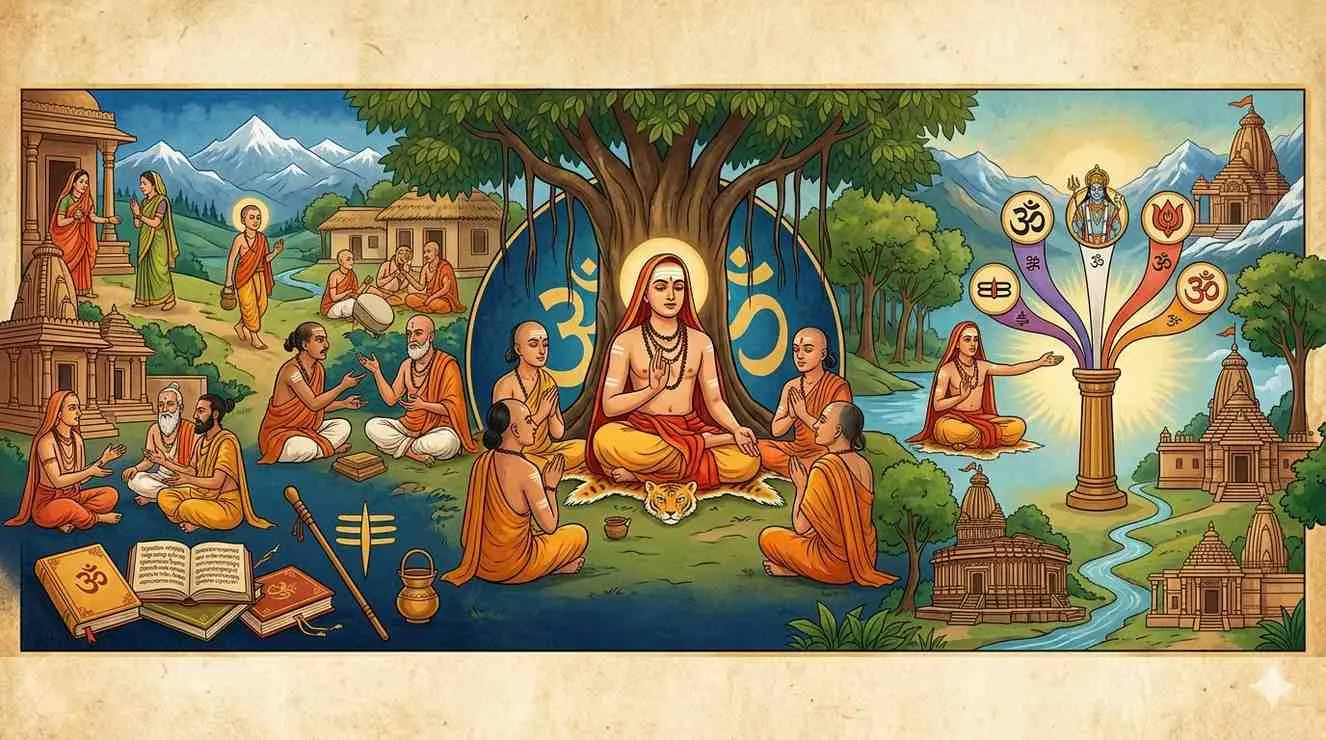
Adi Shankaracharya – Life, Philosophy, Teachings & The Saint Who Saved Sanatan Dharma
[image: 🙏] Adi Shankaracharya — The Light That Saved Sanatan Dharma There are moments in history when an entire civilization stands at the edge of darkness —…
 Narmadashtakam (Sabindu Sindhu) by Adi Shankaracharya: Full Text in Sanskrit with Meaning
 Govindashtakam (Satyam Jnanam Anantam): Lyrics with Meaning by Adi Shankaracharya
 Ardhanarishvara Stotram (Champeya Gaurardha Sharirakayai) by Adi Shankaracharya: Full Text with Meaning
 Shatpadi Stotram (Vishnu Shatpadi, Avinayam Apanaya Vishno) by Adi Shankaracharya: Full Text with Meaning
Latest Articles

Ganga Stotram (Devi Sureshvari Bhagavati Gange) by Adi Shankaracharya: Full Text with Meaning
The Ganga Stotram, 'devi sureshvari bhagavati gange', is Adi Shankaracharya's hymn to the river goddess Ganga. Here…
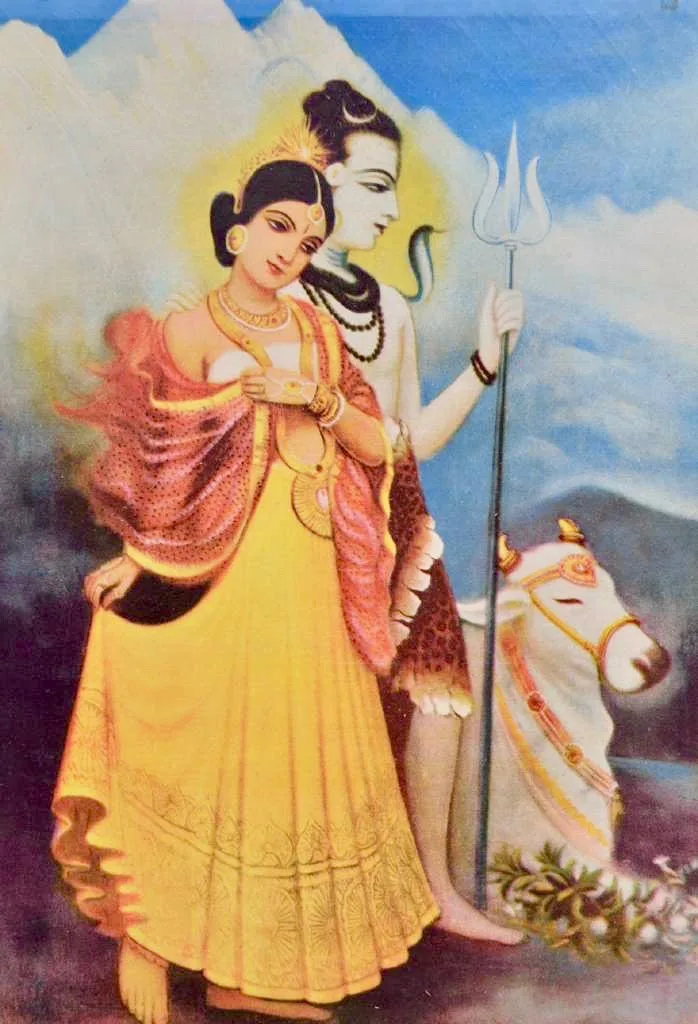
Shiva Manasa Puja (Ratnaih Kalpitam Asanam) by Adi Shankaracharya: Full Text with Meaning
The Shiva Manasa Puja, 'ratnaih kalpitam asanam', is Adi Shankaracharya's hymn of worship offered entirely in the…
Bhavani Ashtakam (Adi Shankaracharya): Full Text with Meaning
The Bhavani Ashtakam of Adi Shankaracharya, 'na tato na mata', is a prayer of complete surrender to the Divine Mother…
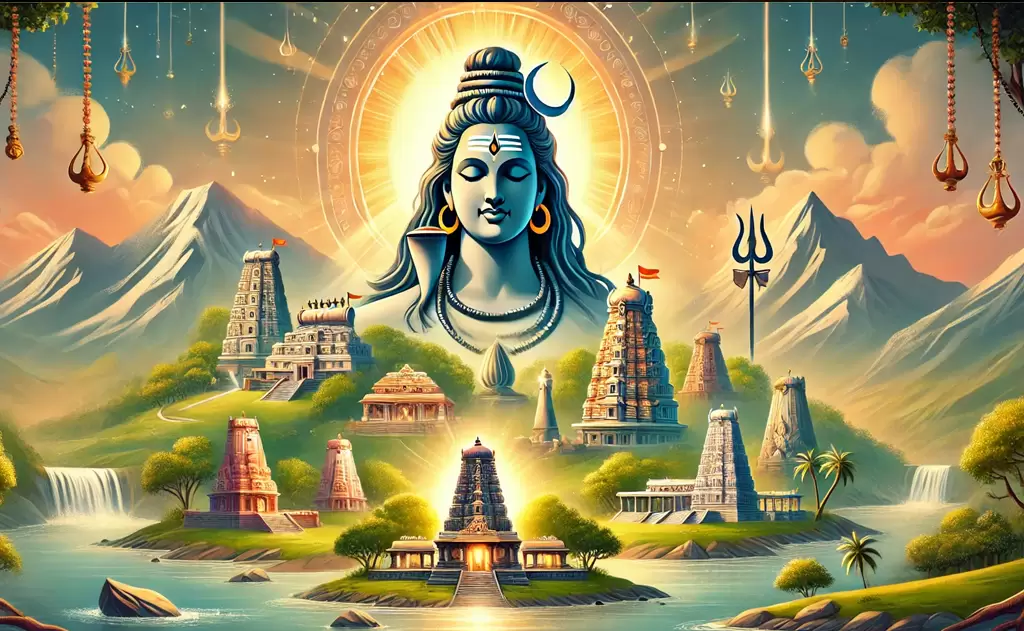
Dwadasa Jyotirlinga Stotram (Adi Shankaracharya): Full Text with Meaning
The Dwadasa Jyotirlinga Stotram of Adi Shankaracharya praises Shiva in his twelve Jyotirlingas, from Somanatha to…
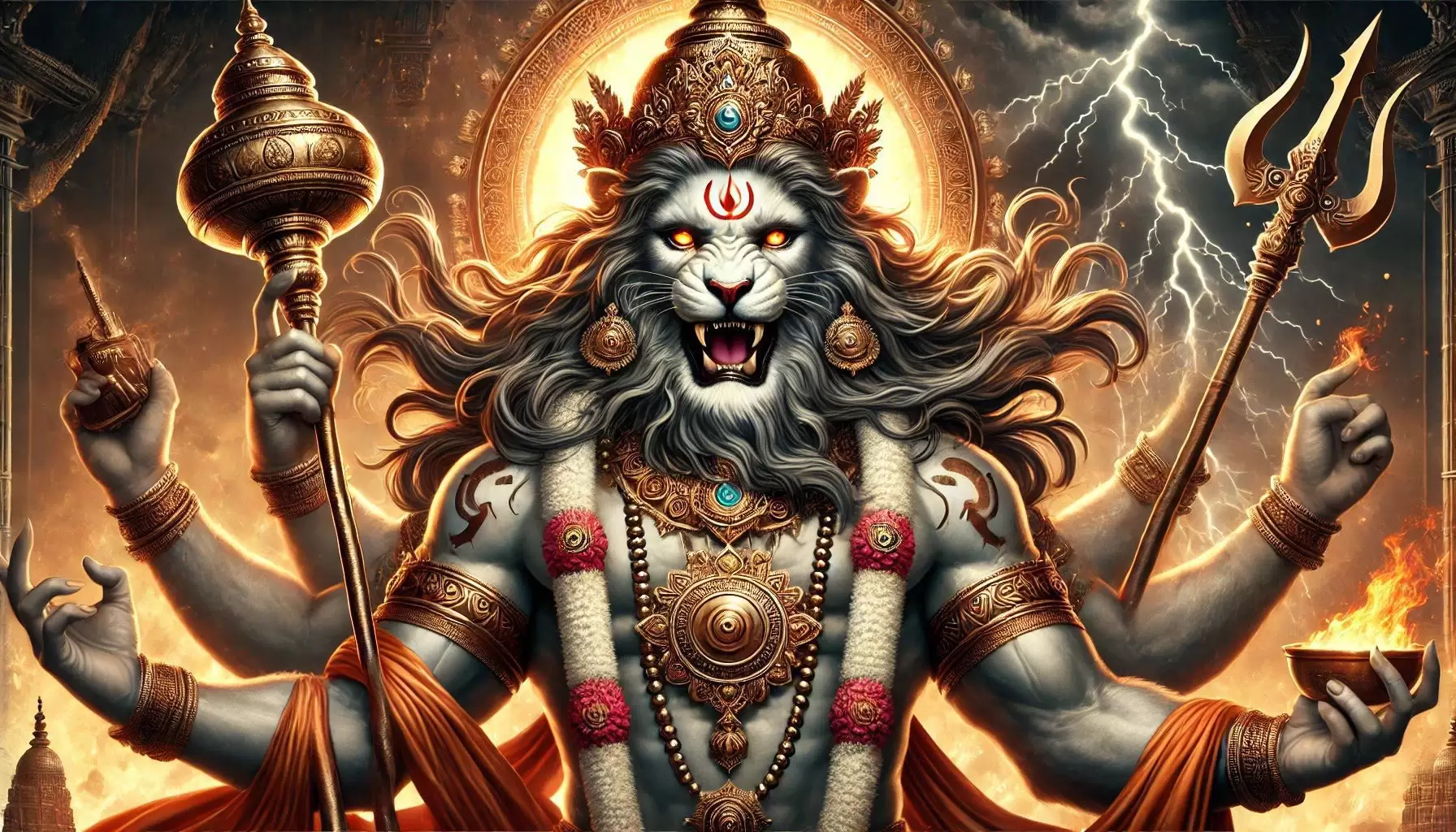
Lakshmi Narasimha Karavalamba Stotram (Adi Shankaracharya): Full Text with Meaning
The Lakshmi Narasimha Karavalamba Stotram, 'mama dehi karavalambam', is Adi Shankaracharya's cry for the Lord's…
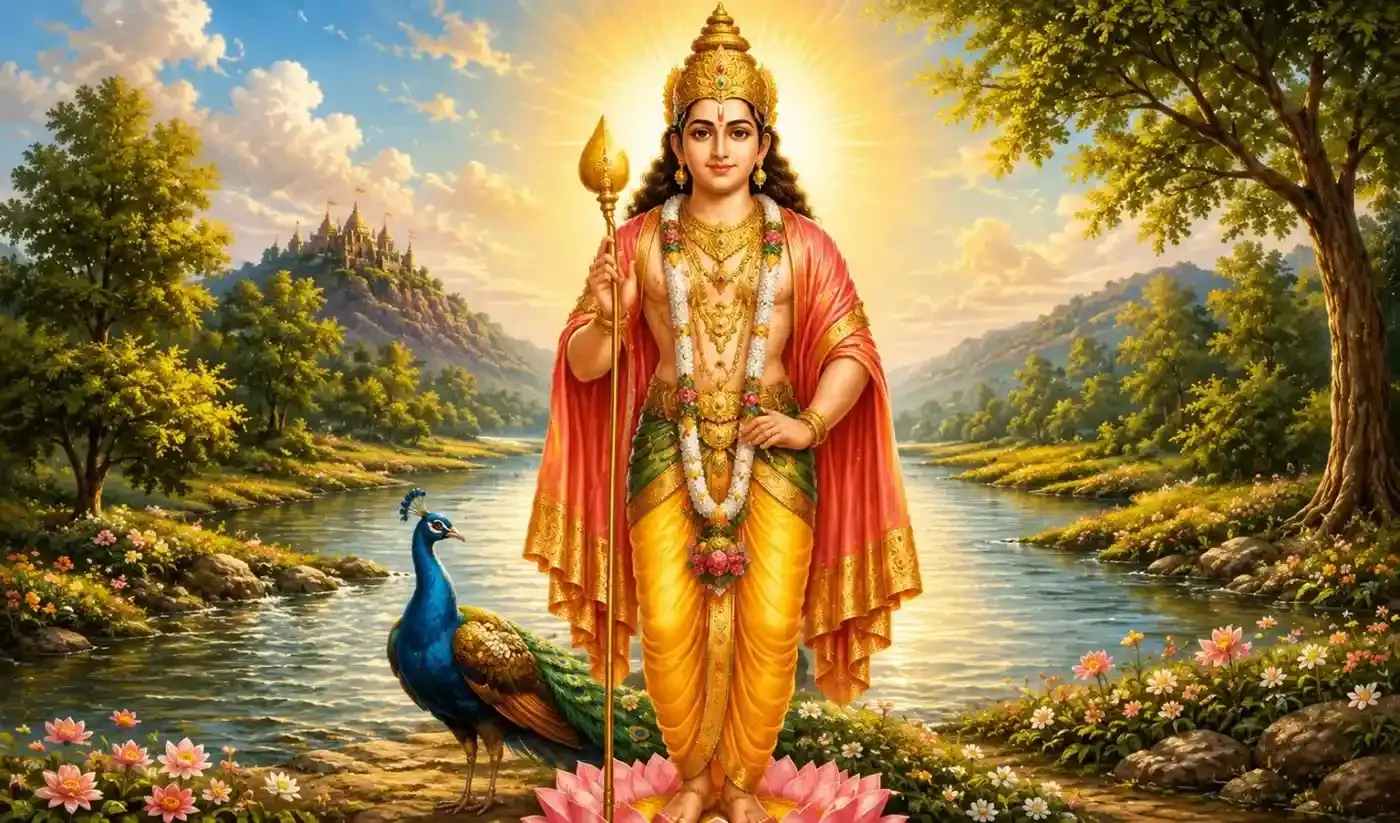
Subrahmanya Bhujangam (Adi Shankaracharya): Full Text with Meaning, for Skanda Sashti
The Subrahmanya Bhujangam is Adi Shankaracharya's hymn to Lord Murugan (Subrahmanya, Skanda) at Tiruchendur, in the…
Soundarya Lahari: Adi Shankaracharya's 100-Verse Hymn to the Divine Mother — Complete Guide
The supreme Shakti hymn — 100 verses on the beauty and power of Tripura Sundari, composed by Adi Shankaracharya.…
Bhaja Govindam (Adi Shankaracharya): Full Text of All 31 Verses with Meaning
Bhaja Govindam, also called Moha Mudgara, is Adi Shankaracharya's hymn on the shortness of life and the need to turn…
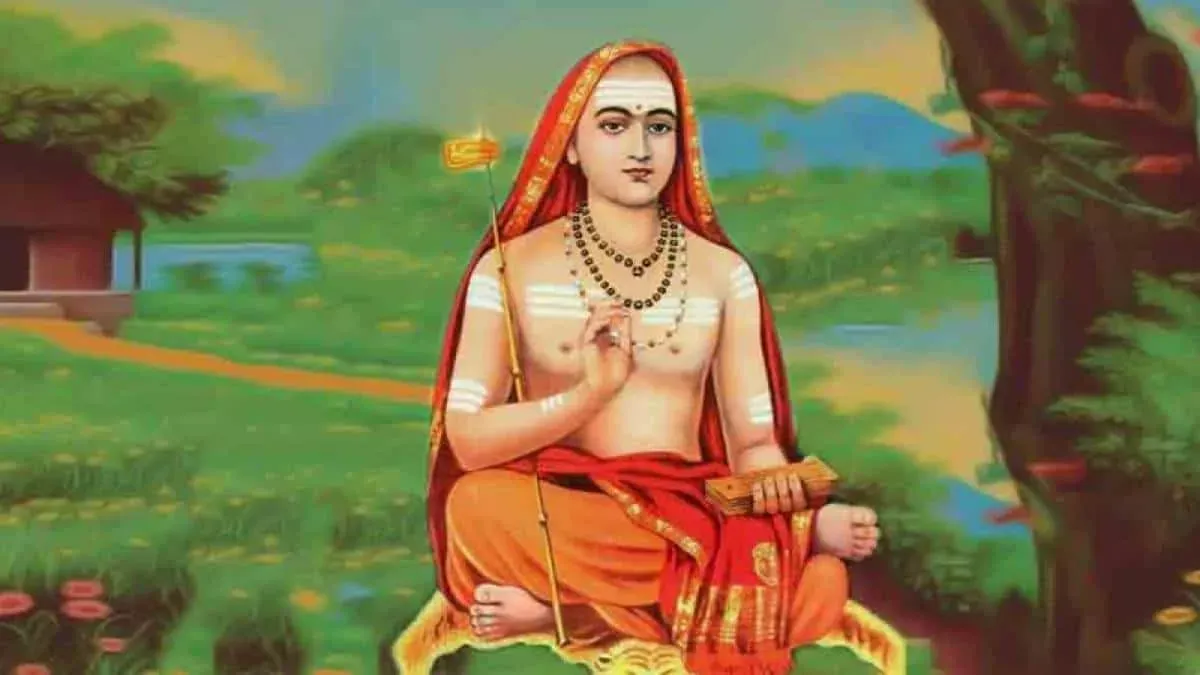
Adi Shankaracharya's Teachings: Key Lessons of Advaita Vedanta
Adi Shankaracharya's teaching, Advaita Vedanta, holds that the true Self is not different from Brahman. This guide…
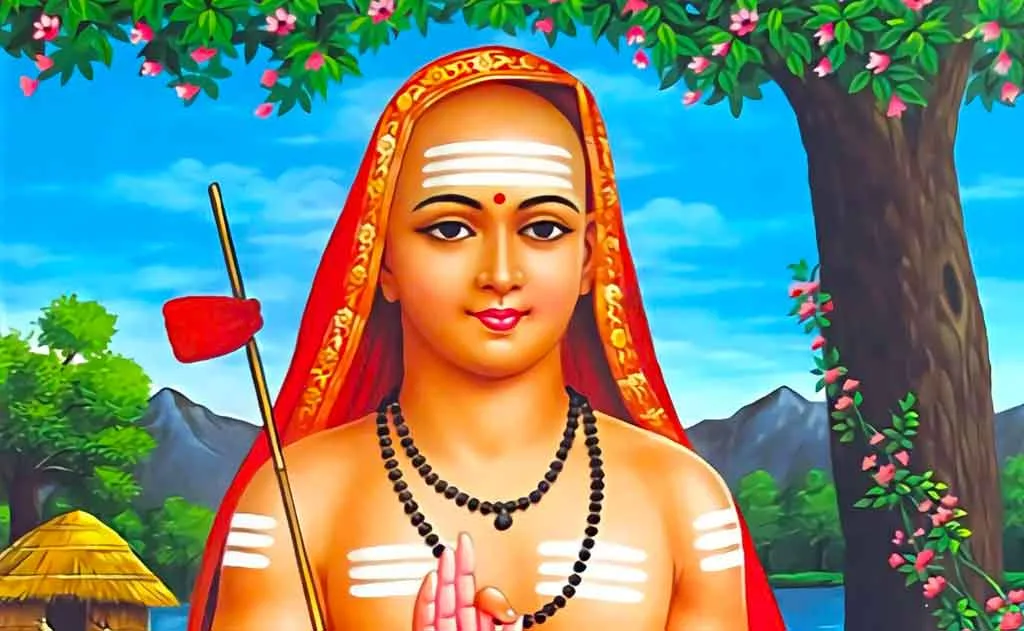
The Divine Legacy of Adi Shankaracharya: Uniting India with the Four Amnaya Peethams
Learn where the Four Amnaya Peethams founded by Adi Shankaracharya stand, with each one's Veda, Mahavakya and first…
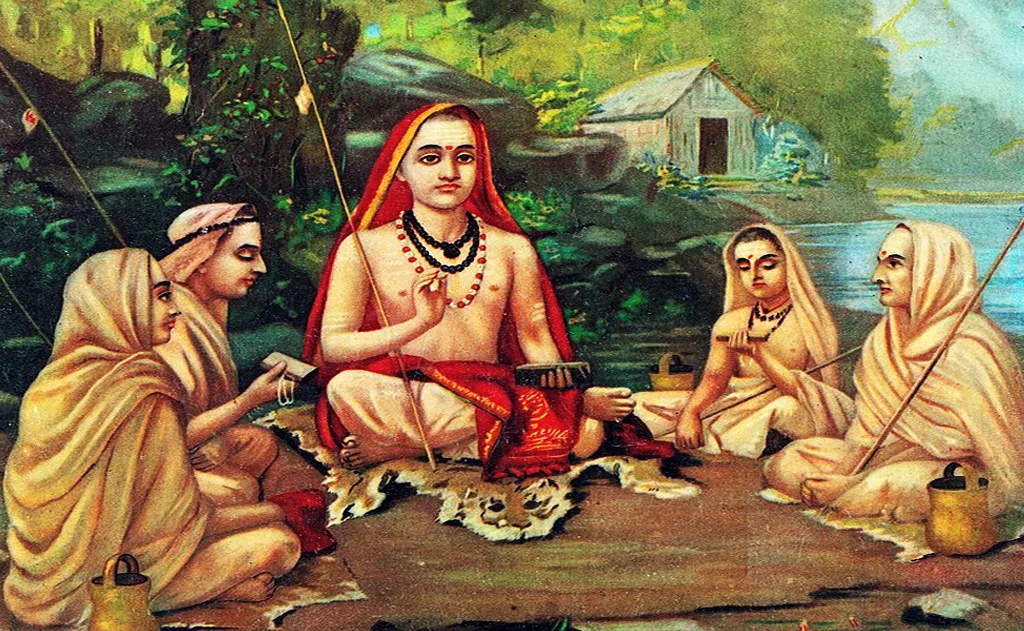
What Is Advaita Vedanta? A Beginner's Guide to Shankara's Non-Dualism
A plain-language guide to Advaita Vedanta: what 'non-dual' means, who Adi Shankaracharya was, the ideas of Brahman…
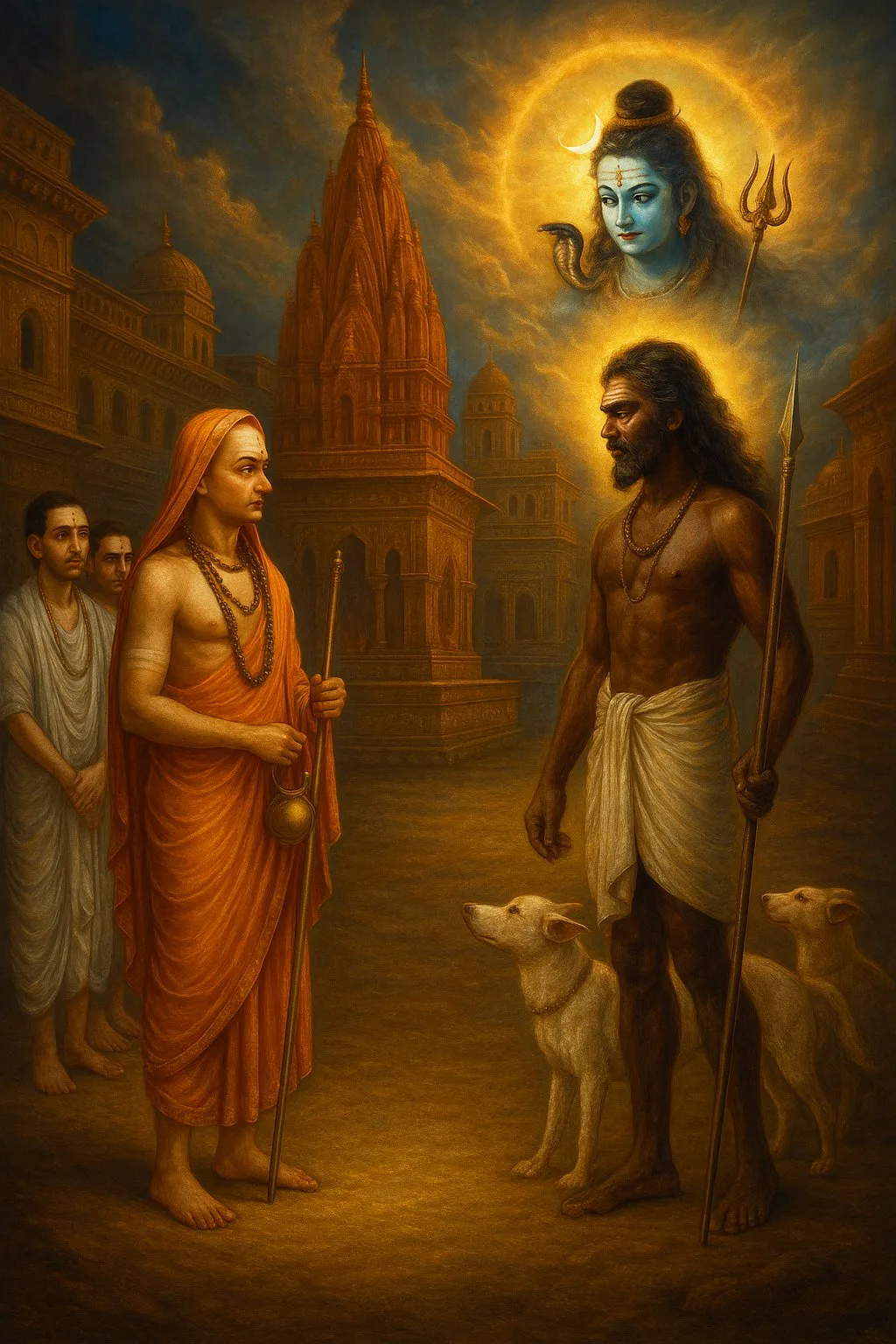
Shankaracharya and the Chandala: The Story Behind the Manisha Panchakam
In a story told in the traditional biographies of Adi Shankaracharya, a Chandala asked at Kashi to step aside…
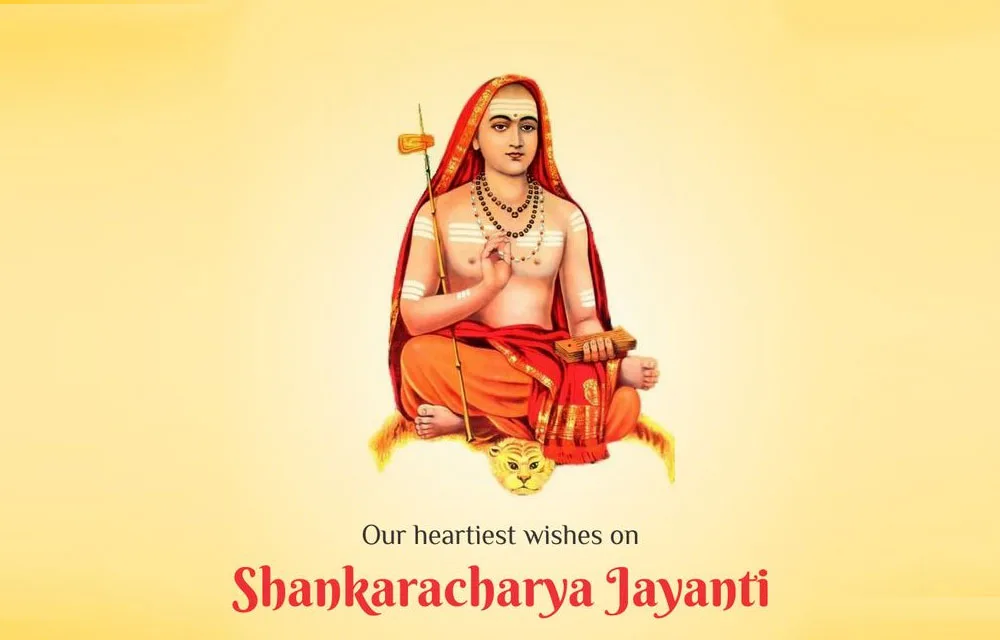
Shankara Jayanti: Date, History and Observance
Shankara Jayanti, the birth anniversary of Adi Shankaracharya, is observed on Vaishakha Shukla Panchami, the fifth day…

Adi Shankaracharya: Life, Advaita Vedanta, Works and Mathas
Adi Shankaracharya, born at Kaladi in Kerala and usually dated to the late 7th or 8th century CE, was the most…
FAQs
Who was Adi Shankaracharya?
Adi Shankaracharya was a philosopher-saint born in Kaladi, Kerala, who is revered as the great teacher of Advaita Vedanta, the view that the individual self and Brahman are one. He travelled across India debating scholars, revived Vedic learning and is credited with organising monastic orders.
What are the four mathas established by Adi Shankaracharya?
Tradition credits him with founding four principal mathas in four directions: Sringeri in Karnataka, Dwarka in Gujarat, Puri in Odisha and Jyotirmath in Uttarakhand. Each is headed by a Shankaracharya. The Kanchi Kamakoti Peetham also traces its lineage to him.
Which works are attributed to Adi Shankaracharya?
He is credited with commentaries on the principal Upanishads, the Bhagavad Gita and the Brahma Sutras, as well as philosophical texts like Vivekachudamani. Many popular hymns are attributed to him, including Bhaja Govindam, Soundarya Lahari, Kanakadhara Stotram and Annapurna Ashtakam.
When is Shankara Jayanti celebrated?
Shankara Jayanti is observed in the month of Vaishakha, usually April or May, during the bright fortnight. Mathas and Vedanta groups hold recitations of his hymns and discourses. Check our panchang for the exact date each year.