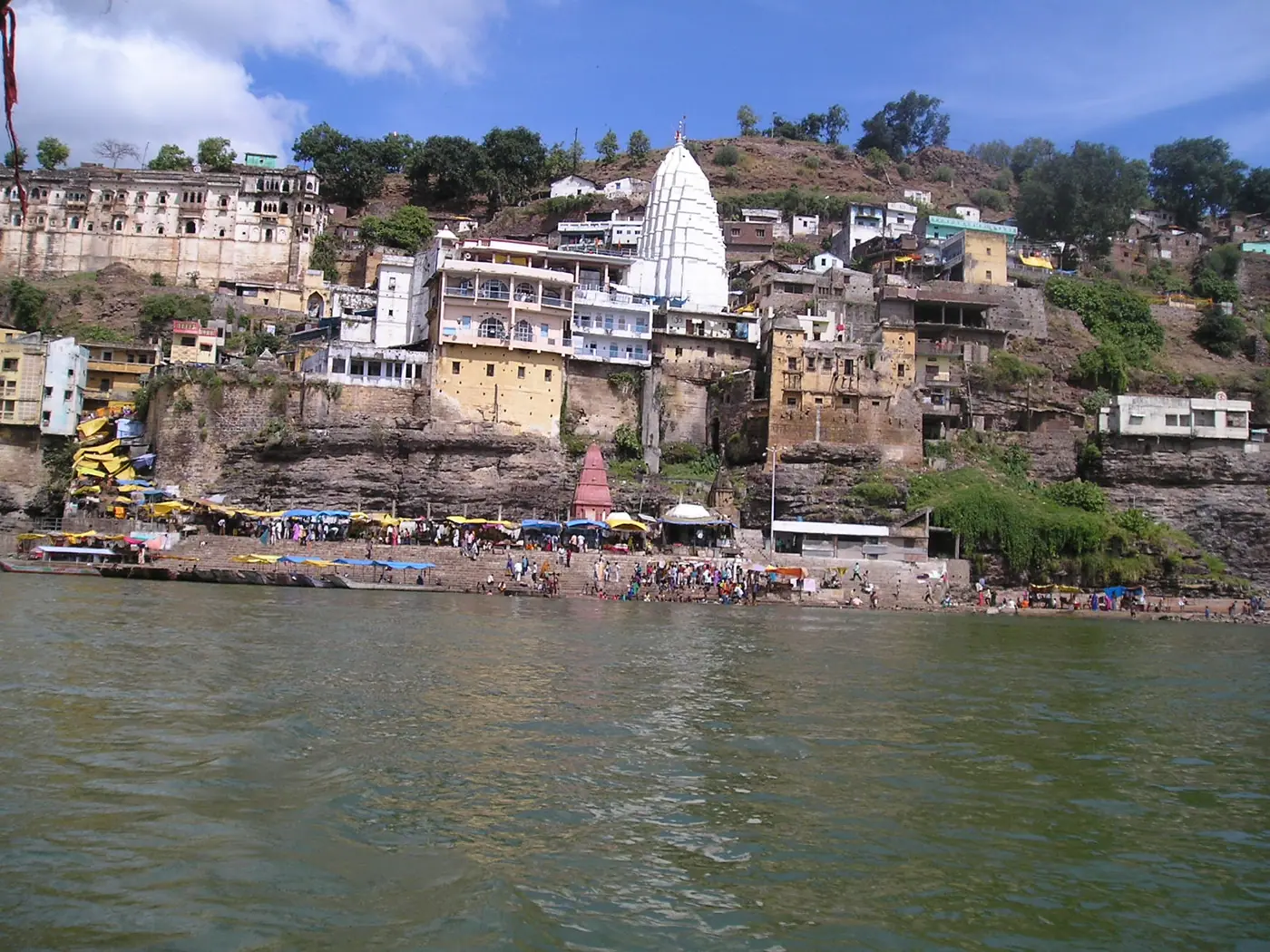
Shiva Manasa Puja (Ratnaih Kalpitam Asanam) by Adi Shankaracharya: Full Text with Meaning
The Shiva Manasa Puja, 'ratnaih kalpitam asanam', is Adi Shankaracharya's hymn of worship offered entirely in the mind: a jewelled throne, a bath, food, music and, finally, one's whole life. Here are all 5 verses in Devanagari and IAST from sanskritdocuments.org, with our own verse-by-verse meaning and a simple way to do the mental puja at home.
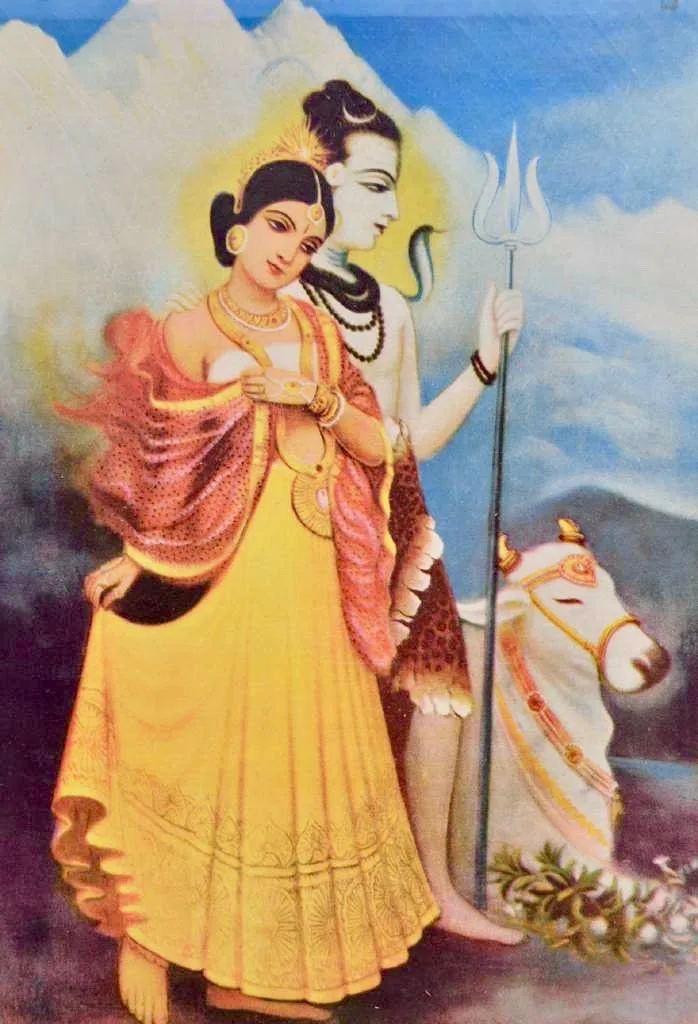
Quick answer: The Shiva Manasa Puja is a hymn of 5 verses by Adi Shankaracharya in which a complete puja to Shiva is offered in the mind: a jewelled throne, a bath, garments, sandal, flowers, incense, lamp, food, music and praise. Verse 4 then offers one's whole life as worship ('whatever I do, O Shambhu, is your worship'), and verse 5 asks forgiveness for every fault. It is traditionally recited on Mondays, Pradosham and Shivaratri, and by many people every night.
Last updated: 20 October 2026. The Sanskrit below is the complete text published by sanskritdocuments.org (file smaanasa.itx; Author field: Shankaracharya), converted to Devanagari and IAST by software from the source, with no word typed by hand and no letter changed. Our own plain-English meaning follows every verse.
Shiva Manasa Puja: full text with meaning
Each verse appears in Devanagari and then in IAST transliteration, followed by its meaning. Verses 1 to 4 are in the long shardula-vikridita metre; verse 5 is shorter, and the source marks its line breaks with single dandas.
The offerings of the puja (verses 1 to 3)
Verse 1
रत्नैः कल्पितमासनं हिमजलैः स्नानं च दिव्याम्बरं
नानारत्नविभूषितं मृगमदामोदाङ्कितं चन्दनम् ।
जातीचम्पकबिल्वपत्ररचितं पुष्पं च धूपं तथा
दीपं देव दयानिधे पशुपते हृत्कल्पितं गृह्यताम् ॥ १॥
ratnaiḥ kalpitamāsanaṃ himajalaiḥ snānaṃ ca divyāmbaraṃ
nānāratnavibhūṣitaṃ mṛgamadāmodāṅkitaṃ candanam |
jātīcampakabilvapatraracitaṃ puṣpaṃ ca dhūpaṃ tathā
dīpaṃ deva dayānidhe paśupate hṛtkalpitaṃ gṛhyatām || 1||
Meaning: O God, ocean of compassion, Pashupati: a throne of jewels imagined for you, a bath in water cool as snow, divine garments adorned with many jewels, sandal paste fragrant with musk, flowers of jasmine and champaka with bilva leaves, incense and a lamp: accept all these, imagined in my heart.
Verse 2
सौवर्णे नवरत्नखण्डरचिते पात्रे घृतं पायसं
भक्ष्यं पञ्चविधं पयोदधियुतं रम्भाफलं पानकम् ।
शाकानामयुतं जलं रुचिकरं कर्पूरखण्डोज्ज्वलं
ताम्बूलं मनसा मया विरचितं भक्त्या प्रभो स्वीकुरु ॥ २॥
sauvarṇe navaratnakhaṇḍaracite pātre ghṛtaṃ pāyasaṃ
bhakṣyaṃ pañcavidhaṃ payodadhiyutaṃ rambhāphalaṃ pānakam |
śākānāmayutaṃ jalaṃ rucikaraṃ karpūrakhaṇḍojjvalaṃ
tāmbūlaṃ manasā mayā viracitaṃ bhaktyā prabho svīkuru || 2||
Meaning: In a golden bowl set with pieces of the nine gems, ghee and sweet rice, five kinds of food with milk and curd, bananas and a cool drink; countless vegetables, sweet water bright with camphor, and betel: all this I have prepared in my mind with devotion. O Lord, accept it.
Verse 3
छत्रं चामरयोर्युगं व्यजनकं चादर्शकं निर्मलं
वीणाभेरिमृदङ्गकाहलकला गीतं च नृत्यं तथा ।
साष्टाङ्गं प्रणतिः स्तुतिर्बहुविधा ह्येतत्समस्तं मया
सङ्कल्पेन समर्पितं तव विभो पूजां गृहाण प्रभो ॥ ३॥
chatraṃ cāmarayoryugaṃ vyajanakaṃ cādarśakaṃ nirmalaṃ
vīṇābherimṛdaṅgakāhalakalā gītaṃ ca nṛtyaṃ tathā |
sāṣṭāṅgaṃ praṇatiḥ stutirbahuvidhā hyetatsamastaṃ mayā
saṅkalpena samarpitaṃ tava vibho pūjāṃ gṛhāṇa prabho || 3||
Meaning: A parasol, a pair of whisks, a fan and a spotless mirror; the vina, the kettledrum, the mridanga and the great drum with their music; song and dance; full prostration and many kinds of praise: all this I offer you by my resolve, O all-pervading one. O Lord, accept my worship.
Life itself as worship (verse 4)
Verse 4
आत्मा त्वं गिरिजा मतिः सहचराः प्राणाः शरीरं गृहं
पूजा ते विषयोपभोगरचना निद्रा समाधिस्थितिः ।
सञ्चारः पदयोः प्रदक्षिणविधिः स्तोत्राणि सर्वा गिरो
यद्यत्कर्म करोमि तत्तदखिलं शम्भो तवाराधनम् ॥ ४॥
ātmā tvaṃ girijā matiḥ sahacarāḥ prāṇāḥ śarīraṃ gṛhaṃ
pūjā te viṣayopabhogaracanā nidrā samādhisthitiḥ |
sañcāraḥ padayoḥ pradakṣiṇavidhiḥ stotrāṇi sarvā giro
yadyatkarma karomi tattadakhilaṃ śambho tavārādhanam || 4||
Meaning: You are my Self; Girija (Parvati) is my intellect; my life-breaths are your companions; my body is your house. All my enjoyment of the senses is worship of you; my sleep is the state of samadhi. My walking is a circling around you; all my words are hymns to you. Whatever I do, all of it, O Shambhu, is your worship.
Asking forgiveness (verse 5)
Verse 5
करचरणकृतं वाक्कायजं कर्मजं वा ।
श्रवणनयनजं वा मानसं वापराधम् ।
विहितमविहितं वा सर्वमेतत्क्षमस्व ।
जय जय करुणाब्धे श्रीमहादेवशम्भो ॥ ५॥
karacaraṇakṛtaṃ vākkāyajaṃ karmajaṃ vā |
śravaṇanayanajaṃ vā mānasaṃ vāparādham |
vihitamavihitaṃ vā sarvametatkṣamasva |
jaya jaya karuṇābdhe śrīmahādevaśambho || 5||
Meaning: Whatever wrong I have done with hands or feet, with speech or body, through my actions, with ears or eyes, or in the mind, whether it was prescribed or not: forgive it all. Victory, victory, O ocean of compassion, great god Shambhu!
Colophon
॥ इति श्रीमच्छङ्कराचार्यविरचिता शिवमानसपूजा समाप्ता ॥
|| iti śrīmacchaṅkarācāryaviracitā śivamānasapūjā samāptā ||
Meaning: Thus ends the Shiva Manasa Puja composed by Shri Shankaracharya.
A complete puja in five verses
The first three verses follow the order of a traditional puja to Shiva, but every offering is imagined rather than placed on the altar. Nothing is too costly for the mind: the seat is made of jewels, the bowl of gold and the nine gems. The table shows how the verses map to the familiar steps of a puja:
| Verse | Offerings | Step of the puja |
|---|---|---|
| 1 | jewelled throne, bath in cool water, divine garments, sandal with musk, jasmine, champaka and bilva, incense, lamp | asana, snana, vastra, gandha, pushpa, dhupa, dipa |
| 2 | ghee and sweet rice in a golden bowl, five kinds of food, bananas, a drink, vegetables, camphor-scented water, betel | naivedya and tambula |
| 3 | parasol, whisks, fan, mirror, music, song, dance, prostration, praise | rajopachara (royal honours), namaskara, stuti |
| 4 | the Self, the mind, the breath, the body, sleep, walking, speech, every action | the whole of life as puja |
| 5 | a prayer to forgive every fault, in action, speech or thought | kshamapana (asking forgiveness) |
Verse 4 is often quoted on its own. It turns the puja inside out: the Self is Shiva, the intellect is Parvati, the body is the temple, sleep is samadhi, walking is pradakshina and every word is a hymn. In this vision, Shankaracharya's Advaita and the simple devotion of a household puja meet.
When is it traditionally recited?
- On Mondays: Monday (Somavar) is Shiva's day. See our Monday guide and the Monday rituals guide for NRI families.
- On Pradosham and Masik Shivaratri: see the Pradosham guide. The coming Masik Shivaratri days are Saturday 7 November 2026 and Monday 7 December 2026, and there is a Soma Pradosh on Monday 21 December (dates for New Delhi; check your local panchang abroad).
- In Karthika Masam: the Karthika Somavarams of 2026 fall on 16, 23 and 30 November and 7 December; see the Karthika Somavaram 2026 dates.
- Every night: many people recite it before sleep, offering the whole day to Shiva, as verse 4 suggests.
How to do the mental puja at home
- Sit quietly, with or without a picture or lingam of Shiva in front of you. Close your eyes.
- Recite verse 1 slowly. With each phrase, picture the offering: a throne of jewels, a bath of cool water, fine garments, fragrant sandal, fresh flowers and bilva leaves, incense rising and a lamp shining.
- Do the same with verses 2 and 3, the food and the royal honours.
- With verse 4, let go of the imagery and simply offer yourself: your breath, your body, your day.
- End with verse 5, asking forgiveness for every fault, and sit for a moment in silence.
Pronunciation help
- In the IAST, a line over a vowel (ā, ī, ū) means it is held twice as long; ṇ, ṭ and ḍ are made with the tongue curled back; ś and ṣ are both 'sh' sounds; c is always 'ch'.
- Verses 1 to 4 have 19 syllables to a line with a pause after the 12th: 'ratnaiḥ kalpitamāsanaṃ himajalaiḥ | snānaṃ ca divyāmbaraṃ'.
- 'Hṛtkalpitaṃ' (verse 1) is said 'hrit-kal-pi-tam': 'imagined in the heart'.
Traditional beliefs about the Shiva Manasa Puja
The hymn states no reward; it is itself the offering. Devotees traditionally believe that a manasa puja offered with sincerity:
- is as dear to Shiva as any outward worship, since what is offered is the devotee's attention and love;
- makes worship possible anywhere: while travelling, in hospital, in a small apartment or at work;
- slowly turns ordinary life into worship, as verse 4 describes.
These are matters of faith and tradition, not promises of any particular result.
Tips for NRI families
- Ideal when you cannot do a full puja. On busy weekday mornings, or when away from home, the five verses can stand in for the whole ritual.
- Explain verse 4 to teenagers. The idea that walking, speaking and even sleeping can be worship often speaks to young people more than ritual does.
- Build a Monday set. Add the Lingashtakam, the Bilvashtakam and the Shiva Panchakshara Stotram.
- Explore Shankaracharya's other hymns: the Kalabhairava Ashtakam, the Nirvana Shatakam, the Totakashtakam (written in his praise) and the Devi Aparadha Kshamapana Stotram.
Also read: Ardhanarishvara Stotram and Ganga Stotram.
Also read: Shivashtakam (prabhum prananatham) and Kashi Vishwanath Ashtakam.
Frequently asked questions
What is a manasa puja?
A puja offered in the mind (manasa). Instead of physical flowers, lamps and food, the devotee imagines each offering, often in great splendour, and offers it with devotion. Shankaracharya's hymn walks through a complete puja this way and ends by offering one's whole life as worship.
Who composed the Shiva Manasa Puja?
Adi Shankaracharya, according to the colophon on sanskritdocuments.org, which reads 'composed by Shri Shankaracharya'. A different, longer Shiva Manasa Puja by Krishnananda Sarasvati also exists; it is not this hymn.
Can I do a manasa puja instead of a regular puja?
Many teachers say a puja offered sincerely in the mind is complete in itself, which is why this hymn is loved by travellers, students, people who are unwell and families without space for a shrine. Others use it alongside a physical puja. Follow your family's practice.
What does verse 4 mean?
It is the heart of the hymn: 'You are my Self; Parvati is my intellect; my body is your house; my sleep is samadhi; my walking is circling you; my words are your praise; whatever I do is your worship.' Ordinary life itself becomes the puja.
When is it traditionally recited?
On Mondays, on Pradosham and Masik Shivaratri, through Karthika Masam and on Maha Shivaratri; and by many people every day, especially at night before sleep.
How long does it take?
About 3 minutes to recite. If you pause to imagine each offering, the mental puja can take 10 minutes or more.
Editor's note (20 October 2026)
This page was published on 20 October 2026 at the address readers and search engines were already requesting. The Sanskrit is the full text of the Shiva Manasa Puja on sanskritdocuments.org (file smaanasa.itx, a 'sartha' edition with an English rendering; Author field: Shankaracharya; colophon: composed by Shri Shankaracharya). No letter of the source is changed; the single dandas inside verse 5 are kept as printed. The meanings are our own; the source's English rendering is not reproduced. sanskritdocuments.org also has a longer and different Shiva Manasa Puja, or Atmapuja Stotram, by Krishnananda Sarasvati (shivamAnasapUjA); it is not printed here.
Related guides
Share this with family and friends
Send it on WhatsApp, post it, or copy the link.
You might also like
Shiva Mahimna Stotram (Pushpadanta): Full Lyrics with Meaning
Shiva Panchakshara Stotram (Nagendraharaya): Lyrics, Meaning and Benefits
Can Householders Keep a Shiva Lingam at Home? Worship Shiva's Murti or Photo with Om Namah Shivaya