
Makar Sankranti 2027: Date, Punya Kaal Timings and Festival Guide
Quick answer: Makar Sankranti 2027 is on Friday 15 January in India per the panchang; some government lists mark 14 January. The Sun enters sidereal Makara (Capricorn) at 9:14 PM IST on Thursday 14 January, after sunset, so the Punya Kaal is on Friday morning.
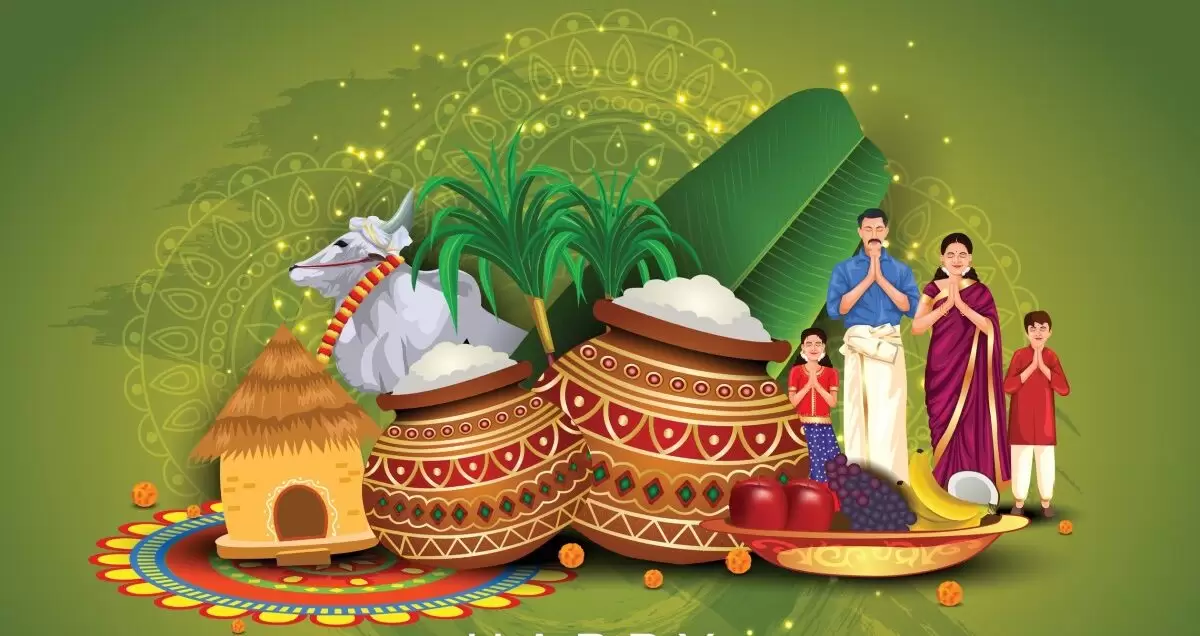
Quick answer: Makar Sankranti 2027 is on Friday 15 January in India per the panchang; some government lists mark 14 January. The Sun enters sidereal Makara (Capricorn) at 9:14 PM IST on Thursday 14 January, after sunset, so the Punya Kaal is on Friday morning. In the USA, Canada and the UK the day is Thursday 14 January.
Editor's note (12 November 2026): We rewrote this guide. Corrected: the page showed two different update dates (25 and 30 October); it now has one review date and a single sources list. We removed the Uttarayan date of Friday 15 January, because Gujarat's 2027 holiday list is not out yet. Makaravilakku at Sabarimala now reads "date awaited from the Travancore Devaswom Board". Bhishma's passing is now attributed correctly to Bhishma Ashtami in the month of Magha, not to Sankranti day. We removed Winnipeg times that we had adjusted ourselves, Frankfurt times that sit minutes from sunset, and Lohri sunset times from our own calculator, so every Punya Kaal on this page is a value Drik Panchang publishes. We removed the Sanskrit verse text. The kite-string ban is now cited to the National Green Tribunal judgment of 11 July 2017. We added sections on why the date differs between countries and on how Makar Sankranti and Pongal relate.
Makar Sankranti 2027 at a glance
| Detail | 2027 |
|---|---|
| Makar Sankranti in India | Friday 15 January 2027 per the panchang (some government lists mark 14 January) |
| Moment the Sun enters Makara | 15:44 UTC = 9:14 PM IST on Thursday 14 January 2027 |
| Punya Kaal, New Delhi | 7:15 AM to 5:46 PM, Friday 15 January |
| Maha Punya Kaal, New Delhi | 7:15 AM to 9:00 AM, Friday 15 January |
| Punya Kaal, Hyderabad | 6:49 AM to 6:01 PM, Friday 15 January |
| Punya Kaal, Chennai | 6:35 AM to 6:02 PM, Friday 15 January |
| USA, Canada, UK | Thursday 14 January 2027 (local panchang day) |
| Gulf, Singapore, Malaysia, Australia, New Zealand | Friday 15 January 2027 |
| Bhogi and Lohri (India) | Thursday 14 January 2027 |
| Thai Pongal and Pedda Panduga Sankranti (India) | Friday 15 January 2027 |
| Kanuma and Mattu Pongal (India) | Saturday 16 January 2027 |
| Mukkanuma and Kaanum Pongal (India) | Sunday 17 January 2027 |
Times are from Drik Panchang. Confirm with your local panchang or temple priest, especially if your family follows a Vakya (traditional Tamil) or other regional almanac.
When is Makar Sankranti 2027?
Makar Sankranti (also spelled Makara Sankranti, Sankranthi or Sankrant; in Karnataka, Sankramana) is the day the Sun moves into the sign Makara in the sidereal zodiac used by Hindu calendars. In 2027 that moment is 15:44 UTC on Thursday 14 January. In India it is 9:14 PM IST, after sunset, so panchangs place the festival and its Punya Kaal on Friday 15 January.
The Central Government's 2027 restricted-holiday list marks "Makar Sankranti / Magha Bihu" on Thursday 14 January and Pongal on Friday 15 January. Odisha's list, as reported, marks Makar Sankranti on 14 January. So you will see both dates in India. The section below explains why. For worship, bathing and daan (charity), families who follow the panchang keep Friday 15 January.
Punya Kaal means the "meritorious period" after the Sun's entry, the window traditionally preferred for the bath, prayers and charity. Maha Punya Kaal is its first and most valued part.
Makar Sankranti 2027 Punya Kaal in Indian cities
All times are IST on Friday 15 January 2027. The Punya Kaal starts at local sunrise because the Sankranti moment was the night before, and ends at sunset. Sunrise and sunset differ by city, so the window does too.
| City | Punya Kaal | Maha Punya Kaal |
|---|---|---|
| New Delhi | 7:15 AM to 5:46 PM | 7:15 AM to 9:00 AM |
| Hyderabad | 6:49 AM to 6:01 PM | 6:49 AM to 8:41 AM |
| Chennai | 6:35 AM to 6:02 PM | 6:35 AM to 8:30 AM |
| Vijayawada | 6:39 AM to 5:54 PM | 6:39 AM to 8:32 AM |
| Visakhapatnam | 6:31 AM to 5:42 PM | 6:31 AM to 8:23 AM |
| Bengaluru | 6:46 AM to 6:12 PM | 6:46 AM to 8:40 AM |
| Mumbai | 7:15 AM to 6:21 PM | 7:15 AM to 9:06 AM |
| Ahmedabad | 7:23 AM to 6:15 PM | 7:23 AM to 9:12 AM |
| Jaipur | 7:17 AM to 5:55 PM | 7:17 AM to 9:04 AM |
| Amritsar | 7:31 AM to 5:49 PM | 7:31 AM to 9:14 AM |
| Kolkata | 6:19 AM to 5:13 PM | 6:19 AM to 8:08 AM |
| Guwahati | 6:12 AM to 4:53 PM | 6:12 AM to 7:59 AM |
Source: Drik Panchang, checked October 2026 (New Delhi, Hyderabad and Chennai re-checked 11 November 2026). We do not calculate Punya Kaal ourselves. If your city is not listed, use your local panchang.
Makar Sankranti 2027 date and timings abroad
The moment is the same instant everywhere: 15:44 UTC on Thursday 14 January. What changes is the local clock time, and whether that time falls before or after local sunset. All times below are local, from Drik Panchang, checked October 2026.
| Place | Sankranti day | Sun enters Makara | Punya Kaal | Maha Punya Kaal |
|---|---|---|---|---|
| USA: New York | Thu 14 Jan | 10:44 AM | 10:44 AM to 4:52 PM | 10:44 AM to 12:20 PM |
| USA: Chicago | Thu 14 Jan | 9:44 AM | 9:44 AM to 4:43 PM | 9:44 AM to 11:19 AM |
| USA: Houston | Thu 14 Jan | 9:44 AM | 9:44 AM to 5:43 PM | 9:44 AM to 11:28 AM |
| USA: Dallas | Thu 14 Jan | 9:44 AM | 9:44 AM to 5:43 PM | 9:44 AM to 11:26 AM |
| USA: Los Angeles | Thu 14 Jan | 7:44 AM | 7:44 AM to 5:06 PM | 7:44 AM to 9:25 AM |
| USA: San Francisco Bay Area | Thu 14 Jan | 7:44 AM | 7:44 AM to 5:13 PM | 7:44 AM to 9:22 AM |
| Canada: Toronto | Thu 14 Jan | 10:44 AM | 10:44 AM to 5:05 PM | 10:44 AM to 12:17 PM |
| Canada: Calgary (UTC−6) | Thu 14 Jan | 9:44 AM | 9:44 AM to 5:57 PM | 9:44 AM to 11:08 AM |
| Canada: Vancouver (UTC−7) | Thu 14 Jan | 8:44 AM, before sunrise | 9:03 AM to 5:41 PM | 9:03 AM to 10:29 AM |
| UK: London | Thu 14 Jan | 3:44 PM | 3:44 PM to 4:19 PM | 3:44 PM to 4:19 PM |
| UK: Leicester | Thu 14 Jan | 3:44 PM | 3:44 PM to 4:18 PM | 3:44 PM to 4:18 PM |
| Trinidad and Tobago: Port of Spain | Thu 14 Jan | 11:44 AM | 11:44 AM to 6:02 PM | 11:44 AM to 1:40 PM |
| South Africa: Johannesburg | Thu 14 Jan | 5:44 PM | 5:44 PM to 7:05 PM | 5:44 PM to 7:05 PM |
| South Africa: Durban | Thu 14 Jan | 5:44 PM | 5:44 PM to 7:01 PM | 5:44 PM to 7:01 PM |
| UAE: Dubai | Fri 15 Jan | 7:44 PM Thu | 7:06 AM to 5:51 PM | 7:06 AM to 8:54 AM |
| Mauritius: Port Louis | Fri 15 Jan | 7:44 PM Thu | 5:43 AM to 6:56 PM | 5:43 AM to 7:55 AM |
| Singapore | Fri 15 Jan | 11:44 PM Thu | 7:12 AM to 7:16 PM | 7:12 AM to 9:13 AM |
| Malaysia: Kuala Lumpur | Fri 15 Jan | 11:44 PM Thu | 7:24 AM to 7:21 PM | 7:24 AM to 9:23 AM |
| Australia: Perth | Fri 15 Jan | 11:44 PM Thu | 5:25 AM to 7:26 PM | 5:25 AM to 7:45 AM |
| Australia: Sydney | Fri 15 Jan | 2:44 AM | 5:59 AM to 8:09 PM | 5:59 AM to 8:21 AM |
| Australia: Melbourne | Fri 15 Jan | 2:44 AM | 6:14 AM to 8:44 PM | 6:14 AM to 8:39 AM |
| Fiji: Suva | Fri 15 Jan | 3:44 AM | 5:42 AM to 6:49 PM | 5:42 AM to 7:53 AM |
| New Zealand: Auckland | Fri 15 Jan | 4:44 AM | 6:18 AM to 8:42 PM | 6:18 AM to 8:42 AM |
Alberta and British Columbia now keep UTC−6 and UTC−7 all year, so check that any app you use shows Calgary and Vancouver on those offsets. In London and Leicester the Sun enters Makara only about 35 minutes before sunset, so the Thursday window is short. Some families in the UK do their Sankranti prayers on Friday morning along with India; follow your family custom or temple. In Frankfurt, Amsterdam and Nairobi the moment falls within a few minutes of sunset, so confirm the day with a local panchang. Our Makar Sankranti and Pongal dates abroad page covers more cities, and our guide to puja timing when clocks change explains time-zone pitfalls.
Why Makar Sankranti is on 15 January in India but 14 January in some countries in 2027
There is one astronomical moment, not one date. The Sun enters sidereal Makara at 15:44 UTC on Thursday 14 January 2027. Each place then decides which civil day that moment belongs to.
The rule used by panchangs such as Drik Panchang is simple:
- If the moment falls before local sunset, that civil day is the Sankranti day, and the Punya Kaal runs from the moment (or from sunrise, if the moment is before sunrise) to sunset.
- If the moment falls after local sunset, the observance moves to the next day, and the Punya Kaal starts at the next sunrise.
In India the moment is 9:14 PM IST on Thursday, well after sunset, so the festival is Friday 15 January. In New York it is 10:44 AM and in London 3:44 PM on Thursday, both in daylight, so the day there is Thursday 14 January. In Dubai, Singapore and Perth the moment is on Thursday evening after sunset, so they keep Friday. In Sydney and Auckland the clock has already passed midnight, so it is Friday there too.
| City | Local time of the moment | Panchang day in 2027 |
|---|---|---|
| New Delhi, Chennai, Hyderabad | 9:14 PM, Thu 14 Jan (after sunset) | Friday 15 January |
| Dubai | 7:44 PM, Thu 14 Jan (after sunset) | Friday 15 January |
| Singapore, Kuala Lumpur | 11:44 PM, Thu 14 Jan (after sunset) | Friday 15 January |
| Sydney, Melbourne | 2:44 AM, Fri 15 Jan | Friday 15 January |
| Auckland | 4:44 AM, Fri 15 Jan | Friday 15 January |
| London, Leicester | 3:44 PM, Thu 14 Jan (before sunset) | Thursday 14 January |
| New York, Toronto | 10:44 AM, Thu 14 Jan | Thursday 14 January |
| Vancouver | 8:44 AM, Thu 14 Jan | Thursday 14 January |
| Los Angeles, San Francisco | 7:44 AM, Thu 14 Jan | Thursday 14 January |
Why do some Indian lists say 14 January?
In short: 15 January in India per the panchang; some government lists mark 14 January. Holiday lists are administrative documents prepared months in advance, and many people remember Sankranti as "always 14 January". The DoPT restricted list for 2027 marks Makar Sankranti and Magha Bihu on Thursday 14 January, and Odisha's list, as reported, does the same. Neither changes when the Sun enters Makara. If your office gives you 14 January off, you can still keep the bath and prayers on Friday morning, or follow your community's calendar.
What about the Haridwar Ardh Kumbh?
The first bathing day of the 2027 Ardh Kumbh at Haridwar has been reported for Thursday 14 January, the day the Sun enters Makara by the clock. Mela administrations fix their own bathing calendar, and pilgrims bathe across both days. If you are travelling, follow the official mela notice for the latest schedule; we have not yet seen it on a government website.
Does the date move over the years?
Yes, slowly. Because of how the sidereal year and our calendar interact, Makar Sankranti drifts later by about one day every seventy years or so. Today it lands on 14 or 15 January depending on the hour of the moment and the place. It is not fixed to 14 January, and it has nothing to do with the four-yearly extra day in February.
What is Makar Sankranti and why is it kept?
A sankranti is the Sun's move from one rashi (sign) into the next. There are twelve each year. Makara Sankranti is the most widely kept because tradition ties it to the start of Uttarayana, the Sun's northward course, which the scriptures call the bright and auspicious half of the year.
Scriptural basis
- Bhagavad Gita 8.24 describes the path of light taken by those who know Brahman, naming fire, light, day, the bright fortnight and the six months of the Sun's northern course (Uttarayana). This verse is a key reason Uttarayana is held sacred.
- The Mahabharata: Bhishma, wounded and lying on a bed of arrows, waits for the Sun to turn north before he leaves his body. Tradition commemorates his passing on Bhishma Ashtami, the eighth day of the bright half of the month of Magha, a few weeks after Sankranti, not on Sankranti day itself.
- Daan (charity) and the bath: bathing and giving at a sankranti are long-standing customs. What is given, and where people bathe, varies by region and family.
The astronomy, and the solstice question
Makar Sankranti is not the winter solstice. The solstice, when the Sun is at its southernmost point and the northern days are shortest, falls around 21–22 December. Makar Sankranti is the Sun's entry into sidereal Makara, about three weeks later. Roughly seventeen centuries ago the two coincided (the exact figure depends on the ayanamsa, the correction a calendar uses). The slow wobble of the Earth's axis, called precession, has pulled them apart since. Hindu tradition still ties the observance of Uttarayana to Makara Sankranti, while astronomers date the Sun's actual turn north from the solstice. Both are true in their own frame.
A harvest and a solar festival
Most Hindu festivals follow the Moon. Sankranti follows the Sun, which is why its Gregorian date barely moves. It is not unusual in this: the April festivals of Mesha Sankranti, such as Puthandu, Vishu, Vaisakhi, Bohag Bihu and Pana Sankranti, are solar too. In much of India the winter harvest is in, so families thank the Sun, the land and the cattle. Crops differ by region: rice in the south and east, sugarcane, sesame and winter vegetables elsewhere, and in Punjab the wheat is still growing.
Popular stories
These are widely told stories, not scripture-based rules:
- Surya visits Shani. Makara is ruled by Shani (Saturn), Surya's son. A popular story describes the day as a father visiting his son despite their quarrels, and families use it to talk about reconciliation.
- Ganga at Gangasagar. At the Gangasagar Mela on Sagar Island in West Bengal, pilgrims remember King Bhagiratha bringing the Ganga down to free his ancestors, and bathe where the river meets the sea.
The festival days around Sankranti in 2027
| Day | Date in India | Where it is kept |
|---|---|---|
| Bhogi (Tamil: Bhogi Pandigai) | Thursday 14 January 2027 | Andhra Pradesh, Telangana, Tamil Nadu, parts of Karnataka |
| Lohri (evening bonfire) | Thursday 14 January 2027 | Punjab, Haryana, Delhi, Himachal Pradesh, Jammu |
| Makar Sankranti, Pedda Panduga Sankranti, Thai Pongal | Friday 15 January 2027 | Across India |
| Maghi | Friday 15 January 2027 | Punjab |
| Magh Bihu (Bhogali Bihu) | Friday 15 January 2027 (DoPT list: 14 January) | Assam |
| Kanuma, Mattu Pongal | Saturday 16 January 2027 | Andhra Pradesh, Telangana, Tamil Nadu |
| Mukkanuma, Kaanum Pongal | Sunday 17 January 2027 | Andhra Pradesh, Telangana, Tamil Nadu |
Uttarayan in Gujarat: Gujarat's 2027 holiday list is awaited, so we do not give a date yet. Lohri in India is Thursday 14 January per the panchang; Punjab's 2027 list is awaited. The night of Uruka, before Magh Bihu, is the community feast; check Assam's list for the holiday date.
Day-by-day guides: Bhogi, Thai Pongal, Mattu Pongal, Kaanum Pongal and Kanuma and Mukkanuma. For the whole month, see January 2027 festivals state by state.
Bhogi
Bhogi is the day before Sankranti, the last day of the Tamil month Margazhi and of Dhanurmasam. Families clean the house and light an early-morning fire of old things, a sign of leaving the old behind. Explanations differ: in Tamil and Telugu tradition the day is linked to Indra, the god of rain, while others connect it with Krishna lifting Govardhana hill to shelter the cowherds from Indra's storms. In Telugu homes young children are showered with Bhogi pallu (regi berries, flowers and coins) in the evening. Many Sri Vaishnava families and temples also mark the end of the Tiruppavai month with Goda Kalyanam, the wedding of Andal. See Dhanurmasam and the Tiruppavai schedule and Koodaravalli.
Sankranti day
The bath, Surya worship, daan and the festival meal. In Tamil Nadu this is Thai Pongal, when new rice is boiled with milk and jaggery until it overflows and everyone calls out "Pongalo Pongal!". In the Telugu states it is the main day of Pedda Panduga (the big festival), with large muggulu (rangoli), gobbemmalu (cow-dung mounds topped with flowers) and visits from Haridasu singers and decorated Gangireddu bulls.
Kanuma and Mattu Pongal
The day for cattle. Cows and bulls are bathed, their horns painted and garlanded, and they are fed pongal. Many Telugu families have a family feast on Kanuma. In Tamil homes, women keep Kanu Pidi on the morning of Mattu Pongal, setting out coloured rice for birds and praying for their brothers. See Mattu Pongal and Kanuma go puja.
Kaanum Pongal and Mukkanuma
Kaanum Pongal ("Pongal of seeing") is the day of visits to relatives, elders and outings. Do not confuse it with Kanu Pidi, which is the women's morning observance. Mukkanuma, the third day in the Telugu states, closes the festival.
How Sankranti is kept across India
| Region | Name | What stands out |
|---|---|---|
| Tamil Nadu | Pongal (Bhogi, Thai Pongal, Mattu Pongal, Kaanum Pongal) | Pot boiling over, kolam, cattle |
| Andhra Pradesh, Telangana | Sankranti or Pedda Panduga (Bhogi, Sankranti, Kanuma, Mukkanuma) | Bhogi fire, muggulu, Haridasu, Gangireddu, kites |
| Karnataka | Makara Sankramana | Ellu bella shared with sugarcane (ellu birodu) |
| Maharashtra | Makar Sankranti | Til-gul and haldi-kunku gatherings |
| Gujarat | Uttarayan, then Vasi Uttarayan | Rooftop kite flying, undhiyu, chikki |
| Punjab | Lohri, then Maghi | Bonfire, songs, Maghi Mela at Sri Muktsar Sahib |
| Assam | Magh Bihu (Bhogali Bihu) | Uruka feast, meji bonfire at dawn |
| West Bengal | Poush Sankranti | Pithe sweets, Gangasagar Mela |
| Uttar Pradesh, Bihar | Khichdi | River bath, khichdi, dahi-chura |
| Kerala | Makara Sankranti | Chiefly a temple observance, with Makaravilakku at Sabarimala |
| Nepal | Maghe Sankranti | Ghee, molasses and yam dishes; a national holiday (as reported) |
Regional guides: Pongal in Tamil Nadu, Sankranti in Andhra Pradesh and Telangana, and the festival's names across India.
Punjab: Lohri and Maghi
Lohri is a Punjabi folk festival kept by Hindus and Sikhs alike. Families and neighbours gather round a bonfire after dark, offer sesame, jaggery, rewri, peanuts and popcorn into the flames, and sing. Children go door to door with Lohri songs, many of which remember the folk hero Dulla Bhatti. A family's first Lohri after a wedding or a birth is celebrated with extra joy. There is no fixed muhurat (auspicious time) for lighting the fire; people gather once it is dark. The next day is Maghi. At Sri Muktsar Sahib, the Maghi Mela commemorates the Forty Liberated Ones (Chali Mukte) of Sikh history, so many Sikh families visit the gurdwara that day.
Gujarat: Uttarayan
Rooftops fill with kite flyers from dawn to dusk, and many families carry on the next day as Vasi Uttarayan ("stale Uttarayan"). Undhiyu, a slow-cooked winter vegetable dish, chikki and til laddoos are the foods of the day. Gujarat's 2027 holiday list is awaited; check it before you plan travel. The International Kite Festival in Ahmedabad is held around Uttarayan; check Gujarat Tourism for the 2027 programme.
Assam: Magh Bihu
On Uruka, the night before, communities build temporary huts called bhelaghar and share a feast. At dawn the meji, a tall bonfire, is lit and prayers are offered. Pithas (rice cakes), laru and curd with chira (flattened rice) are typical foods.
West Bengal, Uttar Pradesh and Bihar
Bengal keeps Poush Sankranti with pithe made from new rice and date-palm jaggery, and pilgrims gather for the Gangasagar Mela. In Uttar Pradesh and Bihar the day is often called Khichdi: a river bath, khichdi of new rice and urad dal, and dahi-chura (curd with flattened rice). Makar Sankranti is one of the bathing days of the Magh Mela at Prayagraj. We will add 2027 dates for Gangasagar and Prayagraj once the mela authorities publish them.
Kerala: Makaravilakku
Kerala's harvest festivals are Onam and Vishu. Makara Sankranti in Kerala is chiefly a temple observance, centred on Sabarimala. Two terms are often mixed up: Makaravilakku is the ritual light shown at Ponnambalamedu, and Makara Jyothi is the star seen in the sky on the evening. The 2027 Makaravilakku date is awaited from the Travancore Devaswom Board. See our Makara Jyothi explainer and the Thiruvabharanam procession.
Makar Sankranti and Pongal: what is shared and what differs
| Makar Sankranti | Pongal | |
|---|---|---|
| What it marks | The Sun's entry into Makara and the start of Uttarayana | The same entry, which is Thai 1, the first day of the Tamil month Thai |
| Where | Across India and Nepal, under many names | Tamil Nadu, Puducherry and Tamil families worldwide, including Sri Lanka |
| Length | One day, with regional days before and after | Four days: Bhogi, Thai Pongal, Mattu Pongal, Kaanum Pongal |
| Signature food | Sesame and jaggery, khichdi, regional sweets | Pongal: rice boiled with milk and jaggery, or with lentils and pepper |
| Main rite | Bath, Surya worship, daan | Boiling the pot in the open, offering to Surya |
The core is shared: both honour the Sun at the same moment of the year, and both give thanks for the harvest. What differs is how each community keeps it. Pongal is not the Tamil New Year; that is Puthandu, in the month of Chithirai in April. Some people hold that the Tamil year should begin on Thai 1, but this view is debated. Read our full Pongal guide and the Thai Pongal puja at home.
Makar Sankranti puja at home
Customs vary by family and region. No single method binds every Hindu home. A simple outline that many families follow:
- Wake before sunrise, sweep the entrance and draw a rangoli, muggu or kolam.
- Bathe. Some families add a pinch of sesame to the bath water. Wear clean or new clothes.
- During the Punya Kaal, ideally the Maha Punya Kaal, offer arghya (water) to the Sun from a copper or steel vessel, with red flowers, akshata (rice) and a little sesame. Our Surya arghya guide shows how, including indoors on a cloudy day.
- Light a ghee lamp and incense before an image of Surya or your family deity. Offer til-jaggery sweets, new rice and sugarcane.
- Recite a prayer to the Sun (see below).
- Give daan.
- Share the festival meal with family and neighbours.
For the full step-by-step method, see Makar Sankranti puja at home and the puja samagri checklist. Families abroad can also use our Surya puja at home for NRIs.
Which prayers are recited on Makar Sankranti?
We do not print prayer text on this page. Use your family prayer book or ask your priest for the wording your tradition uses. The prayers most often recited are:
- The Aditya Hridayam, a hymn in the Yuddha Kanda of the Valmiki Ramayana. The sage Agastya teaches it to Rama before his battle with Ravana and tells him to worship the rising Sun as the lord of the worlds and the source of light and life. Editions number its chapter and verses differently. The text describes itself as removing sorrow and bringing victory; families recite it as an act of devotion. Read about it on our Aditya Hridayam page.
- The twelve names of the Sun used in Surya Namaskara, each a short salutation to one aspect of Surya.
- The Gayatri (Savitri) mantra, from the Rigveda, a prayer to Savitr, the Sun as the inspirer of the mind, recited daily by those who have received it from a teacher.
Daan: what is given on Makar Sankranti
Sesame (til) and jaggery are the classic Sankranti gifts. Rice and dal for khichdi, food grains, warm clothes and blankets are also traditional, since the festival falls in midwinter in India. Give to people who need it, a temple annadanam (food) fund, or a cow shelter. Abroad, a food bank or a winter-coat drive keeps the custom alive. Give quietly and without expecting a return; that is the spirit the tradition stresses.
What to cook for Makar Sankranti
| Region | Dishes | Recipe |
|---|---|---|
| Tamil Nadu | Sakkarai (sweet) pongal, ven (savoury) pongal, kalkandu pongal | Sakkarai Pongal, Ven Pongal, Kalkandu Pongal |
| Andhra Pradesh, Telangana | Chakkara pongali, paramannam, pulihora, garelu, ariselu, sakinalu | Chakkara Pongali, Paramannam, Pulihora, Garelu, Ariselu |
| Maharashtra, Karnataka | Til-gul, ellu bella | Sesame, jaggery, peanuts, coconut |
| Gujarat | Undhiyu, chikki | Winter vegetables, sesame and peanut brittle |
| Punjab | Rewri, gajak, makki di roti and sarson da saag | Sesame and jaggery sweets, winter greens |
| Uttar Pradesh, Bihar | Khichdi, dahi-chura | New rice and urad dal |
More ideas are on our Pongal recipes page. Sesame, peanuts, cashews and dairy are common allergens in these dishes; label sweets you share at school or work.
Why sesame and jaggery? Tradition links sesame with Shani and with purification, and til-gul is exchanged in Maharashtra with the words "til-gul ghya, god god bola", meaning "take this sweet and speak sweetly". The idea that these foods "warm the body" in winter is a popular explanation, not a medical claim.
Safety and eco notes
- Bhogi fires: burn only dry wood, leaves or cow-dung cakes. Never burn plastic, tyres, rubber or painted wood; the smoke is toxic. Check local air-quality advisories. Abroad, check fire bans and permit rules, never light an open flame on an apartment balcony, and keep smoke alarms working. A lamp and a symbolic clean-out are enough.
- Kites: use plain cotton thread. In its judgment of 11 July 2017 (Khalid Ashraf v. Union of India, O.A. 384 of 2016, heard with O.A. 442 of 2016), the National Green Tribunal ordered a total ban on kite string made of nylon or any synthetic material, or coated with synthetic, non-biodegradable substances, and directed every state to stop its manufacture, sale, storage, purchase and use. The order did not ban traditional cotton thread. Such string injures birds, riders and pedestrians and conducts electricity. Fly only from rooftops with railings, away from power lines, and supervise children.
- Birds: avoid flying in the early morning and evening, when birds are most active, and report injured birds to a local rescue group.
- Cold baths: January river water is very cold in north India. Elders, children and anyone with a heart or lung condition should take a short dip or bathe at home.
- Fasting: if you fast until the Punya Kaal and you are pregnant, diabetic or on regular medicine, ask your doctor first.
- Clay pots: an unglazed clay pot can crack on a glass-top or induction stove. Use a heat diffuser on gas, or a steel or brass pot indoors.
- Cattle: approach decorated cattle calmly, keep children back from horns, and use only safe, washable colours.
Makar Sankranti 2027 abroad
| Country | Sankranti day (local) | Holiday? | Guide |
|---|---|---|---|
| USA | Thursday 14 January 2027 | No | USA guide |
| Canada | Thursday 14 January 2027 | No | Canada guide |
| UK | Thursday 14 January 2027 | No | UK guide |
| Australia | Friday 15 January 2027 | No | Australia guide |
| Singapore | Friday 15 January 2027 | No (not on the 2027 public holiday list) | Dates abroad |
| Sri Lanka | Friday 15 January 2027 | Yes: Tamil Thai Pongal Day | Dates abroad |
| Nepal | Friday 15 January 2027 | Yes: Maghe Sankranti (as reported) | Dates abroad |
Lohri and the Pongal days abroad
Lohri is the evening before your local Sankranti day. In the USA, Canada and the UK that is Wednesday 13 January 2027; in Australia it is the evening before Friday. Thai Pongal follows the local Sankranti day too: Thursday 14 January in the USA, Canada and the UK, with Bhogi the day before and Mattu Pongal and Kaanum Pongal the two days after. In Singapore and Malaysia, Thai Pongal is Friday 15 January, as in India.
Tips for families abroad
- Use your local date and times, not India's. Converting India's Punya Kaal to your clock gives the wrong window.
- Expect weekend events. Temples and Tamil, Telugu, Kannada, Gujarati and Punjabi associations often hold the main programme on the nearest weekend, 16–17 January 2027. Check your temple's own website.
- Keep it short on a workday. Arghya, a lamp and a sweet before work keep the spirit of the day.
- Children: draw a rangoli with chalk or coloured rice, make til-gul or pongal together, and tell the story of the Sun's northward journey.
- Summer in the south: in Australia, January is midsummer. Uttarayana is about the Sun's course, not the local season, so the festival keeps its meaning.
Find temples and communities on our hubs for the USA, the UK, Canada and Australia.
Frequently asked questions
When is Makar Sankranti 2027?
Makar Sankranti 2027 is on Friday 15 January in India per the panchang; some government lists mark 14 January. The Sun enters Makara at 9:14 PM IST on Thursday 14 January, after sunset, so the Punya Kaal is on Friday morning. Confirm with your local panchang or temple priest.
Why is Makar Sankranti 2027 on 15 January and not 14 January?
The moment falls after sunset in India, and panchangs move the observance to the next day when that happens. In 2027 the moment is 9:14 PM IST on 14 January, so the festival is on 15 January. In years when the moment falls before sunset, India keeps 14 January.
What is the Punya Kaal for Makar Sankranti 2027?
Per Drik Panchang, the Punya Kaal in New Delhi is 7:15 AM to 5:46 PM on Friday 15 January 2027, with the Maha Punya Kaal from 7:15 AM to 9:00 AM. In Hyderabad it is 6:49 AM to 6:01 PM and in Chennai 6:35 AM to 6:02 PM. The tables above give more cities.
When is Makar Sankranti 2027 in the USA, Canada and the UK?
On Thursday 14 January 2027, because the moment falls during the day there: 10:44 AM in New York and Toronto, 8:44 AM in Vancouver and 3:44 PM in London. Many temples hold their celebration on the weekend of 16–17 January.
When is Lohri 2027?
In India, Lohri is on Thursday 14 January 2027 per the panchang, the evening before Makar Sankranti; Punjab's holiday list is awaited. In the USA, Canada and the UK it is Wednesday 13 January, the evening before the local Sankranti. There is no fixed muhurat for the bonfire.
When is Uttarayan 2027 in Gujarat?
Gujarat's 2027 holiday list has not been published yet, so we do not give a date. Uttarayan is Gujarat's name for Makar Sankranti, and many families fly kites again the next day on Vasi Uttarayan. We will add the date when the state list is out.
When is Makaravilakku 2027 at Sabarimala?
The date is awaited from the Travancore Devaswom Board, which publishes the Mandala–Makaravilakku calendar. Check the Board's website or our Makaravilakku 2027 page before you travel.
Did Bhishma die on Makar Sankranti?
In the Mahabharata, Bhishma waits on his bed of arrows for Uttarayana before leaving his body. Tradition commemorates his passing on Bhishma Ashtami, in the bright half of the month of Magha, a few weeks after Sankranti.
Is Makar Sankranti a public holiday in 2027?
In India it is on the Central Government's restricted (optional) list, on Thursday 14 January, with Pongal on Friday 15 January; state lists vary and several are not yet out. Sri Lanka has a holiday for Tamil Thai Pongal Day on Friday 15 January. Singapore does not list Pongal as a public holiday in 2027.
Is Makar Sankranti still Uttarayana in Australia, where January is summer?
Yes. Uttarayana refers to the Sun's northward course along the sky, which is the same for the whole Earth. Only the season differs, so families in Australia and New Zealand keep the same festival with the same meaning.
Sources
- Drik Panchang, Makar Sankranti 2027 date and Punya Kaal city pages: New Delhi, Hyderabad, Chennai, New York, Toronto, Vancouver, London. Accessed 11 November 2026. Other city values: Drik Panchang city pages, checked 21 and 25 October 2026.
- Drik Panchang, festival pages for 2027: Thai Pongal, Bhogi Pandigai, Mattu Pongal, Kaanum Pongal, Lohri, Magh Bihu, Kanuma. Accessed 11 November 2026 (Kanuma: 21 October 2026).
- Drik Panchang, Bhishma Ashtami (Magha Shukla Ashtami). Accessed 12 November 2026.
- IIT Kanpur, Gita Supersite, Bhagavad Gita 8.24. Accessed 12 November 2026.
- National Green Tribunal, Principal Bench, judgment of 11 July 2017 in Khalid Ashraf v. Union of India, O.A. 384 of 2016 with O.A. 442 of 2016, copy hosted by the Government of Puducherry. Accessed 12 November 2026.
- Department of Personnel and Training, holidays for Central Government offices 2027 (Office Memorandum of 16 July 2026), as circulated by the Department of Posts. Accessed 11 November 2026.
- Central Bank of Sri Lanka, Bank holidays 2027. Accessed 11 November 2026.
- Ministry of Manpower Singapore, Public holidays. Accessed 11 November 2026.
- Pradhan and Associates, summary of Nepal's 2083 BS public holidays (secondary). Accessed 11 November 2026.
- PTI via The Week, dates announced for bathing festivals during the Ardh Kumbh Mela in Haridwar (secondary). Accessed 11 November 2026.
- Travancore Devaswom Board, Sabarimala temple calendar. Accessed 11 November 2026.
Last reviewed: 12 November 2026.
Related guides
- Pongal: the four-day Tamil harvest festival
- Makar Sankranti and Pongal dates abroad
- Sankranti in Andhra Pradesh and Telangana
- Makar Sankranti puja at home
- Pongal and Sankranti names across India
- Makara Sankranti 2026 guide
- Makar Sankranti in Bihar and Jharkhand: Dahi Chura, Tilkut and Tusu
- Makara Sankranti in Odisha: Makara Chaula and Makara Melas
- Uttarayani and Ghughutiya in Uttarakhand
- Sakraat and Magha Saaji in Haryana, Delhi and Himachal
- Sankranti recipes by state
Share this with family and friends
Send it on WhatsApp, post it, or copy the link.
More from Festivals
- Chhath Puja 2026 in Dubai and the UAE: Dates, Arghya Times and How Families Celebrate
- Importance of Lakes in Chhath Puja: Spiritual Significance, Rituals and the Message of Water Conservation
- Haridwar Makar Sankranti Snan: A Guide to Har Ki Pauri, the Ganga Aarti and the Ardh Kumbh
- Magh Mela at Prayagraj: A Guide to the Sangam, Kalpvas and the Bathing Days
- Gangasagar Mela: A Guide to the Makar Sankranti Pilgrimage at Sagar Island
