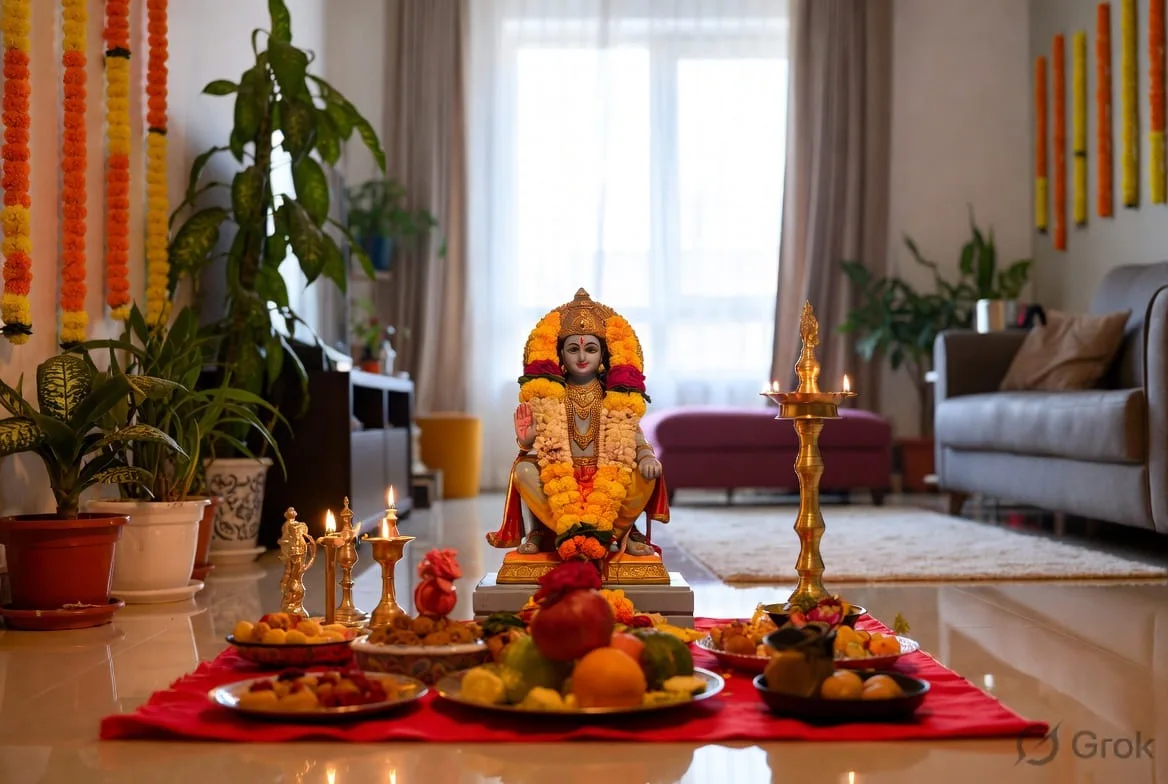
Lohri Festival 2026: Bonfire Rituals & Hindu Significance
Lohri 2026 Celebrations: Bonfire Rituals, Punjabi Traditions, and Significance for Hindus Lohri, one of North India's most vibrant and cherished festivals,…
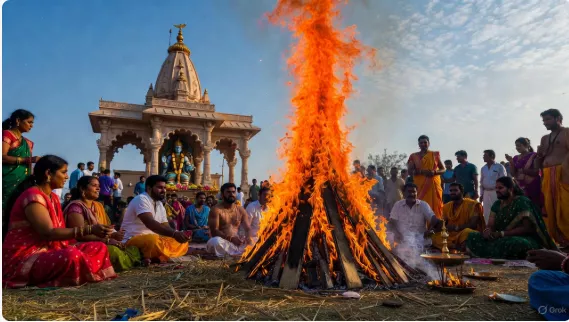
2027 update: In India, Lohri 2027 is on Thursday 14 January and Makar Sankranti on Friday 15 January 2027; dates abroad can differ by a day. See Makar Sankranti 2027 date and Punya Kaal timings.
Lohri 2026 Celebrations: Bonfire Rituals, Punjabi Traditions, and Significance for Hindus
Lohri, one of North India's most vibrant and cherished festivals, will be celebrated with great enthusiasm on January 13, 2026. This ancient harvest festival marks the end of winter solstice and welcomes longer days as the sun begins its northward journey. Filled with blazing bonfires, rhythmic dhol beats, traditional folk songs, and delicious Punjabi delicacies, Lohri represents gratitude, prosperity, and the warmth of community bonds.
When is Lohri 2026?
Date: Monday, January 13, 2026
Celebration Time: Evening after sunset (typically 6:00 PM onwards)
Bonfire Lighting: Around sunset or early evening
Main Regions: Punjab, Haryana, Himachal Pradesh, Delhi NCR, Jammu, and Rajasthan
Lohri always falls on January 13 (occasionally January 14 in leap years) as it's celebrated one day before Makar Sankranti, making it easy to remember and plan for this joyous occasion.
What is Lohri? Understanding the Hindu Harvest Festival
Lohri is a traditional North Indian harvest festival that celebrates the winter crop harvest, particularly of sugarcane, wheat, and mustard. While it has deep roots in Punjabi culture, Lohri holds significant importance in Hindu tradition as it honors:
- Agni Dev (Fire God): The sacred bonfire represents Agni, purifying and bringing warmth
- Surya Dev (Sun God): Gratitude for the sun's life-giving energy and the beginning of longer days
- Goddess Lohri: A folklore goddess associated with winter and the festival's namesake
- Agricultural Prosperity: Thanksgiving for abundant harvest and prayers for future crops
The festival embodies the Hindu philosophy of living in harmony with nature's cycles, expressing gratitude for Earth's bounty, and sharing prosperity with the community.
Historical and Religious Significance of Lohri
Ancient Origins
Lohri's origins trace back to ancient India, with several theories about its etymology:
- Loh + Ri: "Loh" refers to iron griddles used for making rotis, and "ri" means taking away the cold
- Holika's Connection: Some believe it's derived from Holika (of Holi fame), celebrated during winter
- Til + Rorhi: From sesame seeds (til) and jaggery candy (rorhi/gajak), primary offerings during Lohri
- Loi: Wife of Sant Kabir, commemorated through this festival in some traditions
Hindu Scriptural Context
While Lohri isn't explicitly mentioned in major Hindu scriptures, it aligns with the Vedic tradition of celebrating nature's cycles and agricultural milestones. The festival resonates with concepts found in:
- Rig Veda: Hymns praising Agni and Surya
- Atharva Veda: Agricultural prayers and harvest blessings
- Puranic Traditions: Seasonal celebrations and fire worship
Connection to Makar Sankranti
Lohri serves as the eve of Makar Sankranti, creating a two-day harvest celebration. While Lohri focuses on fire worship and community bonding, Makar Sankranti emphasizes solar worship and holy bathing, together forming a complete thanksgiving ritual.
The Legendary Folklore of Dulla Bhatti
No Lohri celebration is complete without remembering Dulla Bhatti, the legendary Punjabi folk hero who has become synonymous with the festival.
Who Was Dulla Bhatti?
Dulla Bhatti (Abdullah Bhatti) was a 16th-century folk hero from Punjab who lived during Emperor Akbar's reign. Born into a Rajput family that revolted against Mughal rule, Dulla Bhatti became a Robin Hood-like figure, robbing the rich to help the poor.
The Heroic Tale
According to popular folklore, Dulla Bhatti's most celebrated act was rescuing Hindu girls who were being forcibly taken from Punjab to be sold in slave markets of the Middle East. He would:
- Rescue these girls from kidnappers and traders
- Arrange their marriages with suitable grooms
- Provide them with dowries as if they were his own daughters
- Protect their honor and dignity
Sundri and Mundri: The Symbolic Story
The most famous legend involves two Hindu girls, Sundri and Mundri, whom Dulla Bhatti rescued and married off with proper ceremonies. The traditional Lohri folk song specifically mentions these girls:
"Sunder mundriye ho!
Tera kaun vichara ho!
Dulla Bhatti walla ho!"
(Beautiful girl! Who will care for you? Dulla Bhatti will!)
Why Dulla Bhatti is Honored on Lohri
Despite being executed by the Mughal Empire for his rebellious activities, Dulla Bhatti became immortalized in Punjabi folklore as a champion of the oppressed. On Lohri, his memory is honored because:
- He represented justice and protection of the vulnerable
- He embodied the spirit of community care and brotherhood
- He stood against exploitation and injustice
- He treated rescued girls with the respect and care of a father
This association adds a deeper dimension to Lohri—beyond agricultural celebration, it honors social justice, protection of dignity, and community solidarity.
Bonfire Rituals: The Heart of Lohri Celebrations
The bonfire (ag) is the central element of Lohri celebrations, representing multiple layers of symbolism and tradition.
Preparing the Lohri Bonfire
Gathering Materials:
- Dried cow dung cakes (upla)
- Wooden logs and branches
- Dry grass and hay
- Sometimes, old or unused items from homes (symbolizing discarding the old)
Timing: The bonfire is lit after sunset, typically between 6:00 PM and 7:00 PM, as families and communities gather in open spaces, courtyards, or community grounds.
Lighting the Sacred Fire
The lighting ceremony follows these steps:
- Assembly: Family members and neighbors gather around the prepared bonfire site
- Prayer: Brief prayers to Agni Dev and Surya Dev
- Lighting: The eldest or most respected member lights the fire
- Initial Offerings: First offerings of sesame seeds and jaggery are made
The Parikrama Ritual
Once the bonfire is blazing, participants perform parikrama (circumambulation) around the fire:
- Direction: Clockwise circles around the bonfire
- Number: Typically 7 or 11 circles
- Posture: Walking with folded hands or hands raised toward the fire
- Intention: Seeking blessings, expressing gratitude, and purifying oneself through fire's energy
Sacred Offerings to the Bonfire
As families circle the fire, they throw specific items into the flames while chanting "Aadar aye dilather jaye" (May honor come and poverty depart) or "Lohri ki jwan, ag balliye" (Life to Lohri, may the fire burn bright):
Traditional Offerings:
- Til (Sesame Seeds): Symbolize prosperity and nourishment; their oil represents abundance
- Gur (Jaggery): Represents sweetness in life and relationships
- Moongphali (Peanuts): Signify the harvest and Earth's bounty
- Popcorn (Popped Corn): Represents abundance multiplying
- Rewri (Sesame Candy): Traditional sweet offering combining til and gur
- Gajak: Another til-jaggery preparation
- Phuliya (Puffed Rice): Symbolizes lightness and expansion
Symbolic Meaning:
- The crackling of these items in the fire is considered auspicious
- The smoke carries prayers to the heavens
- The warmth represents protection from winter's cold and life's hardships
- The light dispels darkness and negativity
Special Rituals for Newlyweds and Newborns
Families celebrating their first Lohri after a marriage or childbirth observe special customs:
For Newlyweds:
- The bride's parents send gifts (including sweets, clothes, and jewelry)
- A grand Lohri celebration with extended family and neighbors
- Bride and groom perform parikrama together while elders shower blessings
- Special offerings made to the fire for conjugal happiness
For Newborns:
- First Lohri of a baby (especially a son in traditional families) is celebrated elaborately
- Maternal grandparents send sweets, dry fruits, and clothes
- Neighbors and relatives visit to bless the child
- Extra offerings made for the child's health and prosperity
- Distribution of sweets and money to all visitors
The Evening Atmosphere
As the bonfire burns bright, the celebration intensifies:
- Dhol and Percussion: Traditional drums create infectious rhythms
- Folk Dancing: Bhangra (men) and Giddha (women) performances
- Singing: Traditional Lohri folk songs
- Warmth and Joy: People stand close to the fire, chatting and celebrating
- Distribution: Prasad (blessed offerings) distributed to all present
- Late Night: Celebrations often continue past midnight in many communities
Traditional Lohri Folk Songs and Music
Music is integral to Lohri celebrations, with specific folk songs passed down through generations.
The Classic Dulla Bhatti Song
The most famous Lohri song honors Dulla Bhatti:
Full Traditional Version:
Sunder mundriye ho!
Tera kaun vichara ho!
Dulla Bhatti walla ho!
Dullhe di dhee vyayae ho!
Ser shakkar payee ho!
Kudi da laal pathaka ho!
Kudi da saalu paatta ho!
Salu kaun samete!
Chacha gali dese!
Chache choori kutti! zamidara lutti!
Zamindaar sudhaye!
Bum Bum bhole aaye!
Ek bhola reh gaya!
Sipahee pakad ke lai gaya!
Sanoo de de Lohri, te teri jeeve jodi!
Meaning: Beautiful girl Sundri, who will care for you? Dulla Bhatti will! Dulla Bhatti married off his daughter (the rescued girl), gave her a maund (measurement) of sugar as part of the dowry, dressed her in a red dress and shawl. Who will collect the shawl's edge? Uncle gave a narrow alley (as property). Uncle broke the bracelet (freed from constraints). The landlord looted, then realized his mistake. The innocent ones came forth. One innocent one remained. A soldier caught and took him away. Give us Lohri treats, and may your couple live long!
Other Popular Lohri Songs
Agricultural Theme: Aadar aave, dilather jaaye
Dhaul baggi mein charh ke aaye
Jinke paas na aaye dhaul baggi
Ve khar khar ke paidal jaaye
Children's Collection Song: Lohri aayi Lohri aayi
Ghara ghara gaye
Thode paaye, thode paaye
Khush hoye laut aaye
Musical Instruments
Traditional Lohri music features:
- Dhol: The primary drum providing rhythm
- Chimta: Metal tongs with cymbals creating jingling sounds
- Tumbi: Single-stringed instrument
- Algoze: Double flute
- Dholak: Hand drum
- Harmonium: For melodic support in some urban celebrations
Modern Musical Trends
Contemporary Lohri celebrations blend tradition with modernity:
- DJ music between traditional songs
- Bollywood Punjabi numbers
- Remix versions of classic folk songs
- Professional performers in large gatherings
- Recording and sharing performances on social media
Traditional Lohri Foods: A Culinary Celebration
Lohri's food traditions reflect Punjab's agricultural richness and winter season specialties.
Iconic Main Dishes
1. Sarson da Saag and Makki di Roti
This quintessential Punjabi combination is the star of Lohri feasts:
Sarson da Saag (Mustard Greens Curry):
- Made from fresh mustard greens (sarson), bathua, and spinach
- Slow-cooked with ginger, garlic, green chilies, and spices
- Finished with butter or ghee tempering
- Represents the winter harvest of leafy greens
Makki di Roti (Cornmeal Flatbread):
- Made from freshly ground corn flour
- Served hot with generous butter on top
- Represents the corn harvest
Traditional Accompaniments:
- White butter (makhan)
- Jaggery (gur)
- Chopped onions and radish
- Buttermilk (lassi) or warm milk
Significance: This combination symbolizes Punjab's agricultural identity and is considered incomplete without the other—just as the festival represents community interdependence.
2. Til Rice (Sesame Rice)
Special rice preparation featuring:
- Basmati rice cooked with ghee
- Roasted sesame seeds mixed throughout
- Sometimes prepared with jaggery for sweetness
- Garnished with nuts and raisins
Traditional Lohri Sweets and Snacks
3. Rewri
Small, round candies made from:
- Sesame seeds (til) and jaggery (gur)
- Sometimes peanuts added
- Crunchy texture
- Represents prosperity and the sweetness of relationships
4. Gajak
Hard candy bars made from:
- Sesame seeds, jaggery, and ghee
- Available in various flavors (plain, peanut, khus khus)
- Specially prepared during winter months
- Must-have for bonfire offerings
5. Moongphali (Peanuts)
- Fresh roasted peanuts from winter harvest
- Eaten warm around the bonfire
- High protein content provides winter nutrition
- Distributed to all celebration participants
6. Phuliya (Puffed Rice)
- Lightly roasted puffed rice
- Mixed with jaggery syrup to create clusters
- Light and crispy texture
- Easy to carry and distribute
7. Popcorn
- Freshly popped corn kernels
- Sometimes mixed with jaggery
- Traditional snack representing corn harvest
- Makes celebratory crackling sound in bonfire
8. Gachak
Hard candy made from:
- Peanuts and jaggery
- Thin, brittle sheets
- Broken into pieces for distribution
- Winter specialty available only during this season
Complete Lohri Dinner Menu
A traditional Lohri feast includes:
Starters:
- Paneer tikka
- Gobhi pakora (cauliflower fritters)
- Onion bhaji
Main Course:
- Sarson da saag with makki di roti
- Dal makhani (black lentils)
- Rajma (kidney bean curry)
- Chole (chickpea curry)
- Jeera rice or til rice
- Mixed vegetable curry
- Raita (yogurt with vegetables)
Breads:
- Makki di roti
- Bajra roti (pearl millet flatbread)
- Regular wheat roti
Desserts:
- Gur wale chawal (jaggery rice pudding)
- Kheer (rice pudding)
- Pinni (wheat flour and jaggery balls)
- Gajar ka halwa (carrot pudding)
Beverages:
- Sweet lassi
- Warm milk with saffron
- Masala chai
Modern Food Trends
Urban celebrations now include:
- Catered Punjabi thalis
- Food trucks with traditional items
- Chocolate-coated gajak and rewri
- Fusion dishes maintaining traditional flavors
- Organic and sugar-free versions of traditional sweets
Regional Variations in Lohri Celebrations
While Punjab is the heartland of Lohri, the festival is celebrated with regional variations across North India.
Punjab: The Authentic Experience
Characteristics:
- Most elaborate and traditional celebrations
- Village-wide community bonfires
- Professional bhangra and giddha troupes
- House-to-house collection by children and youth
- Agricultural focus remains strong
Special Features:
- Tractors decorated with lights
- Mustard fields serve as celebration venues
- Traditional attire (phulkari dupattas, colorful turbans)
- Distribution of sarson da saag to entire neighborhood
Haryana: The Agricultural Heart
Similarities with Punjab:
- Bonfire rituals identical
- Same folk songs and dances
- Agricultural thanksgiving emphasis
Unique Elements:
- Stronger focus on cattle worship alongside bonfire
- Traditional Haryanvi folk songs included
- Slightly different food preparations
Delhi NCR: Urban Adaptations
Modern Elements:
- Society and colony-level celebrations
- Professional event management
- Restaurant bookings for Lohri dinners
- Rooftop bonfire parties
Traditional Maintenance:
- Still light bonfires in open spaces
- Traditional foods served
- Folk songs and dances performed
- Children's collection traditions continue
Himachal Pradesh: Mountain Celebrations
Regional Variations:
- Celebrated as Magha Saaji in some areas
- Focus on winter solstice significance
- Larger bonfires due to colder climate
- Local folk dances and music
Jammu: The Northern Extension
Unique Aspects:
- Dogri folk songs included
- Strong Hindu religious overtones
- Temple visits before bonfire
- Distribution of khichdi along with traditional items
Rajasthan: The Western Influence
Distinctive Features:
- Called Til-gud Festival in some areas
- Combined with kite flying preparations
- Rajasthani folk music integrated
- Special sesame-jaggery preparations
Hindu Cultural and Spiritual Significance
While often perceived as a cultural festival, Lohri carries deep Hindu spiritual significance:
Worship of Fire (Agni)
The bonfire represents Agni Dev, one of the most important Vedic deities:
- Fire purifies and transforms
- Agni serves as messenger between humans and gods
- Offerings through fire reach the divine realm
- Fire's warmth symbolizes divine protection
Honoring the Sun (Surya)
Lohri marks the transition to Uttarayan (sun's northward journey):
- Gratitude for the sun's life-giving energy
- Recognition of solar influence on agriculture
- Acknowledgment of cosmic cycles
- Preparation for Makar Sankranti the next day
Seasonal Transition Celebration
From a Hindu cosmological perspective:
- Marks victory of light over darkness
- Represents life's renewal after winter's dormancy
- Symbolizes hope and new beginnings
- Aligns with natural dharma (cosmic order)
Principle of Dana (Charity)
Lohri emphasizes the Hindu concept of dana (giving):
- Sharing harvest with less fortunate
- Distributing food and sweets to neighbors
- Giving to children and the community
- Recognition that prosperity is meant to be shared
Community Dharma
The festival reinforces samaj dharma (social duty):
- Coming together as community
- Strengthening social bonds
- Caring for newlyweds and newborns
- Supporting each other through winter
Modern Lohri Celebrations: Tradition Meets Contemporary
Urban Celebrations
Apartment Complexes and Societies:
- Community bonfires in shared spaces
- Organized cultural programs
- Potluck dinners featuring traditional foods
- Competitions for traditional dress and dance
Corporate Celebrations:
- Office Lohri parties
- Traditional food catering
- Cultural performances by employees
- Team-building through folk activities
Social Media Era Lohri
Digital Celebrations:
- Virtual Lohri parties during pandemic times
- Live streaming of bonfire ceremonies
- Social media challenges (traditional dress, folk songs)
- Digital greeting cards and wishes
- Recipe sharing and food photography
Hashtag Trends: #Lohri2026 #HappyLohri #LohriCelebrations #PunjabiCulture #HarvestFestival
Eco-Friendly Lohri Movement
Growing environmental consciousness has led to:
- Smaller, controlled bonfires
- Use of dry waste instead of wood
- Avoiding plastic in decorations
- Biodegradable offering materials
- Community bonfires instead of multiple small ones
Commercial Aspects
Market Trends:
- Special Lohri gift hampers (gajak, rewri, dry fruits)
- Traditional Punjabi attire sales
- Restaurant bookings surge
- Event management services
- Online shopping for Lohri supplies
Lohri Celebration Guide: Step-by-Step
One Week Before (January 6, 2026)
Shopping List:
- Sesame seeds (1-2 kg)
- Jaggery (1-2 kg)
- Peanuts (1 kg)
- Gajak and rewri (1 kg)
- Popcorn kernels (500g)
- Puffed rice (500g)
- Ingredients for sarson da saag and makki di roti
- New clothes (optional)
- Decorations and lights
Preparations:
- Invite family and friends
- Book community space if needed
- Arrange wood and cow dung cakes for bonfire
- Plan menu if hosting dinner
Day Before (January 12, 2026)
Food Preparation:
- Shop for fresh vegetables
- Prepare saag if serving the next day (tastes better when reheated)
- Make gur wale chawal or other sweets
- Prepare dough for makki di roti
Setup:
- Arrange bonfire materials in designated area
- Set up seating around bonfire space
- Test music system if using
- Prepare offering plates with til, gur, nuts, etc.
Lohri Day (January 13, 2026)
Morning:
- Clean and decorate home
- Prepare offering materials
- Cook traditional foods
- Get ready in traditional attire (optional but festive)
Afternoon:
- Finish food preparations
- Set up bonfire structure
- Arrange prasad distribution materials
- Brief children about traditions
Evening (Sunset onwards):
- Light bonfire after sunset
- Gather family and community
- Perform parikrama with offerings
- Sing folk songs and dance
- Distribute prasad
- Enjoy dinner together
- Continue celebrations into night
Special Rituals for First Lohri Celebrations
For Newlyweds
Ritual Sequence:
- Bride's parents send Lohri gifts (clothes, jewelry, sweets, dry fruits)
- Grand celebration with both families
- Bride and groom dressed in traditional red/maroon attire
- Couple performs parikrama together
- Elders shower blessings and gift money
- Distribution of extra sweets to entire community
- Special dinner for extended family
Traditional Gifts:
- Phulkari dupatta for bride
- Shawl for groom
- Gold or silver jewelry
- Dry fruits basket
- Special sweets in decorated boxes
For Newborn's First Lohri
Celebration Elements:
- Maternal grandparents send lavish gifts
- Baby dressed in new traditional clothes
- Baby held during parikrama by grandmother
- Extra offerings made for child's prosperity
- Distribution of sweets to all neighbors
- Large community feast
Traditional Gifts for Baby:
- Gold or silver jewelry
- New clothes set
- Dry fruits and sweets boxes
- Traditional toys
- Money gift for baby
Community Participation:
- Neighbors bring gifts and blessings
- Children sing special songs for the baby
- Distribution of specific amounts (often multiples of 11 rupees)
Lohri in Different Life Stages
Children's Lohri
"Lohri Collection" Tradition: Days before Lohri, children go door-to-door singing: "Lohri aayi, Lohri aayi, Ghara ghara gaye..."
Households give:
- Money (coins or small notes)
- Gajak, rewri, and peanuts
- Candies and sweets
This tradition teaches:
- Community bonding
- Sharing and gratitude
- Cultural songs and customs
- Social interaction
Youth Lohri
Group Celebrations:
- Friends gather for community bonfires
- Bhangra and giddha competitions
- Traditional dress competitions
- Photography and social media moments
- Late-night bonfire parties
Family Lohri
Multigenerational Celebration:
- Entire family gathers
- Elders narrate Dulla Bhatti stories
- Traditional recipes passed down
- Children learn folk songs
- Family bonding time
Senior Citizens' Lohri
Traditional Essence:
- Focus on spiritual aspects
- Reminiscing past celebrations
- Teaching younger generations
- Simpler, meaningful rituals
- Temple visits alongside bonfire
Health and Safety Tips for Lohri Celebrations
Bonfire Safety
Fire Safety Measures:
- Keep bonfire at safe distance from buildings and trees
- Have water buckets or fire extinguishers nearby
- Supervise children around fire at all times
- Clear flammable materials from bonfire area
- Ensure proper ventilation in enclosed spaces
- Completely extinguish fire before leaving
Personal Safety:
- Wear cotton clothes (avoid synthetic fabrics)
- Don't wear loose dupattas or scarves near fire
- Maintain safe distance while making offerings
- Be cautious with long hair (tie it back)
Health Considerations
Dietary Balance:
- Traditional foods are rich and calorie-dense
- Balance indulgence with moderation
- Stay hydrated
- Consider healthier cooking methods
For Special Conditions:
- Diabetics: Sugar-free versions of sweets available
- Heart patients: Limit ghee and fried foods
- Allergies: Be aware of nut content in traditional items
Crowd Safety
Large Gatherings:
- Maintain organized entry/exit points
- Keep first aid kit available
- Designate adults to supervise children
- Have emergency contact numbers ready
Environmental Consciousness in Modern Lohri
Sustainable Celebration Ideas
Eco-Friendly Bonfire:
- Use fallen branches instead of cutting trees
- Burn dry leaves and agricultural waste
- Keep bonfire size moderate
- Ensure complete combustion to minimize smoke
Green Offerings:
- Use unpackaged til, gur, and nuts
- Avoid plastic wrappings
- Choose biodegradable offering containers
- Minimal packaging in gift items
Waste Management:
- Provide separate bins for compostable and recyclable waste
- Collect leftover food for composting
- Use reusable plates and utensils
- Clean up celebration area thoroughly
Community Initiatives:
- Organize single large community bonfire instead of multiple small ones
- Plant trees as part of celebration
- Educational programs about environmental protection
- Support local, organic farmers for celebration supplies
Lohri Wishes and Greetings
Traditional Blessings
In Punjabi:
- "Lohri di lakh lakh vadhaiyan!"
- "Saal Mubarak! Har pal sukh shanti de barsaat hove!"
- "Lohri diyan Mubarkan!"
In Hindi:
- "Lohri ki dher saari shubhkamnayein!"
- "Aapke jivan mein Lohri ki aag ki tarah prakash ho!"
- "Lohri ka tyohar aapke jivan mein khushiyan aur samriddhi laye!"
In English:
- "Wishing you a joyous Lohri filled with prosperity and happiness!"
- "May the Lohri fire burn away all sorrows and bring new hope!"
- "Happy Lohri! May your life be as sweet as gur and rewri!"
WhatsApp and Social Media Messages
Short Messages:
- "May this Lohri bring warmth to your hearts and homes! Happy Lohri 2026!"
- "Til, gud, moongphali te phuliya... Lohri di lakh lakh vadhaiyan!"
- "Let's celebrate the harvest of happiness! Happy Lohri!"
Elaborate Wishes:
- "As the bonfire lights up the sky, may your life be filled with brightness, success, and prosperity. Wishing you and your family a blessed Lohri 2026!"
🌸 For More Devotional Journey, Follow
- Temples
/temples/ - Tirumala Updates
/tirumala/ - Sabarimala Yatra
/category/sabarimala-yatra/ - Pooja, Slokas & Mantras
/pooja-slokas-and-mantras/ - Hindu Gods
/hindu-gods/
Frequently Asked Questions About Lohri
Q1: Why is Lohri celebrated on January 13? Lohri falls on January 13 as it marks the last day of winter solstice before the sun begins its northward journey (Uttarayan) starting with Makar Sankranti on January 14.
Q2: Is Lohri only celebrated by Sikhs or also by Hindus? Lohri is celebrated by both Punjabi Hindus and Sikhs, along with people from Haryana, Himachal Pradesh, Delhi, and other North Indian regions. It's primarily a cultural and agricultural festival with Hindu religious significance.
Q3: What should I wear for Lohri celebrations? Traditional Punjabi attire is popular: women wear salwar kameez with phulkari dupattas, while men wear kurta pajama with turbans or Nehru jackets. However, any comfortable ethnic wear is appropriate.
Q4: Can we celebrate Lohri without a bonfire? While the bonfire is central to Lohri, in situations where it's not possible (apartments without space, fire restrictions), you can light a large diya, participate in community bonfires, or focus on the cultural and culinary aspects.
Q5: What is the significance of throwing popcorn and peanuts in the fire? These offerings represent the harvest and symbolize prosperity. The crackling sound they make is considered auspicious, and the act represents sharing Earth's bounty with Agni Dev.
Q6: How is Lohri different from Makar Sankranti? Lohri is celebrated on January 13 with bonfire rituals, folk music, and Punjabi traditions, focusing on fire worship. Makar Sankranti on January 14 emphasizes solar worship, holy bathing, and is celebrated pan-India with regional variations.
Q7: Why is first Lohri after marriage or childbirth special? These celebrations mark important life transitions. The first Lohri represents the beginning of new phases—married life or parenthood—and the community comes together to bless and support the family.
Q8: What foods should I prepare for Lohri? Essential items include sarson da saag with makki di roti, til rice, gajak, rewri, peanuts, popcorn, and traditional sweets. A complete Punjabi meal with dal makhani and raita complements the celebration.
Q9: Is Dulla Bhatti a real historical figure? Yes, Dulla Bhatti was a real folk hero from 16th-century Punjab. While historical records are limited, folklore has elevated him to legendary status for his acts of protecting the vulnerable.
Q10: How can we make Lohri eco-friendly? Use minimal wood, choose local organic ingredients, avoid plastic decorations and packaging, organize community bonfires to reduce numbers, and ensure complete cleanup after celebrations.
Conclusion: Celebrating Lohri 2026 with Joy and Tradition
Lohri 2026 on January 13 offers an opportunity to connect with North India's rich agricultural heritage, celebrate community bonds, and honor timeless traditions. Whether you're lighting a bonfire in your village courtyard, organizing a society celebration in the city, or gathering with family for sarson da saag and makki di roti, Lohri embodies the warmth of togetherness and gratitude.
As you prepare for the celebration:
- Remember the heroic tale of Dulla Bhatti and the values of justice and compassion he represents
- Embrace the sacred rituals of bonfire worship connecting you to Agni and Surya
- Enjoy traditional foods that represent Punjab's agricultural abundance
- Sing folk songs that have echoed through generations
- Share the festival's joy with your entire community
- Balance tradition with environmental consciousness
May the Lohri bonfire illuminate your life with prosperity, the folk songs fill your heart with joy, and the traditional foods nourish both body and soul. May the spirit of community that Lohri represents strengthen bonds with family, friends, and neighbors.
May this Lohri bring abundant harvests, glowing warmth, and everlasting happiness to your home!
For more information about Hindu festivals, Punjabi traditions, and seasonal celebrations, visit www.hindutone.com - your comprehensive guide to North Indian cultural heritage.
Quick Reference Checklist for Lohri 2026
✓ Date: January 13, 2026
✓ Bonfire materials collected
✓ Offerings ready: til, gur, peanuts, popcorn
✓ Traditional foods prepared
✓ Folk songs learned
✓ Community invited
✓ Safety measures in place
✓ Traditional attire ready
✓ Gifts for first Lohri celebrations
✓ Camera ready for memories
Happy Lohri 2026! Lohri di lakh lakh vadhaiyan! [image: 🔥] [image: 🎉]
Share this with family and friends
Send it on WhatsApp, post it, or copy the link.
More from Festivals
- Vasant Panchami 2027 (Saraswati Puja, Basant Panchami, Sri Panchami): Date, Panchami Tithi, Puja Muhurat by City, Vidhi and Story
- Holi 2027: Date, Holika Dahan Muhurat City-Wise, Bhadra Timings, Puja Vidhi and Holi Abroad
- Makar Sankranti 2027: Date, Punya Kaal Timings City-Wise, Bhogi, Pongal, Kanuma, Lohri and Uttarayan
- Dev Deepawali 2026 Varanasi: Date, Purnima Time, Ganga Aarti, Story, Puja Vidhi and Deep Daan
- Kartik Purnima 2026: Date, Purnima Time, Snan, Deep Daan, Puja Vidhi and Significance
You might also like
Lohri 2026 Celebrations in USA: City-Wise Guide for NRIs

Lohri 2026 in Canada: City-Wise Celebration Guide for NRIs and Punjabi Diaspora Communities
Narasimha Jayanti 2026 in the USA: Date, Significance, Story, Rituals & Powerful Mantras for Hindu Devotees