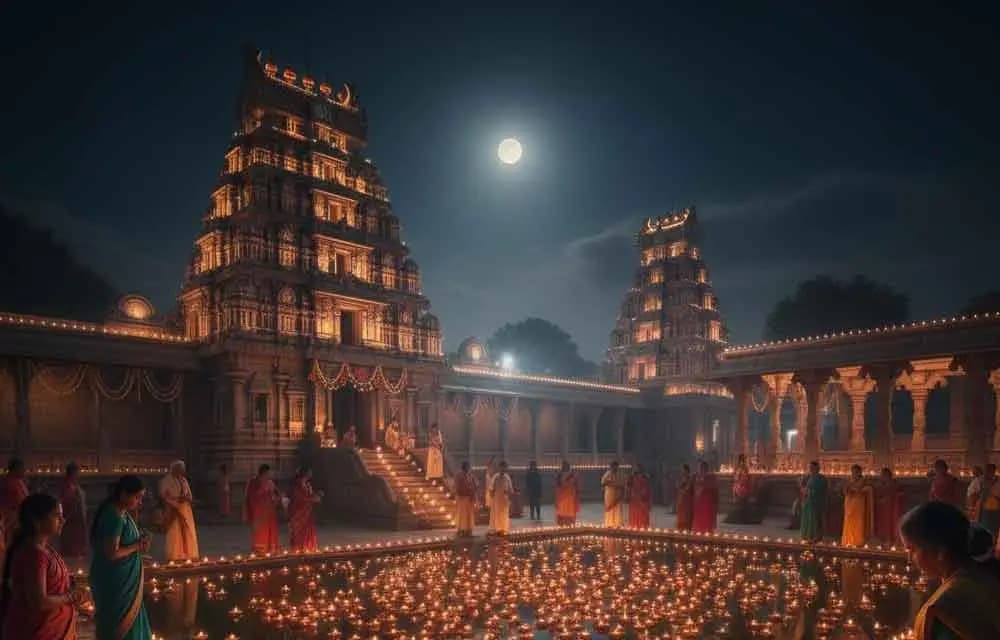
January 2026 Hindu Festivals in USA, UK, Canada & Australia
Complete List of Hindu Festivals in January 2026: Dates, Rituals, and Significance for NRIs in USA, Canada, UK, and Australia January 2026 offers a spiritually…

Complete List of Hindu Festivals in January 2026: Dates, Rituals, and Significance for NRIs in USA, Canada, UK, and Australia January 2026 offers a spiritually…
Complete List of Hindu Festivals in January 2026: Dates, Rituals, and Significance for NRIs in USA, Canada, UK, and Australia January 2026 offers a spiritually enriching start to the year for Hindu communities worldwide, including Non-Resident Indians (NRIs) in the USA, Canada, UK, and Australia. This period aligns with the transition from Paush to Magh month, ideal for devotion, fasting, charity, and family gatherings. While festivals remain rooted in ancient traditions, NRIs often adapt celebrations to local schedules—hosting temple events, virtual pujas, community gatherings at Hindu centers, or home-based rituals with prasad shared online.
Overview: Celebrating January Festivals as an NRI Away from India, January's sacred energy inspires connection through local mandirs (e.g., in cities like New York, Toronto, London, or Sydney), online live streams from Indian temples, and community potlucks. Focus on simple home pujas, yellow-themed decorations for spring vibes, and donations to local charities. Timings vary by location—consult apps or sites like www.hindutone.com for city-specific panchang adjustments.
Week 1: January 1-7, 2026
- Paush Purnima (January 3, 2026) Tithi: Purnima (Full Moon) in Paush month Significance: The first full moon of 2026 marks spiritual renewal, charity, and the start of Magh bathing traditions. Ideal for holy intentions and family blessings.
Rituals and Observances:
- Perform Satyanarayan puja at home or virtually.
- Offer prayers to Lord Vishnu/Shiva; donate sesame, jaggery, or warm items.
- Fast until moonrise; recite Vishnu Sahasranama.
NRI Tips: Join online pujas from Indian temples or light a ghee lamp near a Tulsi plant indoors (perfect for winter climates).
- Sankashti Chaturthi (January 6, 2026) Tithi: Krishna Paksha Chaturthi Significance: Dedicated to Lord Ganesha for obstacle removal and prosperity—extra powerful as Angarki Chaturthi (on Tuesday).
Rituals and Observances:
- Fast until moonrise.
- Evening Ganesha puja with durva grass, modak, and red flowers.
- Chant Ganapati mantras; break fast after moon sighting.
NRI Tips: Check local moonrise (e.g., evening in USA/UK); prepare modak with available ingredients or store-bought sweets.
Week 2: January 8-14, 2026 3. Lohri (January 13, 2026) Region: Popular among Punjabi NRIs Significance: Harvest bonfire festival thanking for abundance; marks longer days.
Rituals and Celebrations:
- Gather around a (safe, permitted) bonfire or indoor fire pit.
- Offer rewri, gajak, peanuts; sing folk songs and dance bhangra.
NRI Tips: Many community centers host Lohri events; enjoy sarson da saag/makki di roti takeout.
- Makar Sankranti / Uttarayan / Pongal (January 14, 2026) Significance: Sun enters Capricorn—pan-Indian harvest festival for prosperity and Uttarayan blessings.
Rituals and Observances:
- Offer sesame-jaggery treats; donate warmly.
- Fly kites (weather permitting) or symbolically.
Regional NRI Variations:
- Gujarat/Uttarayan communities: Kite-flying picnics.
- Tamil Pongal: Cook sweet pongal at home; four-day celebration (Bhogi Jan 13–Kaanum Jan 16).
- Punjabi: Follows Lohri.
NRI Tips: Community kite events in parks; share "til-gul" virtually.
Week 3: January 15-21, 2026 5. Sakat Chauth (January 6, 2026—combined with Sankashti) Observed in North Indian families for children's well-being.
- Mauni Amavasya (January 18, 2026) Significance: Most sacred new moon for silence, purification, and ancestor prayers.
Rituals and Observances:
- Observe maun (silence); meditate.
- Perform tarpan; donate food/clothes.
NRI Tips: Quiet home meditation; donate to local food banks.
Week 4: January 22-31, 2026 7. Vasant Panchami (January 23, 2026) Significance: Welcomes spring; honors Goddess Saraswati for knowledge and arts.
Rituals and Observances:
- Wear yellow; Saraswati puja with books/instruments.
- Initiate learning (great for kids starting activities).
NRI Tips: Ideal for school blessings; place study materials near idol.
- Jaya Ekadashi (January 29, 2026) Significance: Victory over sins; dedicated to Lord Vishnu.
Rituals and Observances:
- Fast (fruits/milk); Vishnu puja with Tulsi.
- Night vigil or stories.
NRI Tips: Phalahari meals easy with supermarket fruits/nuts.
Additional Observances
- Pradosh Vrat and monthly rituals as per local panchang.
- Magh month charity: Donate sesame, blankets, or to Hindu organizations.
General Tips for NRIs in USA, Canada, UK, Australia
- Use apps/websites for location-specific timings (moonrise varies).
- Join local temples or online groups for group celebrations.
- Adapt foods: Use available sesame, jaggery substitutes; focus on devotion over extravagance.
- Charity: Support global causes or local shelters in festival spirit.
Conclusion: Connecting to Roots Abroad January 2026's festivals provide NRIs a beautiful opportunity to nurture faith, family bonds, and cultural heritage despite distance. Home pujas, community events, and virtual connections keep traditions alive. Embrace these days for renewal, gratitude, and divine blessings.
For precise local timings, muhurats, and more guides tailored for diaspora communities, visit www.hindutone.com—your trusted resource for Hindu traditions worldwide.
May these sacred occasions bring peace, prosperity, and joy to you and your family!
🌸 For More Devotional Journey, Follow
- Temples
/temples/ - Tirumala Updates
/tirumala/ - Sabarimala Yatra
/category/sabarimala-yatra/ - Pooja, Slokas & Mantras
/pooja-slokas-and-mantras/ - Hindu Gods
/hindu-gods/
Frequently Asked Questions
When is January Hindu Festivals in USA, UK, Canada & 2026?
January Hindu Festivals in USA, UK, Canada & 2026 falls on January 3, 2026.
What is the significance of January Hindu Festivals in USA, UK, Canada &?
Complete List of Hindu Festivals in January 2026: Dates, Rituals, and Significance for NRIs in USA, Canada, UK, and Australia January 2026 offers a spiritually enriching start to the year for Hindu communities worldwide, including Non-Resident Indians (NRIs) in the USA, Canada, UK, and Australia. This period aligns with the transition from Paush to Magh mont
How is January Hindu Festivals in USA, UK, Canada & celebrated?
Devotees observe it with puja, fasting or special offerings, visiting temples, chanting mantras, and gathering with family. Customs vary by region and tradition.
What should devotees do on January Hindu Festivals in USA, UK, Canada &?
Take a sacred bath, perform the day's puja and charity (dana), observe any prescribed fast, and chant mantras with sincere devotion.
You might also like

Pongal 2026 in Atlanta, Georgia: Southern Devotion and Harvest Festival Vibes
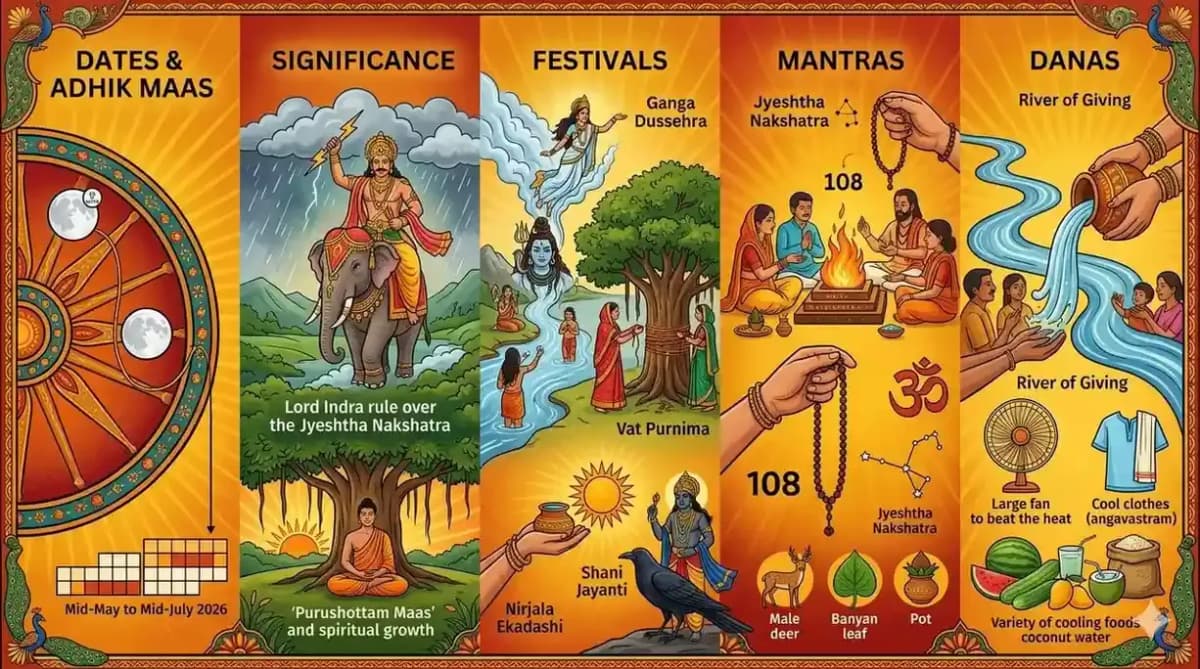
June 2026 Hindu Festival Calendar — Complete Dates, Vrat & Puja Guide for NRIs
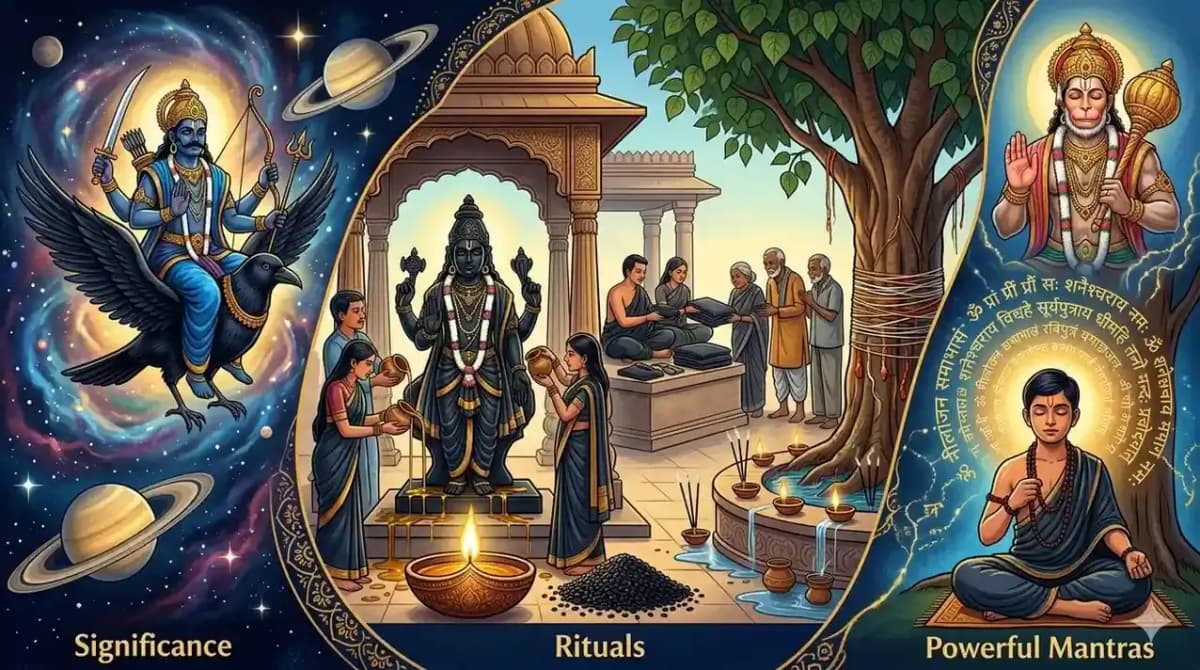
Shani Deva Temples Worldwide & Must-Performed Rituals — Complete Devotee's Guide