

Complete List of Hindu Festivals in January 2026: Dates, Rituals, and Significance
Complete List of Hindu Festivals in January 2026: Dates, Rituals, and Significance January 2026 marks an auspicious beginning to the Hindu calendar year,…
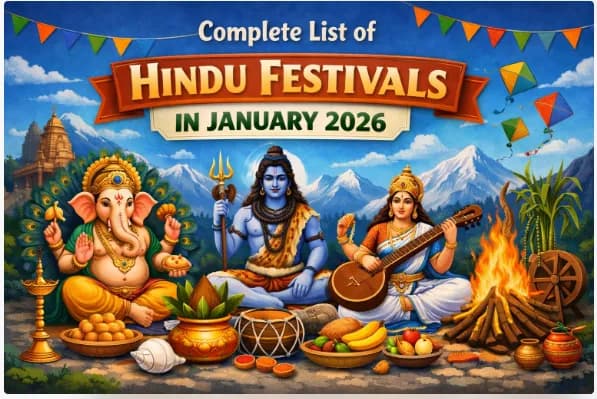
Complete List of Hindu Festivals in January 2026: Dates, Rituals, and Significance January 2026 marks an auspicious beginning to the Hindu calendar year,…
Complete List of Hindu Festivals in January 2026: Dates, Rituals, and Significance
January 2026 marks an auspicious beginning to the Hindu calendar year, filled with sacred festivals that celebrate the harvest season, spiritual renewal, and divine blessings. This comprehensive guide covers all major Hindu festivals in January 2026, including their exact dates, rituals, regional variations, and spiritual significance.
Overview: Why January is Sacred in Hindu Calendar
January corresponds with the Hindu month of Paush (concluding around mid-January) and the beginning of Magh, a period considered highly auspicious for spiritual practices, charity, and holy bathing. The winter harvest season brings communities together in celebration, gratitude, and devotion.
Week 1: January 1-7, 2026
1. Paush Purnima (January 4, 2026)
Tithi: Purnima (Full Moon) in Paush month
Timing: Full moon throughout the day
Significance: Paush Purnima marks the last full moon of the year and is considered highly auspicious for taking holy dips in sacred rivers, especially the Ganges, Yamuna, and their confluence at Prayagraj. This day initiates the sacred bathing period that extends through Magh month.
Rituals and Observances:
- Take a holy bath in sacred rivers before sunrise
- Perform charity (daan) of warm clothes, blankets, and food
- Observe fast and break it after moonrise
- Worship Lord Vishnu and Lord Shiva
- Donate sesame seeds, jaggery, and khichdi to the needy
- Perform Satyanarayan puja at home
Regional Variations:
- North India: Special bathing rituals at Triveni Sangam, Varanasi, and Haridwar
- Odisha: Celebrated as Dhanur Sankranti with special pujas
- Maharashtra: Known as Shakambhari Purnima, dedicated to Goddess Shakambhari
Puja Tips: Light a ghee lamp near Tulsi plant, offer white flowers to deities, and recite Vishnu Sahasranama for spiritual merit.
2. Sankashti Chaturthi (January 6, 2026)
Tithi: Krishna Paksha Chaturthi in Paush month
Timing: Chaturthi from evening of January 5 to evening of January 6
Significance: Sankashti Chaturthi, dedicated to Lord Ganesha, occurs on the fourth day after every full moon. This powerful vrat (fast) is observed to remove obstacles, fulfill desires, and receive Ganesha's blessings for prosperity and success.
Rituals and Observances:
- Observe strict fast from sunrise to moonrise
- Perform Ganesha puja in the evening with red flowers
- Offer modak, durva grass, and red sandalwood paste
- Chant "Om Gam Ganapataye Namaha" 108 times
- Break fast only after sighting and offering prayers to the moon
- Recite Ganesha Atharvashirsha
Moonrise Time: Approximately 7:45 PM (varies by location)
Puja Tips: Use red cloth for puja, offer 21 durva blades with roots, prepare modak or laddoo as prasad, and light a ghee lamp throughout the evening puja.
Week 2: January 8-14, 2026
3. Lohri (January 13, 2026)
Region: Punjab, Haryana, Delhi, Himachal Pradesh, and Jammu
Type: Harvest and Bonfire Festival
Significance: Lohri celebrates the winter harvest, particularly of sugarcane and wheat, and marks the end of winter solstice. The festival honors the sun god (Surya) and fire god (Agni) as communities gather around bonfires to express gratitude for agricultural abundance.
Rituals and Celebrations:
- Light massive bonfires after sunset
- Throw popcorn, puffed rice, rewri, gajak, and sesame seeds into the fire as offerings
- Sing traditional folk songs like "Sunder Mundriye"
- Perform parikrama (circumambulation) around the bonfire
- Distribute prasad of til, gur, peanuts, and popcorn
- First Lohri after marriage or childbirth celebrated with special enthusiasm
Traditional Foods: Sarson da saag with makki di roti, til rice, gajak, rewri, peanuts, popcorn, and radish
Cultural Significance: Marks the beginning of longer days and celebrates the warmth of community bonds during cold winter nights.
4. Makar Sankranti (January 14, 2026)
Tithi: Sun's transit into Makara (Capricorn) rashi
Timing: Sankranti moment at approximately 2:38 AM
Significance: Makar Sankranti is one of the most important pan-Indian festivals marking the sun's northward journey (Uttarayan), the end of winter solstice, and the beginning of harvest season. It's the only Hindu festival based on the solar calendar, making it fall on the same date almost every year.
Rituals and Observances:
- Take holy bath in sacred rivers before sunrise
- Offer Arghya (water offering) to Surya Dev
- Donate sesame seeds, jaggery, warm clothes, and blankets
- Fly colorful kites (especially in Gujarat and Rajasthan)
- Prepare tilgul, til laddoo, and khichdi
- Worship ancestors and perform tarpan
- Visit temples, especially Surya temples
Regional Variations:
Gujarat: Uttarayan - International Kite Festival, til-gul exchange with "Til gul ghya, god god bola" (accept this sweet and speak sweetly)
Tamil Nadu: Pongal begins - four-day harvest festival with Bhogi Pongal on January 13
Assam: Magh Bihu or Bhogali Bihu - community feasts and mejis (bamboo structures)
Punjab: Maghi - holy bathing at Muktsar
Karnataka & Andhra Pradesh: Makara Sankramana - worship cows and bullocks
Uttar Pradesh: Khichdi Parv - donation of khichdi
West Bengal: Poush Sankranti - Pithe Puli festival with special rice cakes
Puja Tips: Use black sesame seeds and jaggery for offerings, wear new clothes preferably in yellow or orange, and donate generously for maximum spiritual merit.
5. Pongal Festival (January 14-17, 2026)
Region: Tamil Nadu, parts of Kerala, Karnataka, Andhra Pradesh
Type: Four-day harvest festival
Day 1 - Bhogi Pongal (January 13): Discard old belongings, clean homes, light bonfires with old items, and prepare for new beginnings.
Day 2 - Thai Pongal (January 14): Main day dedicated to Surya Dev. Cook sweet Pongal (rice with jaggery and milk) in new clay pots outdoors. When the milk boils over, families shout "Pongalo Pongal!" signifying abundance. Decorate homes with kolam (rangoli) and sugarcane stalks.
Day 3 - Mattu Pongal (January 15): Worship cattle (cows and bulls) for their role in agriculture. Decorate them with garlands, paint their horns, and offer special food. Jallikattu events held in some regions.
Day 4 - Kaanum Pongal (January 16): Family reunion day. Visit relatives, enjoy outdoor activities, and offer prayers for siblings' prosperity.
Traditional Foods: Sweet Pongal (chakkarai pongal), ven pongal (savory), vadai, payasam, and sugarcane juice
Week 3: January 15-21, 2026
6. Sakat Chauth (January 18, 2026)
Tithi: Krishna Paksha Chaturthi in Magh month
Region: North India, especially Uttar Pradesh, Bihar, Rajasthan
Significance: Sakat Chauth, also known as Tilkuta Chauth or Vakratunda Sankashti Chaturthi, is observed primarily by mothers for the well-being, health, and longevity of their children, especially sons.
Rituals:
- Mothers observe strict fast from sunrise to moonrise
- Worship Lord Ganesha with special offerings
- Prepare and offer tilkuta (sesame and jaggery sweets)
- Break fast after sighting the moon
- Narrate Sakat Chauth katha (legend)
Puja Tips: Use earthen lamps, offer fresh fruits and tilkuta as prasad, and maintain cleanliness throughout the fast.
7. Mauni Amavasya (January 20, 2026)
Tithi: Amavasya (New Moon) in Magh month
Timing: Throughout January 20
Significance: Mauni Amavasya is the most sacred Amavasya of the year, falling during Magh month. It's the most auspicious day for holy bathing during the Kumbh Mela and Magh Mela at Prayagraj. "Mauni" means silence, and devotees observe complete silence (maun vrat) throughout the day for spiritual purification.
Rituals and Observances:
- Take holy dip at Triveni Sangam (confluence of Ganga, Yamuna, and mythical Saraswati) or other sacred rivers before sunrise
- Observe complete silence throughout the day
- Perform tarpan for ancestors (pitru tarpan)
- Donate food, clothes, and money to Brahmins and the needy
- Light lamps near water bodies in the evening
- Avoid eating grains; many devotees fast completely
- Perform meditation and self-reflection
Regional Importance: During Maha Kumbh Mela years (like 2025), millions of pilgrims gather at Prayagraj for the royal bath (Shahi Snan) on this day. Even in non-Kumbh years, this remains the most important bathing day of Magh Mela.
Puja Tips: Prepare for the vrat a day in advance, wake up before dawn for bathing rituals, maintain inner silence even if verbal silence isn't possible, and focus on spiritual contemplation.
Week 4: January 22-31, 2026
8. Vasant Panchami (January 23, 2026)
Tithi: Shukla Paksha Panchami in Magh month
Timing: Panchami from morning to next morning
Significance: Vasant Panchami heralds the arrival of spring (Vasant Ritu) and is dedicated to Goddess Saraswati, the deity of knowledge, wisdom, music, and arts. This day is considered highly auspicious for beginning education, learning new skills, and initiating children into formal education (Vidyarambham).
Rituals and Observances:
- Wear yellow or white clothes (yellow symbolizes vibrancy of spring)
- Worship Goddess Saraswati with white flowers, preferably jasmine
- Place books, musical instruments, and study materials near the deity
- Perform Saraswati puja in schools, colleges, and homes
- Initiate young children into learning (Akshar Abhyas/Vidyarambham ceremony)
- Fly kites in some regions
- Offer yellow sweet rice (basant pulao) and boondi as prasad
- Visit temples dedicated to Saraswati
Special Rituals:
- Students place their books near Saraswati idol for blessings
- Artists offer their instruments for worship
- Many people start learning new subjects or skills on this day
Regional Variations:
Bengal: Grand Saraswati Puja with elaborate decorations, cultural programs, and traditional Bengali cuisine
Punjab: Associated with kite flying festivals
Bihar & Eastern India: Children are taught their first letters (Khadi-Chandan ceremony)
Maharashtra: Known as Shree Panchami or Saraswati Panchami
Traditional Foods: Sweet yellow rice (kesari bhaat), boondi, kesar halwa, mango dishes, and yellow sweets
Puja Tips: Decorate puja area with yellow flowers and cloth, offer white flowers to Goddess Saraswati, light a ghee lamp, recite Saraswati Vandana, and avoid studying or playing instruments after sunset on this day.
9. Jaya Ekadashi (January 29, 2026)
Tithi: Shukla Paksha Ekadashi in Magh month
Timing: Ekadashi from morning of January 29 to morning of January 30
Parana (breaking fast) time: After sunrise on January 30
Significance: Jaya Ekadashi is the first Ekadashi of the Hindu calendar year and is considered highly meritorious. "Jaya" means victory, and observing this fast is believed to grant victory over sins, obstacles, and negative karmas. It's dedicated to Lord Vishnu and is believed to wash away sins accumulated over many lifetimes.
Rituals and Observances:
- Wake up during Brahma Muhurta (before sunrise)
- Take bath and wear clean clothes
- Observe complete or partial fast (no grains, rice, or legumes)
- Worship Lord Vishnu with Tulsi leaves
- Chant Vishnu Sahasranama or "Om Namo Bhagavate Vasudevaya"
- Stay awake at night (jaagran) or sleep minimally
- Read or listen to Ekadashi vrat katha
- Visit Vishnu temples
- Avoid eating onion, garlic, and certain vegetables (like brinjal)
Fasting Rules:
- Complete Fast (Nirjala): No food or water
- Partial Fast (Phalahari): Only fruits, milk, nuts, and water
- For those who cannot fast: Eat only once in the day with Ekadashi-approved foods
Foods Allowed: Fruits, milk, nuts, sabudana (sago), sendha namak (rock salt), potatoes, peanuts, and samak rice
Parana Guidelines: Breaking the fast on Dwadashi (January 30) after sunrise is essential. The parana should be done during the appropriate muhurat after Dwadashi begins but before the Ekadashi tithi ends.
Puja Tips: Keep Tulsi plant at the center of worship, offer yellow flowers to Lord Vishnu, light a ghee lamp that burns throughout the night, and donate food to Brahmins after breaking the fast.
Additional Important Dates in January 2026
Pradosh Vrat Dates:
- Masik Shivratri: January 22, 2026 (Magh Krishna Chaturdashi)
- Pradosh Vrat: January 21, 2026 (evening of Trayodashi)
Other Observances:
- Putrada Ekadashi: January 14, 2026 (Krishna Paksha Ekadashi in Paush)
- Magh Snan: Entire month starting from Makar Sankranti - daily holy bathing rituals
Month-Long Observances: Magh Mahatmya
The Hindu month of Magh (starting from Makar Sankranti) is considered supremely sacred. Devotees observe:
Daily Rituals:
- Morning holy bath in rivers before sunrise
- Worship of Lord Vishnu and Sun God
- Charity and feeding of Brahmins
- Reading of sacred texts
Benefits: Traditional texts state that charity and spiritual practices during Magh month yield manifold merits compared to other months.
General Puja Tips for January 2026 Festivals
Preparation:
- Clean your home and puja area thoroughly
- Wake up during Brahma Muhurta (1.5 hours before sunrise) on festival days
- Take ritual bath before performing pujas
- Wear clean, preferably new clothes
- Keep all puja materials ready the previous evening
Essential Puja Items:
- Flowers (preferably fresh and seasonal)
- Incense sticks and dhoop
- Ghee lamps and cotton wicks
- Kumkum, turmeric, and sandalwood paste
- Rice grains (akshat)
- Fruits and sweets for offerings
- Holy water (Gangajal if available)
- Betel leaves and nuts
- Tulsi leaves (for Vishnu worship)
- Durva grass (for Ganesha worship)
Maximizing Spiritual Benefits:
- Sankalp (Intent): Begin each ritual with clear intention and purpose
- Devotion: Perform rituals with complete faith and concentration
- Charity: Donate according to your capacity on auspicious days
- Compassion: Feed animals, birds, and the needy
- Scripture Reading: Read relevant scriptures and stories
- Community Participation: Celebrate with family and community
Regional Festival Calendar Summary
North India (Punjab, Haryana, Delhi, UP, Rajasthan): Lohri (Jan 13), Makar Sankranti (Jan 14), Sakat Chauth (Jan 18), Mauni Amavasya (Jan 20), Vasant Panchami (Jan 23)
South India (Tamil Nadu, Karnataka, Andhra Pradesh, Kerala): Pongal (Jan 14-17), Makar Sankranti variations, Vasant Panchami
East India (West Bengal, Odisha, Bihar, Assam): Paush Sankranti, Magh Bihu, Saraswati Puja (Jan 23)
West India (Maharashtra, Gujarat, Goa): Makar Sankranti with kite flying, Shakambhari Purnima, Vasant Panchami
Pan-India: Paush Purnima, Sankashti Chaturthi, Mauni Amavasya, Jaya Ekadashi
Spiritual Significance of January Festivals
January's Hindu festivals collectively emphasize:
- Gratitude: Thanksgiving for agricultural abundance and harvest
- Purification: Holy bathing and fasting for spiritual cleansing
- Solar Worship: Honoring the sun's life-giving energy
- Charity: Sharing prosperity with those in need
- Knowledge: Seeking blessings for wisdom and learning
- Devotion: Strengthening connection with the divine through vratas and pujas
- Community: Coming together in celebration and shared rituals
Planning Your Festival Calendar
Week 1 (Jan 1-7): Focus on Paush Purnima holy bathing and Sankashti Chaturthi Ganesha worship
Week 2 (Jan 8-14): Major harvest celebrations with Lohri and Makar Sankranti/Pongal
Week 3 (Jan 15-21): Continue Pongal festivities, observe Sakat Chauth, and prepare for sacred Mauni Amavasya
Week 4 (Jan 22-31): Celebrate spring's arrival with Vasant Panchami and observe Jaya Ekadashi for spiritual merit
Conclusion: Embracing the Sacred Month
January 2026 offers a blessed beginning to the year with festivals that honor nature's cycles, celebrate community bonds, and provide opportunities for spiritual growth. Whether you observe holy fasts, participate in harvest celebrations, seek knowledge through Saraswati worship, or take sacred dips for purification, each festival carries profound significance.
Plan your observances according to your family traditions and regional customs, maintain devotion and purity of intention, and use these sacred occasions to deepen your spiritual practice while celebrating with loved ones.
For specific tithi timings in your location, consult your local panchang (Hindu calendar) as exact timings may vary by geographical location.
🌸 For More Devotional Journey, Follow
- Temples
/temples/ - Tirumala Updates
/tirumala/ - Sabarimala Yatra
/category/sabarimala-yatra/ - Pooja, Slokas & Mantras
/pooja-slokas-and-mantras/ - Hindu Gods
/hindu-gods/
Frequently Asked Questions
Q: What is the most important festival in January 2026? A: Makar Sankranti (January 14) and Mauni Amavasya (January 20) are considered the most spiritually significant, while Pongal is the major cultural harvest festival in South India.
Q: Can I observe multiple fasts in one month? A: Yes, you can observe multiple vratas based on your physical capacity and spiritual commitment. However, consult with elders or spiritual guides if you're new to fasting.
Q: What should I donate during January festivals? A: Traditional donations include sesame seeds, jaggery, warm clothes, blankets, food grains (especially khichdi), and money to Brahmins and the needy.
Q: Are there any festivals specific to certain regions? A: Yes - Lohri is predominantly celebrated in Punjab and Haryana, Pongal in Tamil Nadu, and Magh Bihu in Assam, while festivals like Makar Sankranti and Vasant Panchami are pan-Indian.
Q: What is the significance of holy bathing in January? A: January marks the beginning of Magh month, when bathing in sacred rivers, especially at Prayagraj, is believed to cleanse sins and grant spiritual merit.
May the divine blessings of all January 2026 festivals bring prosperity, wisdom, and spiritual growth to you and your family!
For more information about Hindu festivals, rituals, and spiritual practices, visit www.hindutone.com - your comprehensive guide to Hindu traditions and celebrations.
You might also like
The Resolve of a Monk – A Divine Incident Showcasing Kanchi Paramacharya’s Compassion
Dasha Papahara Dashami 2026: The Sacred Vrat That Frees You from Ten Sins – Complete Significance and Rituals
Hindu Festival Calendar 2026 — Complete Guide for NRIs (Dates, Tithis, Puja)
