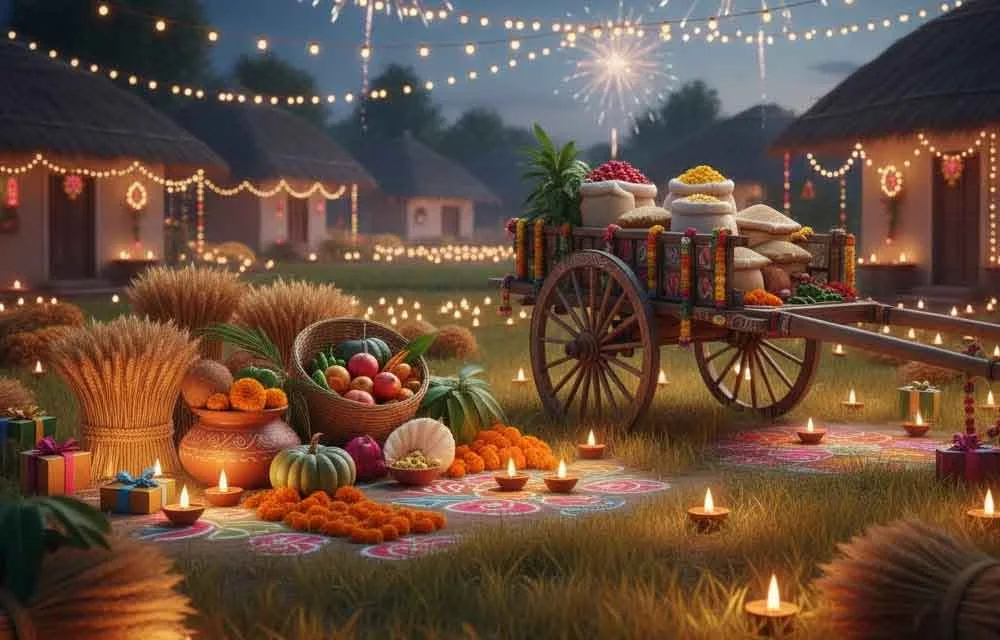
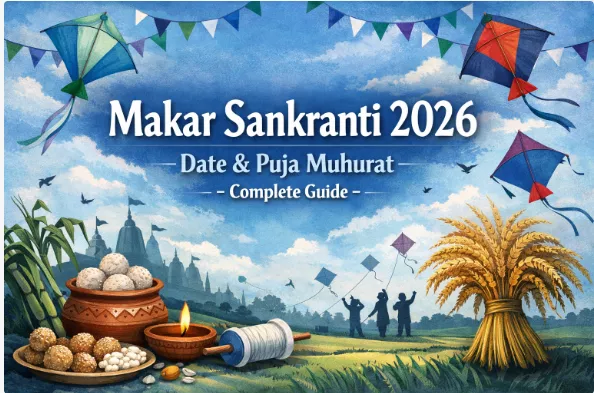
Makar Sankranti 2026 Date & Puja Muhurat – Complete Guide
Makar Sankranti 2026: Date, Muhurat, Traditional Recipes, and Celebration Ideas Introduction: The First Harvest Festival of the Year Makar Sankranti stands as…
2027 update: Makar Sankranti 2027 is on Friday 15 January 2027 in India (Thursday 14 January in the USA, Canada and the UK). See Makar Sankranti 2027 date and Punya Kaal timings.
Makar Sankranti 2026: Date, Muhurat, Traditional Recipes, and Celebration Ideas
Introduction: The First Harvest Festival of the Year
Makar Sankranti stands as one of India's most cherished harvest festivals, marking the Sun's transition into Capricorn and the beginning of Uttarayan. Unlike most Hindu festivals that follow the lunar calendar, Makar Sankranti follows the solar cycle, which is why its date remains mostly fixed each year. This auspicious day celebrates the end of winter, the arrival of longer days, and expresses gratitude for nature's abundance across diverse regions of India.
Makar Sankranti 2026 Date and Timing
Fixed Date and Astrological Significance
Makar Sankranti 2026 will be celebrated on Wednesday, 14th January 2026. This consistency in the date occurs because the festival is based on the solar calendar rather than the lunar calendar, making it one of the few Hindu festivals with a fixed annual date.
Auspicious Muhurat for 2026
According to traditional Hindu panchang, the auspicious timings for Makar Sankranti 2026 are:
- Sankranti Moment: 03:13 PM on January 14, 2026
- Punya Kaal Muhurta: 03:13 PM to 05:45 PM (Duration: 2 hours 32 minutes)
- Maha Punya Kaal Muhurta: 03:13 PM to 04:58 PM (Duration: 1 hour 45 minutes)
These auspicious periods are considered highly beneficial for performing sacred rituals, taking holy baths in rivers, offering prayers to Surya Dev, and performing charitable donations.
Understanding Punya Kaal
The Punya Kaal represents the sacred time period during which the Sun appears to be in both zodiac signs simultaneously during its transition. This period is considered extremely auspicious, and devotees are encouraged to perform all major rituals during this time to receive maximum spiritual benefits.
The History and Spiritual Significance of Makar Sankranti
Ancient Roots and Astronomical Basis
The festival's origins lie in ancient India's deep understanding of astronomy and seasonal cycles. Makar Sankranti marks a pivotal astronomical event where the Sun begins its northward journey, known as Uttarayan, which continues for six months until it reaches its southernmost point during Dakshinayan.
Mythological Connections
According to Hindu mythology, several significant events are associated with this day. The Mahabharata mentions that Bhishma Pitamah chose to leave his mortal body during Uttarayan, believing that souls departing during this period attain moksha (liberation). This belief has made Uttarayan a spiritually significant period in Hindu tradition.
Symbolism of Light Over Darkness
Makar Sankranti marks the triumph of light over the darkness that surrounds it, with the Sun's northward movement symbolizing the emergence of divine wisdom and spiritual development. The lengthening days represent the victory of knowledge over ignorance and hope over despair.
Regional Names and Celebrations Across India
Northern India: Makar Sankranti and Lohri
In North India, particularly Punjab, Haryana, and Himachal Pradesh, the festival is celebrated as Lohri on the evening of January 13th, followed by Makar Sankranti on January 14th. Communities gather around bonfires, perform traditional dances, and offer prayers for prosperity.
Western India: Uttarayan
In Gujarat and parts of Rajasthan, Makar Sankranti is known as Uttarayan, where it transforms into a grand kite-flying festival. The sky becomes a canvas of vibrant colors as thousands of kites take flight, with people shouting "Kai Po Che!" when they successfully cut an opponent's kite.
Southern India: Pongal
In Tamil Nadu, the festival is celebrated as Pongal, a four-day harvest festival dedicated to the Sun God. The celebration includes:
- Bhogi Pongal (Day 1): Homes are cleaned and old belongings discarded
- Surya Pongal (Day 2): The main celebration with special rice dishes
- Mattu Pongal (Day 3): Cattle are decorated and worshipped
- Kaanum Pongal (Day 4): Family reunions and social gatherings
Eastern India: Magh Bihu
In Assam, the festival is celebrated as Magh Bihu or Bhogali Bihu, marking the end of harvesting season. Communities build temporary huts called Meji, prepare elaborate feasts, and enjoy traditional games. The festival emphasizes community bonding through shared meals and cultural performances.
Maharashtra and Karnataka
In Maharashtra, people exchange tilgul (sesame-jaggery sweets) with the saying "Tilgul ghya, god god bola" (Take sesame sweets and speak sweet words). In Karnataka, families exchange "ellu bella" packets containing sesame seeds, peanuts, and jaggery with the greeting "Ellu bella thindu, olle maathadi" (Eat sesame and speak well).
Traditional Makar Sankranti Recipes
The Significance of Sesame and Jaggery
Sesame seeds and jaggery form the foundation of most Makar Sankranti sweets. These ingredients are chosen for their warming properties, essential during the winter season. Sesame provides healthy fats and generates body heat, while jaggery cleanses the body and provides energy.
Classic Til-Based Recipes
1. Til Ladoo (Sesame Balls)
The most iconic Makar Sankranti sweet, til ladoos combine roasted sesame seeds with melted jaggery to create perfectly round, nutritious treats.
Ingredients:
- 1 cup white or black sesame seeds
- 3/4 cup jaggery powder
- 1/4 cup roasted peanuts (crushed)
- 2 tablespoons ghee
- 1/2 teaspoon cardamom powder
Method:
- Dry roast sesame seeds on low heat until fragrant and golden
- Roast peanuts separately and crush coarsely
- Melt jaggery with 2 tablespoons water until it reaches soft ball consistency
- Mix in roasted sesame, peanuts, and cardamom
- Allow to cool slightly, then shape into balls with greased palms
2. Til Chikki (Sesame Brittle)
A popular dessert crisp made to celebrate harvest festivals, til chikki combines toasted sesame seeds with jaggery or sugar.
Ingredients:
- 1 cup sesame seeds
- 3/4 cup jaggery or sugar
- 2 tablespoons water
- 1 tablespoon ghee
- 1/4 teaspoon cardamom powder
Method:
- Toast sesame seeds for 5 minutes until lightly golden
- Heat jaggery with water and ghee until it forms a syrup
- Test readiness by dropping syrup in cold water; it should form a hard ball
- Quickly mix in sesame seeds and cardamom
- Pour onto greased surface, flatten with rolling pin
- Cut into pieces while warm, cool completely before storing
3. Til Poli (Sesame-Stuffed Flatbread)
A traditional Maharashtrian flatbread stuffed with a mixture of sesame seeds, jaggery, and coconut.
Ingredients for filling:
- 1 cup roasted sesame seeds
- 1 cup grated jaggery
- 1/2 cup desiccated coconut
- 1 teaspoon cardamom powder
For dough:
- 2 cups whole wheat flour
- Water as needed
- Pinch of salt
Method:
- Prepare filling by mixing roasted sesame, jaggery, coconut, and cardamom
- Make soft dough with wheat flour, water, and salt
- Roll small balls, flatten, place filling in center
- Seal and roll carefully into thin flatbread
- Cook on griddle with ghee until golden on both sides
4. Til Peetha (Assamese Sweet Dumplings)
A traditional Assamese sweet made with sesame seeds and jaggery, wrapped in rice flour dough and steamed or fried.
Regional Sweet Variations
Gajak (North Indian Brittle)
Popular in Punjab and Uttar Pradesh, gajak is similar to chikki but often made with peanuts or sesame combined with jaggery in thin, crispy sheets.
Ellu Bella Mix (Karnataka)
A simple but meaningful Sankranti mix including roasted sesame seeds, peanuts, fried gram, dried coconut pieces and tiny jaggery chunks.
Ariselu (Andhra Pradesh)
Sweet rice flour fritters prepared with jaggery and ghee, traditionally offered to deities during the festival.
Poornam Boorelu (Sweet Dumplings)
Small, deep-fried dumplings filled with sweetened chana dal, cooked and mixed with jaggery and cardamom.
Savory Dishes
Undhiyu (Gujarati Mixed Vegetables)
A signature Gujarati dish prepared during Uttarayan, combining seasonal winter vegetables like surti papdi, purple yam, green beans, and brinjal with methi dumplings.
Khichdi
In many North Indian states, khichdi (rice and lentil porridge) is prepared and donated on this day, giving the festival its alternate name "Khichdi" in some regions.
The Kite-Flying Tradition
Origins and Cultural Significance
Kite flying is seen as a way to welcome the Sun's northward journey and celebrate nature's abundance. This tradition, while seemingly recreational, carries deeper symbolic meanings and practical health benefits.
Health Benefits of Kite Flying
Traditionally, kite flying encouraged people to step out of their homes during winter mornings and afternoons, exposing themselves to sunlight, which was important because winter reduces sunlight exposure, leading to lower Vitamin D levels.
Symbolism in the Sky
The upward flight of kites represents the soul's journey toward the divine, the triumph of positivity over negativity, and the desire to rise above earthly limitations. The competitive aspect of kite battles brings communities together in spirited friendly competition.
The International Kite Festival
Gujarat hosts one of the world's largest kite festivals during Uttarayan, attracting participants from across the globe. Cities like Ahmedabad, Surat, and Rajkot witness spectacular displays with kites of all shapes, sizes, and designs filling the sky.
Sacred Rituals and Charity Traditions
Holy River Baths (Snan)
Taking a ritual bath in sacred rivers during Makar Sankranti is believed to cleanse sins and purify the soul. Major pilgrimage sites witness massive gatherings:
- Ganga Sagar Mela (West Bengal): Millions gather at the confluence of the Ganges and Bay of Bengal
- Prayagraj (Uttar Pradesh): The Magh Mela sees devotees bathing at the sacred sangam
- Haridwar and Rishikesh: Devotees take holy dips in the Ganges
- Nashik: Sacred baths in the Godavari River
Surya Puja (Sun Worship)
Devotees wake up before sunrise and take a ritual bath, then offer water from a kalash to Lord Surya along with sesame seeds, red flowers, and rice. The following Surya mantra is often chanted:
Om Ghrini Surya Adityah
(O radiant Sun, embodiment of Aditya, I bow to you as the eternal source of energy, wisdom, and life)
The Practice of Daan (Charity)
Performing Snan-Daan during Maha Punya Kaal is considered highly meritorious in 2026. Common charitable acts include:
- Donating food grains, especially rice, wheat, and lentils
- Distributing warm clothing and blankets to the needy
- Offering sesame seeds, jaggery, and ghee
- Feeding Brahmins and sadhus
- Providing meals to the poor and homeless
The belief is that charity performed during this period brings manifold blessings and helps eliminate negative karma from past lives.
Modern Celebration Ideas for 2026
Family Activities
- Rooftop Kite Flying Party: Organize a kite-flying gathering with family and friends, complete with traditional snacks
- Sweet-Making Workshop: Teach children how to make traditional til ladoos and chikki
- Cultural Story Session: Share stories from Hindu mythology related to Makar Sankranti
- Traditional Dress Day: Wear ethnic attire and explain regional variations of the festival
Community Celebrations
- Neighborhood Kite Competition: Organize friendly kite-flying contests with prizes
- Charity Drive: Collect warm clothing and food items for distribution to underprivileged communities
- Cultural Program: Arrange folk dance and music performances representing different states
- Community Feast: Prepare and share regional dishes with neighbors
Eco-Friendly Celebrations
- Use biodegradable paper kites instead of plastic-coated ones
- Choose cotton thread instead of sharp manja (glass-coated thread) to protect birds
- Clean up fallen kites and strings after celebrations
- Use natural colors and materials for decorations
Virtual Celebrations
For those away from home:
- Video call family during muhurat times
- Participate in online puja ceremonies
- Share digital greeting cards with traditional messages
- Cook traditional recipes and share photos with loved ones
Makar Sankranti Fashion and Decorations
Traditional Attire
- Women: Wear vibrant sarees in colors like yellow, orange, and red (representing the sun and harvest). Popular choices include Bandhani from Gujarat, Leheriya from Rajasthan, and traditional Maharashtrian nauvari sarees
- Men: Don traditional kurtas with ethnic jackets or turbans in festive colors
Home Decorations
- Rangoli/Kolam: Create intricate designs at the entrance using colored rice flour, flower petals, or colored powders
- Torans: Hang decorative door hangings made from mango leaves, marigold flowers, or fabric
- Diyas: Light traditional oil lamps in the evening
- Kite Decorations: Use colorful kites and spools as decorative elements indoors
The Agricultural Connection
Makar Sankranti celebrates the rabi crop harvest across India. Farmers express gratitude for:
- Wheat, sugarcane, and mustard crops in North India
- Rice harvest in South India (Pongal)
- Various winter vegetables and crops across regions
The festival marks the beginning of a new agricultural cycle, with farmers seeking blessings for abundance in the coming year.
Health and Wellness Aspects
Seasonal Foods for Immunity
The traditional foods consumed during Makar Sankranti are specifically chosen for their health benefits:
- Sesame seeds: Rich in calcium, iron, and healthy fats; provide warmth
- Jaggery: Cleanses the liver, aids digestion, provides energy
- Peanuts: High in protein and healthy fats
- Winter vegetables: Seasonal produce like carrots, cauliflower, and leafy greens
- Ghee: Lubricates joints and provides essential fatty acids
Ayurvedic Significance
According to Ayurveda, Makar Sankranti marks a transition period when specific foods and practices help balance the body's doshas as seasons change from winter to spring.
Tips for Celebrating Makar Sankranti 2026
Planning Ahead
- Purchase kites, thread, and accessories a few days before January 14th
- Shop for sesame seeds, jaggery, and other ingredients for sweets
- Plan your visit to pilgrimage sites if planning holy baths
- Prepare charity items for distribution
Safety Precautions
- Fly kites in open areas away from electrical wires
- Avoid using sharp manja that can harm birds and people
- Stay hydrated while flying kites under the sun
- Supervise children during kite-flying activities
Making It Meaningful
- Explain the festival's significance to younger generations
- Participate in at least one charitable activity
- Visit temples and offer prayers during Punya Kaal
- Maintain the spirit of "speaking sweet words" throughout the day
🌸 For More Devotional Journey, Follow
- Temples
/temples/ - Tirumala Updates
/tirumala/ - Sabarimala Yatra
/category/sabarimala-yatra/ - Pooja, Slokas & Mantras
/pooja-slokas-and-mantras/ - Hindu Gods
/hindu-gods/
Frequently Asked Questions
Q1: Why is Makar Sankranti celebrated on the same date every year?
Unlike most Hindu festivals based on the lunar calendar, Makar Sankranti follows the solar calendar, marking the Sun's astronomical transition into Capricorn, which occurs around January 14th annually.
Q2: Can non-Hindus participate in Makar Sankranti celebrations?
Absolutely! The festival celebrates universal themes of harvest, gratitude, and nature's cycles. Kite-flying, sharing sweets, and participating in charitable acts are activities everyone can enjoy.
Q3: What is the significance of til and gur (sesame and jaggery)?
These ingredients provide warmth and energy during winter. Sesame generates body heat and is rich in nutrients, while jaggery cleanses the body and provides iron and other minerals.
Q4: Is it necessary to take a holy bath in rivers?
While bathing in sacred rivers is traditional, any ritual bath at home followed by prayers is equally valid. The emphasis is on spiritual purification and devotion.
Q5: Why do people fly kites specifically on this day?
Kite-flying encourages outdoor activity and sun exposure for Vitamin D absorption. Symbolically, it represents the soul's upward journey and the celebration of longer, warmer days ahead.
Q6: What charity is most appropriate for Makar Sankranti?
Traditional donations include food grains, warm clothing, sesame seeds, jaggery, and ghee. In modern times, monetary donations to charitable organizations or feeding the underprivileged are also appreciated.
Q7: How long do Makar Sankranti celebrations last?
In most regions, the main celebration is on January 14th. However, in Tamil Nadu (Pongal) and some other states, it's a four-day festival. The Uttarayan period continues for six months astrologically.
Conclusion: Embracing Unity in Diversity
Makar Sankranti 2026 offers an opportunity to celebrate India's rich cultural tapestry while honoring shared values of gratitude, renewal, and community. Whether you're flying kites in Gujarat, cooking Pongal in Tamil Nadu, celebrating Magh Bihu in Assam, or performing holy rituals anywhere in India, the essence remains the same: welcoming the sun's auspicious journey, expressing gratitude for nature's bounty, and spreading joy through sharing.
As we prepare for Makar Sankranti 2026 on Wednesday, January 14th, let us embrace both tradition and innovation. Teach younger generations about our cultural heritage while adapting celebrations to contemporary contexts. Remember to balance festivity with responsibility—celebrate sustainably, give generously to those in need, and most importantly, embody the spirit of "speaking sweet words" that lies at the heart of this beautiful festival.
May this Makar Sankranti bring light, warmth, prosperity, and happiness to you and your loved ones. Tilgul ghya, god god bola!
About HinduTone.com
HinduTone.com is your comprehensive guide to Hindu festivals, traditions, rituals, and cultural celebrations. Stay connected with us for more detailed articles on upcoming festivals, authentic recipes, and meaningful ways to celebrate India's rich spiritual heritage.
Share this with family and friends
Send it on WhatsApp, post it, or copy the link.
More from Festivals
- Vasant Panchami 2027 (Saraswati Puja, Basant Panchami, Sri Panchami): Date, Panchami Tithi, Puja Muhurat by City, Vidhi and Story
- Holi 2027: Date, Holika Dahan Muhurat City-Wise, Bhadra Timings, Puja Vidhi and Holi Abroad
- Makar Sankranti 2027: Date, Punya Kaal Timings City-Wise, Bhogi, Pongal, Kanuma, Lohri and Uttarayan
- Dev Deepawali 2026 Varanasi: Date, Purnima Time, Ganga Aarti, Story, Puja Vidhi and Deep Daan
- Kartik Purnima 2026: Date, Purnima Time, Snan, Deep Daan, Puja Vidhi and Significance
You might also like
Happy Pongal, Makar Sankranti & Lohri 2026: Wishes for Hindu Americans
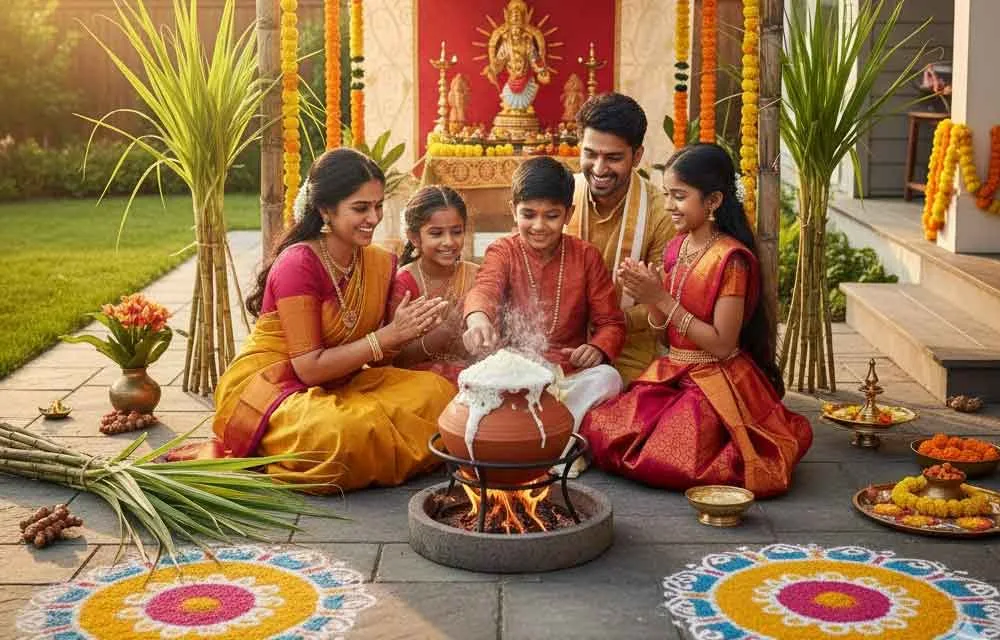
Sankranti 2026 Celebrations in USA: Complete Guide to Makar Sankranti Festivities
Thai Pongal 2026: Spiritual Significance & Global Celebrations