
Makar Sankranti
71 articles
Makar Sankranti marks the Sun's entry into Makara rashi and is one of the few Hindu festivals tied to the solar calendar. It is a harvest festival with many faces: Pongal in Tamil Nadu, Sankranti with Bhogi and Kanuma in Andhra Pradesh and Telangana, Uttarayan with kites in Gujarat, Lohri in Punjab and Khichdi Parv in parts of Uttar Pradesh and Bihar.
Devotees traditionally thank Surya and the land for the harvest, take holy dips, share sesame and jaggery sweets and remember ancestors. For farming families it is a season of gratitude; for families abroad it is often a cherished way to pass on regional food and customs to children.
On this page you will find HinduTone articles on Makar Sankranti puja guides, the meaning of Uttarayana, regional celebrations, rangoli and kite traditions, and recipes. Explore related pages on Pongal, Bhogi and Lohri for state-specific detail.
Start Here

Latest Articles
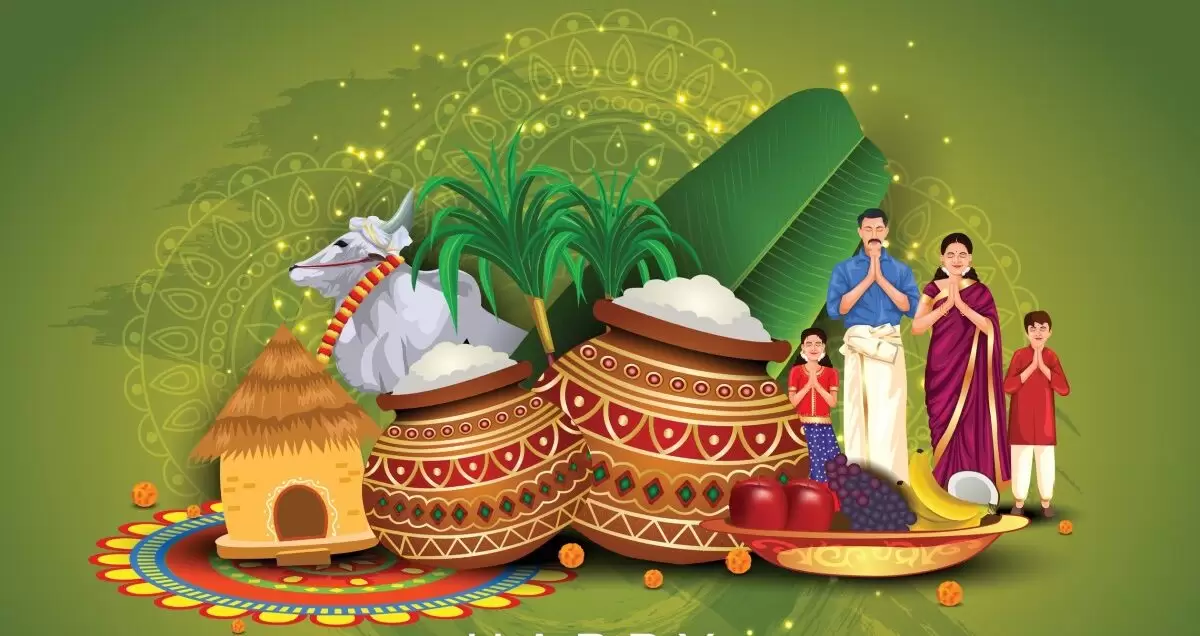
Makar Sankranti in Rajasthan: Kites, Holy Dips, Daan and Winter Sweets
Quick answer: In Rajasthan, Makar Sankranti is a day of rooftop kite flying, above all in Jaipur, along with a holy…
Makar Sankranti Sayings by Region: What They Mean and When They Are Said
Quick answer: The best-documented Sankranti sayings are the Marathi "Tilgul ghya ani god god bola" (take this sesame…
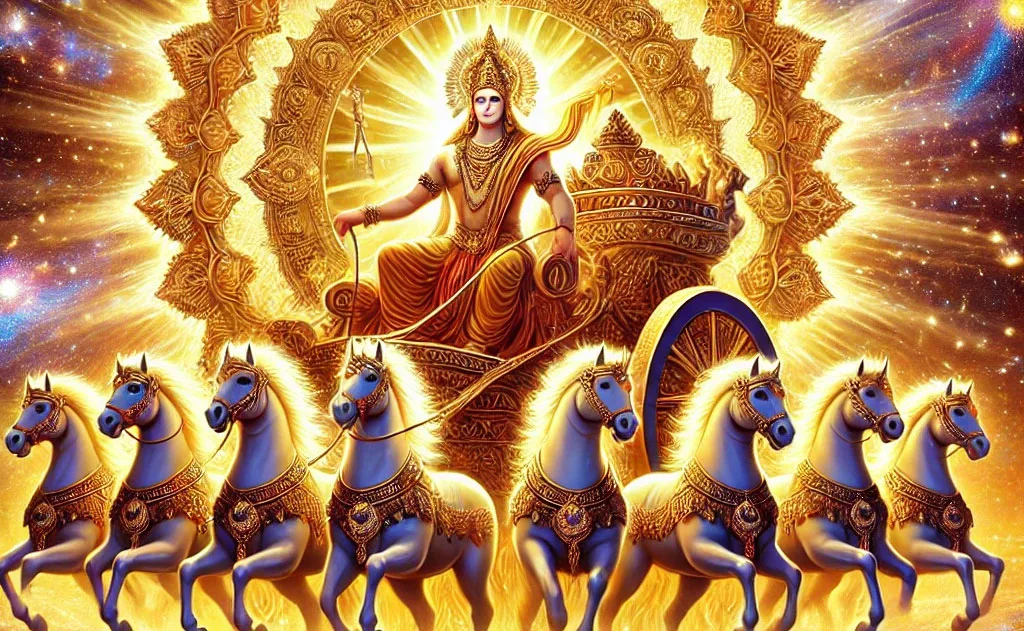
Mantras and Prayers for Makar Sankranti and Pongal
Quick answer: No single mantra belongs to Makar Sankranti in the scriptures. Families draw on Sun prayers (the…
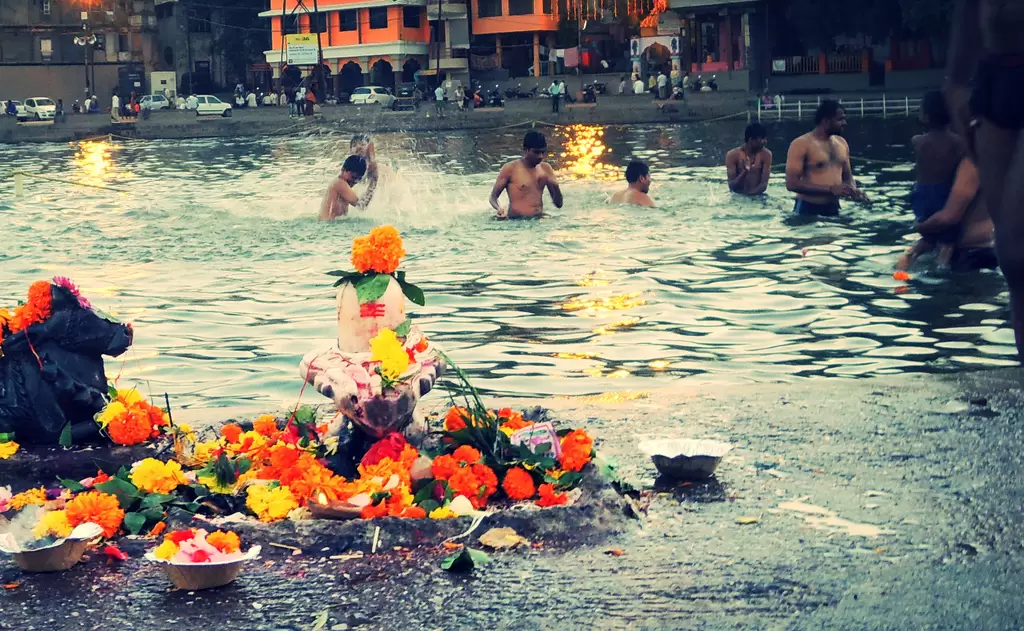
Haridwar Makar Sankranti Snan: A Guide to Har Ki Pauri, the Ganga Aarti and the Ardh Kumbh
Quick answer: The Haridwar Makar Sankranti snan is the holy bath in the Ganga at Haridwar, Uttarakhand, on the day the…
Gangasagar Mela: A Guide to the Makar Sankranti Pilgrimage at Sagar Island
Quick answer: The Gangasagar Mela is the yearly pilgrimage fair at Sagar Island in South 24 Parganas district, West…
Sankranti snanam: the holy bath at home or at a tirtha
Quick answer: Sankranti snanam is the ritual bath taken on Makar Sankranti, ideally early in the morning within the…
Pongal and Makar Sankranti Wishes and Messages
Quick answer: Below are original English wishes for Makar Sankranti, the four days of Pongal, Lohri, Magh Bihu and…
Kite flying safety on Makar Sankranti, in India and abroad
Quick answer: Fly with plain cotton thread only: nylon, synthetic and "Chinese" manja is banned in India under a 2017…
Makar Sankranti and Pongal for Kids: Crafts, Kolam and Stories
Quick answer: Makar Sankranti is the day the Sun moves into the star sign Makara (Capricorn). It is also a thank-you…
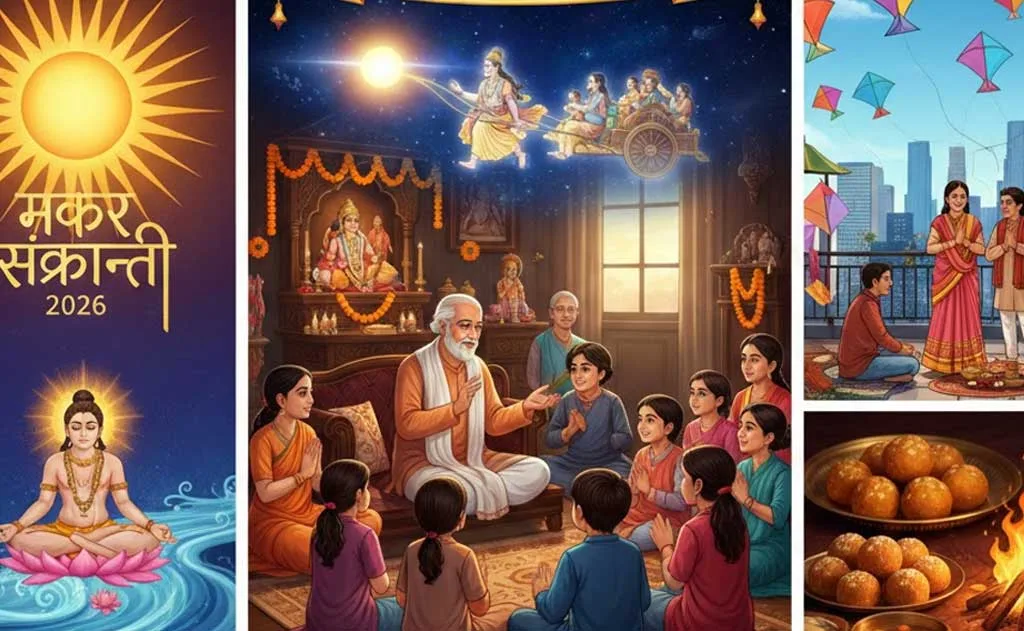
Sankranti Daan: What Is Given, to Whom, When, and What the Texts Say
Quick answer: On Makar Sankranti, Hindus traditionally give daan (charitable gifts): sesame (til) and jaggery, khichdi…
Uttarayana Explained: Scripture, Astronomy and the Solstice Question
Quick answer: Uttarayana means the Sun's northward course, the half of the year when sunrise moves north along the…
Makar Sankranti and Pongal Stories, With Their Sources
Quick answer: The best-known Makar Sankranti story is the descent of the Ganga, told in the Valmiki Ramayana and the…
Sakkare Acchu Recipe (Karnataka Sugar Moulds for Sankranti)
Quick answer: Sakkare acchu are small white sugar figures, such as animals, temple cars and flowers, set in carved…
Khichdo Recipe (Gujarati Broken Wheat and Lentil Dish for Uttarayan)
Quick answer: Khichdo is a Gujarati dish of broken or cracked wheat cooked soft with lentils, then finished with a…
Sakraat and Magha Saaji: Makar Sankranti in Haryana, Delhi and Himachal Pradesh
Quick answer: In Haryana, Makar Sankranti is called Sakraat or Maghi: brothers visit married sisters with warm clothes…
Uttarayani and Ghughutiya: Makar Sankranti in Uttarakhand
Quick answer: In Uttarakhand, Makar Sankranti is called Uttarayani. In Kumaon it is also Ghughutiya: children wear…
Khichdi Sankranti in Uttar Pradesh: Customs, Food and Fairs
Quick answer: In Uttar Pradesh, Makar Sankranti is widely called Khichdi, or Khichdi Parv. The day begins with a river…
Makar Sankranti in Bihar and Jharkhand: Sakraat, Dahi-Chura and Tusu Parab
Quick answer: In Bihar, Makar Sankranti is called Sakraat or Tila Sankranti. The morning starts with a bath and sesame…
Makara Chaula Recipe (Odisha's Makar Sankranti Rice Offering)
Quick answer: Makara Chaula is Odisha's Makar Sankranti offering of newly harvested rice that is soaked, not cooked…
Makara Sankranti in Odisha: Makara Chaula, Puri Temple Rituals, Melas and Customs
Quick answer: In Odisha, Makara Sankranti is the day of Makara Chaula, a raw preparation of newly harvested rice…
Poush Sankranti in West Bengal: Pithe-Puli, Gangasagar, Tusu and the Kenduli Fair
Quick answer: Poush Sankranti, also called Poush Parbon, is Bengal's form of Makar Sankranti. It marks the last day of…
Ellu Bella Recipe (Karnataka Sankranti Mix)
Quick answer: Ellu bella is Karnataka's Sankranti mix of white sesame, small cubes of jaggery, slivers of dry coconut…
FAQs
What is Makar Sankranti?
Makar Sankranti marks the Sun's entry into Makara (Capricorn) and the start of Uttarayana, its northward journey. It is a harvest festival celebrated across India under many names, including Pongal, Lohri, Uttarayan and Bihu, with thanksgiving to the Sun, fresh harvest food and family gatherings.
Why is Makar Sankranti usually in mid-January?
Unlike most Hindu festivals, Sankranti follows the solar calendar, not the Moon. Because it is tied to the Sun's movement into Makara, it falls in mid-January almost every year, shifting only by a day or so. Check the panchang for the exact Sankranti moment in your location.
What do people eat and do on Makar Sankranti?
Sesame and jaggery sweets are common, along with dishes made from newly harvested rice. People take holy dips in rivers, give charity, fly kites in Gujarat and other states, and honour cattle and farmers. Customs vary widely from region to region.
How is Sankranti celebrated in Andhra Pradesh and Telangana?
Telugu Sankranti is a multi-day festival: Bhogi with a bonfire of old things, Sankranti with pongali and muggulu, and Kanuma honouring cattle. Haridasu singers, Gangireddula performers and family reunions in native villages make it one of the biggest Telugu festivals.