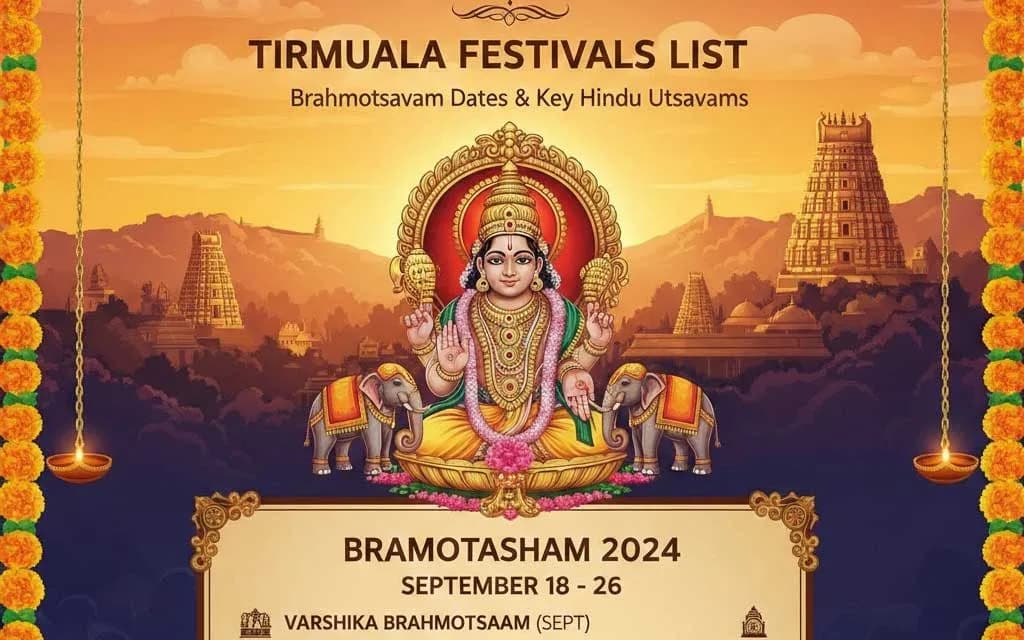
Hindu Festivals Calendar 2026 — NRI Diaspora Edition: Country-Specific Dates, Time Zones, Temple Events & Apartment-Friendly Vrat Plan
A complete month-by-month Hindu festivals calendar for 2026, designed specifically for NRIs in the USA, UK, Canada, Australia and UAE. Includes local time-zone notes for every major puja, the diaspora temple events that matter most (BAPS, Sri Venkateswara, ISKCON, BAPS Abu Dhabi, Hindu Sabha Mississauga), apartment-friendly vrat options, and a printable monthly summary you can stick on your fridge. 12 FAQs.
A complete month-by-month Hindu festivals calendar for 2026, designed specifically for NRIs in the USA, UK, Canada, Australia and UAE. Includes local time-zone notes for every major puja, the diaspora temple events that matter most (BAPS, Sri Venkateswara, ISKCON, BAPS Abu Dhabi, Hindu Sabha Mississauga), apartment-friendly vrat options, and a printable monthly summary you can stick on your fridge.
“Bharaka samvatsareṇāham, vasāmi vipaśchitaḥ.” — Wherever the Hindu calendar is honoured, there I dwell. — Padma Purana.
Why an NRI-specific calendar matters in 2026
The Hindu festival calendar is the most sophisticated lunisolar calendar in human history. It accounts for solar months, lunar months, tithis, nakshatras, yoga, karana — five layers of timing. For an NRI in 2026, however, even a perfectly accurate India-time calendar is not enough. Tithi-windows shift across the date line. A 5 AM Brahma Muhurta puja in Chennai is a 4:30 PM previous-evening event for someone in San Jose. A Pradosh Kala in Mumbai is a 1:30 PM lunch-hour for someone in Toronto.
This calendar — month by month, in 2026 — is built for the NRI Hindu professional. It tells you the festival, the India date, the cross-tithi note for your time-zone, the nearest diaspora temple event, and one apartment-friendly vrat option. Use it as your fridge-magnet for the year.
For deeper India-side context see our Hindu Festival Calendar 2026–2027 — Complete Year Guide and Hindu Festivals in May & June 2026 — Vaishakha–Jyeshtha Guide.
January 2026
Makar Sankranti / Pongal — Tue 14 Jan: the sun enters Capricorn. NRI tip: cook tilgul (sesame-jaggery) at home; visit Sri Venkateswara temples.
Pausha Putrada Ekadashi — Sun 4 Jan: apartment-friendly partial fast.
AdvertisementVasant Panchami / Saraswati Puja — Mon 22 Jan: place a book/laptop at the altar; yellow flowers.
Mauni Amavasya — Wed 17 Jan: the day of silence; even a 10-minute home silent meditation counts.
February 2026
Ratha Saptami / Surya Jayanti — Tue 24 Feb: sunrise sun-fast for energy; see also our Surya Jayanti 2026 — significance, rituals & mantras.
Maha Shivratri — Sun 15 Feb: day-long fast, all-night Shiva jagaran. Maha mantra: Om Namah Shivaya.
Vijaya Ekadashi — Tue 17 Feb 2026.
March 2026
Holi — Tue 3 March: Holika Dahan eve of Mon 2 March; rangwali Holi on Tue. NRI events at Wembley, Edison NJ, Brampton, Sydney; eco-friendly natural-colour Holi.
AdvertisementAmalaki Ekadashi — Wed 4 Mar.
Phalguna Purnima — Mon 2 Mar.
Papamochani Ekadashi — Thu 19 Mar.
April 2026
Ugadi / Gudi Padwa — Sun 5 Apr: Hindu New Year (Telugu, Marathi, Konkani, Kannada). Mango-jaggery-neem chutney is the iconic offering.
Ram Navami — Tue 7 Apr: birth of Sri Rama. Read the Ayodhya Kanda or the Bal Kanda; sing Bhajans.
Mahavir Jayanti — Sat 11 Apr: respected by Vaishnava and Jain Hindus alike.
AdvertisementHanuman Jayanti — Mon 13 Apr (Chaitra Purnima): day for Hanuman Chalisa 30-day NRI practice.
Akshaya Tritiya — Sat 18 Apr: day of inexhaustible prosperity. See our Akshaya Tritiya 2026 in India — date, muhurat, rituals and Akshaya Tritiya 2026 in the USA.
Narasimha Jayanti — Thu 30 Apr: see our Narasimha Janma Nakshatram 2026.
May 2026
Buddha Purnima — Tue 12 May: see our Buddha Purnima 2026 — Canada/UK/Australia/UAE NRI Guide.
Ganga Saptami — Sun 3 May.
Sita Navami — Tue 5 May.
Mohini Ekadashi — Sat 9 May.
AdvertisementVat Savitri Vrat — Wed 27 May.
June 2026
Ganga Dussehra — Tue 9 Jun.
Nirjala Ekadashi — Wed 10 Jun: the most rigorous Ekadashi of the year.
Jagannath Rath Yatra — Sat 13 Jun: major ISKCON events worldwide.
Gayatri Jayanti — Wed 10 Jun.
July 2026 — Sawan begins
Sawan begins — Mon 13 Jul.
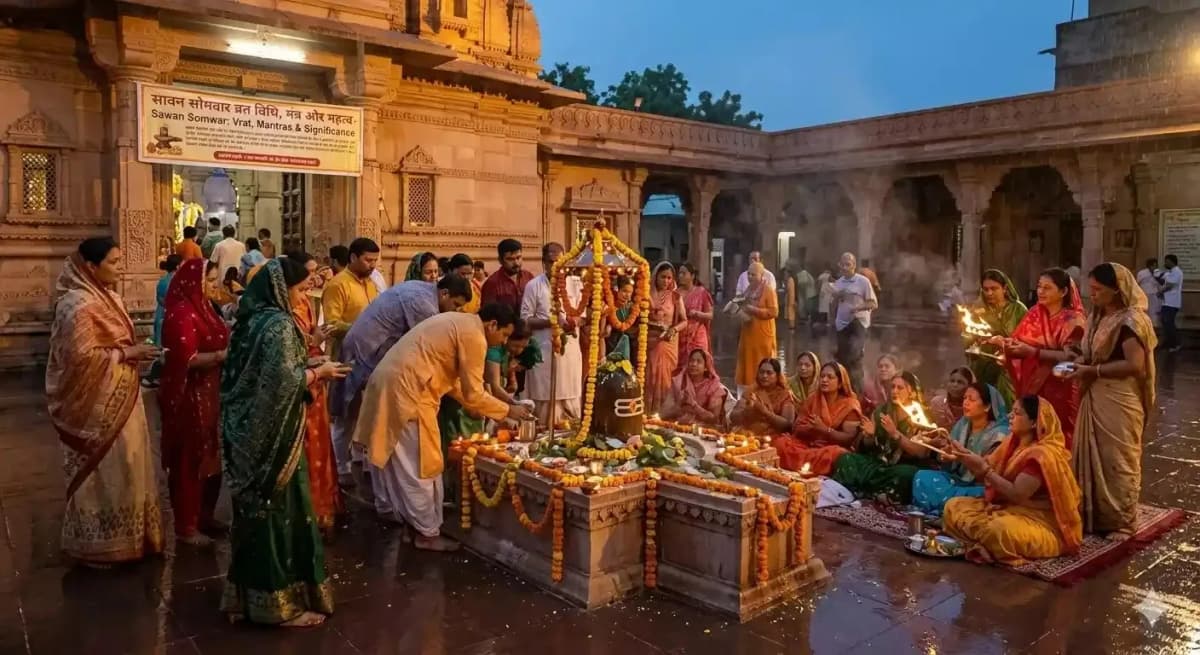
Sawan Somwars — Mon 14, 21, 28 Jul, Mon 4 Aug: see our Sawan Somwar 2026 — 4 Mondays guide.
AdvertisementDevshayani Ekadashi — Wed 8 Jul: Lord Vishnu’s Chaturmasya sleep begins.
Guru Purnima — Fri 31 Jul.
August 2026
Putrada (Pavitra) Ekadashi — Thu 6 Aug.
Janmashtami — Mon 31 Aug: the birth of Sri Krishna; major NRI events at BAPS, ISKCON Bhaktivedanta Manor (UK).
Raksha Bandhan — Fri 28 Aug: see our Raksha Bandhan 2026 — NRI Family Celebration Guide.
September 2026
Hartalika Teej — Sun 13 Sep: day-long nirjala fast.
Ganesh Chaturthi — Mon 14 Sep: see our Ganesh Chaturthi 2026 — Eco-Visarjan NRI Guide for UK/Canada/AU/UAE.
Anant Chaturdashi — Wed 23 Sep: Ganpati visarjan day.
Pitru Paksha begins — Thu 24 Sep: 15-day ancestor remembrance.
October 2026
Sharad Navratri — Sun 11 Oct to Mon 19 Oct: see our Navratri 2026 — Apartment Vidhi Diaspora Guide.
Vijayadashami / Dussehra — Tue 20 Oct.
Rama Ekadashi — Mon 19 Oct.
Karva Chauth — wait, this is in November 2026 — see below.
November 2026
Dhanteras — Fri 6 Nov.
Naraka Chaturdashi — Sat 7 Nov.
Diwali / Lakshmi Puja — Sun 8 Nov: see our Diwali 2026 Lakshmi Puja Muhurat — City-Wise USA NRI Guide.
Karva Chauth — Sun 8 Nov: coincides with Lakshmi Puja day; intense day for NRI women observing both.
Govardhan Puja — Mon 9 Nov.
Bhai Dooj — Tue 10 Nov.
Devuthani Ekadashi — Wed 4 Nov: Vishnu’s Chaturmasya wake; Tulsi Vivah season begins.
Tulsi Vivah — Fri 6 Nov.
December 2026
Geeta Jayanti — Wed 25 Dec: Mokshada Ekadashi morning. Recite Bhagavad Gita Chapter 12 — Bhakti Yoga.
Vaikuntha Ekadashi — Tue 29 Dec: the most spiritually charged Ekadashi; Tirumala’s Vaikuntha Dwaram opens. Online sankalpa available worldwide.
Datta Jayanti — Mon 28 Dec.
NRI time-zone gotchas — when India dates and your dates differ
Tithi shift: Hindu festivals are tithi-based, not date-based. A festival listed on India 14 Sep can be 13 Sep in California (PST is 12.5 hours behind India).
Sunrise rule: the festival applies to the local sunrise of the day on which the tithi is active. Always check Drik Panchanga for your zip code.
Ekadashi: Vaishnavas observe per local sunrise, not India sunrise — so a US Ekadashi date may legitimately be one day after the India Ekadashi.
Eclipse: observed per local visibility — a solar eclipse visible in India may not be visible in NRI countries; in that case, no sutak applies.
Surya Sankranti: observed per local solar entry; very minor variation between cities.
Amavasya / Purnima: apply local moon-time, not India moon-time.
Apartment-friendly vrat options for every month
January: partial Ekadashi fast.
February: Maha Shivratri — fruit + milk; one Shiva-naam jagaran.
March: Holika dahan — symbolic candle + rice/grain offering.
April: Ram Navami — fruit fast and Sundarkand reading.
May: Buddha Purnima — phalahara + Sri Sukta + moon-arati.
June: Nirjala Ekadashi — challenging; if not possible, do partial.
July: Sawan Somwars — milk-only morning, shiva mantra.
August: Janmashtami — fast until midnight; sing krishna namasankirtan.
September: Ganesh Chaturthi — clay-Ganpati home puja.
October: Navratri — apartment vidhi, kanya-pujan with 3 girls.
November: Karva Chauth + Diwali Lakshmi Puja same day; pace yourself.
December: Vaikuntha Ekadashi — full fast; Mokshada Gita Jayanti.
Frequently asked questions
Why does the Hindu festivals calendar shift each year?
Because Sanatana Dharma uses a lunisolar calendar — months are lunar (29.5 days) but synced to the solar year via Adhik Maas (intercalary month) every 2.5 years. Festivals therefore shift slightly on the Gregorian calendar.
Should NRIs follow India-date or local-date for festivals?
Tithi-based festivals follow local sunrise. Drik Panchanga app for your zip code is the gold standard. For solar festivals (Sankranti) follow local solar entry; for tithi festivals (Ekadashi, Purnima, Amavasya) follow local sunrise.
Can NRIs in the same country observe a festival on different dates?
Rare but possible — for example, a tithi may shift across midnight between US East Coast and West Coast. In such cases, both dates are valid for the respective region.
Is there a printable Hindu calendar for 2026?
HinduTone publishes free monthly PDFs. Subscribe to receive the printable mailed each month.
What is Adhik Maas in 2026?
There is no Adhik Maas in 2026; the next is Adhik Shravana 2028.
Which festival is most important for NRI children?
Diwali (Sunday 8 Nov 2026) — most accessible, most public-facing, most family-friendly. Janmashtami, Ganesh Chaturthi and Holi are close seconds.
How do I observe Ekadashi if I work night shifts?
Observe per the tithi window of your local sunrise — not your work shift. Sankalpa-substitution applies.
Can I attend a Diwali / Navratri at a non-Hindu venue (school, workplace)?
Absolutely — interfaith diaspora events are deeply meaningful. Bring sweets, explain the festival, light a diya.
What is the most underrated festival in the calendar?
Vaikuntha Ekadashi (29 Dec 2026). The classical view: it is more powerful than even Diwali for moksha. NRIs increasingly observe it as a Hindu equivalent of New Year’s Eve.
How many vrats can a busy NRI realistically observe in a year?
A sensible NRI rhythm — 4 Sawan Somwars + 6 major Ekadashis + Maha Shivratri + Vaikuntha Ekadashi + 1 Navratri week. Total: ~15–20 fasts per year. That is plenty.
Where can I sponsor an India temple puja for a festival I cannot attend?
TTD-USA, BAPS, ISKCON, Vaishno Devi Shrine Board, Sabarimala, Akshaya Patra, Tirumala Tirupati Devasthanams. All accept online sankalpa booking from any country.
Where can I buy a printable Hindu festivals calendar 2026?
HinduTone publishes free PDFs each month; the BAPS, ISKCON, TTD and major temple websites also publish printable annual calendars in October–November of the previous year.
Closing — your year is now sacred
A year is not just a sequence of 365 days. It is a sequence of moments — each tithi, each nakshatra, each muhurat — that the Hindu calendar has identified, named, blessed and given to you. As an NRI, the privilege is enormous: you live in two calendars at once. The Gregorian for your job; the Hindu for your soul. From Makar Sankranti to Vaikuntha Ekadashi, 2026 is yours to inhabit.
Subhamastu. Hindu Nutan Varshabhinandan. Welcome to 2026.
Subscribe to HinduTone for the monthly NRI festival calendar PDF.
You might also like
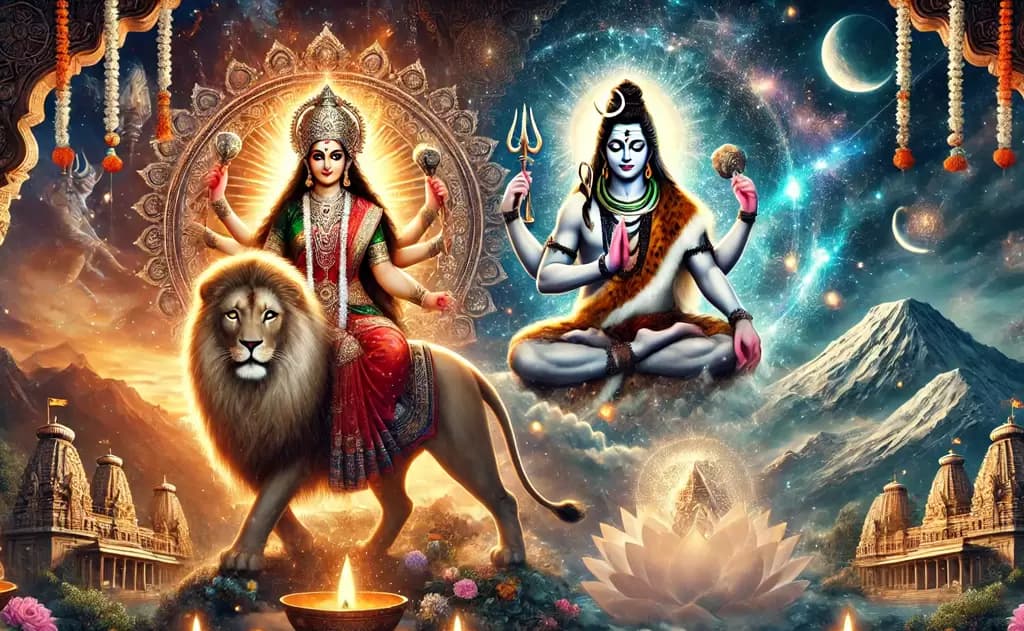
Hindu Festival Calendar 2026–2027: Complete Year Guide | HinduTone
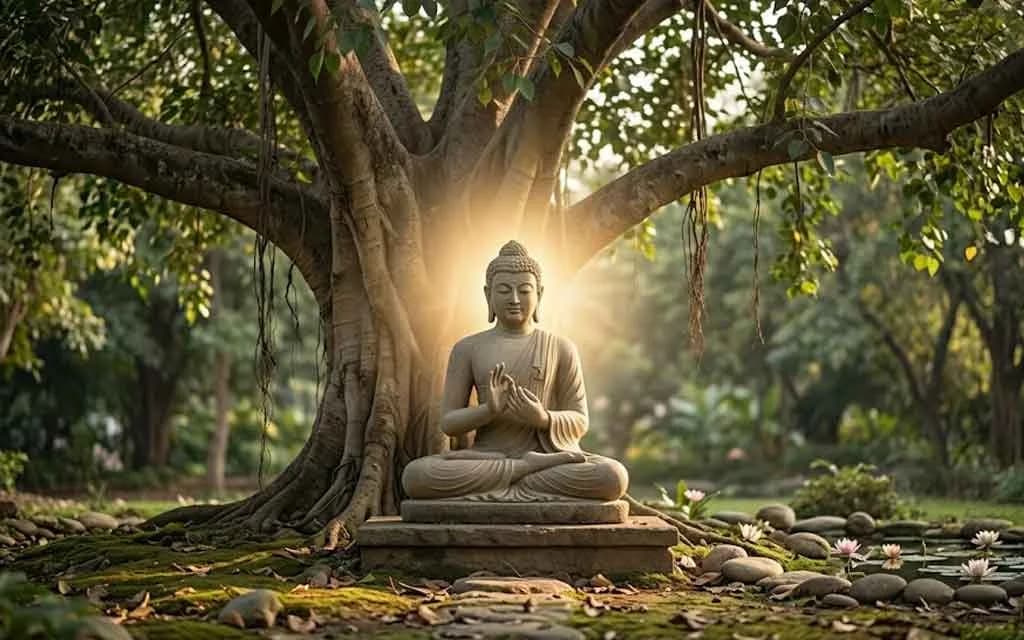
Hindu Festivals in May & June 2026: Ganga Saptami, Sita Navami, Buddha Purnima, Ganga Dussehra, Nirjala Ekadashi — Complete Vaishakha–Jyeshtha Guide
Sawan Somwar 2026: 4 Mondays, Vrat Vidhi & Mantras | HinduTone