

Sravana Masam 2026 Rules: Do’s, Don’ts & What to Avoid
Sravana Masam 2026 rules explained — the do’s, the don’ts and the reasoning behind each: fasting tiers, the no-non-veg tradition, and what is (and isn’t) avoided.
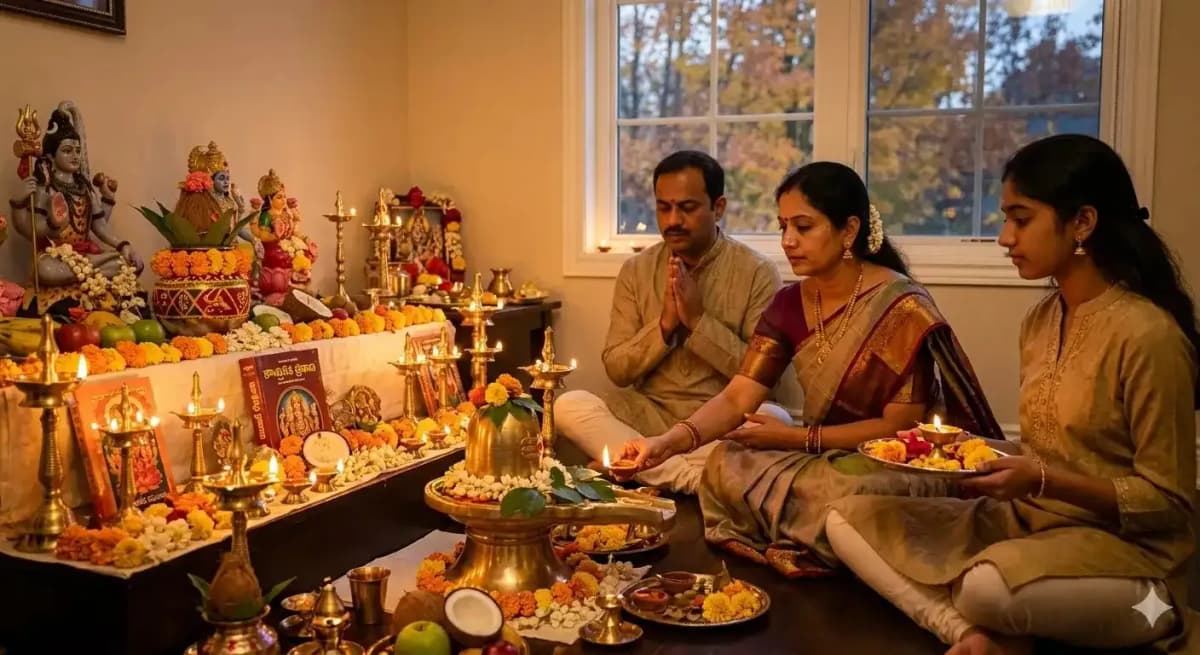
Sravana Masam 2026 rules explained — the do’s, the don’ts and the reasoning behind each: fasting tiers, the no-non-veg tradition, and what is (and isn’t) avoided.
Quick answer: During Sravana Masam, tradition asks devotees to avoid non-vegetarian food and alcohol, keep the mind calm and sattvic, do daily deepam and Monday Shiva abhishekam, give charity, and not disturb snakes or anthills. Below is the full list — with the reasoning behind each.
Sravana (Shravana) Masam carries a rich set of traditional do’s and don’ts. This guide gives both — and, importantly, the reasoning behind each — so the month is observed with understanding, not just habit. See the full Sravana Masam 2026 calendar for dates.
The do’s — practices that define the month
- Light a daily deepam (lamp) at home, morning and evening.
- Offer Shiva abhishekam on Mondays with water and bilva (maredu) leaves.
- Keep a sattvic, vegetarian diet.
- Give charity and annadanam (food to the needy).
- Read or hear the Sri Suktam, Rudram or Bhagavatam.
- Visit Shiva and Devi temples, especially on the sacred weekdays.
- Draw a muggu (rangoli) at the threshold each morning.
- Exchange pasupu-kumkuma and thamboolam among women.
- Do tulasi puja and keep the home clean.
- Show gratitude and seva to elders.
The don’ts — and the reason behind each
- Non-vegetarian food & alcohol: avoided for ahimsa during Chaturmasya and for a sattvic mind (see the section below).
- Certain leafy greens: many avoid leafy vegetables in Shravan — an Ayurvedic monsoon-hygiene tradition, as greens spoil and harbour microbes in the rains.
- Brinjal & curd (in some traditions): avoided in the monsoon for digestive reasons; varies by family.
- Haircuts/shaving on certain days: avoided on specific tithis and weekdays by custom.
- Quarrels and harsh speech: the month is for calm, disciplined conduct.
- Disturbing snakes and anthills: respected as sacred in Shravan (Naga worship) — and ecologically sound.
- Cutting trees; sleeping in the daytime: discouraged by tradition during this austere month.
Why Hindus avoid non-vegetarian food in Sravana Masam
Four reasons are traditionally given, all reinforcing each other: it is the monsoon breeding season for many animals and fish; Ayurveda holds that the digestive fire (jatharagni) is weaker in the rains, so lighter sattvic food suits the body; ahimsa (non-violence) is emphasised during Chaturmasya, the four-month austerity that Shravan falls within; and a sattvic diet steadies the mind for the month’s intensified worship.
Fasting: the kinds and how to choose
- Nirjala — without food or water (the strictest).
- Phalahara — fruits, milk and permitted non-grain foods.
- Ekabhuktam — a single meal a day.
- Naktam — eating only after sunset.
- Partial — abstaining from specific foods (e.g. non-veg, grains) without a full fast.
Choose the tier that suits your health honestly. See the Sravana Somavaram guide for Monday fasting specifics.
Can we do weddings, gruhapravesham and new purchases?
Unlike Ashada Masam (when many families avoid such events), Sravana Masam is generally considered auspicious — marriages, gruhapravesham, buying gold or vehicles, aksharabhyasam and new ventures are commonly undertaken, subject to a proper muhurtam. Always confirm the specific muhurtam with your purohit for your chosen day.
Health and Ayurveda in the monsoon month
Much of the month’s dietary wisdom aligns with monsoon health — lighter, freshly-cooked, sattvic food; caution with raw greens and stored items; and warm, easily-digested meals. This is traditional dietary practice, not medical advice; consult a doctor for your own health needs.
Related
See the main Dussehra & Vijayadashami 2026 complete guide for the date (20 October), Vijaya muhurat and full rituals.
Frequently Asked Questions
What should you avoid in Sravana Masam?
Traditionally: non-vegetarian food and alcohol, certain leafy greens (a monsoon-hygiene custom), quarrels and harsh speech, disturbing snakes or anthills, cutting trees, and (by some traditions) haircuts on specific days.
Why is non-veg avoided in Sravana Masam?
For four reinforcing reasons: it is the monsoon breeding season; Ayurveda holds digestion is weaker in the rains, favouring sattvic food; ahimsa is emphasised during Chaturmasya; and a sattvic diet steadies the mind for worship.
Can we do a marriage in Sravana Masam?
Yes — unlike Ashada Masam, Sravana is generally considered auspicious for marriages, gruhapravesham and new purchases, subject to a proper muhurtam. Confirm the specific muhurtam with your purohit.
What are the fasting rules in Sravana Masam?
Devotees choose a tier that suits their health: nirjala (waterless), phalahara (fruit/milk), ekabhuktam (one meal), naktam (after sunset), or a partial fast abstaining from specific foods.
Can we cut hair in Sravana Masam?
Some traditions avoid haircuts and shaving on specific tithis and weekdays during the month; practice varies by family and region — follow your household tradition.
You might also like
Diwali 2026 in Lakshadweep: Date, Lakshmi Puja Muhurat, Traditions & Where to Celebrate
Diwali 2026 in Ladakh: Date, Lakshmi Puja Muhurat, Traditions & Where to Celebrate
Diwali 2026 in Puducherry: Date, Lakshmi Puja Muhurat, Traditions & Where to Celebrate