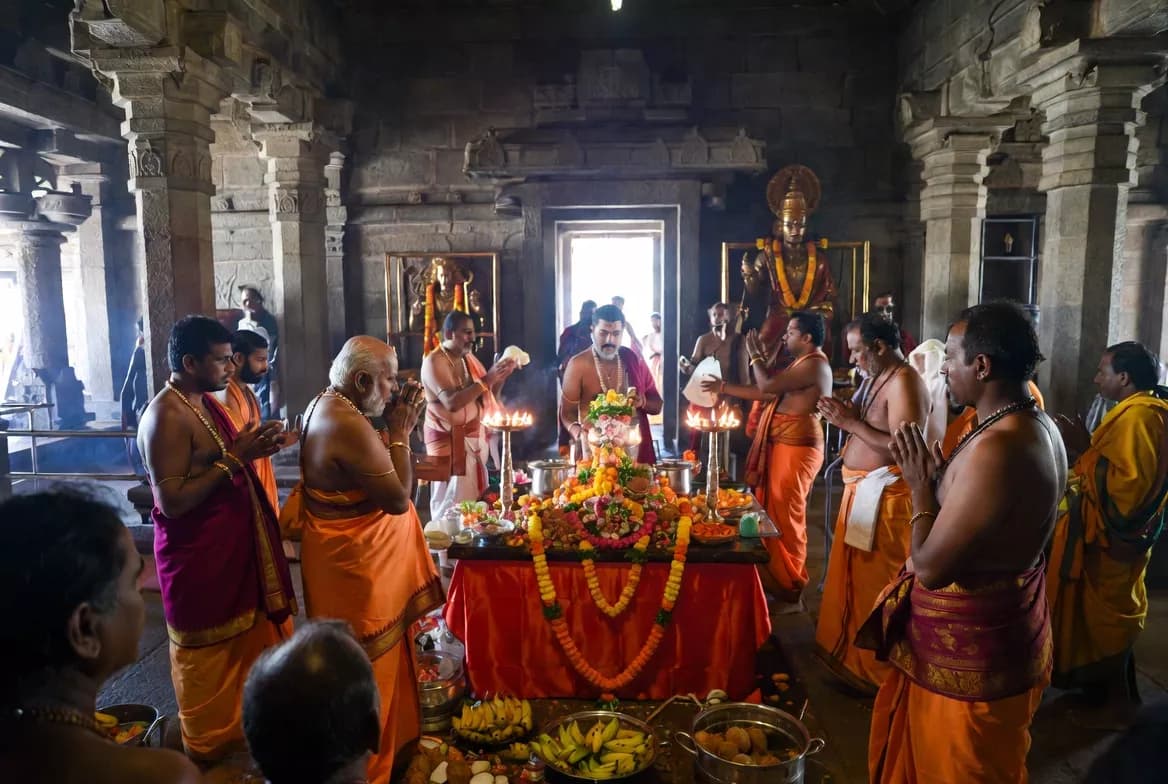
Narasimha Swamy Janma Nakshatram 2026: Swati Nakshatra Special on Narasimha Jayanti (April 30)
Narasimha Swamy Janma Nakshatram 2026 falls on Thursday, April 30 — Narasimha Jayanti meets Swati Nakshatra (Lord Narasimha’s birth star). Complete devotional guide: Sayana Kala timings, puja vidhi, Narasimha Maha Mantra, Gayatri & Kavacham, story of Prahlada and Hiranyakashipu, top kshetras, and how the Hindu diaspora in USA, UK, Canada, Australia and GCC can observe this powerful day.
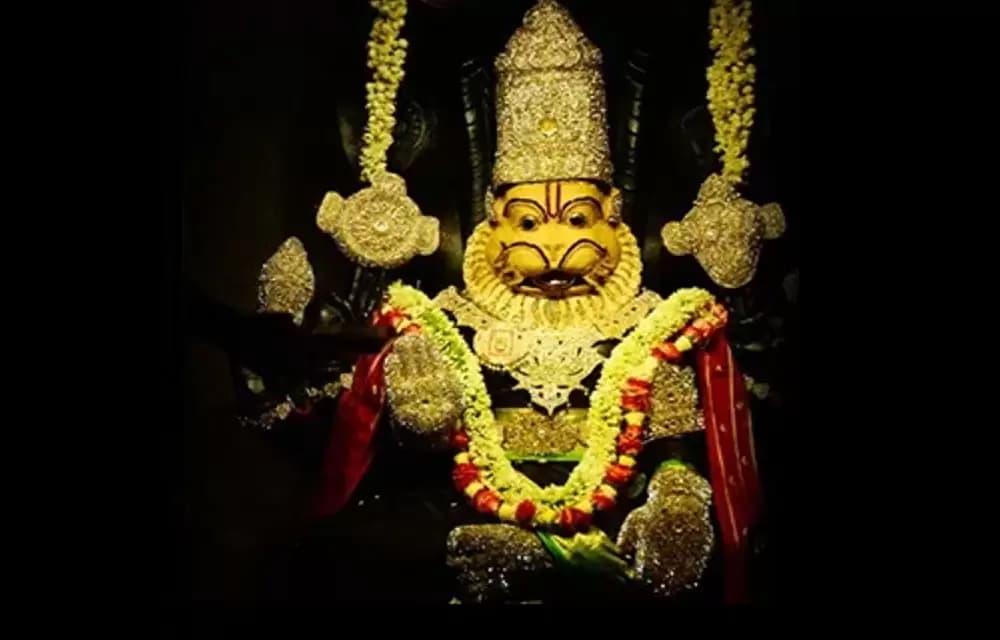
Narasimha Swamy Janma Nakshatram 2026 falls on Thursday, April 30 — Narasimha Jayanti meets Swati Nakshatra (Lord Narasimha’s birth star). Complete devotional guide: Sayana Kala timings, puja vidhi, Narasimha Maha Mantra, Gayatri & Kavacham, story of Prahlada and Hiranyakashipu, top kshetras, and how the Hindu diaspora in USA, UK, Canada, Australia and GCC can observe this powerful day.
“Ugram Veeram Maha Vishnum, Jwalantam Sarvato Mukham…” — We bow to the fierce, valorous Maha Vishnu, blazing on every face — Narasimha, the slayer of death itself.
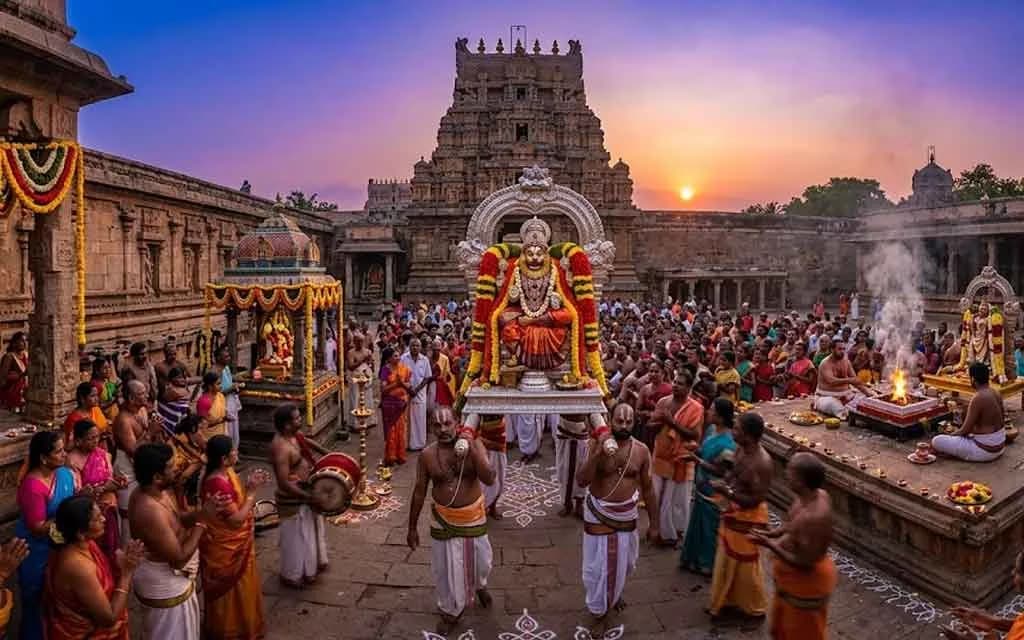
Narasimha Swamy Janma Nakshatram 2026 — when Swati Nakshatra meets Narasimha Jayanti
Today, Thursday, April 30, 2026, marks one of the most powerful and protective days in the Hindu calendar — Narasimha Swamy Janma Nakshatram. This sacred occasion coincides with Narasimha Jayanti (Vaishakha Shukla Chaturdashi), when Lord Narasimha, the fourth avatar of Bhagavan Vishnu, manifested in His fierce yet compassionate half-man, half-lion form to protect His devotee Prahlada and to destroy the asura king Hiranyakashipu.
Devotees and temple traditions — including Tirumala and the great Lakshmi Narasimha kshetras of Andhra Pradesh, Telangana and Karnataka — consider Swati Nakshatra as the Janma Nakshatram (birth star) of Lord Narasimha Swamy. On April 30, 2026, Swati Nakshatra becomes active from approximately 2:46 PM onwards and runs through the night — an extraordinarily auspicious window for puja, homam, japa and abhishekam.
Read this together with our companion guides on Narasimha Avatar — the fierce protector of devotees, Narasimha Jayanti 2026 — date, significance, story, rituals and mantras, and How to pray Lord Lakshmi Narasimha Swamy in 2026.
Why Swati Nakshatra is the Janma Nakshatram of Lord Narasimha
In Vedic astrology, Swati is the 15th nakshatra — ruled by Vayu (the wind god) and presided over by Rahu. It signifies independent power, swift movement, and the ability to cut through obstacles. Scriptural and Sthala Purana traditions place the manifestation of Lord Narasimha on this very nakshatra, on Vaishakha Shukla Chaturdashi, at twilight (Sayana Kala) — the precise junction the boons granted to Hiranyakashipu could not protect against.
Every Swati Nakshatra day across the year is special for Narasimha bhaktas — but when Swati falls on Narasimha Jayanti itself, the spiritual potency multiplies many-fold. This rare alignment, repeating in 2026, is widely believed to bring protection from enemies, removal of doshas, and decisive victory over fear.
Key benefits of worshipping Lord Narasimha on this day
Protection: relief from enemies, black magic, evil eye and negative forces.
Obstacle removal: financial pressures, prolonged legal matters, and chronic health blocks.
Courage and victory: confidence to confront difficult situations and emerge successful.
Wealth and prosperity: blessings of Goddess Lakshmi as the inseparable consort Lakshmi Narasimha.
Mental peace: reduction of fear, anxiety and Rahu–Ketu disturbances; spiritual upliftment.
Narasimha Jayanti 2026 date and auspicious timings
Date: Thursday, April 30, 2026.
AdvertisementTithi: Vaishakha Shukla Chaturdashi (begins April 29, 7:51 PM — ends April 30, 9:12 PM).
Sayana Kala Puja Time: approximately 4:17 PM to 6:56 PM (the most ideal window for abhishekam and main puja).
Swati Nakshatra: active from ~2:46 PM on April 30 through the night.
Parana (breaking the fast): after sunrise on May 1, 2026 — approximately 5:41 AM.
Pro tip: begin sankalpam and Kalasha Sthapana before Sayana Kala. Perform abhishekam during 4:17–6:56 PM, and reserve mantra japa, Narasimha Kavacham and Stotra parayana for after Swati Nakshatra begins for maximum merit.
Timings vary slightly by city/panchanga. NRIs in the USA, UK, Canada, Australia, GCC and Singapore should compute Sayana Kala for their local sunset and use Drik panchanga for the corresponding Chaturdashi tithi.
The divine story of Narasimha Avatar — Narasimha Katha
In Satya Yuga, the asura king Hiranyakashipu performed severe penance and obtained from Lord Brahma a near-impregnable boon: he could not be killed by man or animal, indoors or outdoors, by day or by night, on earth or in the sky, by any weapon — living or non-living. Drunk on this seeming invincibility, he terrorised the three worlds and forbade the worship of Lord Vishnu.
His own son, the pure-hearted Prahlada, remained an unwavering Vishnu bhakta. Enraged, Hiranyakashipu tried to kill Prahlada through fire, poison, drowning, elephants and weapons. The Lord protected him every single time. Finally, when Hiranyakashipu mocked the Lord’s omnipresence and struck a pillar in his court, demanding to know if Vishnu was even there, Lord Vishnu emerged from that very pillar as Narasimha Swamy — neither fully man nor fully animal, at twilight (neither day nor night), on the doorstep (neither inside nor outside), placing the demon on His thighs (neither earth nor sky), tearing him apart with His claws (no weapon).
Every condition of the boon was honoured — and dharma was restored. This appearance happened on Swati Nakshatra, which is why it is revered eternally as Narasimha Swamy Janma Nakshatram. To dive deeper into this leela, see the full story of Narasimha — the fierce protector of devotees.
How to celebrate Narasimha Swamy Janma Nakshatram at home — simple puja vidhi
Morning preparation
Holy bath: rise early, take a sankalpa-snanam, and clean the puja room thoroughly.
Set the altar: place an idol or photo of Lord Lakshmi Narasimha facing east; spread a fresh cloth (red, yellow or saffron).
Lighting: light a ghee lamp with two wicks (representing Narasimha and Lakshmi), incense and camphor.
Vigraha decor: garland with red and yellow flowers, tulsi leaves, mango toranam.
Advertisement
Offerings for naivedyam
Fresh flowers — especially red lotus, hibiscus, marigold and yellow chrysanthemum.
Tulsi leaves and freshly cut betel leaves with supari.
Coconut, fruits (banana, mango, guava), and jaggery-based sweets.
Panakam (jaggery water with cardamom and pepper) — the Lord’s favourite offering.
Panchamrita (milk, curd, ghee, honey, sugar) for abhishekam.
Main puja sequence
Sankalpa: declare intention with the date, gotra and the purpose of the puja.
Kalasha Sthapana: copper or silver pot with water, mango leaves and coconut on rice.
AdvertisementAbhishekam: milk, honey, panchamrita, tender coconut water and finally pure water — chanting Narasimha Maha Mantra.
Ashtottara archana: 108 names of Lord Narasimha with kumkum and akshata.
Naivedyam: panakam, jaggery-pongal, payasam, fruits and coconut.
Deepa aradhana: mangala harati with karpura.
Story reading: read aloud the Narasimha Avatar leela for the family.
Special on Swati Nakshatra (after ~2:46 PM)
Chant Narasimha Maha Mantra 108 times.
Recite Narasimha Kavacham once with full faith.
Recite Narasimha Stotram and Lakshmi Narasimha Karavalamba Stotra by Adi Shankaracharya.
Light a mustard-oil lamp for protection from drishti and negative energies.
Fasting (Vrata)
Observe a full-day Narasimha Vrata — water and fruits only, or strict nirjala for those who can. Avoid grains, onion and garlic. Break the fast after sunrise on May 1, 2026 (Parana time ~5:41 AM) with the Lord’s prasadam — panakam first, then a simple sattvic meal.
Powerful Narasimha mantras and stotras to chant on Janma Nakshatram
Narasimha Maha Mantra (most powerful)
उग्रं वीरं महाविष्णुं ज्वलन्तं सर्वतोमुखम् । नृसिंहं भीषणं भद्रं मृत्युमृत्युं नमाम्यहम् ॥
Ugram Veeram Maha Vishnum Jwalantam Sarvato Mukham |
Nrisimham Bhishanam Bhadram Mrityu-Mrityum Namamyaham ||
Meaning: I bow to Lord Nrisimha — the fierce, the valorous Maha Vishnu, blazing on every face, terrifying yet auspicious, the death of death itself.
Narasimha Gayatri Mantra
ॐ नृसिंहाय विद्महे वज्रनखाय धीमहि । तन्नो नारसिंहः प्रचोदयात् ॥
Om Nrisimhaya Vidmahe, Vajra-Nakhaya Dheemahi, Tanno Narasimhah Prachodayat ||
Short daily mantra
ॐ नमो भगवते नरसिंहाय • Om Namo Bhagavate Narasimhaya
Narasimha Kavacham and Narasimha Stotram
Highly recommended for full recitation today. The Narasimha Kavacham — attributed to Sage Narada and revealed to Prahlada — is one of the most powerful protective armours in Sanatana Dharma. Recite the entire stotra (or at least the dhyana, kavacham phalashruti and dasha-dik bandha) during Sayana Kala.
Devotees who chant these mantras on Swati Nakshatra or on Narasimha Jayanti are believed to receive instant protection, peace, and the courage to face all difficulties. For a fuller mantra and pooja walk-through, see our Lakshmi Narasimha 2026 mantras and pooja guide.
Famous Narasimha temples to visit (or offer prayers from afar)
Yadagirigutta (Yadadri) Lakshmi Narasimha Swamy Temple, Telangana: the Pancha Narasimha Kshetram famous for healing chronic illnesses and Rahu–Ketu doshas.
Ahobilam Nava Narasimha Kshetram, Andhra Pradesh: the avatar sthala — nine forms of Narasimha including the spectacular Ugra Sthambha.
Simhachalam Varaha Lakshmi Narasimha Temple, Visakhapatnam: rare Varaha-Narasimha combined deity, famous for Chandanotsavam.
Tirumala: special Narasimha pujas performed on every Swati Nakshatra day at the eternal abode of Sri Venkateswara.
Mangalagiri Panakala Narasimha, Andhra Pradesh: the Lord who literally drinks panakam at His shrine.
Kadiri Lakshmi Narasimha Swamy Temple, Anantapur: swayambhu deity that is said to perspire on certain days.
For a full pilgrimage plan with timings, legends and travel notes, read our Top 10 Narasimha Swamy temples in India guide.
For Hindu devotees abroad — observing Narasimha Janma Nakshatram from outside India
Devotees in USA, UK, Canada, Australia, New Zealand, Singapore, UAE, Qatar, Kuwait, Oman and Bahrain can observe the day fully even without temple access:
Live darshan: stream Yadagirigutta, Tirumala, Ahobilam or Simhachalam Sayana Kala puja online.
Home puja: use a printed Lakshmi Narasimha photo, light two wicks, offer panakam and recite the Maha Mantra 108 times.
Time-zone tip: use Sayana Kala (twilight) computed for your local sunset; Swati Nakshatra timing should be cross-checked with a Drik panchanga app.
Family chant: children and elders chant Om Namo Bhagavate Narasimhaya together — even a 9-round japa carries great merit on this day.
See also our companion piece — Narasimha Jayanti 2026 in the USA: complete guide.
Final prayer from HinduTone
O Lord Narasimha! You who appeared from the pillar to save Your devotee Prahlada, please protect us all from fear, enemies and sorrows. On this holy Narasimha Swamy Janma Nakshatram day, shower Your divine grace upon every devotee, every household, and every land where Your name is sung. Let Your roar remove all our obstacles and fill our lives with courage, prosperity and devotion.
🌺 Jai Narasimha • Jai Prahlada • Jai Vishnu • Om Namo Bhagavate Narasimhaya 🙏
Frequently asked questions about Narasimha Swamy Janma Nakshatram 2026
When is Narasimha Swamy Janma Nakshatram in 2026?
Narasimha Swamy Janma Nakshatram in 2026 falls on Thursday, April 30, 2026 — the same day as Narasimha Jayanti (Vaishakha Shukla Chaturdashi). Swati Nakshatra is active from approximately 2:46 PM on April 30 and continues through the night.
Why is Swati Nakshatra considered the birth star of Lord Narasimha?
Tradition, sthala puranas and major Narasimha kshetras (Tirumala, Ahobilam, Simhachalam, Yadagirigutta) hold that Lord Narasimha manifested from the pillar on Swati Nakshatra during Sayana Kala on Vaishakha Shukla Chaturdashi. Swati is therefore venerated as His Janma Nakshatram, and every Swati day across the year is auspicious for Narasimha worship.
What is the most powerful Narasimha mantra to chant on this day?
The Narasimha Maha Mantra — Ugram Veeram Maha Vishnum Jwalantam Sarvato Mukham, Nrisimham Bhishanam Bhadram Mrityu-Mrityum Namamyaham — is considered the supreme mantra. It is best chanted 108 times during Sayana Kala or after Swati Nakshatra begins. The Narasimha Gayatri and Narasimha Kavacham are equally powerful for protection.
What is the ideal puja time on Narasimha Jayanti 2026?
The Sayana Kala window of approximately 4:17 PM to 6:56 PM is the ideal time for abhishekam and main puja, because the Lord is believed to have emerged from the pillar at twilight. Mantra japa and stotra parayana are best performed after Swati Nakshatra begins (~2:46 PM) and continue into the night.
What should I offer to Lord Narasimha on Janma Nakshatram?
Offer panakam (jaggery water with cardamom and pepper) — His favourite offering — along with tulsi, red and yellow flowers, fruits, coconut, jaggery-based sweets, payasam, and panchamrita for abhishekam. Light a ghee lamp with two wicks for Lakshmi Narasimha and a mustard-oil lamp for protection from drishti.
How should NRIs in the USA, UK, Canada, Australia and GCC observe this day?
Compute Sayana Kala for your local sunset, use a Drik panchanga app to confirm Chaturdashi tithi and Swati Nakshatra timing in your time zone, perform a simple home puja with a Lakshmi Narasimha photo, offer panakam and fruits, and chant the Narasimha Maha Mantra 108 times. Live-stream a major kshetra’s Sayana Kala puja online for darshan.
Can I observe a fast (vrata) on Narasimha Jayanti?
Yes — observe a full-day Narasimha Vrata with water and fruits only (or strict nirjala for those able). Avoid grains, onion and garlic. Break the fast after sunrise on May 1, 2026 (Parana ~5:41 AM) by first taking the Lord’s panakam prasadam, then a simple sattvic meal.
Which doshas does Narasimha worship help with?
Narasimha worship is widely believed to give relief from Rahu–Ketu doshas, drishti dosha, shatru dosha (enemy trouble), legal disputes, chronic health issues and severe black-magic afflictions. Janma Nakshatram day, when Swati and Chaturdashi align, is considered the single most potent occasion for these prayers.
Disclaimer: Tithi and nakshatra timings vary slightly by city and panchanga tradition. For exact local Sayana Kala and Swati Nakshatra timings, please consult a Drik or your family priest’s panchanga.
Bookmark this page and explore HinduTone’s wider festivals library and Dasavataram series.
Hare Krishna • Om Namo Narasimhaya
Prepared with devotion for www.hindutone.com
You might also like
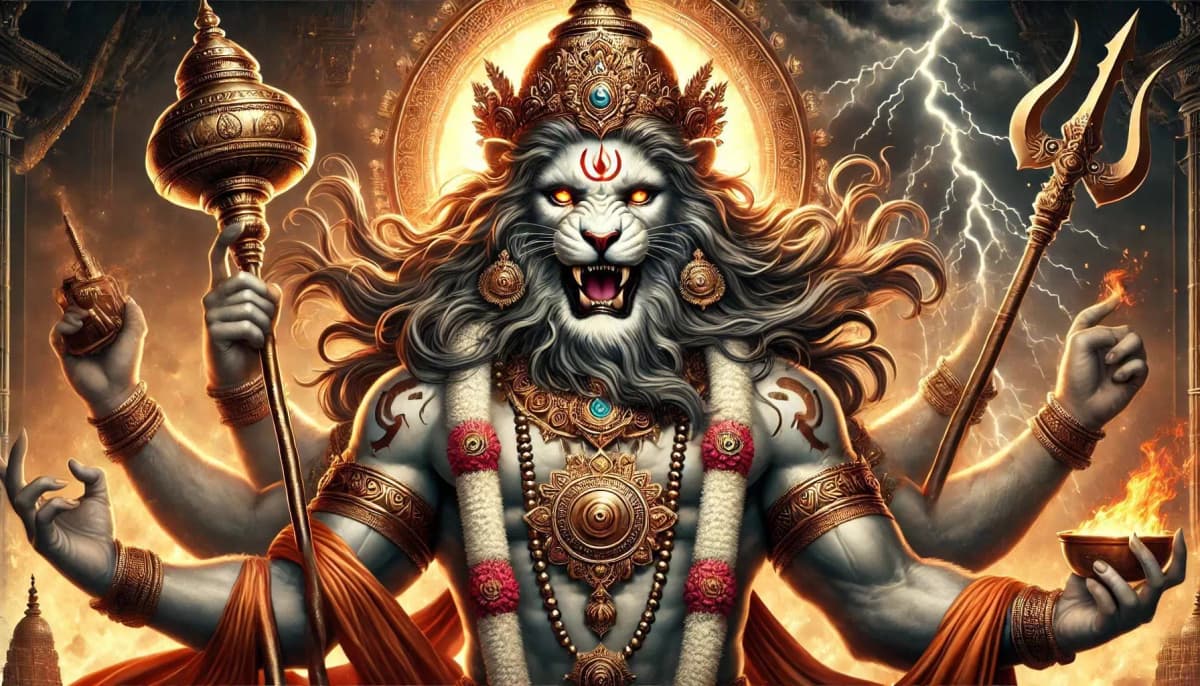
Narasimha Avatar: The Fierce Protector of Devotees
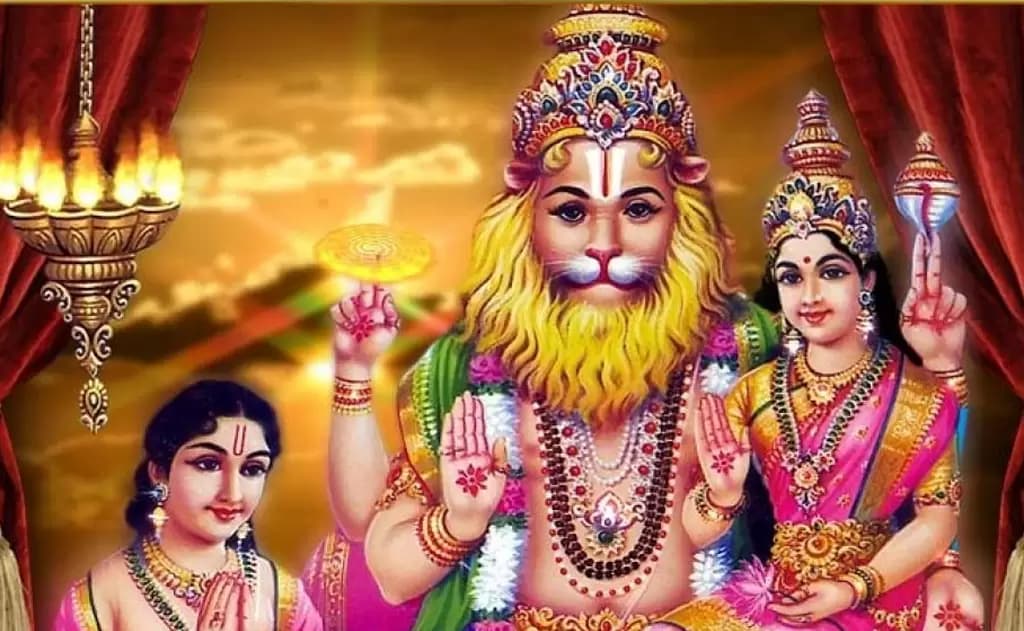
The Story of Narasimha: The Fierce Protector of Devotees
Narasimha Jayanti 2026 – Date, Significance, Story, Rituals & Powerful Mantras