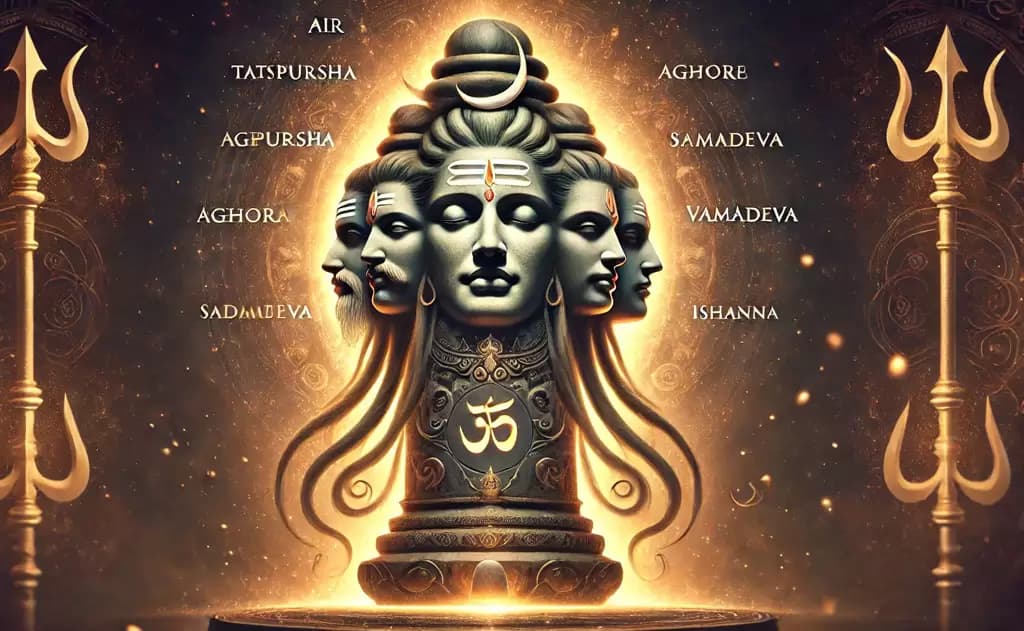
Shivacharya / Bhattacharyar — Shri Shiva Vishnu Temple, Melbourne Australia | 2026
Shri Shiva Vishnu Temple (HSV), Carrum Downs, Melbourne — the largest Hindu temple in Australia — opens 2026 hiring for Agama-trained Shivacharyas and Bhattacharyars across its Shivagama and Vaikhanasa traditions. Visa support, AUD competitive package.
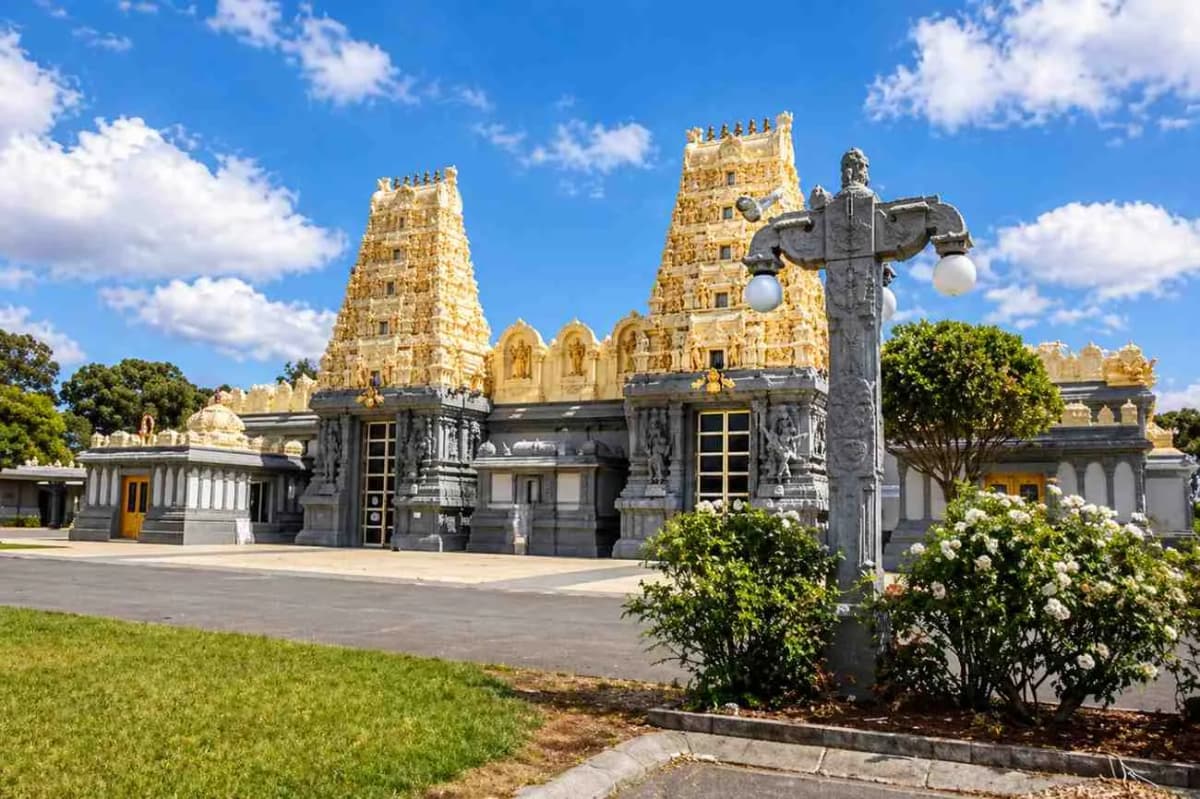
Shri Shiva Vishnu Temple (HSV), Carrum Downs, Melbourne — the largest Hindu temple in Australia — opens 2026 hiring for Agama-trained Shivacharyas and Bhattacharyars across its Shivagama and Vaikhanasa traditions. Visa support, AUD competitive package.
Shri Shiva Vishnu Temple — known across the Australian Hindu community simply as HSV — sits in Carrum Downs on Melbourne’s south-eastern fringe, and is the largest traditional Hindu temple complex in Australia. Its 18-shrine sanctum hosts more than 45 deities, divided across the Saiva (Shivagama) and Vaishnava (Vaikhanasa) traditions, and the temple is one of only a handful in the diaspora that conducts a full Brahmotsavam each year following Agama prescription. The 2026 hiring cycle is open across two specialist tracks: Shivacharya (Saiva-Agama-trained) for the Shiva, Vinayaka, Subramanya, Ayyappa, Durga and other Saiva-tradition shrines; and Bhattacharyar (Vaikhanasa-trained) for the Vishnu, Lakshmi, Krishna, Hanuman, Andal and other Vaishnava-tradition shrines.
This 2026 listing reflects the temple’s ongoing recruitment for both tracks given the scale of the complex and the breadth of the festival calendar. HSV runs more than 90 distinct festival days per year — the temple’s Brahmotsavam alone is a 10-day extended festival with dawn and dusk processions, a separate kumbabishekam component every twelve years, and an extensive yagasalai schedule that requires multiple trained priests working in choreographed rotation.
Daily Schedule, Yagasalai & Brahmotsavams
A typical Shivacharya day at HSV runs from 5:30 AM mangala aarti through the morning abhishekam cycles for each Saiva shrine, the noon mahanaivedhyam, the 6:00 PM sandhya aarti, and the 8:30 PM closing procedures. Bhattacharyars on the Vaishnava side run a parallel cycle. Both tracks share responsibility for the temple’s utsavams and the ten-day annual Brahmotsavam, plus the larger uthsavams (Tamil New Year, Diwali, Maha Shivaratri, Vaikuntha Ekadashi, Navratri, Thai Pusam, Maasi Magam, Karthika Deepam). Yagasalai (homam) responsibilities include the Maha Ganapathy Homam, Sri Rudra Homam, Sri Sudarshana Homam, Chandi Homam, Mrityunjaya Homam, Navagraha Shanti, and the Pratishta-anniversary Maha Kumbabishekam Homam.
Eligibility — 5 Years Vedic Education + 5 Years Service
HSV has a rigorous bar for both tracks. Required qualifications are five or more years of formal Vedic and Agama education at a recognised institution (TTD Dharmagiri, SVVU Tirupati, recognised Saiva schools in Tamil Nadu, Karnataka or Sri Lanka, or recognised Vaikhanasa lineages in Andhra Pradesh and Tamil Nadu), plus five or more years of post-training temple service with documented Brahmotsavam and Kumbabishekam involvement. Sanskrit fluency is required; English proficiency is essential for the temple’s Australian-born congregation; Tamil, Telugu or Kannada conversational ability is rated favourably.
Brahmin lineage with documented training certificates is expected. The temple specifically values priests who have served at major Brahmotsavam festivals in India and bring that operational experience to the multi-day procession choreography that HSV runs in the Australian autumn — a task that is logistically harder than its Indian equivalent due to different climate, council permits and devotee crowd patterns.
Salary, AUD Compensation & Visa
HSV offers a commensurate-with-experience Australian salary structured around the country’s subclass 407 Religious Worker visa (with subclass 482 in some senior cases), with the standard package including base salary in AUD (typically AUD 60,000 to AUD 80,000 plus statutory superannuation, depending on track and seniority), shared or family accommodation in temple-adjacent housing in Carrum Downs or Frankston, Medicare-equivalent private health insurance for the priest and family, and one annual return flight to India. The visa pathway is sponsored directly by HSV, which is a Department of Home Affairs-approved religious worker sponsor.
How to Apply — Email & Phone
Applications are accepted by email at secretary@hsvtemple.org.au with the subject line “Shivacharya / Bhattacharyar Application — 2026 Cycle” (specify which track in the subject), attaching a CV, training certificates, two references, and audio samples of your Brahmotsavam-cycle ritual leadership. Phone enquiries to the temple office at +61 3 9782 0878. The official temple website is hsvshivavishnutemple.org.au — the Careers section lists current vacancies by track. The temple runs a multi-stage interview process including an in-person assessment in India (typically at TTD or a recognised Saiva matha) before the formal Australian visa application is lodged.
Day-in-Life at HSV & Brahmotsavam Choreography
A working day at HSV during a normal week is itself substantial — multi-shrine abhishekams, Sahasranama parayanams, and back-to-back devotee bookings on weekends. But the real test of operational competence is the Brahmotsavam week, when the temple runs from 4:00 AM to 11:00 PM with two daily processions, multiple homam sessions in the yagasalai, and devotee-density numbers that can cross 8,000 attendees on the peak weekend. New priests joining HSV are typically paired with a senior Shivacharya or Bhattacharyar for their first full Brahmotsavam, and the choreography — who chants what at which procession stop, how the murti rotation across the yaagasalai works, the timing of the kalasapooja and the dhwajarohanam — is learned by doing. By the second or third Brahmotsavam most new priests are leading sections independently. The temple’s yagasalai is one of the better-equipped facilities in the diaspora, with proper Vedic homam pits, ventilation, and storage for the very specific samagri (mango leaves, deergha samidha, particular grades of ghee, navadhanya) that an Agama-prescribed homam requires.
Career Growth & Why HSV
HSV is at the apex of the Australian Hindu temple network. Priests who serve a full term here build credentials that travel — internally to senior roles at HSV itself, laterally to other major Australian temples (Hindu Society of Victoria in Donvale, BAPS Mandir in Mill Park, Sydney Murugan in Westmead) on transfer, and back to India to senior teaching or temple leadership roles. The Australian government’s permanent-residency pathway for religious workers is more accessible than many candidates expect — five years on the 407 visa with consistent English-language progress and clean tax records is a realistic foundation for a permanent-residency application via the Skilled Independent or Employer Nomination Scheme, which then opens the path to Australian citizenship for the priest and family. Many HSV priests have built generational lives in Melbourne — children educated in Victorian schools, family naturalised, a permanent base from which to serve the diaspora.
Frequently Asked Questions
Where is Shivacharya / Bhattacharyar located?
Shri Shiva Vishnu Temple — known across the Australian Hindu community simply as HSV — sits in Carrum Downs on Melbourne’s south-eastern fringe, and is the largest traditional Hindu temple complex in Australia. Its 18-shrine sanctum hosts more than 45 deities, divided across the Saiva (Shivagama) and Vaishnava (Vaikhanasa) traditions, and the temple is one o
Who is the presiding deity of Shivacharya / Bhattacharyar?
The presiding deity is Lord Shiva.
What are the timings and how do I reach Shivacharya / Bhattacharyar?
Temples typically open early morning and evening; confirm current darshan timings before visiting. The nearest airport, railway station and road routes are covered in the guide above.
What is the best time to visit Shivacharya / Bhattacharyar?
Major festival days and the cooler months are popular, though weekday mornings offer a calmer darshan. Plan around the temple's key festivals for the most vibrant experience.
You might also like
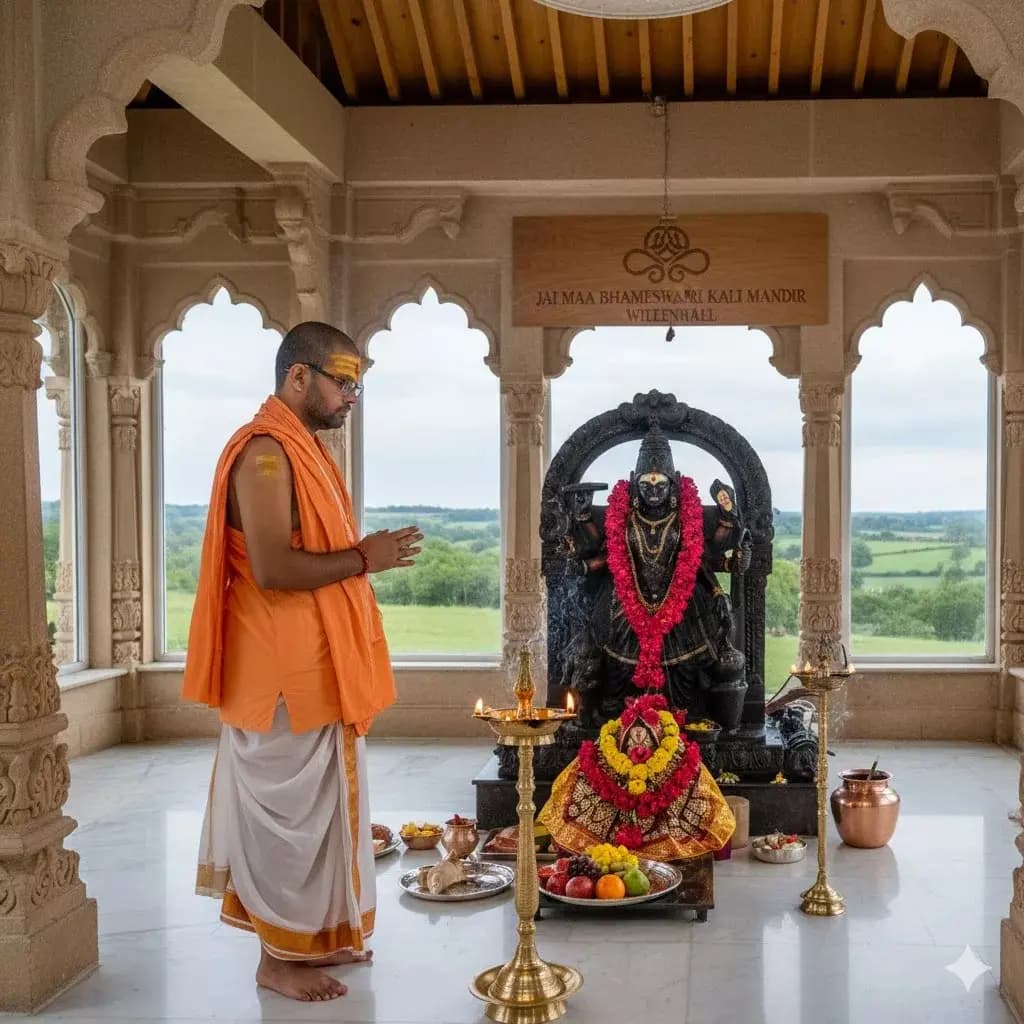
Head Priest — Hindu Society of Calgary, Alberta Canada | 2026 Cycle
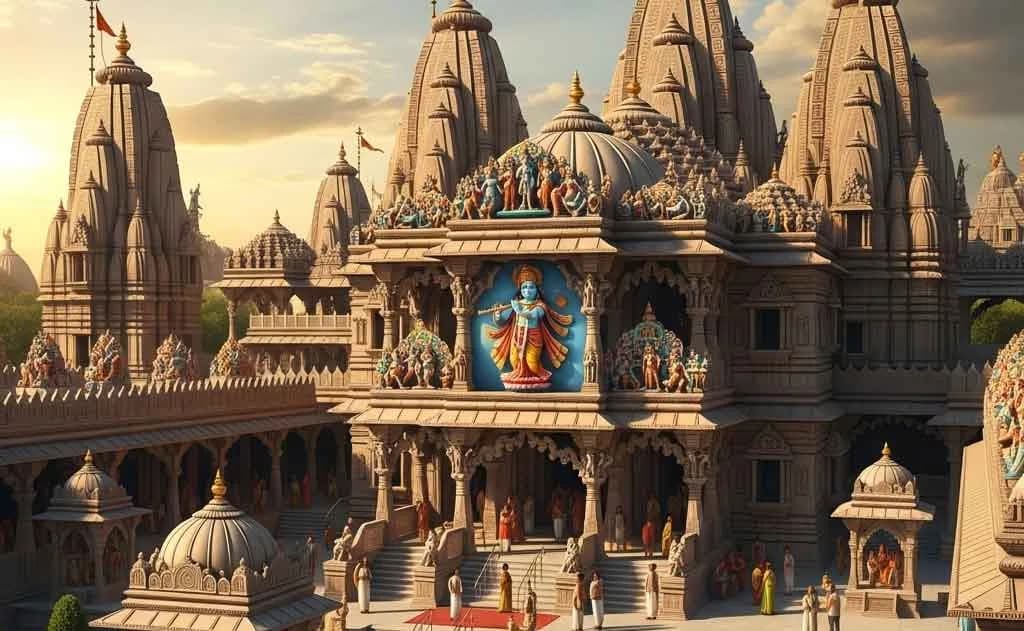
Janmashtami 2026 in India: Date, Rituals & Top Temples to Visit
Hindu Temple Jobs Abroad (June 2026): Worldwide Priest, Pujari, Madapalli & Cook Openings