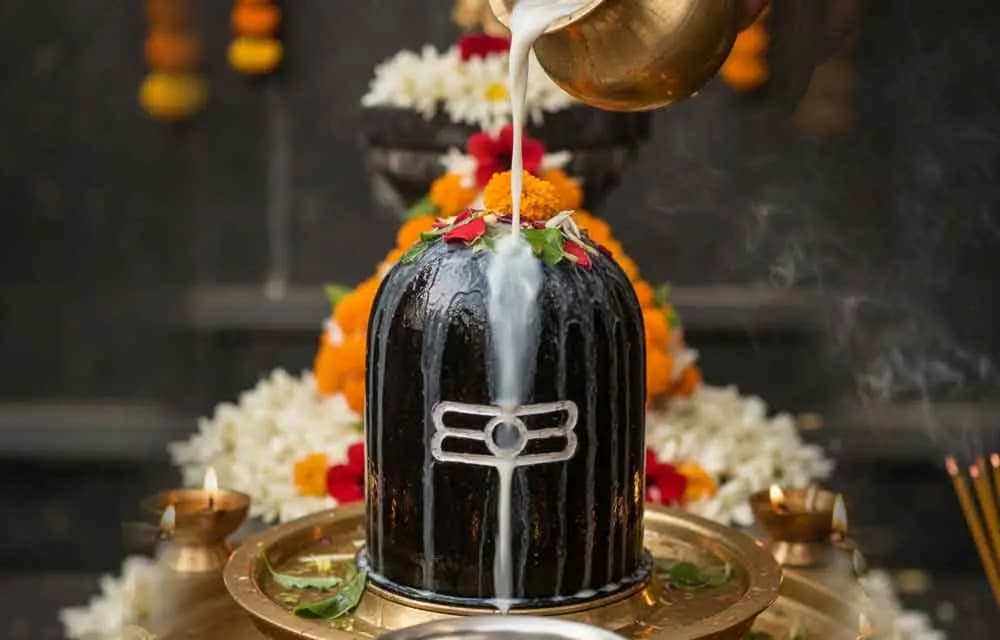
Smaartha Archaka — Hindu Temple & Cultural Center, Bothell Washington | 2026 Cycle
HTCC Bothell (Seattle metro) opens its 2026 cycle for a Smaartha-trained Archaka with cross-tradition skill (Vaishnava, Saiva). Daily nitya pooja, abhishekam, havans, marriages, funerals. R-1 visa, 3-year initial contract.
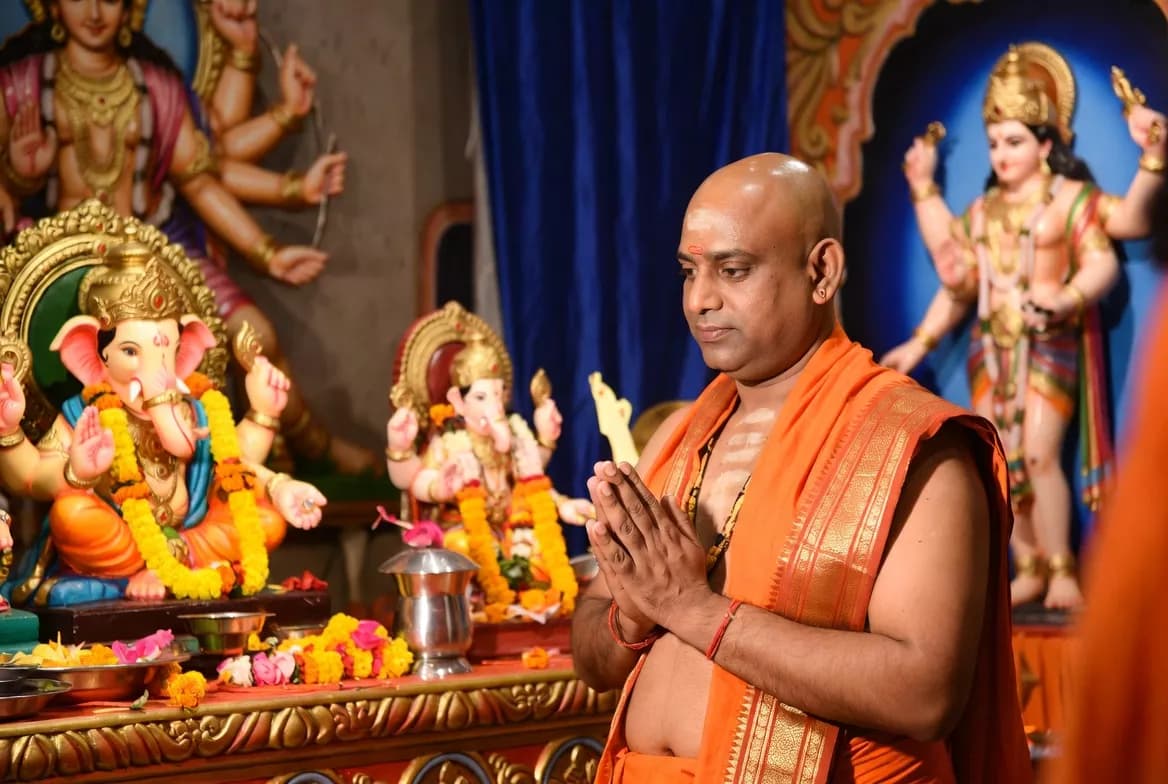
HTCC Bothell (Seattle metro) opens its 2026 cycle for a Smaartha-trained Archaka with cross-tradition skill (Vaishnava, Saiva). Daily nitya pooja, abhishekam, havans, marriages, funerals.
The Hindu Temple and Cultural Center (HTCC) in Bothell, Washington, USA — the largest Hindu temple serving the Greater Seattle area and the Pacific Northwest — has opened its 2026 cycle for a Smaartha-tradition Archaka with cross-tradition flexibility across Vaishnava and Saiva schools. The temple, established in 2000 and substantially expanded in 2018, is the principal Hindu place of worship for the booming Indian-American technology community across King and Snohomish counties — a congregation that includes engineers and their families employed at Microsoft, Amazon, Google, Meta, Tableau, T-Mobile and the wider Seattle-area startup ecosystem.
This 2026 hire complements the existing priest team and is intended to support the temple’s growing weekend ritual schedule and out-of-temple devotee services. Pacific Northwest Hindu families increasingly request priest services for griha pravesh, namakarana, upanayana, sashtipoorthi, sathiabhishekam and various ancestral observances at home, and the Bothell temple is one of the few in the region that fields qualified priests for these visits across King, Snohomish and Pierce counties.
Roles & Daily Schedule
The hired Archaka leads or co-leads the daily nitya pooja schedule — morning suprabhatham at 6:30 AM, individual abhishekam and alankaram for each of the temple’s deities, the daytime mahanaivedhyam, the 6:00 PM evening aarti, and the closing procedures by 9:00 PM. Special poojas regularly performed include Sri Satyanarayana Vrata, Sri Gowri-Ganesha Vrata, Sri Lalitha Sahasranama Parayanam, the Maha Ganapathy Homam, Sri Sudarshana Homam, Navagraha Shanti, Sri Rudra Homam, and the Chandi Homam through Navratri. Festival ownership includes Janmashtami, Ganesh Chaturthi, Navratri (with the Saraswati pooja on the ninth day a major Pacific Northwest event), Diwali Lakshmi pooja and the day-after Govardhan / Annakut, Maha Shivaratri, and the Tamil-flavoured Vinayaka Chaturthi observance.
Eligibility — Smaartha + Cross-Tradition
Required qualifications are three or more years of post-training temple experience under a recognised Smaartha guru, fluency in Sanskrit chanting, working English (essential — most devotee interaction at HTCC is in English), and conversational Hindi. The temple specifically values cross-tradition skill: candidates who can comfortably lead a Vaishnava-style Sri Satyanarayana Vrata one weekend and a Saiva-style Sri Rudra Abhishekam the next are favoured given the breadth of the congregation. Computer literacy — email, calendar, the temple’s booking system — is required for direct devotee bookings.
Brahmin lineage with documented training certificates from a recognised Vedic institution (Sringeri, Kanchi, recognised Smaartha gurukulams in Karnataka, Tamil Nadu or Andhra Pradesh, or equivalent) is expected. Skill in Agama-style alankaram is rated favourably. The role explicitly involves out-of-temple service across Greater Seattle, including drives of 30 to 90 minutes each way for home poojas — a US driver’s licence (or willingness to acquire one within the first year) is preferred.
Salary, R-1 Visa & 3-Year Contract
HTCC offers a commensurate-with-experience compensation package, on-site or temple-adjacent accommodation in Bothell or nearby Mill Creek / Woodinville, full US health insurance for the priest and dependents, and R-1 (Religious Worker) visa sponsorship for the priest, spouse and dependent children. The initial contract is three years, renewable on performance — most successful priests serve at least five to seven years. The temple has historically supported a small number of priests through the EB-4 Special Immigrant pathway towards US permanent residency.
How to Apply — Email & Postal
Applications are accepted at officemanagers@htccwa.org with the subject line “Smaartha Archaka Application — 2026 Cycle”, attaching as a single PDF a CV with prior service history, Vedic certifications, two reference letters, copies of passport and family documents, and short audio samples of one Sri Lalitha Sahasranama parayanam and one abhishekam chant. Postal applications are also accepted at: HTCC, 3818 212th Street SE, Bothell, WA 98021, USA. Shortlisted candidates are interviewed by video, with one in-person interview scheduled if the candidate is already in the United States. The Pacific Northwest is a highly liveable region with mild summers, rainy winters, excellent schools and a deep Indian community fabric — many priests who serve here build long careers in the region.
Day-in-Life at HTCC & the Pacific Northwest
A priest day at HTCC begins early — most priests arrive at the temple by 6:00 AM to begin the day’s suprabhatham preparation, walking through the cold morning air from temple-adjacent housing to the sanctum. Mornings are reserved for the deity-care rituals: bathing, abhishekam, alankaram, and the morning aarti rotation. The mid-morning is split between Sahasranama parayanam, devotee archana bookings (which spike on Tuesdays for Hanuman, Fridays for the Devi, and weekends across the board), and devotee-requested prayer slokas for specific intentions like a college admission, a job interview, or family healing. Afternoons can include out-of-temple home pooja visits, with the priest typically driving 20 to 60 minutes to a member family home in Redmond, Bellevue, Sammamish or Issaquah for a Sri Satyanarayana Vrata or a child-naming. Evenings return to the temple for the 6:00 PM aarti and the closing routines. The Pacific Northwest itself is a gentle climate to relocate to — Seattle’s winters are wet but rarely below freezing, summers are mild, and the deep Indian community fabric across King and Snohomish counties means devotee homes, vegetarian restaurants, Indian groceries, and weekend cultural programming are all close at hand.
Career Growth & Long-Term Outlook
HTCC has a strong alumni network — priests who served here in the 2010s and early 2020s have moved on to senior roles at other major US Hindu temples (Bay Area Shiva-Vishnu, Houston Meenakshi, the Vedic Foundation in Austin, Pittsburgh Sri Venkateswara) and several have transitioned to US permanent residency via the EB-4 Special Immigrant pathway. The typical trajectory is three to five years at HTCC building English fluency, US ritual operational competence and devotee-relationship depth, followed either by a move to a larger temple with senior responsibility, by a return to India to a leadership role at a recognised gurukulam with US service on the CV, or by the EB-4 path towards Green Card status. The Pacific Northwest tech economy also means the priest’s spouse can frequently find professional work in the area, and the children attend strong public schools — both of which materially shift the long-term family decision.
Frequently Asked Questions
Where is Smaartha Archaka located?
The Hindu Temple and Cultural Center (HTCC) in Bothell, Washington — the largest Hindu temple serving the Greater Seattle area and the Pacific Northwest — has opened its 2026 cycle for a Smaartha-tradition Archaka with cross-tradition flexibility across Vaishnava and Saiva schools. The temple, established in 2000 and substantially expanded in 2018, is the pr
Who is the presiding deity of Smaartha Archaka?
The temple's presiding deity and its significance are described in the guide above.
What are the timings and how do I reach Smaartha Archaka?
Temples typically open early morning and evening; confirm current darshan timings before visiting. The nearest airport, railway station and road routes are covered in the guide above.
What is the best time to visit Smaartha Archaka?
Major festival days and the cooler months are popular, though weekday mornings offer a calmer darshan. Plan around the temple's key festivals for the most vibrant experience.
You might also like
Janmashtami 2026 in India: Date, Rituals & Top Temples to Visit
The Resolve of a Monk – A Divine Incident Showcasing Kanchi Paramacharya’s Compassion

ISKCON to Serve Pure Sattvik Mid-Day Meals to School Children in Bengal | Suvendu Adhikari Initiative