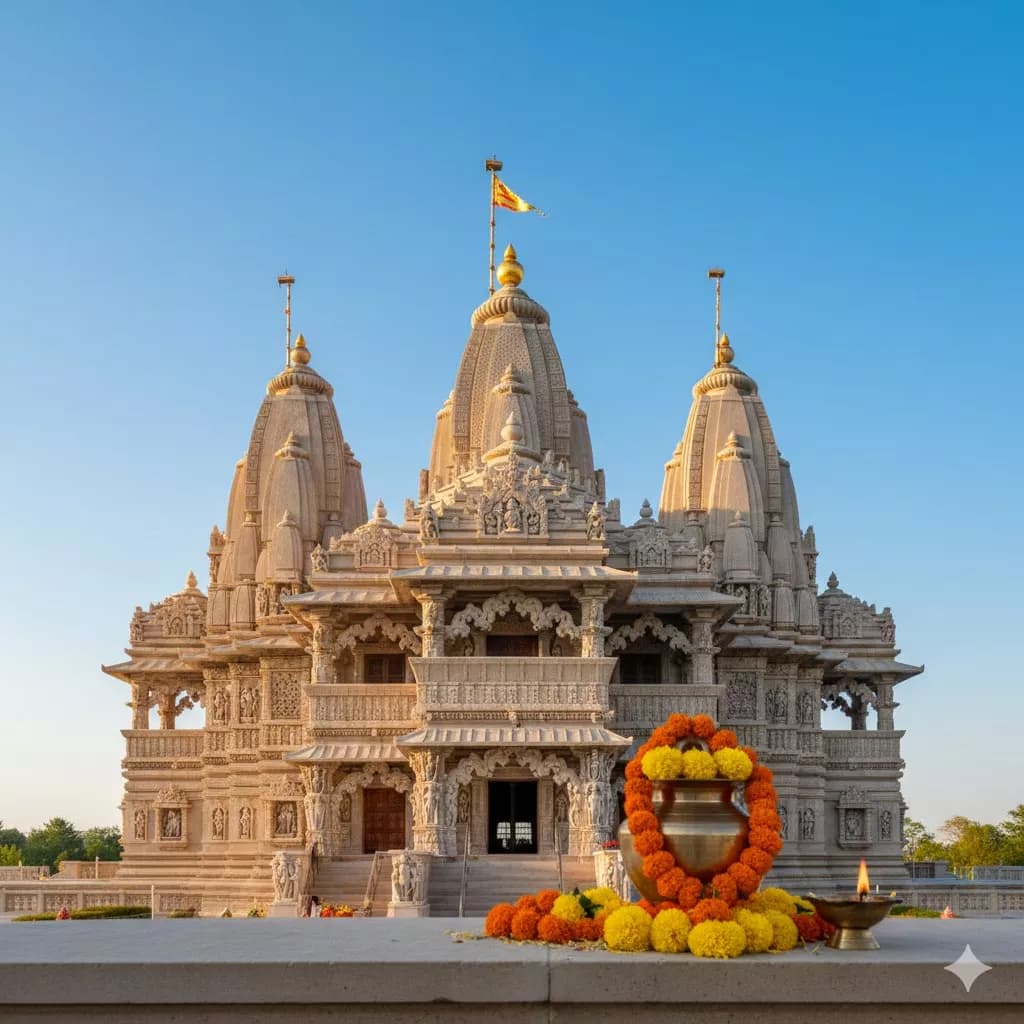
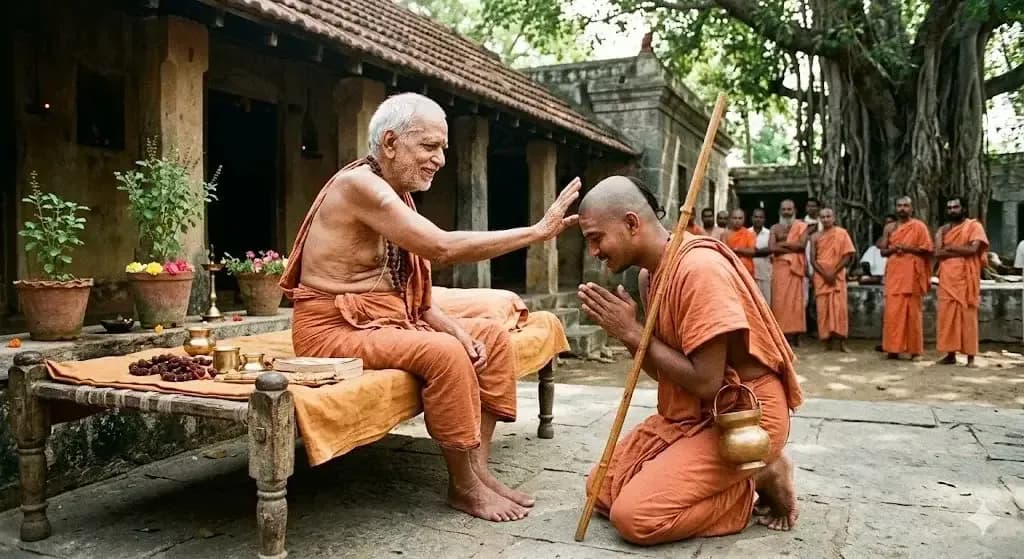
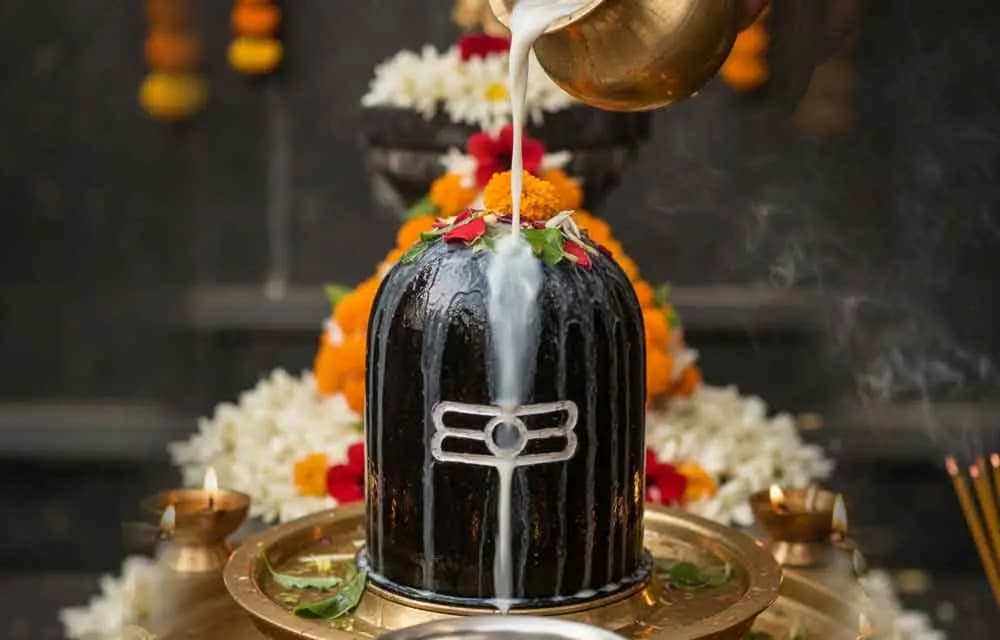
Bharatiya Temple in Troy, Michigan — established 1981 and now serving one of the largest Hindu communities in the US Midwest — has opened its 2026 hiring cycle for a full-time multi-deity Pujari. The Detroit-area temple has more than 4,000 active member families and a sanctum that houses Sri Lakshmi-Narayana, Sri Venkateswara, Lord Shiva (with Parvati and Ganesh), Sri Ganesh in his independent shrine, Sri Durga in her Mahishasuramardini form, and Sri Hanuman. The 2026 hire reports to the senior priest committee and supports daily and special pooja schedules across all of these deities — independently for core daily rituals, in collaboration for the larger festival cycles.

This 2026 listing is a refreshed update on the temple’s standing job description. The role itself has not fundamentally changed — what is new for 2026 is the shifted priority on weekend Vivaha (wedding) bookings (Detroit-area Indian-American weddings have grown sharply post-pandemic), a renewed emphasis on alankaram skill following the 2024 sanctum renovation, and the temple’s decision to sponsor R-1 visas this cycle for candidates with at least three years of demonstrable temple experience and documented Vedic certification.

Daily Pooja Schedule & Festival Calendar

A typical day at Bharatiya Temple Troy starts at 6:30 AM with the suprabhatham, individual abhishekam and alankaram for each of the six main deities, the Sri Sahasranama parayanam at 8:30 AM (Vishnu Sahasranama on Vaishnava days, Lalitha Sahasranama on Friday), the noon mahanaivedhyam, an evening 6:00 PM aarti and the closing procedures by 9:00 PM. The hired priest leads or co-leads each of these depending on day-of-week assignments published by the senior priest committee.

Advertisement

Special poojas the priest is expected to perform include Sri Satyanarayana Vrata (heavy on Friday evenings and full-moon days), Gowri-Ganesha Vrata in early monsoon, Durga Saptashati Parayanam through Navratri, and Mata-ki-Chowki style devotional gatherings popular with the temple’s North Indian membership. Havans regularly performed are Maha Ganapathy Homam, Sudarshana Homam, Navagraha Shanti Homam, Sri Rudra Homam, Chandi Homam (Chandi Path), and Mrityunjaya Homam. The Akhand Ramayan (continuous nine-day recitation) and the monthly Sundarkand are anchored by the temple priests with a rotating set of lay reciters.

Eligibility, Tradition & Documentation

The temple accepts applicants from the Smaartha, Vaikhanasa-Vaishnava and Saiva traditions, given its multi-deity sanctum. Required: documented Vedic education at a recognised institution (TTD Dharmagiri Veda Vidyapeeth, Sri Venkateswara Vedic University, recognised gurukulams in Tamil Nadu, Andhra Pradesh, Karnataka or Maharashtra); fluency in Sanskrit chanting; working English (essential — the temple’s congregation includes a meaningful second-generation US-born membership and most devotee interactions are in English); willingness to lead Brahmin samskaras through Shodasha Karmas; and the ethical conduct expected of a serving Pujari.

Skill in deity alankaram is a strongly preferred capability for this 2026 hire, given the post-renovation emphasis on visual presentation. Prior temple experience of three or more years is required for visa sponsorship; freshers from gurukulams without service history are typically not considered for this specific opening, though the temple does run a separate junior-priest training programme for candidates referred by senior priests already on staff.

Salary, R-1 Visa & Family Support

The advertised compensation band is USD 48,000 to 98,000 per annum, with the median offered for incoming priests with three to five years of post-training service typically around USD 63,000. The package includes US health insurance for the priest and dependents, on-site or temple-adjacent housing assistance, and full R-1 (Religious Worker) visa sponsorship for the priest, spouse and dependent children under the age of 21. The R-1 is initially issued for 30 months and is extendable for a further 30 months, after which eligible candidates can transition to the EB-4 Special Immigrant pathway towards US permanent residency — the temple has supported this transition for several priests over its operating history.

How to Apply — Email & Documents

Applications are accepted by email at resumesgroup@troy-temple.org with the subject line “Full-time Hindu Priest Application — 2026 Cycle”. Attach as a single PDF: a one-page CV listing prior temple service, Vedic certifications and references; recommendation letters from at least two senior priests under whom you have served; copies of passport, education and family documents; and short audio or video samples (under 90 seconds each) of you performing one Sri Sahasranama parayanam and one abhishekam chant. The temple may invite shortlisted candidates for a video interview that includes a live ritual demonstration. Updates and the full job description are mirrored at bharatiya-temple.org/jobs.

Advertisement

Day-in-Life & Adapting to American Devotee Expectations

New priests relocating to Troy from India consistently note three adjustment points in their first six months. The first is timekeeping — American devotees expect rituals to start on the published time and to finish on a predictable schedule, which is genuinely different from the more elastic temple culture in many parts of India. Building the discipline of a precise minute-by-minute pooja schedule, with crisp transitions between abhishekam, alankaram and naivedhyam, is the single most important operational change. The second is explanation — Indian-American devotees, especially the second-generation US-born members, want to understand the meaning of the rituals they are participating in, not just observe them. The temple expects priests to explain the significance of each shloka, each stage of the abhishekam, and each samskara in clear English at appropriate points during the ritual. Priests who can do this build deeply loyal devotee relationships. The third is the Michigan winter — Troy can hit minus 20 Celsius in January and February, and priests from southern India typically need their first full winter to acclimatise to layered Western dress, indoor heating, and the long, dark days. The temple’s housing assistance and community network make this manageable, but it is a real adjustment.

Career Growth & Long-Term Outlook

Bharatiya Temple Troy is a serious institution with a multi-decade history, and priests who serve here for the full R-1 + extension period typically have one of three trajectories. The first is internal promotion to senior priest at Bharatiya Temple itself, with broader responsibility for mentoring junior arrivals. The second is lateral movement to another major US Hindu temple — Pittsburgh Sri Venkateswara, Houston Meenakshi, Bay Area Shiva-Vishnu, BAPS Akshardham New Jersey, or a comparable institution — where two to three years of clean US service is the foundational credential that makes the move possible. The third is the EB-4 Special Immigrant pathway towards US permanent residency, which the temple has supported for several priests across its history. Each track has merit; what matters most is using the first two years to build deep operational competence at Troy, language fluency in English, and a network of relationships across the wider US Hindu temple ecosystem.