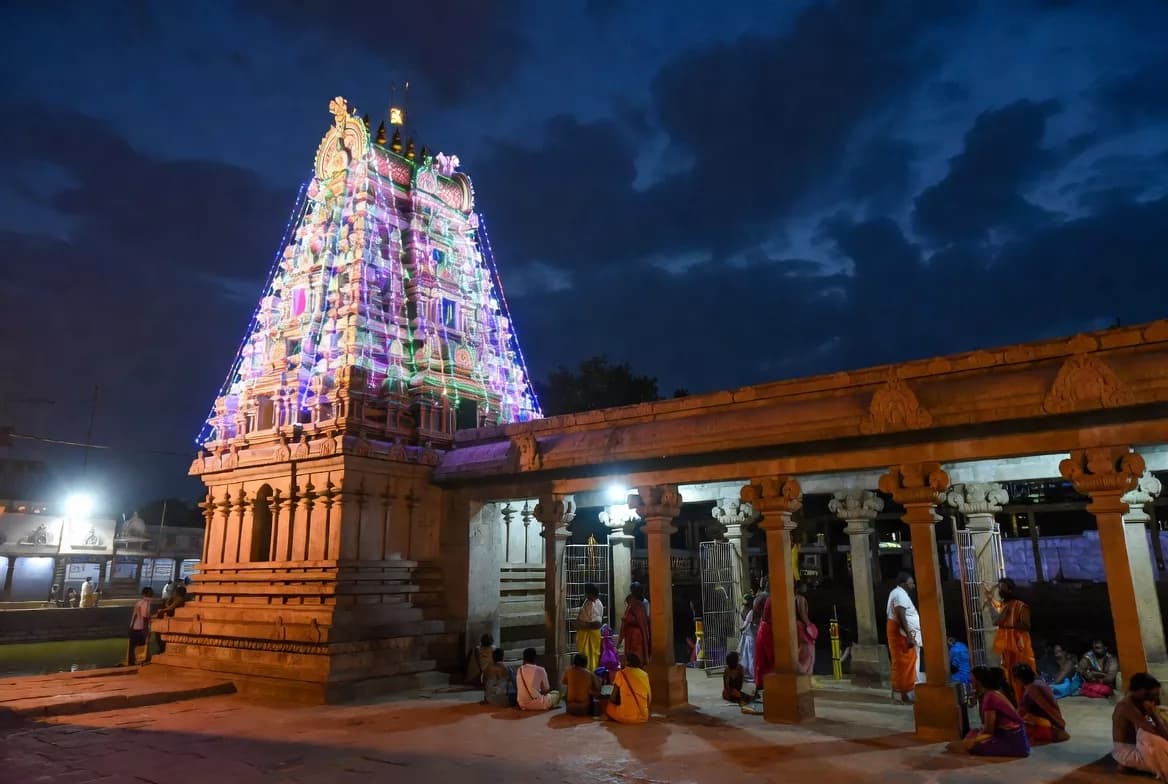
Hindu Priest (Sanatan Dharma) — South Florida Hindu Temple SFHT, USA | 2026
SFHT (South Florida Hindu Temple) opens its 2026 cycle for a full-time Hindu Priest under Sanatan Dharma. Daily and special rituals across Lakshmi-Narayana, Shiva, Hanuman, Durga; warm Florida climate; R-1 visa sponsorship.
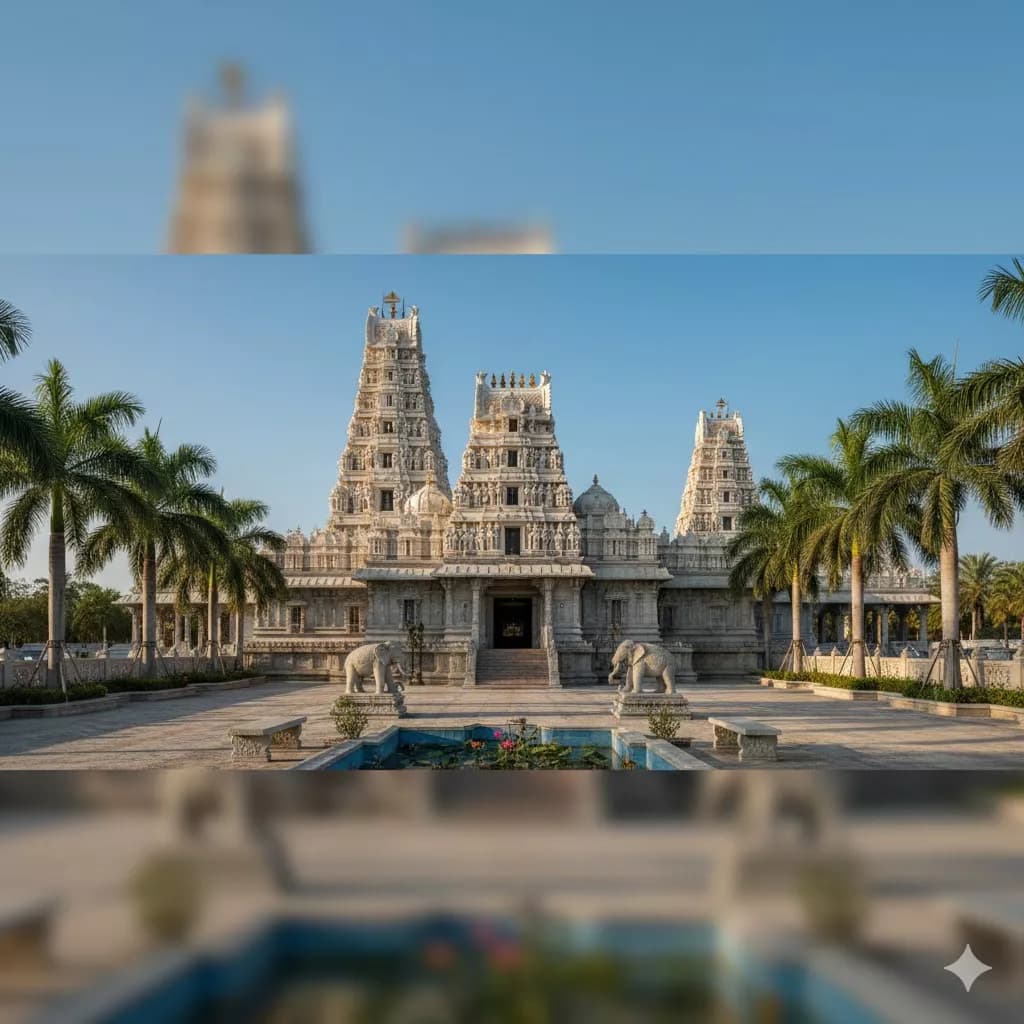
SFHT (South Florida Hindu Temple) opens its 2026 cycle for a full-time Hindu Priest under Sanatan Dharma. Daily and special rituals across Lakshmi-Narayana, Shiva, Hanuman, Durga; warm Florida climate; R-1 visa sponsorship.
Hindu Priest vacancy in Miami, USA — this 2026 hiring cycle is open at South Florida Hindu Temple (SFHT) in Pompano Beach near the Miami / Fort Lauderdale / West Palm Beach metropolitan corridor. The South Florida Hindu Temple (SFHT) in Pompano Beach — a major Sanatan Dharma temple serving the booming Indian-American and Indo-Caribbean Hindu community of the Miami / Fort Lauderdale / West Palm Beach metropolitan corridor — has opened its 2026 cycle for a full-time Hindu Priest. The temple, established in the late 1980s and significantly expanded in the 2010s, is one of the few Sanatan Dharma temples in the United States that genuinely serves both the post-1990s Indian engineering migration and the older Indo-Caribbean Hindu communities of Trinidad, Guyana and Suriname who began migrating to South Florida in the 1970s and 1980s.
This 2026 listing reflects the temple’s ongoing search for a priest who can serve both communities with equal facility — meaning fluency in Sanskrit chanting and the standard pan-Hindu Sanatan Dharma liturgy, but also sensitivity to the slightly different ritual emphases that the Indo-Caribbean Hindu congregation brings (the Sant tradition, Ramayan-centric devotional practice, Mata-ki-Chowki devotional gatherings, and the older British-Indian indenture-era Hindi-Bhojpuri ritual vocabulary). Priests with experience in both India-born and Caribbean-Hindu congregations are at a distinct advantage in this role.
Daily Schedule & Sanatan Dharma Rituals
The temple’s daily schedule begins with the suprabhatham at 6:30 AM, individual abhishekam and alankaram for the Lakshmi-Narayana, Shiva-Parvati, Hanuman, Durga and Ganesh shrines, the Vishnu Sahasranama parayanam at 8:30 AM, the noon mahanaivedhyam, an evening 6:30 PM aarti, and a 9:00 PM closing. Special poojas regularly performed include Sri Satyanarayana Vrata (extremely popular with the Indo-Caribbean congregation, almost weekly), the Maha Ganapathy Homam, the Mata-ki-Chowki devotional evening, and the Akhand Ramayan and Sundarkand recitations. Festival ownership across Janmashtami, Ganesh Chaturthi, Navratri, Diwali, Holi, Maha Shivaratri and Hanuman Jayanti.
Eligibility & Tradition
Required: documented Vedic education at a recognised institution; fluency in Sanskrit chanting; working English (essential — the SFHT congregation is overwhelmingly English-speaking, with Hindi and Bhojpuri as second languages); willingness to lead the full set of Brahmin samskaras across Shodasha Karmas; and a minimum of three years of post-training service. Brahmin lineage with documented training is expected. Skill in alankaram and bhajan leadership are rated favourably given the strongly devotional culture of the Indo-Caribbean community at SFHT.
Salary, R-1 Visa & Florida Climate
SFHT offers a commensurate-with-experience compensation package with healthcare, housing assistance, and R-1 (Religious Worker) visa sponsorship for the priest, spouse and dependent children. The R-1 is initially issued for 30 months, extendable for a further 30 months, with EB-4 Special Immigrant pathway available for permanent residency over a longer horizon. Florida’s warm, sub-tropical climate is genuinely friendly to priests relocating from southern India — the Pompano Beach area runs warmer than mid-Atlantic and northern US locations, with no snow and minimal seasonal change, which many priests find easier to adapt to than the colder Midwest or Pacific Northwest.
How to Apply — SFHT Application Form
Applications are submitted through the temple’s online form at sfht.org/pages/working-at-sfht — the temple does not list a specific recruiter email for this role; selected candidates are contacted by the temple’s management committee following form submission. Attach in the form: a CV with prior temple service history, Vedic certifications, references from senior priests, copies of passport and family documents, and short audio samples of one Sri Vishnu Sahasranama parayanam and one Sri Satyanarayana katha. Shortlisted candidates are interviewed by video, with the final round conducted in-person at the priest’s current temple in India.
Day-in-Life at SFHT & Indo-Caribbean Cultural Notes
A typical day at SFHT looks similar to most US Sanatan Dharma temples in its core daily structure, but the cultural texture is distinctive. The morning suprabhatham draws a small daily attendance of mostly retired Indo-Caribbean members who walk to the temple from the surrounding South Florida neighbourhoods. Mid-morning fills with bookings for Sri Satyanarayana Vrata — these are extremely common in the Indo-Caribbean tradition, often performed every full-moon day by the same families across generations, and the priest is expected to be conversant with the Bhojpuri-inflected ritual variants alongside the standard Sanskrit liturgy. Afternoons frequently involve out-of-temple home pooja visits across Pompano Beach, Coral Springs, Plantation, Davie and the Boca Raton corridor. Sunday is the heaviest temple day, with multiple back-to-back archana bookings, an extended noon pooja with community lunch, and the popular Sunday-evening Hanuman Chalisa session that draws several hundred devotees.
Career Growth & Why Florida
Florida is, for a relocating Hindu priest from southern India, one of the most weather-friendly destinations in the United States. The sub-tropical climate means no winter clothing transition, no snow, and a daylight pattern broadly similar to coastal India year-round. The state’s lack of personal income tax modestly improves take-home, and the cost of living in the Pompano Beach / Fort Lauderdale corridor is meaningfully lower than the Northeast or California. Priests who serve the full R-1 + extension period at SFHT typically transition to senior priest roles at SFHT itself, lateral roles at other Florida temples (Hindu Temple of Florida in Tampa, Shiva Vishnu Temple of South Florida in Davie), or progress towards US permanent residency via the EB-4 Special Immigrant pathway. The Indo-Caribbean community is famously welcoming to incoming priests and provides a strong informal support network through the priest’s first year of adjustment.
Frequently Asked Questions
Where is Hindu Priest (Sanatan Dharma) located?
The South Florida Hindu Temple (SFHT) in Pompano Beach — a major Sanatan Dharma temple serving the booming Indian-American and Indo-Caribbean Hindu community of the Miami / Fort Lauderdale / West Palm Beach metropolitan corridor — has opened its 2026 cycle for a full-time Hindu Priest. The temple, established in the late 1980s and significantly expanded in t
Who is the presiding deity of Hindu Priest (Sanatan Dharma)?
The temple's presiding deity and its significance are described in the guide above.
What are the timings and how do I reach Hindu Priest (Sanatan Dharma)?
Temples typically open early morning and evening; confirm current darshan timings before visiting. The nearest airport, railway station and road routes are covered in the guide above.
What is the best time to visit Hindu Priest (Sanatan Dharma)?
Major festival days and the cooler months are popular, though weekday mornings offer a calmer darshan. Plan around the temple's key festivals for the most vibrant experience.
You might also like
Head Priest — Hindu Society of Calgary, Alberta Canada | 2026 Cycle
Smaartha Archaka — Hindu Temple & Cultural Center, Bothell Washington | 2026 Cycle
Hindu Priest / Pandit Job — BAPS Hindu Mandir, Abu Dhabi UAE | Tax-Free Salary 2026