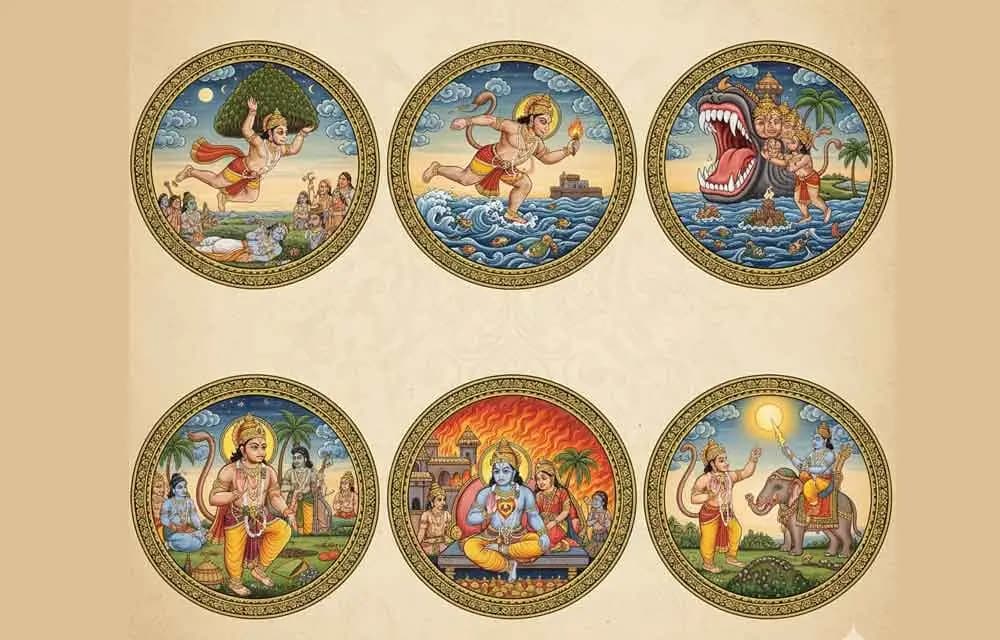
Sita Navami 2026: Date, Muhurat, Puja Vidhi, Story of Mata Sita & Complete Vrat Guide
Sita Navami 2026 — also called Janaki Navami — falls today, Tuesday 5 May 2026, on Vaishakha Shukla Navami. This is the divine appearance day of Sita Devi from the earth at Mithila. Complete guide: 2026 tithi and muhurat, full mythological story, step-by-step puja vidhi, Sita Ashtottara Shata Namavali, vrat for married and unmarried women, simple home recipes, regional variations across Mithila, Ayodhya, Sri Lanka, and 12 FAQs for Hindu families worldwide.
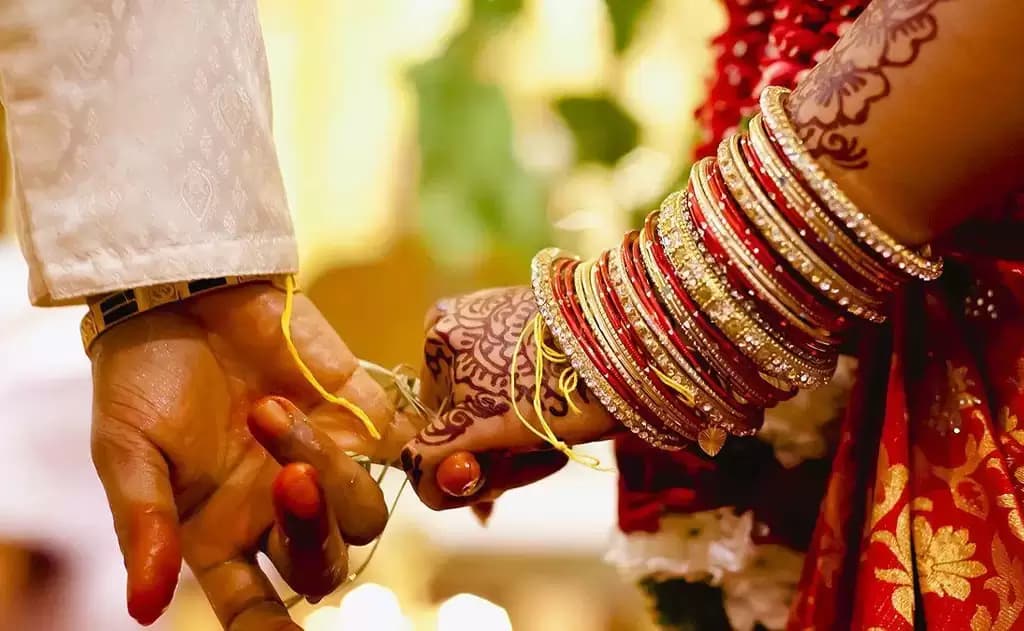
Sita Navami 2026 — also called Janaki Navami — falls today, Tuesday 5 May 2026, on Vaishakha Shukla Navami. This is the divine appearance day of Sita Devi from the earth at Mithila.
“Janaka-Raja-Sutaaye Vidmahe, Bhumijaayai Dhimahi, Tanno Sita Prachodayat.” — Sita Gayatri — the eternal salutation to the daughter of King Janaka, born of the earth, embodied dharma.
Sita Navami 2026 — date, tithi and why today matters
Sita Navami 2026 — also lovingly called Janaki Navami — falls today, Tuesday, 5 May 2026, on Vaishakha Shukla Navami. This is the divine appearance day of Sita Devi, the eternal consort of Sri Rama, who emerged from the earth as King Janaka’s plough furrowed the field of Mithila. For Hindus across India, Nepal and the global diaspora, this is one of the most spiritually intimate days of the Vaishakha month — a celebration of dharma, devotion, marital harmony and feminine strength.
Tithi window for 2026: Navami begins on the evening of Monday 4 May 2026 and ends on the evening of Tuesday 5 May 2026. The full puja, vrat, parana and katha all attach to today’s sunrise — observe Sita Navami from morning through evening on 5 May.
Madhyahna kala (most auspicious puja window): approximately 11:30 AM – 12:45 PM local time across India. NRI families in the USA, UK, Canada, Australia and UAE should observe within their own local Madhyahna window — see our Hindu Festivals Calendar 2026 — NRI Diaspora Edition and Hindu Festivals in May & June 2026 — Vaishakha–Jyeshtha Guide for the wider Vaishakha context.
The divine story — how Mata Sita appeared from the earth
King Janaka of Mithila, a great rishi-king of the Suryavanshi-Videha line, was a renowned philosopher and devotee of Lord Vishnu. The kingdom of Mithila was suffering a long, severe famine. The royal priests advised the king to perform a special yagna and to plough the sacred earth with his own hands as a gesture of humility before Goddess Bhudevi.
On a beautiful morning of Vaishakha Shukla Navami, King Janaka set forth into the field of Sita-Mandapam near present-day Sitamarhi (Bihar) and Janakpur (Nepal). As his golden plough cut into the soft earth, suddenly the tip caught against something. The king bent down — and there, cradled in the furrow, lay a luminous infant girl, radiant as the morning sun, smiling as if she had always been there. The drought broke that very day. The infant was Sita Devi — born of Mother Earth herself, named "Sita" because the word literally means "the furrow" in Sanskrit.
Janaka and his queen Sunaina raised her with infinite love. As she grew, she became the embodiment of every dharmic virtue — patience, courage, wisdom, devotion, compassion, modesty and an inner strength that surprised even the rishis. Her swayamvara, in which Sri Rama lifted and broke Lord Shiva’s Pinaka bow, sealed the cosmic marriage that the entire Ramayana would unfold from. To dive deeper into the full Rama story, read our complete spiritual biography of Lord Rama and the chapter-by-chapter Valmiki Ramayana.
Why Sita Navami is profoundly important in Sanatana Dharma
Bhudevi avatara: Sita is the direct manifestation of Bhudevi, the earth-goddess herself — she is Lakshmi-incarnate alongside Sri Rama, the Vishnu-incarnate.
Adarsha pativrata: the supreme model of married devotion. Vat Savitri, Karva Chauth, Teej and every Hindu vrat for marital harmony invoke Sita Devi.
Stree-shakti: she is also the supreme model of feminine strength — refusing the demon-king Ravana, surviving Lanka without compromising dharma, and finally returning to her mother (the earth) on her own terms.
Karma yogi: every act of Sita Devi was a model of selfless service, from cooking for sages in Panchavati to consoling the rakshasa-women of Lanka with kindness.
Bhakti exemplar: her unwavering devotion to Sri Rama is the supreme illustration of Madhura Bhakti — the highest of the nine forms of bhakti.
AdvertisementEarth Mother: Sita is the personification of the earth's patience, fertility and generosity — every farmer in India bows to Sita-Bhudevi at the start of each ploughing season.
Step-by-step Sita Navami puja vidhi for home
Morning preparation
Rise early, take a head bath. Wear traditional or clean attire — yellow, red, gold or white are preferred for Sita Devi.
Clean the home altar, spread a fresh yellow or red cloth.
Place the image of Sri Sita-Rama: Sri Rama in centre, Sita Devi to his left (your right). Lakshmana to Rama's right; Hanuman ji at the feet.
Decorate with: fresh red and yellow flowers (marigold, rose, lotus where available), sandalwood paste tilak, a small kalash with mango leaves and a coconut.
Light a single ghee diya to begin the puja.
Advertisement
Sankalpa (resolution)
"On this Vaishakha Shukla Navami of Vikram Samvat 2083 / 2026 CE, in [city], I and my family observe Sita Navami for marital harmony, family welfare, dharmic clarity, and the blessings of Sri Sita-Rama."
Shodashopachara (16 offerings)
Padya: water for the feet of the Lord and Devi.
Arghya: water for the hands.
Achamana: water for sipping (purification).
Snana: symbolic abhishek with milk, curd, ghee, honey, sugar (panchamrit).
Vastra: a small piece of yellow or red cloth.
Yajnopaveet: sacred thread for Sri Rama.
AdvertisementGandha: sandalwood paste tilak.
Pushpa: fresh flowers, especially red and yellow.
Dhupa: incense.
Deepa: ghee diya.
Naivedya: kheer, halwa, fresh fruits, panchamrit, jaggery and dry fruits.
Tambula: betel leaves and supari.
Dakshina: a coin or a small dakshina envelope.
AdvertisementMantrapushpa: a final flower offering with the chosen mantra.
Pradakshina: three circumambulations of the altar.
Namaskara: full prostration.
Mantra recitation (108 each)
Sita Mantra: Om Sri Sitayai Namah.
Sita Gayatri: Om Janaka-Raja-Sutaaye Vidmahe, Bhumijaayai Dhimahi, Tanno Sita Prachodayat.
Rama-Sita combined: Sri Rama Jaya Rama Jaya Jaya Rama (the Tarak mantra).
Optional: Sita Ashtottara Shata Namavali — 108 names of Sita Devi.
Aarti and concluding rituals
Sing the Sita-Rama aarti: "Aarti Kije Hanuman Lala Ki" or the classical "Sri Janaki Vallabho Vijayate".
Recite the Sundarkand: on Sita Navami the Sundarkand of the Ramcharitmanas is especially auspicious.
Apply tilak to family members and offer prasad.
Donate: feed cows, birds, or contribute to a community kitchen — Sita Devi blesses every act of service.
The Sita Navami vrat — for married and unmarried women
For married women
A traditional one-day fast is observed for the long life and welfare of the husband and the family. The fast can be:
Nirjala (waterless): the strictest form, only for those in good health.
Phalahara: fruits, milk, dry fruits, sabudana, no grains, no salt other than sendha namak.
Eka-bhukta: a single satvik meal at noon, no second meal until next morning.
Modern: avoid grains until evening puja, then break fast with prasad.
For unmarried women
Sita Devi is invoked for finding a Sri Rama-like husband — dharmic, loyal, kind. The vrat is a phalahara fast with daily recitation of the Sundarkand for 11 weeks beginning on Sita Navami.
For men, children and the family
Men and children traditionally do not fast but participate in the puja and prasad. The whole family typically eats together after the evening Sita-Rama aarti.
Simple home recipes for the Sita Navami vrat
Sabudana khichdi: overnight-soaked sabudana, peanut, cumin, ghee, sendha namak.
Banana sheera: mashed banana, ghee, semolina substitute (singhara atta), sugar.
Sweet potato chaat: boiled sweet potato, lemon, sendha namak, fresh coriander.
Kuttu paratha with raita: kuttu (buckwheat) atta paratha with sendha namak; cucumber raita.
Sama rice kheer: sama rice, milk, sugar, cardamom, raisins.
Phalahari thali: apple, papaya, banana, pomegranate, dates, almonds — a simple fruit plate as the eka-bhukta meal.
Singhara halwa: singhara flour, ghee, sugar, cardamom, ground almonds.
Coconut chutney: with sendha namak instead of regular salt — accompaniment to vrat-snacks.
Powerful Sita mantras and stotras
1. Om Sri Sitayai Namah — primary daily mantra (108 daily for 11 weeks).
2. Sita Gayatri — Om Janaka-Raja-Sutaaye Vidmahe, Bhumijaayai Dhimahi, Tanno Sita Prachodayat.
3. Sita-Ram Tarak Mantra: Sri Rama Jaya Rama Jaya Jaya Rama (chant continuously while doing chores).
4. Sita Ashtottara — 108 Names of Sita Devi (allow 9 minutes).
5. Hanuman-Sita Smaran: Hanuman ji is the eternal sevak of Sita Devi — recite the Hanuman Chalisa benefits & 30-day NRI practice as a paired devotion.
6. Sundarkand — the chapter of the Ramcharitmanas where Hanuman finds Sita in Lanka. Powerful for marital reunion, removal of separations, and crisis relief.
7. Bhagavad Gita 12.13–14 (the qualities of a true devotee — Sita embodies them all).
Regional traditions across India and the diaspora
Mithila / Bihar / Sitamarhi: the heartland of Sita Navami. Janakpur (Nepal) and Sitamarhi (Bihar) hold massive processions; the Janaki Mandir at Janakpur is the spiritual epicentre.
Ayodhya / UP: Sri Rama Janmabhoomi temple, Kanak Bhavan and Sita Rasoi mandirs hold special abhishekam and bhajans.
South India: Bhadrachalam (Telangana), Hampi, Chitrakoot, Rameshwaram all hold Sita Navami programs. Ramanathaswamy Temple at Rameshwaram is associated with Sri Rama's reunion with Sita.
Sri Lanka: Ashok Vatika in Nuwara Eliya — the place where Sita was held captive — hosts an annual Sita Navami pilgrimage.
USA / UK / Canada / Australia / UAE: Sita-Rama temples (BAPS, Sri Venkateswara, Hindu Sabha Mandir, Neasden, Helensburgh, BAPS Abu Dhabi) hold special Sundarkand paath and Sita Navami abhishekam — call your local temple for the schedule.
Benefits of observing Sita Navami
Marital harmony — the supreme blessing of Sita Devi for husband-wife understanding.
Long life of the husband — the classical pativrata vrat outcome.
Removal of marital obstacles — for unmarried women seeking a dharmic life partner.
Family welfare — health, prosperity, harmony among siblings, children's well-being.
Inner strength — Sita's legendary patience and dharmic backbone become the devotee's own.
Bhumi blessings — agricultural prosperity, real-estate good fortune, soil fertility (literal and metaphoric).
Liberation — Sita-Ram smaran is one of the highest paths to moksha in the bhakti tradition.
Frequently asked questions about Sita Navami 2026
When exactly is Sita Navami 2026?
Tuesday, 5 May 2026 — Vaishakha Shukla Navami. The tithi window covers the daylight hours of 5 May 2026.
Is Sita Navami the same as Janaki Navami?
Yes — both names refer to the same festival, the appearance day of Sita Devi at Mithila. "Janaki" means daughter of Janaka.
What is the most auspicious time to do the puja?
Madhyahna Kala — approximately 11:30 AM – 12:45 PM local time. NRIs should observe in their own city's Madhyahna window.
Can unmarried women observe the Sita Navami vrat?
Yes — and it is especially recommended for those seeking a dharmic life partner. The traditional sankalpa is "may I find a Sri Rama-like husband, and may my future home be blessed with the qualities of Sita Devi."
Can men do the Sita Navami puja?
Absolutely — Sita Navami is a family festival. Men typically don't fast but actively participate in the puja, the Sundarkand recitation, and the family meal.
What food is allowed during the vrat?
Phalahara — fruits, milk, paneer, sabudana, sama rice, kuttu, rajgira, singhara, sweet potato, peanuts, makhana, dry fruits, ghee and rock salt (sendha namak). Avoid grains, meat, eggs, onion, garlic.
Why does Sita Navami fall on Vaishakha Navami?
Because that is the precise tithi on which Mata Sita emerged from the earth at Mithila — recorded in the Adhyatma Ramayana, Padma Purana and continuous Mithila tradition.
Should NRIs in the USA observe today (5 May)?
Yes — Vaishakha Shukla Navami covers all daylight hours of 5 May 2026 across all US time zones. Observe per your local sunrise.
What gifts can I give family on Sita Navami?
A Ramcharitmanas, a small Sita-Rama murti, a yellow or red saree (for women), bangles, books on Sita Devi, or a contribution in the recipient's name to a Sita-Rama temple.
Is there a vrat katha?
Yes — the Sita Navami Vrat Katha narrates Sita's appearance, marriage, exile, ordeal in Lanka, and her final return to her mother (the earth). It is read aloud during the evening puja.
What if I missed the morning puja?
No problem — the entire daylight period of 5 May 2026 is auspicious. Do the evening Sundarkand paath and the family aarti instead.
Can I sponsor an online Sita-Rama puja in India?
Yes — Janaki Mandir (Janakpur), Sita Mandir (Sitamarhi), Bhadrachalam, Sri Rama Janmabhoomi (Ayodhya), and major BAPS / Tirumala / SVT temples all accept online sankalpa booking.
Closing — the daughter of the earth blesses every household
Sita Navami is the festival in which we acknowledge that everything we receive — food, shelter, spouse, child, dharma — comes from the patience and generosity of Mother Earth herself. Sita Devi appeared in a furrow, and every furrow ploughed across India for five thousand years has carried her memory. Today, light a single diya, recite Om Sri Sitayai Namah, read the Sundarkand, and bow once to the soil beneath your feet. The eternal mother is listening.
Janaki Vallabho Vijayate. Jai Sita Mata. Jai Sri Rama.
Subscribe to HinduTone for monthly NRI festival guides written specifically for the global Hindu diaspora.
You might also like
Lord Rama: The Ideal Man, King & Avatar — Complete Spiritual Biography
Valmiki Ramayana: The Complete Story of Lord Rama — Chapter by Chapter | HinduTone
Hindu Festivals in May & June 2026: Ganga Saptami, Sita Navami, Buddha Purnima, Ganga Dussehra, Nirjala Ekadashi — Complete Vaishakha–Jyeshtha Guide