Sakkarai Pongal Recipe: A Sweet Celebration of Harvest
Ingredients (Serves 4) 1/2 cup raw rice 3 tbsp split yellow moong dal (optional, but adds a rich flavor) 3/4 cup grated jaggery (adjust to taste) 2 1/2 cups…
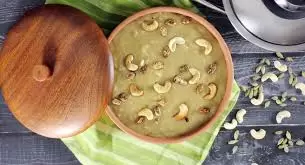
Ingredients (Serves 4)
1/2 cup raw rice 3 tbsp split yellow moong dal (optional, but adds a rich flavor) 3/4 cup grated jaggery (adjust to taste) 2 1/2 cups water (for cooking rice and dal) 1/4 cup ghee 8-10 cashews 8-10 raisins 1/4 tsp cardamom powder 1 pinch of edible camphor (optional, for traditional flavor) 1/4 tsp grated nutmeg (optional) 1 1/2 cups milk (for extra creaminess)
Instructions
Step 1: Rinse and Cook Rice and Dal
Wash the rice and moong dal together in water until the water runs clear. In a heavy-bottomed pot or pressure cooker, add the rice, moong dal, and 2 1/2 cups of water. Cook until the rice and dal are soft and mushy. If using a pressure cooker, cook on medium heat for about 3-4 whistles. Once done, mash the cooked rice and dal mixture slightly to get a creamy texture.
Step 2: Prepare Jaggery Syrup
In a separate small pot, add 1/2 cup of water and grated jaggery. Heat on low until the jaggery dissolves completely, forming a syrup. Strain if there are impurities. Add this jaggery syrup to the cooked rice and dal mixture.
Step 3: Add Ghee, Milk, and Spices
Pour in the milk for extra richness and mix well. Let the mixture simmer on low heat. Add 2-3 tablespoons of ghee to the simmering mixture, stirring continuously to prevent sticking. Add cardamom powder, edible camphor (if using), and nutmeg for flavor. Mix well.
Step 4: Fry Cashews and Raisins
In a separate small pan, heat the remaining ghee. Fry the cashews until they are golden brown. Remove and set aside. Fry the raisins in the same ghee until they puff up.
Step 5: Combine and Garnish
Add the fried cashews and raisins along with the ghee to the Pongal mixture. Mix everything well, cooking for another 5-7 minutes on low heat until the Sakkarai Pongal reaches a slightly thick and creamy consistency.
Serving Suggestions
Serve the Sakkarai Pongal warm as an offering (prasadam) to the deities, then share it with family and friends. It pairs wonderfully with savory dishes like Ven Pongal or can be enjoyed on its own.
Tips for Perfect Sakkarai Pongal
Quality of Jaggery: Use fresh, good-quality jaggery for the best flavor and color. Consistency: If the Pongal becomes too thick, add a bit more milk to achieve a creamy texture. Flavor Boosters: Edible camphor is optional but adds a distinctive aroma traditional to temple-style Pongal.
The Cultural Significance of Sakkarai Pongal
Sakkarai Pongal represents prosperity, joy, and gratitude, especially during the Pongal festival, which is celebrated as a thanksgiving to nature. Preparing this dish is a way of honoring the agricultural bounty and sharing blessings with loved ones. Its sweet, rich flavors bring warmth and happiness, making it a truly special dish that’s cherished in Hindu culture.
What is the sacred significance of Sakkarai Pongal in Sanatan tradition?
Sakkarai Pongal is far more than a festive sweet dish — it is a naivedyam (ritual food offering) prepared especially during Thai Pongal, the Tamil harvest festival observed in the month of Thai (mid-January), which corresponds to the solar transit into Makara Rashi (Makar Sankranti). The dish is first offered to Surya Bhagavan, the Sun God, in an open courtyard using a new clay pot, symbolising abundance overflowing with gratitude. The moment the milk boils over the rim — greeted with joyful cries of 'Pongalo Pongal!' — marks the auspicious beginning of the harvest season.
The Agni Purana and various Grihyasutras describe annadana and the offering of cooked rice with sweeteners as among the highest forms of deva-aradhana. Jaggery, called guda in Sanskrit, is specifically mentioned in Ayurvedic and ritual texts as a sattvic sweetener that purifies the body and mind, making Sakkarai Pongal inherently suited for prasadam. Temples such as the Sri Ranganathaswamy Temple in Srirangam and the Meenakshi Amman Temple in Madurai prepare Sakkarai Pongal in enormous quantities on Pongal day and distribute it as tirtha prasadam to thousands of devotees.
Why is jaggery preferred over refined sugar in traditional Pongal preparation?
Classical Ayurvedic texts, including the Charaka Samhita, classify jaggery (guda) as a nourishing, warming food with digestive and purifying properties, while refined white sugar is considered rajasic and nutritionally inert. In the context of a ritual offering, using an unrefined, natural sweetener respects the principle that what is offered to the divine must be sattvic — conducive to clarity, purity, and devotion. The deep amber colour and caramel-like complexity that jaggery lends to Sakkarai Pongal is impossible to replicate with white sugar.
The quality of jaggery also matters. Vellam, the Tamil term for jaggery, ideally used in Sakkarai Pongal is the dark, dense variety made from sugarcane, as opposed to palm jaggery (karupatti), though the latter gives a more robust, earthy flavour and is prized in certain household traditions of southern Tamil Nadu. Straining the dissolved jaggery syrup is an important practical step — raw jaggery often contains sand particles and small impurities from the pressing process that can give the final dish a gritty texture.
How do regional variations of Sakkarai Pongal differ across Tamil Nadu and beyond?
Within Tamil Nadu alone, Sakkarai Pongal takes on distinct regional characters. In the Thanjavur delta belt, the heartland of Tamil Shaiva tradition, it is made thick and almost fudge-like, with a higher ghee content and a generous addition of edible camphor (pachaikarpooram), which lends a distinctly temple-like fragrance. In Tirunelveli and Kanyakumari districts, coconut milk is sometimes substituted for cow's milk, producing a lighter, more aromatic version.
Outside Tamil Nadu, the dish finds parallels in Andhra Pradesh and Telangana as Chakara Pongali, offered prominently at the Sri Venkateswara Temple in Tirumala, and in Karnataka as Huggi or Sihi Pongal made during Sankranti. In the Udupi Sri Krishna Matha tradition of Karnataka, a similar sweet rice dish called Huggi is prepared as naivedyam on auspicious days. While the core technique remains similar — cooking rice and dal together, then sweetening with jaggery — each regional variation reflects the local agricultural produce, climate, and devotional temperament of its people.
What is the ritual of cooking Pongal in a new clay pot and why does it matter?
The practice of cooking Sakkarai Pongal in a new, unglazed clay pot (mann paanai) on Pongal day is central to the festival's meaning. Clay is considered a pure, earth-born material in Hindu thought — it carries no prior energy or memory, making it fit for a first, dedicated offering to the Sun God. The pot is often decorated with turmeric, red vermilion dots, and tied with a sugarcane stalk, itself a symbol of sweetness and agricultural abundance.
The deliberate act of allowing the boiling milk and rice to overflow the pot is not mere exuberance — it is a ritual of surrender and gratitude. In Tamil Saiva Siddhanta thought, the overflowing pot (pongu, meaning 'to boil over') represents the soul's bhakti overflowing its boundaries in union with the divine. This symbolic dimension means that Sakkarai Pongal prepared during the festival is categorically different in intent from the same dish made on an ordinary day, even if the recipe is identical.
What are the health and nutritional aspects of Sakkarai Pongal's key ingredients?
The pairing of raw rice with split yellow moong dal (Vigna radiata) in Sakkarai Pongal is nutritionally complementary — rice provides easily digestible carbohydrates while moong dal contributes plant-based protein and essential amino acids, creating a near-complete protein profile. Moong dal is also the mildest of all legumes on the digestive system, which is why it is universally recommended in post-illness recovery diets in Ayurveda. Together, the combination produces a gruel-like consistency that is both energy-rich and easy to assimilate.
Ghee, made from cultured butter, is rich in fat-soluble vitamins A, D, E, and K, and contains butyric acid, which supports gut lining integrity according to classical Ayurvedic dietetics. Cardamom (ela) acts as a carminative, reducing gas and bloating that might otherwise result from a rich, sweet dish, while nutmeg (jatiphala) has traditionally been used in small quantities as a mild sedative and digestive aid. Cashews add healthy monounsaturated fats and trace minerals, and raisins provide a source of quick-release natural sugars and iron — making the garnish not merely decorative but nutritively purposeful.
How should Sakkarai Pongal be offered as prasadam in a home pooja setting?
To offer Sakkarai Pongal as naivedyam at home, the dish should be prepared with a clean body and focused mind — traditionally, the cook takes a bath before beginning. The cooked Pongal is placed in a clean vessel and kept before the deity's image or vigraha on a plantain leaf or silver plate. A small amount of water (tirtha) is circled around the vessel, and the offering is accompanied by the chanting of the Surya Gayatri mantra ('Om Bhaskaraya Vidmahe...') or simply by the sincere utterance of the deity's name.
The offering should rest before the deity for at least a few minutes, during which the household refrains from tasting it. This pause, called nivedana kala, is observed out of respect — the deity is considered to receive the subtle essence (sukshma bhaga) of the food before it returns as prasadam. After the offering is complete, the Pongal is distributed to all family members equally, beginning with the eldest, and guests and neighbours are traditionally not excluded. Sharing prasadam widely is considered a way of spreading the grace received through the ritual.
Frequently Asked Questions
What ingredients go into Sakkarai Pongal for four people?
The recipe serves 4 and uses 1/2 cup raw rice, 3 tbsp split yellow moong dal, 3/4 cup grated jaggery, 1/4 cup ghee, 8-10 cashews, 8-10 raisins and 1/4 tsp cardamom powder. Milk, edible camphor and nutmeg add richness and aroma.
Why should jaggery syrup be strained for Sakkarai Pongal?
Raw jaggery often contains sand particles and small impurities from pressing. Dissolving it in water on low heat and straining the syrup keeps the finished dish from turning gritty.
Why is Sakkarai Pongal cooked in a new clay pot at Thai Pongal?
As commonly described, clay is a pure, earth-born material, so a new unglazed pot (mann paanai) is fit for a first offering to Surya Bhagavan, the Sun God. The pot is often decorated with turmeric and vermilion dots and tied with a sugarcane stalk.
How does Sakkarai Pongal differ across South India?
In the Thanjavur belt it is thick and fudge-like with more ghee and edible camphor, while parts of Tirunelveli and Kanyakumari use coconut milk. Andhra and Telangana call it Chakara Pongali, offered at Tirumala, and Karnataka makes Huggi or Sihi Pongal during Sankranti.
How do you offer Sakkarai Pongal as prasadam at home?
Prepare it after a bath with a focused mind, then place the warm Pongal in a clean vessel before the deity on a plantain leaf or silver plate. Share it with family and friends afterwards.
What can I do if my Sakkarai Pongal becomes too thick?
Add a little more milk to bring back a creamy texture. Cook it on low heat for the final 5-7 minutes until it is slightly thick and creamy.
Share this with family and friends
Send it on WhatsApp, post it, or copy the link.
More from Recipes
- North Indian Diwali Sweets 2026: Mawa Gujiya, Mathri, Coconut Ladoo and Kaju Katli
- Maharashtrian Diwali Faral 2026: Bhajani Chakli, Shankarpali, Karanji and Besan Ladoo
- Tamil Deepavali Recipes 2026: Murukku, Adhirasam, Ribbon Pakoda and Rava Laddu
- Telugu Deepavali Recipes 2026: Ariselu, Kajjikayalu, Gavvalu and Chekkalu
- Kanya Pujan Prasad Recipe: Suji Halwa, Puri and Kale Chane for Ashtami and Navami 2026