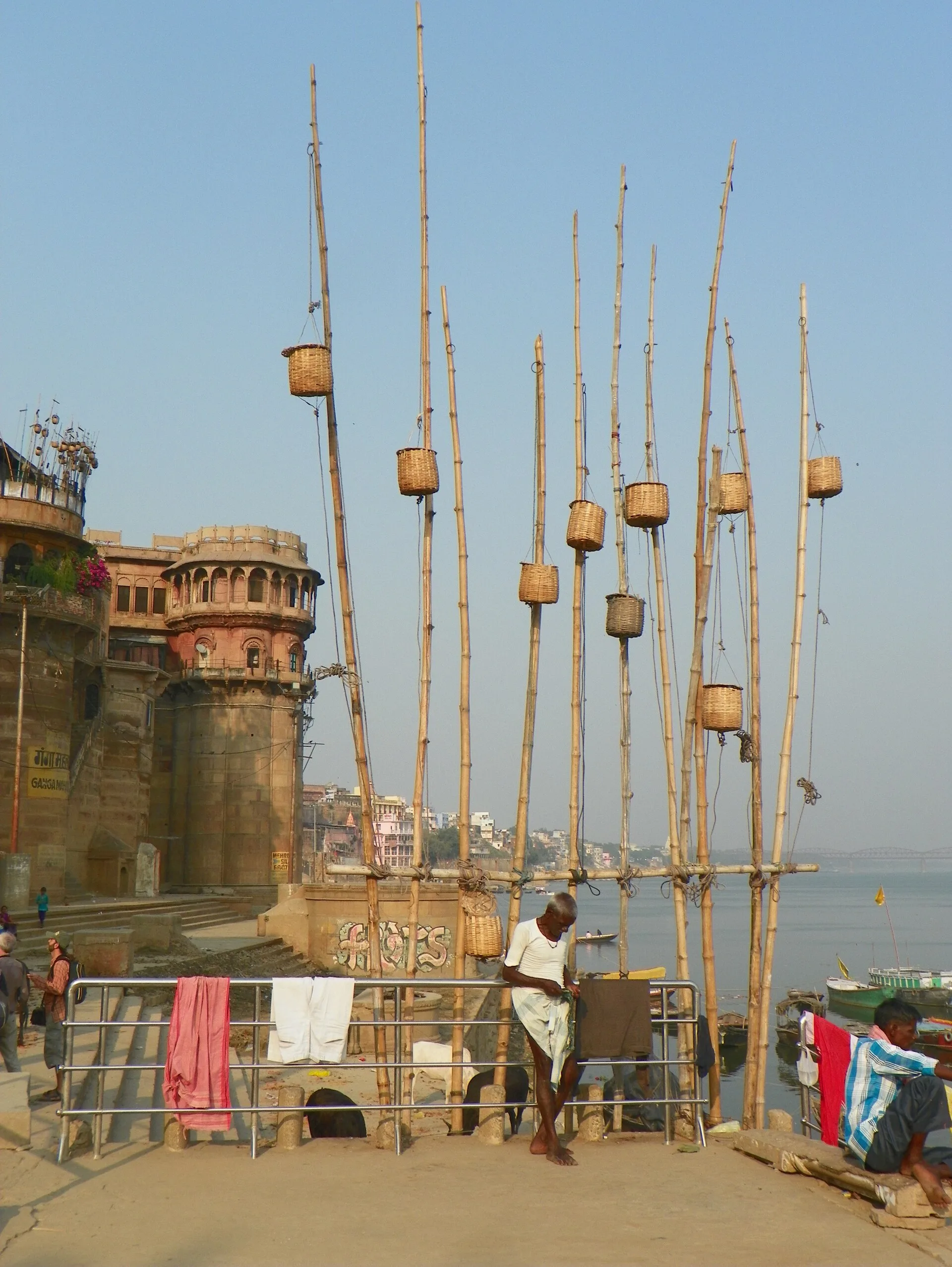
Karthika Somavaram 2026 Dates in India: The Four Mondays (16, 23, 30 November and 7 December), Tithi, Nakshatra and Sunrise-Sunset by City
In India, Karthika Masam 2026 has four Somavarams: Monday 16 November, 23 November, 30 November and 7 December. Each one is different: the first falls on Vrishchika Sankranti, the second is Vaikuntha Chaturdashi on the eve of Karthika Pournami, and the last is a rare Somavara Shivaratri. Here are the Drik Panchang tithi and nakshatra details, city sunrise and sunset times, and how to keep the day.
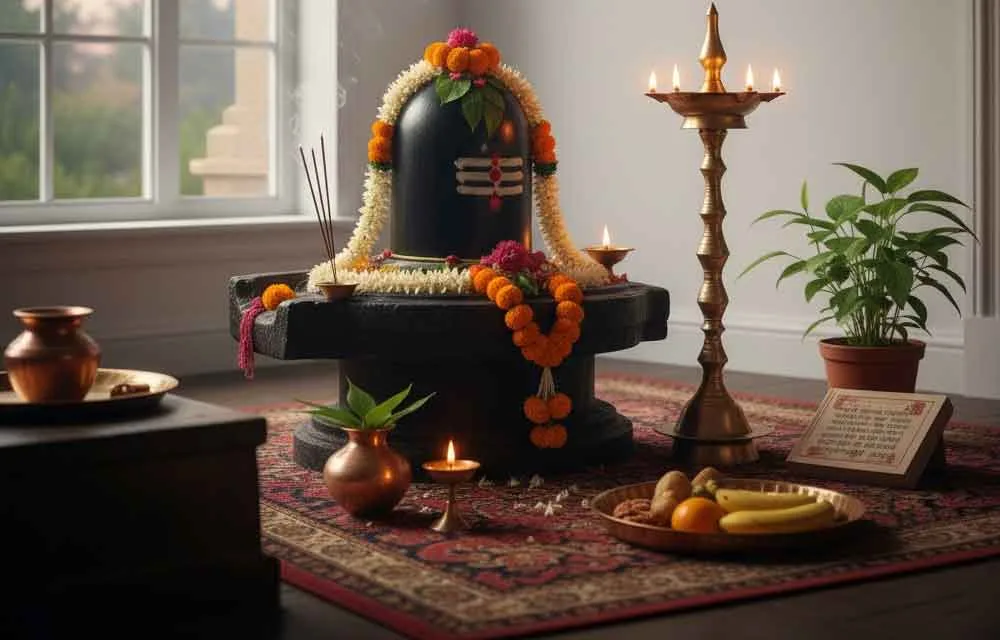
In India, Karthika Masam 2026 has four Somavarams: Monday 16 November, 23 November, 30 November and 7 December. Each one is different: the first falls on Vrishchika Sankranti, the second is Vaikuntha Chaturdashi on the eve of Karthika Pournami, and the last is a rare Somavara Shivaratri.
Quick answer: In India, the Karthika Somavaram 2026 dates are Monday 16 November, Monday 23 November, Monday 30 November and Monday 7 December 2026. Karthika Masam runs from Tuesday 10 November to Tuesday 8 December (Amavasya). The first Monday coincides with Vrishchika Sankranti, the second with Vaikuntha Chaturdashi, and the last with Masik Shivaratri.
These dates follow the amanta (new-moon to new-moon) calendar used in Andhra Pradesh, Telangana, Karnataka, Maharashtra and Gujarat, and are taken from Drik Panchang. Tithi end times are given in IST and are the same instant everywhere in India. Sunrise and sunset differ by city, so we list six South Indian cities below. Times are approximate to plus or minus one minute, and your local panchangam may differ by a minute or two.
The four Karthika Somavarams of 2026 at a glance
| Monday | Tithi at sunrise (ends, IST) | Nakshatra (ends, IST) | What coincides |
|---|---|---|---|
| 1st: Mon 16 Nov | Shukla Saptami (4:19 AM, Tue 17 Nov) | Shravana (2:17 AM, Tue 17 Nov) | Vrishchika Sankranti, the Sun enters Scorpio |
| 2nd: Mon 23 Nov | Shukla Chaturdashi (11:42 PM) | Bharani (2:02 AM, Tue 24 Nov) | Vaikuntha Chaturdashi; Purnima begins 11:42 PM |
| 3rd: Mon 30 Nov | Krishna Saptami (12:11 AM, Tue 1 Dec) | Ashlesha (9:42 AM), then Magha | Quiet Monday in the waning fortnight |
| 4th: Mon 7 Dec | Krishna Chaturdashi (4:12 AM, Tue 8 Dec) | Vishakha (3:48 PM), then Anuradha | Masik Shivaratri: a Somavara Shivaratri |
Source: Drik Panchang day panchang. Because the month begins on Tuesday 10 November, Monday 9 November (Kartika Amavasya at sunrise in India) is not a Karthika Somavaram this year.
What makes each Monday different
Monday 16 November: the first Somavaram and Vrishchika Sankranti
The first Karthika Monday opens the observance, and in 2026 it shares the day with Vrishchika Sankranti, when the Sun moves into Scorpio. In Tamil Nadu and Kerala, the solar month that begins here is the month of Karthigai, which is why the Karthigai Deepam festival is reckoned by Krittika nakshatra within this solar month. For Telugu households the day is simply the start of the Monday vratam: an early bath, abhishekam to Shiva and a lamp after sunset. It also comes just a day after Skanda Sashti (Sunday 15 November) and three days after Nagula Chavithi (Friday 13 November), so many families are already in a festive rhythm.
Monday 23 November: Vaikuntha Chaturdashi, the eve of Pournami
The second Monday is the busiest. Shukla Chaturdashi runs until 11:42 PM, which makes it Vaikuntha Chaturdashi, the day on which, as traditionally believed, Vishnu worships Shiva and Shiva worships Vishnu (Hari-Hara). At 11:42 PM the Purnima tithi begins, so the evening flows straight into Karthika Pournami on Tuesday 24 November. If you plan a temple visit, expect it to be one of the most crowded Mondays of the month. Read more in our Vaikuntha Chaturdashi 2026 guide.
Monday 30 November: the quiet Monday
The third Somavaram falls in the waning fortnight with Krishna Saptami and no major festival attached. For people who work long hours, this is often the easiest Monday to keep properly: no crowds, no clash with other pujas, just a simple fast and an evening lamp. Kalabhairav Jayanti follows the next day, Tuesday 1 December.
Monday 7 December: Somavara Shivaratri
The final Karthika Monday is also Masik Shivaratri, because Krishna Chaturdashi prevails at midnight (it runs until 4:12 AM on Tuesday 8 December). A Monday Shivaratri inside Karthika Masam is regarded in tradition as a rare and doubly auspicious combination, and many devotees choose this night for a longer jagaranam or extended Rudrabhishekam. The month ends with Amavasya the next day, Tuesday 8 December. See our detailed Karthika Masa Shivaratri 2026 guide.
Sunrise and sunset on each Somavaram (IST)
Snanam (the holy bath) is traditionally taken before sunrise, and the Somavaram lamp is lit after sunset. These are the times for six cities. They are approximate to plus or minus one minute.
| City | 16 Nov | 23 Nov | 30 Nov | 7 Dec |
|---|---|---|---|---|
| Hyderabad | 6:20 AM / 5:41 PM | 6:23 AM / 5:40 PM | 6:28 AM / 5:41 PM | 6:32 AM / 5:42 PM |
| Vijayawada | 6:10 AM / 5:33 PM | 6:13 AM / 5:33 PM | 6:17 AM / 5:33 PM | 6:21 AM / 5:35 PM |
| Visakhapatnam | 6:01 AM / 5:21 PM | 6:05 AM / 5:21 PM | 6:09 AM / 5:21 PM | 6:13 AM / 5:23 PM |
| Tirupati | 6:11 AM / 5:42 PM | 6:14 AM / 5:42 PM | 6:17 AM / 5:43 PM | 6:21 AM / 5:45 PM |
| Bengaluru | 6:17 AM / 5:51 PM | 6:20 AM / 5:51 PM | 6:24 AM / 5:52 PM | 6:27 AM / 5:53 PM |
| Chennai | 6:06 AM / 5:40 PM | 6:10 AM / 5:40 PM | 6:13 AM / 5:41 PM | 6:17 AM / 5:43 PM |
Notice the pattern: sunset barely moves through the month (it stays within about two minutes in each city), but sunrise gets later by roughly ten to twelve minutes between the first and last Monday. If you are keeping a pre-dawn bath, the alarm can be a little later in December. For thirteen cities and every key date of the month, see our Karthika Masam 2026 deepam and snanam timings city-wise.
How to observe a Karthika Somavaram
There is no single required format. Families in the Telugu states typically combine some or all of these:
- Snanam before sunrise: a bath in a river, tank or simply at home with a little Ganga water added. Karthika snanam is one of the defining practices of the month.
- Abhishekam: water, milk or panchamrita poured over a Shiva lingam at home or at a temple, while chanting Om Namah Shivaya or the Rudram if you know it. Bilva leaves are the classic offering.
- Upavasam: a full fast, a single meal (ekabhuktam), a meal only after nightfall (naktam), or fruit and milk. Our Karthika Somavaram upavasam rules guide explains each option and who should not fast strictly.
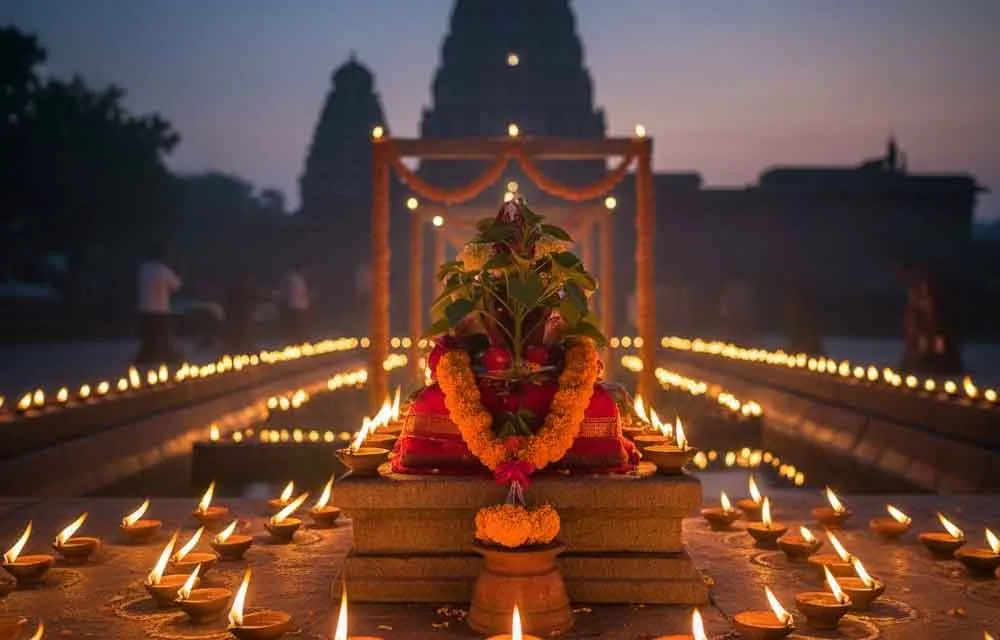
- Evening deepam: a ghee or sesame-oil lamp at the doorstep, before the tulasi plant or at a Shiva temple after sunset. Many households also hang an Akasha Deepam through the month.
- Listening to the katha: the Somavara vrata katha from the Karthika Puranam tradition is read or heard in the evening. See our Karthika Somavaram vratham katha.
A simple mantra that needs no initiation is the Panchakshari, Om Namah Shivaya ("salutations to Shiva"). Many devotees chant it 108 times on a rudraksha mala during abhishekam or after lighting the evening lamp. For more, see our Karthika Masam mantras page.
Other Karthika dates around the Somavarams
| Date (2026) | Observance |
|---|---|
| Tue 10 Nov | Karthika Masam begins (Shukla Pratipada) |
| Fri 13 Nov | Nagula Chavithi |
| Sun 15 Nov | Skanda Sashti |
| Fri 20 Nov | Devutthana (Uttana) Ekadashi |
| Sat 21 Nov | Ksheerabdi Dwadasi / Tulasi Vivah |
| Mon 23 Nov | Vaikuntha Chaturdashi (2nd Somavaram) |
| Tue 24 Nov | Karthika Pournami and Karthigai Deepam |
| Tue 1 Dec | Kalabhairav Jayanti |
| Fri 4 Dec | Utpanna Ekadashi |
| Mon 7 Dec | Masik Shivaratri (4th Somavaram) |
| Tue 8 Dec | Karthika Amavasya, month ends |
In North India, where months are counted purnimanta (full moon to full moon), Kartik ends with the Purnima on 24 November and Margashirsha begins on 25 November. The Telugu and Kannada Karthika Masam continues until the Amavasya of 8 December, which is why the third and fourth Somavarams exist only in the amanta calendar. For the full month day by day, see the Karthika Masam 2026 calendar.
Practical tips for a working Monday
- Do the bath and a short abhishekam before leaving for work; even ten minutes with a small lingam or a framed picture of Shiva is a complete offering.
- If you are fasting, keep water and fruit at your desk unless you are keeping a strict fast, and plan to break it after the evening lamp.
- Temples in the Telugu states are usually crowded on Karthika Mondays, especially on 23 November. We have not listed temple timings; check the temple's official website or notice board for current darshan arrangements.
- Keep lamps away from curtains and children, and never leave them burning unattended in an empty flat.
Celebrating outside India
If you live abroad, do not use the Indian times on this page. In the USA, UK and Canada the month begins a day earlier, giving five Somavarams in 2026. See our country pages for local dates and sunset times: USA, UK, Canada, Australia and UAE.
Frequently asked questions
How many Karthika Somavarams are there in 2026 in India?
Four. Karthika Masam (amanta reckoning, followed in Andhra Pradesh, Telangana, Karnataka and Maharashtra) runs from Tuesday 10 November to Tuesday 8 December 2026, and the Mondays inside it are 16 November, 23 November, 30 November and 7 December.
Why do some websites show five Karthika Mondays?
Those are usually pages for the USA, UK or Canada. Because of the time difference, Karthika Shukla Pratipada already prevails at sunrise on Monday 9 November in those countries, so their month starts a day earlier and they get five Somavarams. In India, 9 November is still Amavasya at sunrise, so it is not counted.
Which is the most important Karthika Somavaram in 2026?
Every Karthika Monday is considered sacred, but 7 December stands out because it is also Masik Shivaratri, the monthly night of Shiva. A Monday that coincides with Shivaratri is traditionally regarded as especially auspicious. Many devotees also give special weight to 23 November, the eve of Karthika Pournami and Vaikuntha Chaturdashi.
Is Karthika Pournami on a Monday in 2026?
No. Karthika Pournami is on Tuesday 24 November 2026. Purnima tithi begins at 11:42 PM IST on Monday 23 November and ends at 8:23 PM IST on Tuesday 24 November, so the Pournami day is Tuesday.
When should I light the Somavaram evening lamp?
After sunset, in pradosha kala. On 16 November that is about 5:41 PM in Hyderabad, 5:33 PM in Vijayawada, 5:21 PM in Visakhapatnam, 5:42 PM in Tirupati, 5:51 PM in Bengaluru and 5:40 PM in Chennai (IST, approximate to plus or minus one minute).
Do I have to fast on Karthika Somavaram?
Fasting is a devotional choice, not an obligation. Many people keep a full fast, a single meal (ekabhuktam) or a night-only meal (naktam), while others simply do abhishekam and light a lamp. Anyone with a health condition should consult a doctor first.
Editor's note
Editor's note (9 October 2026): This guide has been restored at its original address. Dates, tithi and nakshatra end times are from Drik Panchang (IST, valid across India); city sunrise and sunset times are computed for each city and are approximate to plus or minus one minute. Local panchangams may differ slightly. We do not publish temple darshan timings; please confirm them with the temple.
Related guides
- Karthika Somavaram 2026: Rudrabhishekam, deepam and mantra
- Karthika Somavaram upavasam rules: ekabhuktam and naktam
- Karthika Pournami 2026: Purnima time city-wise in India
- Karthika Masam 2026 deepam timings city-wise
- Karthika Masam 2026 (pillar guide)
- Karthika Masam rules 2026: food, dos and don'ts
- Pancharama Kshetras guide for Karthika Masam
You might also like
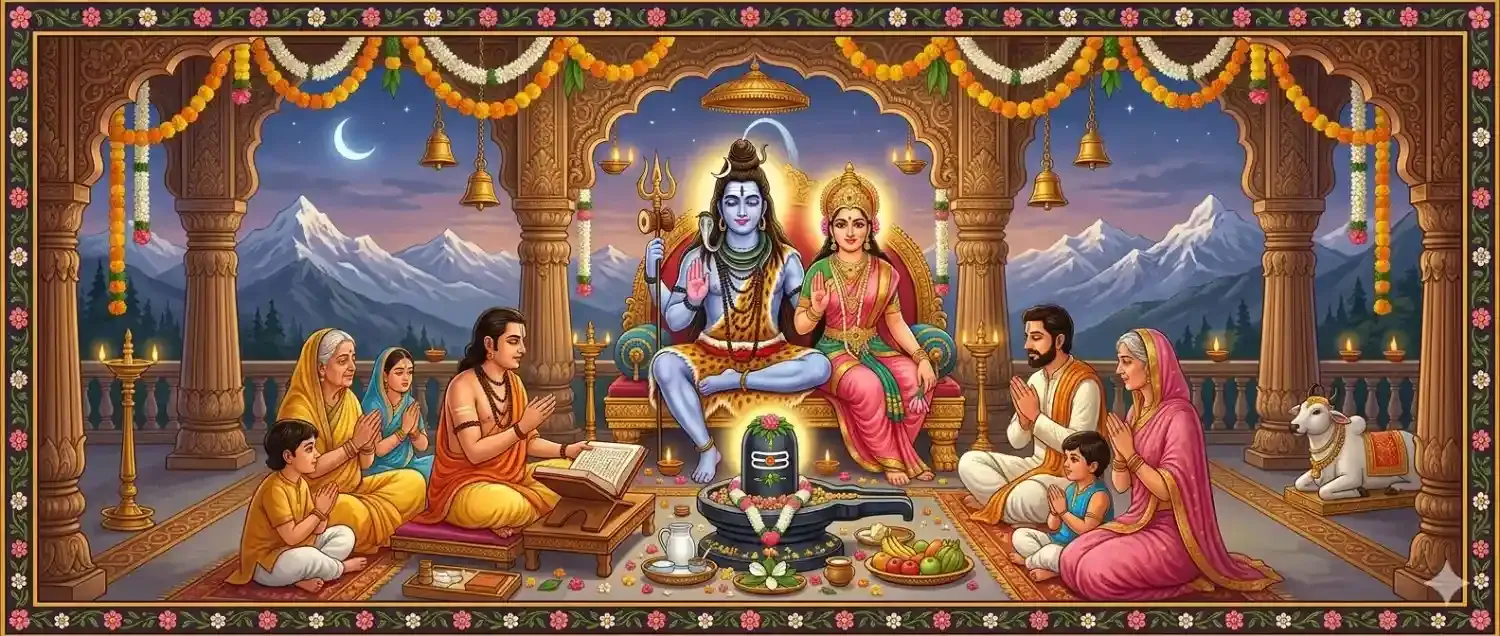
Karthika Somavaram Upavasam Rules 2026: Full Fast, Ekabhuktam, Naktam and Phalahara Explained, with Fast-Breaking Times
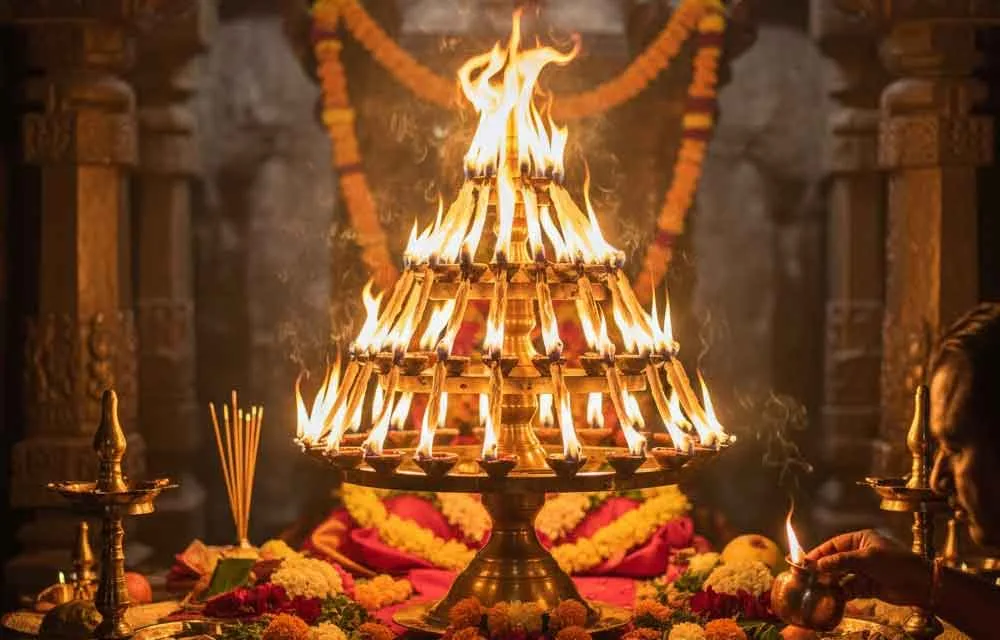
Karthika Pournami 2026 Purnima Time in India: Tithi Start and End, City-Wise Sunset and the Evening Lamp Window
Karthika Masam 2026 Deepam Timings City-Wise: Sunset Lamp and Sunrise Snanam Times for 13 Indian Cities