
Pancharama Kshetras Guide: The Five Shiva Temples of Andhra Pradesh for Karthika Masam 2026
A guide to the Pancharama Kshetras, the five ancient Shiva temples of Andhra Pradesh at Amaravati, Draksharama, Bhimavaram, Palakollu and Samalkot: the legend of the linga broken by Kumaraswamy after slaying Tarakasura, the deity and district of each temple, why devotees visit in Karthika Masam (10 November to 8 December 2026) and how pilgrims plan the circuit.
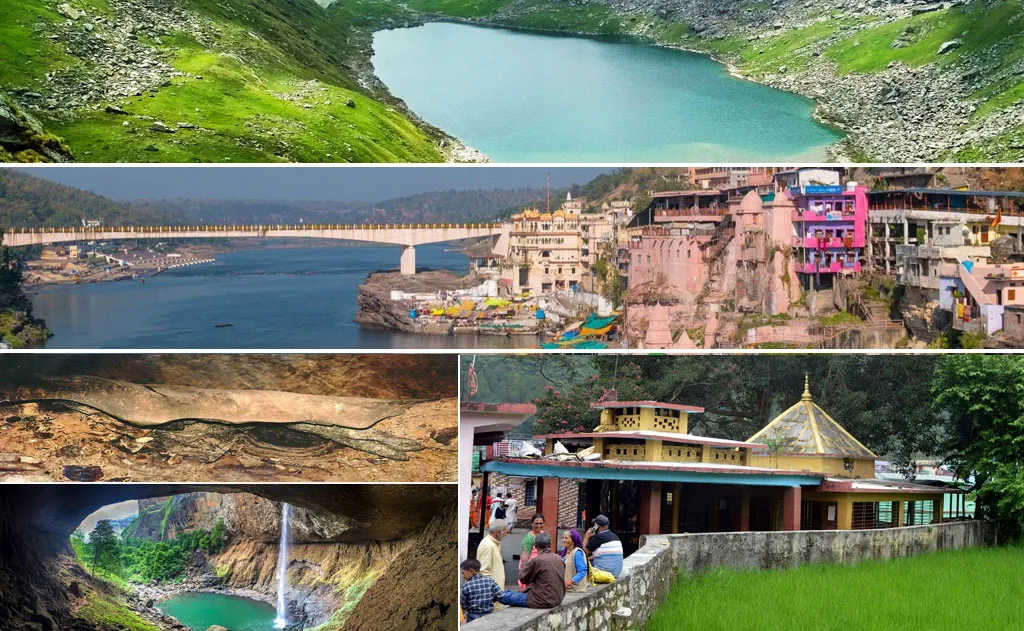
A guide to the Pancharama Kshetras, the five ancient Shiva temples of Andhra Pradesh at Amaravati, Draksharama, Bhimavaram, Palakollu and Samalkot: the legend of the linga broken by Kumaraswamy after slaying Tarakasura, the deity and district of each temple, why devotees visit in Karthika Masam (10 November to 8 December 2026) and how pilgrims plan the circuit.
Quick answer: The Pancharama Kshetras are five ancient Shiva temples in Andhra Pradesh: Amararama (Amaravati), Draksharama, Somarama (Bhimavaram), Ksheerarama (Palakollu) and Kumararama (Samalkot). As the legend is commonly told, the lingas in all five temples are pieces of one divine linga that Lord Kumaraswamy (Subrahmanya) broke when he slew the demon Tarakasura. Visiting all five during Karthika Masam is considered especially meritorious. In 2026, Karthika Masam runs from Tuesday 10 November to Tuesday 8 December 2026, and Karthika Pournami is on Tuesday 24 November 2026.
This guide has been restored at its original hindutone.com address. It covers the legend, each temple's deity and district, and general planning. We do not give darshan timings, ticket prices or bus details, because they change. Please check each temple's official website before you travel.
The legend of the Pancharamas
The story of the Pancharamas is linked to the demon Tarakasura. According to the legend as commonly told in Andhra Pradesh, Tarakasura performed severe penance and received a powerful Shiva linga, often called the Amrita linga or Atma linga, which he wore at his throat. As long as he held this linga, he could not be defeated, and he began to torment the gods.
The gods turned to Lord Kumaraswamy, the son of Shiva and Parvati and the commander of the divine army. In battle, Kumaraswamy struck Tarakasura again and again, but the demon kept rising. On advice, Kumaraswamy shattered the linga at the demon's throat with his weapon, and only then could Tarakasura be slain. The broken linga split into five pieces, which fell to earth at five places. The pieces began to rejoin, but they were fixed in place and consecrated for worship.
In one popular version, the five lingas were installed by Lord Indra at Amaravati, by Surya the Sun god at Draksharama, by Chandra the Moon god at Bhimavaram, by Lord Vishnu at Palakollu, and by Kumaraswamy himself at Samalkot. Local temple traditions sometimes tell these details differently, and devotees should treat them as sacred tradition rather than history.
The five temples at a glance
| Temple | Deity | Town | District |
|---|---|---|---|
| Amararama | Amareswara Swamy, with Bala Chamundeswari | Amaravati | Palnadu (formerly Guntur) |
| Draksharama | Bhimeswara Swamy, with Manikyamba | Draksharama | Dr. B.R. Ambedkar Konaseema (formerly East Godavari) |
| Somarama | Someswara Swamy, with Rajarajeswari | Bhimavaram (Gunupudi) | West Godavari |
| Ksheerarama | Ksheera Ramalingeswara Swamy, with Parvati | Palakollu | West Godavari |
| Kumararama | Kumara Bhimeswara Swamy, with Bala Tripurasundari | Samalkot (Samarlakota) | Kakinada (formerly East Godavari) |
Andhra Pradesh reorganised its districts in 2022, so older books and websites may show Guntur or East Godavari for some of these temples.
The five Pancharama temples
1. Amararama, Amaravati
Amararama stands on the southern bank of the Krishna river at Amaravati, a town also famous for its ancient Buddhist stupa. Shiva is worshipped here as Amareswara, the Lord of the immortals, a name connected with the tradition that Indra, king of the gods, installed the linga. The linga is very tall and white, and it rises through the upper floor of the shrine, so priests perform some rituals from a raised level. The goddess is Bala Chamundeswari. Because Amaravati is some distance from the Godavari delta, it is the temple that most affects how pilgrims plan their route.
2. Draksharama
Draksharama is the largest and most celebrated of the five. The name is often linked to Daksha Prajapati, and the area is traditionally associated with the Daksha yagna. Shiva is worshipped as Bhimeswara Swamy, and the tall linga rises through two storeys of the sanctum. His consort, Goddess Manikyamba, is revered as one of the eighteen Shakti Peethas, which gives Draksharama a double importance for devotees. The temple complex has a large stone enclosure and many inscriptions, and it is generally associated with the Eastern Chalukya king Bhima. Devotees often call Draksharama "Dakshina Kashi", the Kashi of the south.
3. Somarama, Bhimavaram
Somarama is at Gunupudi, part of the town of Bhimavaram. Shiva is worshipped as Someswara, a name linked to the tradition that Chandra, the Moon god (Soma), installed the linga. A widely told belief is that the linga appears to change colour with the phases of the moon, looking lighter around Pournami and darker around Amavasya. The goddess Annapurna has a shrine on the upper floor, and the main consort is worshipped as Rajarajeswari. A temple tank lies in front of the shrine.
4. Ksheerarama, Palakollu
Ksheerarama at Palakollu is known for its very tall white gopuram, one of the most striking temple towers in the Godavari delta. "Ksheera" means milk. According to the legend, Lord Shiva struck the ground here with his trident and a spring of milk flowed out, which gave the place its name. Another tradition says that Lord Vishnu worshipped Shiva here and received the Sudarshana chakra. Shiva is worshipped as Ksheera Ramalingeswara Swamy, and the name is linked to the belief that Lord Rama also worshipped here.
5. Kumararama, Samalkot
Kumararama at Samalkot (also spelled Samarlakota) is traditionally believed to have been consecrated by Kumaraswamy himself, which is why Shiva is called Kumara Bhimeswara here. Its architecture closely resembles Draksharama, and both temples are generally associated with the same Eastern Chalukya king. Like Draksharama, the linga is tall and rises through two storeys. The goddess is Bala Tripurasundari. The temple has a large stone mandapam and a peaceful tank, and it is usually less crowded than Draksharama.
Why devotees visit the Pancharamas in Karthika Masam
Karthika Masam is the holiest month of the year for Shiva worship in the Telugu states. Devotees take an early-morning river bath (Karthika snanam), light lamps at dawn and dusk, fast on Mondays (Karthika Somavaram) and offer abhishekam to the linga. Visiting several Shiva temples in this month is believed to multiply the merit, and visiting all five Pancharamas, which share one divine linga, is seen as a complete offering.
- Dates for 2026: Karthika Masam runs from Tuesday 10 November to Tuesday 8 December 2026 in the amanta calendar used in Andhra Pradesh and Telangana.
- Mondays: every Monday of the month is a Karthika Somavaram, and the Pancharama temples are very crowded on these days.
- Karthika Pournami: Tuesday 24 November 2026. Many devotees light 365 wicks at a temple on this day, and the evening Jwala Thoranam is seen at many Shiva temples.
- Lamps: lighting a ghee or sesame-oil lamp at each of the five temples is a cherished practice.
For the full month's observances, see our Karthika Masam 2026 guide and our page on Karthika Somavaram 2026.
Planning the Pancharama yatra
Four of the five temples, Draksharama, Somarama, Ksheerarama and Kumararama, lie in the fertile Godavari delta and are relatively close to one another. Amararama at Amaravati is on the Krishna river, much further to the south-west. This shapes every plan.
- One day: many devotees attempt all five in a single day during Karthika Masam, starting very early and travelling by private car or a pilgrimage package. It is a long day with little rest, and it is best for healthy adults.
- Two days: a more comfortable plan is to visit Amaravati on one day, with a halt near Vijayawada, and the four Godavari temples on the next day.
- Order: there is no single fixed order. Pilgrims usually choose a route based on where they start, such as Vijayawada, Rajamahendravaram or Kakinada.
- Pilgrimage packages: special Karthika packages are often announced every year. Check current details with the operator; we do not list routes or fares.
- Crowds: Mondays and Karthika Pournami are the busiest days. If you want a calmer darshan, choose a weekday that is not a Monday.
Please check each temple's official website for current timings and special Karthika arrangements before you set out.
Tips for NRIs and first-time pilgrims
- Dress: wear traditional or modest clothing. Some Andhra temples expect traditional dress for special darshan; follow local instructions.
- Elders: a one-day yatra can be very tiring. Plan rest stops, food and water.
- Offerings: bilva leaves, flowers, coconut and a small lamp are traditional. Buy prasadam only from official temple counters.
- Combine wisely: many pilgrims add the Kanaka Durga temple at Vijayawada or Srisailam, but do not overload a short trip.
- From abroad: if you cannot travel this year, you can light a lamp at home each evening of Karthika and read the Pancharama story with your family.
Frequently asked questions
What are the five Pancharama Kshetras?
They are Amararama at Amaravati (Lord Amareswara), Draksharama (Lord Bhimeswara), Somarama at Bhimavaram (Lord Someswara), Ksheerarama at Palakollu (Lord Ksheera Ramalingeswara) and Kumararama at Samalkot (Lord Kumara Bhimeswara). All five are in Andhra Pradesh.
Why are they called Pancharamas?
"Pancha" means five and "arama" means a sacred grove or garden, a place of rest and worship. According to the legend, the five pieces of one divine Shiva linga fell at these five places, and each place became an "arama" of Lord Shiva.
When is Karthika Masam in 2026?
For Telugu families, Karthika Masam 2026 runs from Tuesday 10 November 2026 to Tuesday 8 December 2026. Karthika Pournami falls on Tuesday 24 November 2026. These dates follow the amanta calendar used in Andhra Pradesh and Telangana.
Can all five Pancharamas be visited in one day?
Many devotees do visit all five in a single day during Karthika Masam, usually starting before dawn by private car or on a pilgrimage package. It is a long and tiring day, because Amaravati is far from the other four temples. Families with elders or children often prefer two days.
Which Pancharama is a Shakti Peetha?
Draksharama is widely regarded as a Shakti Peetha. Goddess Manikyamba, the consort of Lord Bhimeswara there, is counted among the eighteen Shakti Peethas in the traditional list attributed to Adi Shankaracharya.
Where can I find darshan timings for the Pancharama temples?
Timings, special Karthika arrangements and seva details change from year to year, so we do not list them here. Please check each temple's official website or the Andhra Pradesh Endowments Department information before you travel.
Editor's note
Editor's note (6 October 2026): This guide has been restored at its original address after the earlier version was lost. It covers well-established facts about the five Pancharama temples and their legend as commonly told. Karthika Masam 2026 dates follow the Drik Panchang amanta month. We have deliberately not given darshan timings, ticket prices, distances or bus details, which change. Please check each temple's official website before you travel.
Related guides
You might also like
Karthika Masam 2026: Shiva Temples in Andhra Pradesh, from Srisailam to the Pancharamas
Shiva Temples in Canada for Karthika Masam 2026: Where to Worship on the Five Somavarams
Shiva Temples in the UK for Karthika Masam 2026: Where to Worship on Somavarams and Karthika Pournami