Kateel Sri Durgaparameshwari Temple: History, Legend, Timings and Prabhas's Visit
The Kateel Sri Durgaparameshwari Temple (Kateelu) stands on a small island in the middle of the Nandini river, about 25 km from Mangaluru in Karnataka's Dakshina Kannada district. It is one of the most loved Devi shrines of coastal Karnataka, and devotees come from across South India and from Hindu
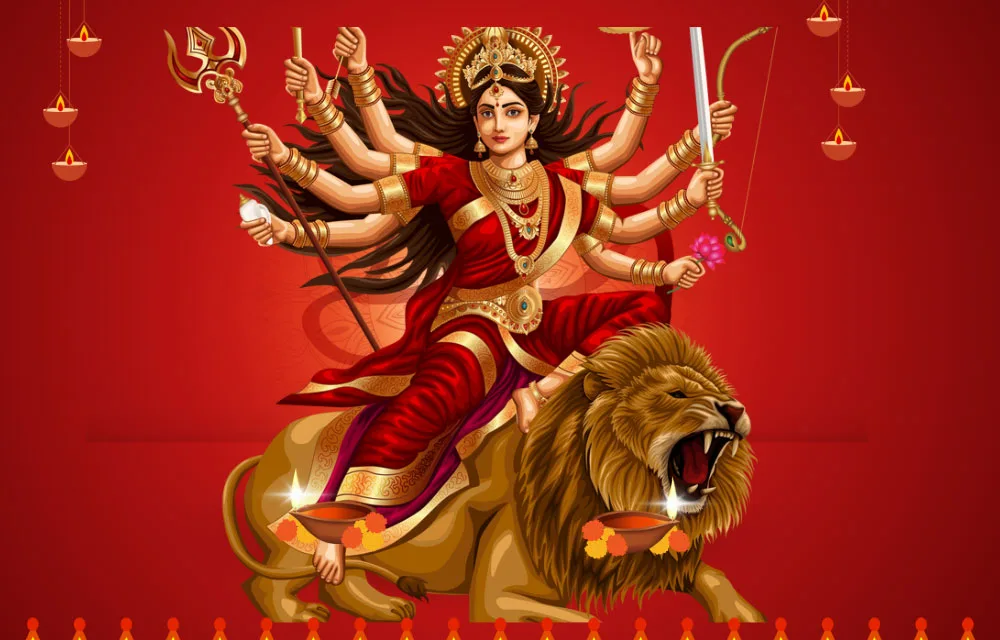
The Kateel Sri Durgaparameshwari Temple (Kateelu) stands on a small island in the middle of the Nandini river, about 25 km from Mangaluru in Karnataka's Dakshina Kannada district. It is one of the most loved Devi shrines of coastal Karnataka, and devotees come from across South India and from Hindu families abroad to seek the blessings of the Goddess they call Kateel Amma.
The temple is also known for its deep bond with Yakshagana, the dance-drama of coastal Karnataka, and in recent years for visits by film personalities, including actor Prabhas.
Where is Kateel temple?
Kateel is a village in Dakshina Kannada district, Karnataka. The Nandini river divides into two streams around the shrine and joins again beyond it, so the sanctum sits on an island in the river. Mangaluru city is about 25 km away, and Mangaluru International Airport is the nearest airport.
The legend of Kateel: Jabali, Nandini and Arunasura
The temple's sthala purana, as told by the temple itself, draws on the Devi Mahatmya, the Devi Bhagavata, the Sahyadri Khanda of the Skanda Purana and a local text, the Nirjararanya Mahatmya. It weaves together two stories.
Sage Jabali and the river Nandini
Long ago, the land suffered a terrible drought. The sage Jabali resolved to perform a yajna to bring back the rains, and went to Indra to ask for Kamadhenu, the wish-fulfilling cow, to supply what the sacrifice needed. Kamadhenu was away, so Indra offered her daughter Nandini.
Nandini proudly refused to set foot on the earth, calling it a land of sinners. Pained by her words, Jabali cursed her to flow on that same earth as a river. When she begged for mercy, he told her to pray to the Divine Mother. The Goddess appeared and promised that Nandini would flow as a river from Kanakachala hill on the full moon day of Magha, and that one day the Goddess herself would appear in the middle of her stream. That day would free Nandini from the curse.
Arunasura and the bees
The demon Arunasura, who had escaped when the Goddess destroyed Shumbha and Nishumbha, performed fierce penance to Brahma. Since immortality could not be granted, he asked that no god, demon, man or woman, no two-legged or four-legged creature and no weapon could kill him. Brahma granted the boon, and Goddess Saraswati taught him the Gayatri mantra, telling him that death could not touch him as long as he chanted it.
Arunasura grew arrogant, stopped worship in the three worlds and demanded to be worshipped himself. At the request of the gods, Brihaspati, their teacher, went to him in disguise and persuaded him to give up the Gayatri mantra. With his protection gone, the Goddess appeared in his pleasure garden as a woman of dazzling beauty. When he attacked her, she vanished into a rock. Arunasura struck at the rock, and from it burst a swarm of bees that stung him to death, with the Goddess herself as the mightiest bee. A bee has six legs, is neither god, demon nor human, and its sting is no weapon, so the boon was not broken.
For this the Goddess is worshipped as Bhramari, the bee Goddess. Sage Jabali and the gods prayed to her to take a gentle form and stay on earth. The gods bathed her with tender coconut water to cool her fierce form, and she appeared as a linga in the middle of the Nandini river, freeing Nandini from her curse.
How Kateel got its name
According to the temple, the Goddess appeared at the kati (waist, or middle) of the river Nandini, and became famous on this ila (earth), so the place came to be called Kateelu.
Customs linked to the legend
- Champaka flowers are not offered, because the bee does not like their strong scent.
- Tender coconut is dear to the Goddess. Tender coconut abhisheka is a special offering, and locally people avoid drinking tender coconut without first offering it to her.
The spiritual message
The story of Arunasura is about arrogance. No boon or power protects someone who abandons dharma and devotion. The bee form also shows that the Divine can act through the smallest and most unexpected means. The story of Nandini teaches humility: even a divine being must bow before compassion for suffering people.
Prabhas at Kateel temple
On 12 January 2024, after the success of Salaar, actor Prabhas visited Kateel temple with director Prashanth Neel and producer Vijay Kiragandur of Hombale Films, and offered prayers, as reported by Udayavani, Deccan Chronicle and other outlets. Photos of the visit were widely shared on social media.
On 17 November 2026, the Telugu news site Suryaa reported that Prabhas had recently visited the temple again and was welcomed by the priests. At the time of writing, we could not find an official temple announcement or other independent confirmation of this latest visit, so treat it as a single published report.
Whether a film star or an ordinary pilgrim, every devotee stands equal before the Goddess. Many people in the film world visit Kateel to give thanks after a success, in the same spirit as any devotee fulfilling a vow.
Kateel and Yakshagana
Kateel has a special place in the history of Yakshagana. Because the Goddess appeared as an enchanting woman to end Arunasura, the temple says that Yakshagana dance is especially dear to her. Devotees offer a Yakshagana performance, the bayalata seva or harake seva, as thanksgiving when a wish is fulfilled. The temple's own Yakshagana troupes (melas) tour the region through the season performing these sevas.
Darshan and puja timings
From the temple's official website:
| Ritual | Time |
|---|---|
| Abhishekam and morning pujas | from 3:00 am |
| Temple opens for darshan | 5:30 am |
| Mahapuja | 12:00 noon |
| Pradosha puja | 7:00 pm |
| Rangapuja | 8:00 pm |
| Temple closes | 9:30 pm (10:30 pm on Fridays) |
After the noon and night Mahapujas, prasadam meals are served to devotees, and rice porridge (ganji) is served in the morning. Timings can change on festival days, so check the official website before you travel: kateeldevi.in.
Sevas at Kateel
After the evening Pradosha puja, the temple performs kumkumarchana, Durga namaskara, sahasranama archana, alankara puja and hoovina puja (flower worship), followed by the Mahapuja. Sevas listed on the official website include:
- Karthi puja
- Hoovina puja
- Durga namaskara
- Srisuktha abhisheka
- Pancha kajjaya
- Rangapuja
- Annadana (feeding devotees)
- Yakshagana seva
Check seva availability, charges and booking on the official website.
Festivals at Kateel
- Annual festival (jatre): the main annual festival begins on the eve of Mesha Sankramana (mid-April) and runs for about eight days, with daily utsavabali, a silver chariot festival and the main rathotsava.
- Navaratri: celebrated with special decorations and pujas through the nine nights.
- Nandini Avatarana day: the day the river Nandini is believed to have descended to earth, on the full moon of Magha, is observed at the temple.
- Brahmakalashotsava: a grand consecration festival with homas and rituals. Karnataka Tourism lists it in January–February.
Exact dates change every year; follow the temple's announcements.
Why devotees visit Kateel Amma
Devotees pray to Kateel Amma for courage in difficult times, for peace and harmony in the family, for success in studies and work, and for the health of their loved ones. Many make a vow and return to offer a Yakshagana seva or tender coconut abhisheka when the wish is fulfilled. These are matters of faith and devotion; worship is not a guarantee of any medical or material outcome.
How to reach Kateel
- By road: Kateel is about 25 km from Mangaluru. Buses, taxis and private vehicles run regularly from the city.
- By air: Mangaluru International Airport is the nearest airport.
- By rail: Mangaluru's railway stations are the main rail connection.
Nearby places: you can combine your visit with the Mangaladevi temple in Mangaluru, Sasihithlu beach and the Sri Krishna temple at Udupi. For more shrines in the state, see our guide to famous temples in Karnataka.
For devotees living abroad
For Hindu families in the USA, Canada, the UK, Australia, Europe and the Gulf, a trip to Kateel may not be possible often. You can still remember the Goddess at home. Sit quietly each morning or evening and chant:
ॐ श्री दुर्गायै नमः (Om Shri Durgayai Namah)
You can also read the Sri Durga Parameshwari Stotram or the Devi Mahatmya, and tell your children the story of Bhramari and the bees during Navaratri.
Frequently Asked Questions
Where is Kateel Durgaparameshwari Temple?
It is in Kateel village, Dakshina Kannada district, Karnataka, about 25 km from Mangaluru, on an island in the Nandini river.
Who is the main deity at Kateel?
Sri Durgaparameshwari, worshipped as a form of the Divine Mother, Adi Shakti. She is also revered as Bhramari, the bee Goddess.
What is the legend of Kateel temple?
The demon Arunasura had a boon that no two-legged or four-legged creature could kill him. The Goddess hid in a rock, and when he struck it, a swarm of bees emerged and killed him. She then appeared as a linga in the middle of the Nandini river.
Did Prabhas visit Kateel temple?
Yes. Prabhas visited on 12 January 2024 with director Prashanth Neel and producer Vijay Kiragandur after the success of Salaar, as widely reported. A Telugu news report on 17 November 2026 said he had visited again; we could not independently confirm that visit.
What are the Kateel temple timings?
The temple is open from 5:30 am to 9:30 pm, and until 10:30 pm on Fridays. The Mahapuja is at 12 noon and the Pradosha puja at 7 pm.
Which river flows around Kateel temple?
The Nandini river, which splits into two streams around the shrine.
Why is Yakshagana special at Kateel?
Devotees offer Yakshagana performances to the Goddess as thanksgiving, and the temple's own troupes perform these sevas through the season.
Why are champaka flowers not offered at Kateel?
Because the Goddess here is Bhramari, the bee, and bees dislike the strong scent of champaka.
What is the official website of Kateel temple?
Jai Kateel Sri Durgaparameshwari!
Share this with family and friends
Send it on WhatsApp, post it, or copy the link.
More from Temples
- Kumbakonam: Thousands Gather at Swamimalai, Lord Murugan's Fourth Abode, for Kanda Sashti 2026
- Hindu Temple Worship: The Daily Rituals Explained
- Mahabharata Places Today: Kurukshetra, Hastinapur, Indraprastha and Dwarka
- Ramayana Places in India: The Trail from Ayodhya to Rameswaram
- Hinglaj Mata Mandir: Divine Glow of Diyas at the Shakti Peetha in Lasbela, Balochistan
You might also like
Vadapalli Venkateswara Temple (Konaseema Tirumala): History, Legend, the Seven Saturdays Vow and Darshan Guide
Hindu Temples in Pakistan After the 1947 Partition: The Forgotten Religious Heritage of Hindus
Anjaneri Hills, Nashik: The Traditional Birthplace of Lord Hanuman and the Anjani Mata Temple