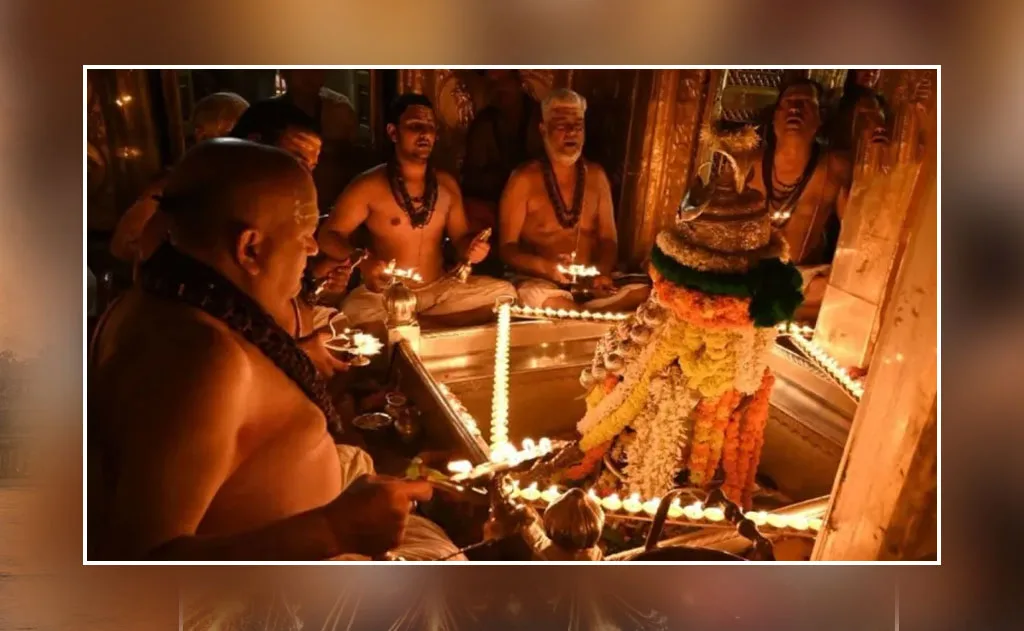
Hinglaj Mata Mandir: Divine Glow of Diyas at the Shakti Peetha in Lasbela, Balochistan
The flickering glow of countless diyas fills the cave shrine of Hinglaj Mata Mandir in Lasbela, Balochistan, in a video recently shared on X by @MeghUpdates. The soft golden light against the dark rock of the gorge offers a rare glimpse of living Hindu devotion at one of the most remote and revered
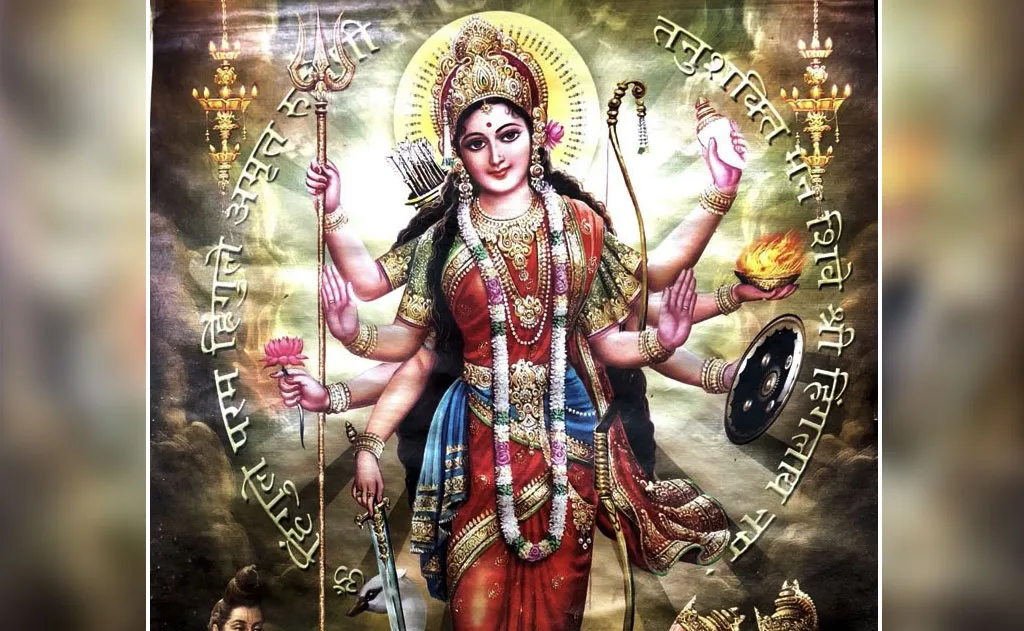
The flickering glow of countless diyas fills the cave shrine of Hinglaj Mata Mandir in Lasbela, Balochistan, in a video recently shared on X by @MeghUpdates. The soft golden light against the dark rock of the gorge offers a rare glimpse of living Hindu devotion at one of the most remote and revered sacred sites of the subcontinent. Watch the original post: diyas at Hinglaj Mata Mandir, Lasbela.
The scene is more than festival decoration. It reflects centuries of devotion at a shrine that holds deep meaning for Hindus in Pakistan, India and the wider diaspora.
Key points
- Hinglaj Mata Mandir is a cave temple in Hingol National Park, Lasbela district, Balochistan, Pakistan, on the banks of the Hingol River.
- It is counted among the Shakti Peethas, where, by tradition, the head (Brahmarandhra) of Goddess Sati fell.
- The goddess has no man-made idol; a small shapeless stone smeared with sindoor is worshipped as Hinglaj Mata.
- Local Muslims revere the shrine as Nani Mandir or Bibi Nani.
- The annual Hinglaj Yatra in spring is regarded as the largest Hindu pilgrimage in Pakistan.
What is Hinglaj Mata Mandir?
Hinglaj Mata Mandir, also called Hinglaj Mata Temple or Hingula Devi, is a natural cave shrine in a narrow mountain gorge within Hingol National Park, roughly 250 km west of Karachi and a short distance inland from the Arabian Sea coast.
Unlike grand temple complexes, Hinglaj has no elaborate architecture. Devotees worship the goddess in a simple cave, where a small, shapeless stone smeared with vermilion represents Hinglaj Mata. Communities living around the shrine, including many Muslims, honour her as Nani, a protective maternal figure, which has made Hinglaj a rare place of shared reverence.
Hinglaj as a Shakti Peetha
Hinglaj Mata Mandir is counted among the Shakti Peethas of Hindu tradition. According to the tradition, when Lord Vishnu's Sudarshana Chakra divided the body of Goddess Sati, her Brahmarandhra, the crown of the head, fell at Hinglaj. Because the head is regarded as the seat of consciousness, many devotees consider Hinglaj especially powerful.
The goddess is worshipped here as a form of Adi Shakti, and the Bhairava associated with this Peetha is Bhimalochana. The austere desert and mountain setting has preserved an ancient atmosphere that continues to draw pilgrims seeking strength, protection and the fulfilment of vows.
The divine glow of diyas
Diyas (oil lamps) are lit at Hinglaj during festivals, special pujas and the annual yatra. Their light against the cave walls creates an atmosphere of deep peace. For devotees, lighting a lamp at Hinglaj is an offering of gratitude and prayer, and images of lamps glowing in the gorge have become a powerful symbol of faith that crosses borders.
Hinglaj Yatra: Pakistan's largest Hindu pilgrimage
Every spring, usually around Chaitra, the Hinglaj Yatra draws very large crowds; estimates often run to a quarter of a million pilgrims or more, and it is widely described as the largest Hindu pilgrimage in Pakistan. Devotees travel from across Sindh and the rest of Pakistan, many carrying red banners and offerings.
The journey itself is considered sacred. By custom, many pilgrims also visit the nearby Chandragup mud volcano before reaching the shrine. Local authorities provide security and arrangements for the large gathering.
How to reach Hinglaj Mata Mandir
Hinglaj lies inside Hingol National Park in Lasbela district. The Makran Coastal Highway has made the shrine far easier to reach than in earlier decades; from Karachi it is a drive of a few hours along the coast. The terrain is remote, with limited services, so visitors should plan carefully. The temple can be visited through the year, and the spring yatra is the main pilgrimage season. Always check current travel advisories and local arrangements before visiting.
Why Hinglaj Mata continues to inspire
The combination of mythological depth, natural simplicity and living devotion makes Hinglaj Mata Mandir unique. Images of diyas glowing in the cave remind the world that sacred spaces continue to thrive in unexpected places. For Hindus in Pakistan, India and the diaspora, Hinglaj Mata remains a powerful source of strength and maternal protection.
Read also: Lord Rama's pilgrimage to Hinglaj Mata.
Frequently asked questions
Where is Hinglaj Mata Mandir?
Hinglaj Mata Mandir is a cave temple in Hingol National Park, Lasbela district, Balochistan, Pakistan, on the banks of the Hingol River, roughly 250 km west of Karachi.
Why is Hinglaj Mata a Shakti Peetha?
By tradition, the Brahmarandhra (crown of the head) of Goddess Sati fell at Hinglaj when her body was divided by Lord Vishnu's Sudarshana Chakra. The associated Bhairava is Bhimalochana.
Is there an idol at Hinglaj Mata Mandir?
There is no man-made idol. A small shapeless stone smeared with sindoor is worshipped as Hinglaj Mata.
What is Nani Mandir?
Nani Mandir, or Bibi Nani, is the name by which many local Muslims revere the Hinglaj shrine, honouring the goddess as a protective maternal figure.
When is the Hinglaj Yatra?
The Hinglaj Yatra takes place every spring, usually around the Hindu month of Chaitra. It is regarded as the largest Hindu pilgrimage in Pakistan.
Jai Hinglaj Mata!
Share this with family and friends
Send it on WhatsApp, post it, or copy the link.
More from Temples
- Mahabharata Places Today: Kurukshetra, Hastinapur, Indraprastha and Dwarka
- Srisailam Karthika Masam 2026: Dates, Darshan Rules, Karthika Pournami Deepotsavam and Pilgrimage Guide
- Kedarnath Kapat Closing 2026: Portals Close on Bhai Dooj, 11 November, as Baba Kedar Enters Samadhi
- Hindu Temples in Georgia, USA: Complete City-Wise Directory
- Hindu Temples in Florida – Complete City-Wise Directory
You might also like
Mayiladuthurai: Thousands Join Mayuranathar Temple's Five-Chariot Festival in the Cauvery Thula Utsavam
Kumbakonam: Thousands Gather at Swamimalai, Lord Murugan's Fourth Abode, for Kanda Sashti 2026
Vadapalli Venkateswara Temple (Konaseema Tirumala): History, Legend, the Seven Saturdays Vow and Darshan Guide