
Tulasi Pooja in Karthika Masam 2026: Daily Vidhi, Sloka, Ksheerabdi Dwadasi (21 November) and Plant Care
A simple, complete daily Tulasi Kota pooja for Karthika Masam (10 November to 8 December 2026 in India): morning water and evening lamp, pradakshina, the well-known Yanmule sloka with meaning, Tulasi-Damodara kalyanam on Ksheerabdi Dwadasi (Saturday 21 November), the traditional dos and don'ts, and how to keep a Tulasi plant healthy through winter and in apartments.
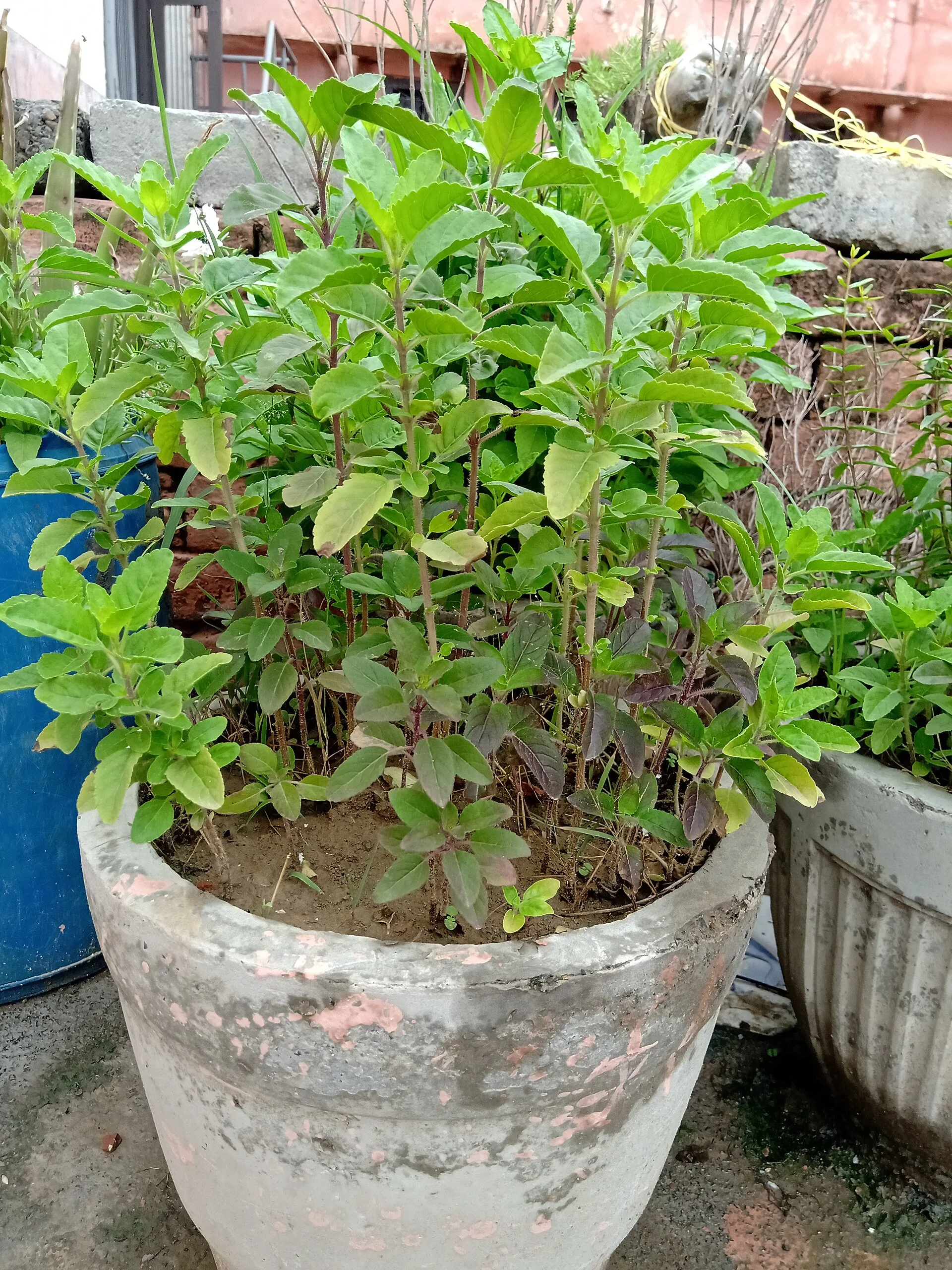
A simple, complete daily Tulasi Kota pooja for Karthika Masam (10 November to 8 December 2026 in India): morning water and evening lamp, pradakshina, the well-known Yanmule sloka with meaning, Tulasi-Damodara kalyanam on Ksheerabdi Dwadasi (Saturday 21 November), the traditional dos and don'ts, and how to keep a Tulasi plant healthy through winter and in apartments.
Quick answer: During Karthika Masam 2026 (Tuesday 10 November to Tuesday 8 December, India), Tulasi pooja is traditionally done twice a day: water and a short prayer in the morning after bath, and a ghee or oil lamp at the Tulasi Kota at dusk, followed by pradakshina (circling the plant). The high point of the month for Tulasi is Ksheerabdi Dwadasi on Saturday 21 November 2026, when many Telugu families celebrate the symbolic kalyanam of Tulasi and Lord Damodara. Below is a simple daily vidhi, the most widely known Tulasi sloka, the traditional rules and how to keep your plant healthy.
Why Tulasi is at the heart of Karthika
In Telugu homes, the Tulasi Kota (also called the brindavan) in the courtyard is the quiet centre of Karthika Masam. Grandmothers begin the day with a pot of water for it and end it with a lamp beside it. As traditionally believed, Tulasi is dear to Lord Vishnu, and the month of Karthika, when Vishnu is said to wake from his four-month yoga nidra on Uttana Ekadashi, is the time when that bond is celebrated most.
Per Karthika Puranam tradition, watering, lighting a lamp to and circling Tulasi through the month are counted among the simplest and most meritorious observances available to a householder. You do not need a priest, a large space or expensive materials: a plant, water, a lamp and a few minutes of attention are enough.
What you need
- A healthy Tulasi plant in a Tulasi Kota, brindavan, or simply a clean pot
- A small vessel (kalasham or chembu) of clean water
- Turmeric and kumkum; a little sandalwood paste if available
- A clay or brass deepam with ghee or sesame oil and cotton wicks
- Agarbatti (incense) and a few flowers
- A simple naivedyam: jaggery, fruit, sugar crystals or milk
- Optional for Ksheerabdi Dwadasi: a small amla (usiri) branch with leaves, a few amlas, and a little cloth or thread
Daily Tulasi pooja vidhi: morning
- 1. Bath first. Traditionally, Tulasi is touched and watered only after bath, in clean clothes. In Karthika many people take an early bath before sunrise (Karthika snanam).
- 2. Clean the Tulasi Kota. Remove fallen leaves, wipe the base, and draw a small rangoli (muggu) in front if you can.
- 3. Offer water. Pour water gently at the root while saying the sloka below or 'Om Namo Narayanaya'. Do not flood the pot; a small offering is enough.
- 4. Turmeric and kumkum. Apply turmeric and kumkum to the Tulasi Kota (on the stand, not on the leaves) and offer a flower.
- 5. Pradakshina. Walk around the plant clockwise, traditionally three times, with folded hands. If the pot is against a wall, turn in place where you stand.
- 6. Namaskaram. Bow and offer a short personal prayer for the family.
Daily Tulasi pooja vidhi: evening lamp
The evening lamp is the most cherished part of Karthika Tulasi pooja. As traditionally believed, a lamp lit beside Tulasi at dusk in this month brings great blessings to the household.
- Light at dusk. Light the deepam a little before or at sunset, after the lamp in your puja room.
- Incense and naivedyam. Show agarbatti, offer jaggery or fruit, and ring a small bell if you have one.
- Pradakshina again. Circle the plant and recite the sloka once more.
- Do not pluck. Leaves are not plucked in the evening; the evening pooja is offering only.
Sunset in Telugu cities on Ksheerabdi Dwadasi, Saturday 21 November 2026 (IST, approximate to plus or minus one minute; local panchangams may differ slightly):
| City | Sunrise Sat 21 Nov | Sunset Sat 21 Nov |
|---|---|---|
| Hyderabad | 6:22 AM | 5:40 PM |
| Warangal | 6:19 AM | 5:35 PM |
| Vijayawada | 6:12 AM | 5:33 PM |
| Visakhapatnam | 6:04 AM | 5:21 PM |
| Rajahmundry | 6:08 AM | 5:28 PM |
| Tirupati | 6:13 AM | 5:42 PM |
| Bengaluru | 6:19 AM | 5:51 PM |
| Chennai | 6:09 AM | 5:40 PM |
The Yanmule sloka, with meaning
This is the best-known Tulasi verse, recited while watering or circling the plant:
Yanmule sarvatirthani yanmadhye sarvadevatah,
yadagre sarvavedascha tulasim tam namamyaham.
Meaning: I bow to Tulasi, at whose root rest all the holy waters, in whose middle dwell all the gods, and at whose top are all the Vedas.
If you prefer something shorter, 'Om Namo Narayanaya' or 'Om Tulasyai Namah' is perfectly traditional. Children can learn the Yanmule verse in a week of evenings; it is one of the easiest ways to bring them into the month's rhythm.
Key Tulasi days in Karthika 2026
Dates and tithi times from Drik Panchang for India (IST, same across India):
| Date (2026) | Tithi | Occasion | Tulasi custom |
|---|---|---|---|
| Tue 10 Nov | Shukla Pratipada | Karthika Masam begins | Start the daily lamp and water |
| Fri 20 Nov | Ekadashi (from 7:15 AM) | Devutthana / Uttana Ekadashi | Fast or simple food; many families pluck leaves for Ekadashi and Dwadasi on Thursday 19 Nov |
| Sat 21 Nov | Dwadashi (to 4:56 AM Sun 22 Nov) | Ksheerabdi Dwadasi / Tulasi Vivah | Tulasi-Damodara kalyanam in the evening |
| Tue 24 Nov | Purnima (to 8:23 PM) | Karthika Pournami | Many lamps around the Tulasi Kota |
| Tue 8 Dec | Amavasya | Karthika Masam ends | Final lamp and thanksgiving |
Ksheerabdi Dwadasi: Tulasi-Damodara kalyanam on 21 November
Ksheerabdi Dwadasi takes its name from the Kshira Sagara, the Ocean of Milk. As traditionally told, on this Dwadashi Lord Vishnu, having woken on Uttana Ekadashi, comes with Lakshmi to the Tulasi brindavan. In much of North and West India the same day is celebrated as Tulasi Vivah.
A typical Telugu home observance, as commonly practised:
- Decorate the Tulasi Kota with rangoli, turmeric, kumkum, flowers and a small cloth.
- Place a fresh amla (usiri) branch inside the Tulasi Kota, beside the plant, to represent Lord Vishnu as Damodara. Some families place a Krishna or Vishnu image or a Saligrama instead.
- In the evening, light many lamps around the brindavan; some families light amla-cup lamps (usiri deepalu) by hollowing amlas and filling them with ghee.
- Do a short pooja to both: water, turmeric-kumkum, flowers, incense, lamp, and naivedyam.
- Many families tie a thread or offer mangala dravyas as a symbolic kalyanam and then share prasadam with neighbours.
- Recite the Yanmule sloka and 'Om Namo Narayanaya', then do pradakshina together as a family.
For the story and a fuller vidhi, see Ksheerabdi Dwadasi and Tulasi Vivah 2026 and Tulsi Vivah 2026: date, vidhi and mantras.
Traditional dos and don'ts
These are rules as traditionally followed in many families. Customs differ, so follow your elders where they differ.
- Pluck leaves only in the daytime, after bath, and with a short prayer asking permission. Pick gently with the fingertips, not with nails or scissors.
- Many families do not pluck Tulasi on Ekadashi, Dwadashi, Sundays, Sankranti or after sunset.
- Do not throw away Tulasi leaves used in pooja with ordinary waste; place them in a plant pot or flowing water.
- Dried, fallen leaves may be used for pooja if fresh ones cannot be plucked.
- Keep the Tulasi Kota clean, and do not place footwear, dustbins or dirty water near it.
- Traditionally, Tulasi is offered to Vishnu and Krishna, and is generally not offered to Lord Ganesha.
Caring for Tulasi in winter and in apartments
Karthika coincides with the start of winter, and many Tulasi plants weaken in this season. A healthy plant makes the daily pooja a joy rather than a worry.
- Sunlight. Tulasi likes at least four to six hours of direct sun. On a flat balcony, choose the brightest east- or south-facing spot.
- Water less in winter. Overwatering kills more Tulasi than drought. Water when the top inch of soil is dry; the daily ritual offering can be a small spoonful poured at the root.
- Drainage. Use a pot with holes and a light, well-draining soil. Do not leave water standing in the tray.
- Pinch the flower spikes. Removing the manjari (flower spikes) keeps the plant bushy; many families offer these at the altar.
- Protect from cold. In North India or hill towns, move the pot close to a warm wall or indoors on very cold nights, and avoid cold winds.
- Lamps safely. Keep the deepam a little away from the leaves so the heat does not scorch them, and never leave a lamp near balcony curtains.
For families abroad
Karthika and Ksheerabdi Dwadasi dates differ outside India, and indoor Tulasi care is a challenge in cold countries. See the guides for the USA, the UK, Canada, Australia and Singapore.
Frequently asked questions
When should I do Tulasi pooja in Karthika Masam 2026?
Every day from Tuesday 10 November to Tuesday 8 December 2026 (amanta Karthika Masam in India): water in the morning after bath, and a lamp at the Tulasi Kota around sunset. The most important day is Ksheerabdi Dwadasi, Saturday 21 November 2026.
What is the Tulasi sloka to recite daily?
A widely recited verse is 'Yanmule sarvatirthani yanmadhye sarvadevatah, yadagre sarvavedascha tulasim tam namamyaham', meaning: I bow to Tulasi, at whose root are all the holy waters, in whose middle dwell all the gods and at whose top are all the Vedas. 'Om Namo Narayanaya' is also traditional.
Can I pluck Tulasi leaves in the evening?
As traditionally followed, Tulasi leaves are not plucked after sunset or at night. Many families also avoid plucking on Ekadashi, Dwadashi, Sundays and Sankranti, and pluck the leaves needed for those days the previous morning.
What is done on Ksheerabdi Dwadasi?
In Telugu homes, a small amla (usiri) branch is placed in the Tulasi Kota to represent Lord Vishnu as Damodara, and Tulasi and Damodara are worshipped together in a symbolic kalyanam in the evening, with lamps, turmeric, kumkum and naivedyam. In 2026 it falls on Saturday 21 November.
Can women do Tulasi pooja during periods?
Practices differ widely between families. Many traditional households ask women to pause pooja during those days, while others do not. Follow your family's custom; another family member can water and light the lamp meanwhile.
My Tulasi plant is dying in winter. Is that a bad sign?
No. Tulasi is a tropical plant and often struggles in cold, wet or shaded spots. Move it to more sunlight, water less and protect it from cold winds. If a plant dies, many families immerse it respectfully in water or soil and plant a new one.
Related guides
- Karthika Masam 2026
- Karthika Masam 2026 calendar day by day
- Karthika Ekadashi (Prabodhini) 2026
- Akasha Deepam in Karthika Masam
- Karthika Vana Bhojanalu 2026 under the Amla tree
- Satyanarayana Vratham in Karthika Masam 2026
- The sacred Tulasi in Hinduism and Ayurveda
Editor's note (9 October 2026)
Dates and tithi times come from Drik Panchang (New Delhi day panchang; tithi end instants are IST and identical across India). City sunrise and sunset times are calculated IST values, approximate to plus or minus one minute; local panchangams may differ slightly. The rules and meanings given here are as traditionally followed and believed, and vary between regions and families. Plant care tips are general guidance.
Image credit: Diamante Phi, CC BY-SA 4.0, via Wikimedia Commons (https://commons.wikimedia.org/wiki/File:Holy_Basil(Rama,Krishna;Ocimum_tenuiflorum).jpg).
You might also like
Satyanarayana Vratham in Karthika Masam 2026: Best Dates in India, Home Vidhi, Materials and Prasadam
Gayatrirahito Vipro Na Sprushet Tulasi Dalam – Meaning and Importance of Gayatri Mantra Japa

How to Do Aarti Correctly: Steps, Meaning, What You Need and Safety Tips
