How to Do Aarti Correctly: Steps, Meaning, What You Need and Safety Tips
Aarti is the waving of a lit lamp before the deity at the end of puja. This guide explains what aarti (aratrika) means, what you need, one common way to wave the lamp, how to sing and take aarti, camphor safety, and practical tips for apartments abroad with smoke detectors.

Aarti is the waving of a lit lamp before the deity at the end of puja. This guide explains what aarti (aratrika) means, what you need, one common way to wave the lamp, how to sing and take aarti, camphor safety, and practical tips for apartments abroad with smoke detectors.
Quick answer: To do aarti, light a ghee lamp or camphor, ring a bell with your left hand and wave the lamp clockwise before the deity while singing. One common method is four circles at the feet, two at the navel, one at the face and seven around the whole form. Then offer the flame to everyone present.
What aarti means
The word aarti comes from the Sanskrit aratrika, and the ritual is also called nirajana. It is the waving of a lit lamp before the deity, usually at the end of a puja. In the sequence of sixteen offerings described in the Agamas and ritual manuals, the lamp (deepa) is one step, and the final aarti gathers the whole worship together in light. See Shodashopachara puja: the 16 steps.
As traditionally explained, aarti does three things: it lets devotees see the deity's form lit up, it is an offering of light that stands for knowledge driving away darkness, and it returns that light to the devotees as a blessing. A popular explanation, often told to children, says that camphor burns away completely and leaves nothing behind, just as the ego should dissolve in devotion. That is a devotional teaching rather than a scriptural rule, but a lovely one.
What you need
| Item | Purpose | Notes |
|---|---|---|
| Aarti plate (thali) | Holds the lamp and offerings | Brass, steel or silver; any clean plate works |
| Diya with ghee or oil | The main flame | One, five or more wicks; ghee is traditional |
| Camphor (karpura) | Bright flame that burns away fully | Optional; use a separate holder |
| Bell (ghanta) | Rung during aarti | Held in the left hand |
| Flowers, kumkum, rice | Decoration of the plate | Optional |
| Water in a small vessel | Circled after aarti in some traditions | Optional |
| Incense | Usually offered just before aarti | Optional |
Read why the bell is rung in Why temple bells ring, and why lamps matter in Why Hindus light oil lamps.
How to do aarti, step by step
- 1. Prepare: finish the puja and naivedya. Light the diya and, if using it, place camphor in a separate holder on the plate.
- 2. Stand and face the deity: hold the plate in your right hand and the bell in your left.
- 3. Start the song: begin the aarti hymn alone or with the family. Ring the bell steadily throughout.
- 4. Wave the lamp clockwise: one common method is four circles at the feet, two at the navel, one at the face, and seven circles around the whole form. Other families simply make slow clockwise circles for the length of the song. Customs vary.
- 5. Finish: some families then circle a small vessel of water around the deity and pour a little on the ground, to cool the flame's energy (a custom, not universal).
- 6. Offer the aarti to everyone: place the plate down or carry it to each person present.
- 7. Pray: end with a namaskara and a short prayer of your own.
Singing the aarti
The best-known aarti, sung in homes and temples across North India and the diaspora, is "Om Jai Jagdish Hare", commonly attributed to the nineteenth-century Punjabi writer Shardha Ram Phillauri. It praises Vishnu as the lord of the universe and is often sung at the end of any puja. Deities have their own aartis too: see Sukhkarta Dukhharta Ganesh aarti, Jai Ganesh Deva and Maha Lakshmi aarti. In South Indian homes, aarti is often done with a short Sanskrit verse, a mangala harati song or simply the chanting of "Om" and the deity's names. All are valid.
How to take aarti
When the aarti plate reaches you, hold both palms briefly over the flame, a few centimetres above it, and then touch your eyes or the top of your head. This gesture is understood as receiving the deity's light into yourself. Children can be shown to keep their hands well above the flame. In temples, it is common to put a small offering in the plate; this is voluntary.
Camphor and fire safety
- Never hold burning camphor in your bare hand; always use a holder or a separate plate.Keep sleeves, dupattas, saree pallus and long hair away from the flame.Let children help with the bell and flowers, and hold the plate together with an adult.Put out camphor and lamps before leaving the room; never leave a flame unattended.Buy camphor meant for puja from a trusted store, and store it away from children.
Aarti at home vs at the temple
In temples, the priest performs aarti at fixed times, often with large multi-wick lamps, bells, drums and conch, and devotees receive it afterwards. At home, anyone in the family can perform it, and a single ghee lamp is enough. Shaiva, Vaishnava and Shakta temples may use special lamps such as the kumbha or naga deepa, and the order of lamps varies. At home, keep it simple and sincere.
Aarti abroad: smoke detectors and apartments
Many NRI families live with sensitive smoke alarms and building rules about open flames. Practical options: use a single ghee lamp rather than camphor, keep a window slightly open, do aarti away from the detector, or use an electric diya where flames are not allowed. Never disable or cover a smoke detector. Check your lease or building rules. When explaining aarti to friends, a simple line works: "We wave a light to thank God, then share that light with everyone in the room."
Frequently asked questions
Which direction should aarti be done?
Most families wave the lamp clockwise, the same direction as pradakshina, so the deity is always on your right. One common method is four circles at the feet, two at the navel, one at the face and seven around the whole form, but customs vary and any respectful clockwise motion is accepted.
Can aarti be done without camphor?
Yes. A ghee or oil lamp with one or more wicks is the traditional aarti in many homes and temples. Camphor is common but optional, and many NRI families avoid it indoors because of smoke and smoke alarms.
How do you take aarti?
When the plate is brought to you, hold your palms briefly over the flame without touching it, then touch your eyes or the top of your head. It symbolises receiving the deity's light and blessing. You can also drop a coin or note in the plate if you wish.
Can women do aarti?
Yes. Women perform aarti daily in most Hindu homes and in many temples. Some families follow rules about periods of ritual impurity; these differ widely and are a matter of family custom.
What is the most common aarti song?
"Om Jai Jagdish Hare" is the best-known aarti in North India and among NRI communities, usually sung for Vishnu and at the end of many pujas. Deities also have their own aartis, such as Sukhkarta Dukhharta for Ganesha and Jai Lakshmi Mata for Lakshmi.
When should aarti be done at home?
Most families do aarti at the end of morning puja and again at dusk (sandhya). On festival days, aarti follows the main puja and often the naivedya offering.
Editor's note (9 October 2026)
This guide was written in October 2026. The four-two-one-seven pattern is given as one common method; families and temples follow different customs. The attribution of Om Jai Jagdish Hare is the commonly accepted one. Explanations such as the meaning of camphor are labelled as devotional or popular teachings. Lyrics are on our individual aarti pages.
Related guides
- Shodashopachara puja: the 16 steps explained
- Why temple bells ring in Hindu temples
- Why Hindus say Namaste
- Types of tilak and their meaning
- Daily puja for busy people
- Ganesh aarti lyrics and meaning
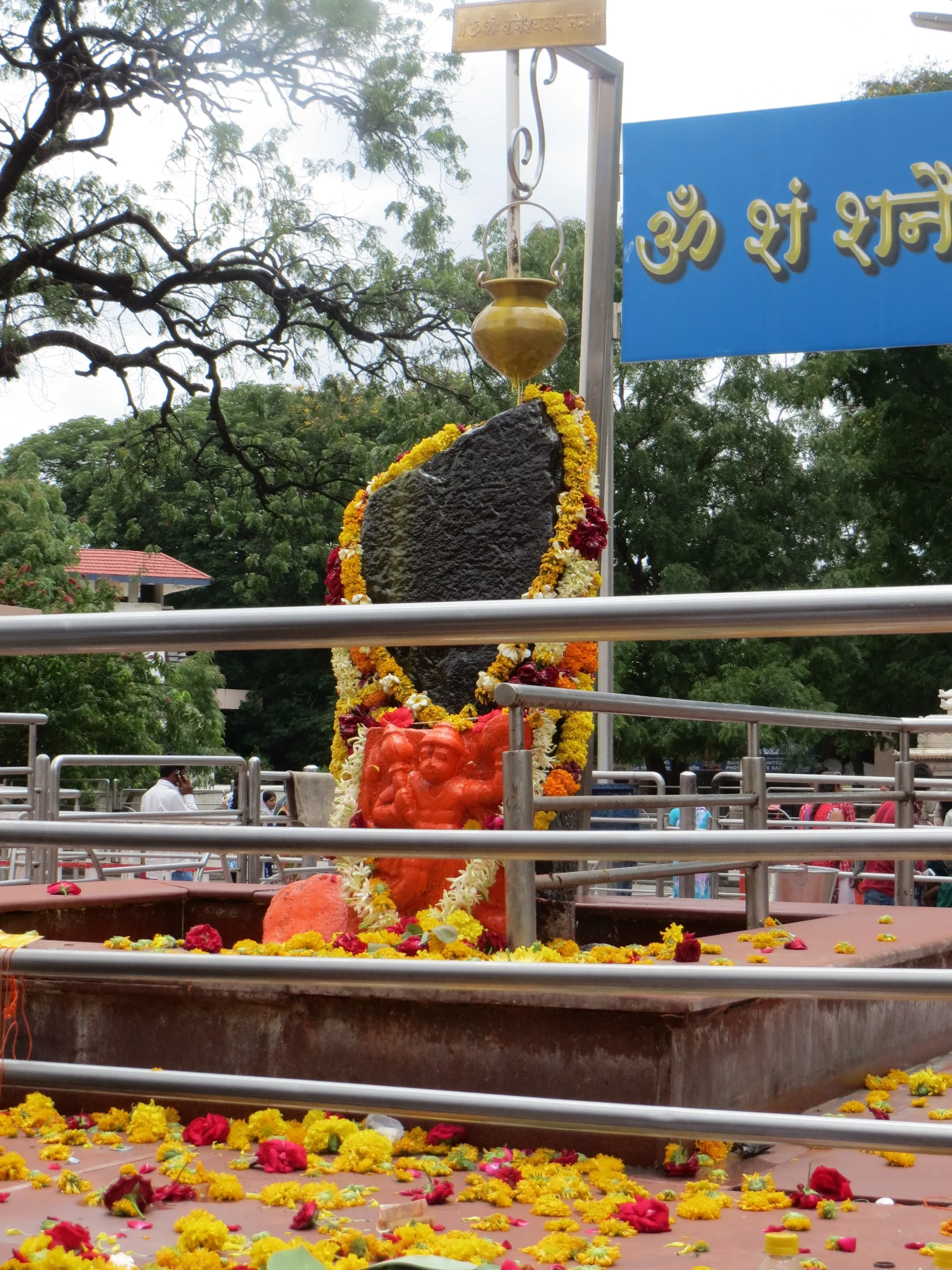
Image credit: Sujay25, CC BY-SA 4.0, via Wikimedia Commons (https://commons.wikimedia.org/wiki/File:Ganga_aarti_with_lamp_vase_at_Dasaswamedh_Ghat,_Varanasi_07.jpg).
You might also like

Vahan Puja for a New Car in the USA: Simple Vidhi, Mantras, Samagri and Safety Tips

Shodashopachara Puja: The 16 Steps of Hindu Worship Explained, with a Simple Home Version
Bhairav Chalisa: Lyrics in Hindi with Meaning, Bhairav Aarti and How to Recite