
Why Hindus Light Oil Lamps (Deepam) — Spiritual Meaning
Why do Hindus light oil lamps (diyas) during puja and festivals? The deep symbolism of the lamp, the types of lamps, and when they are lit — spiritual and cultural meaning.
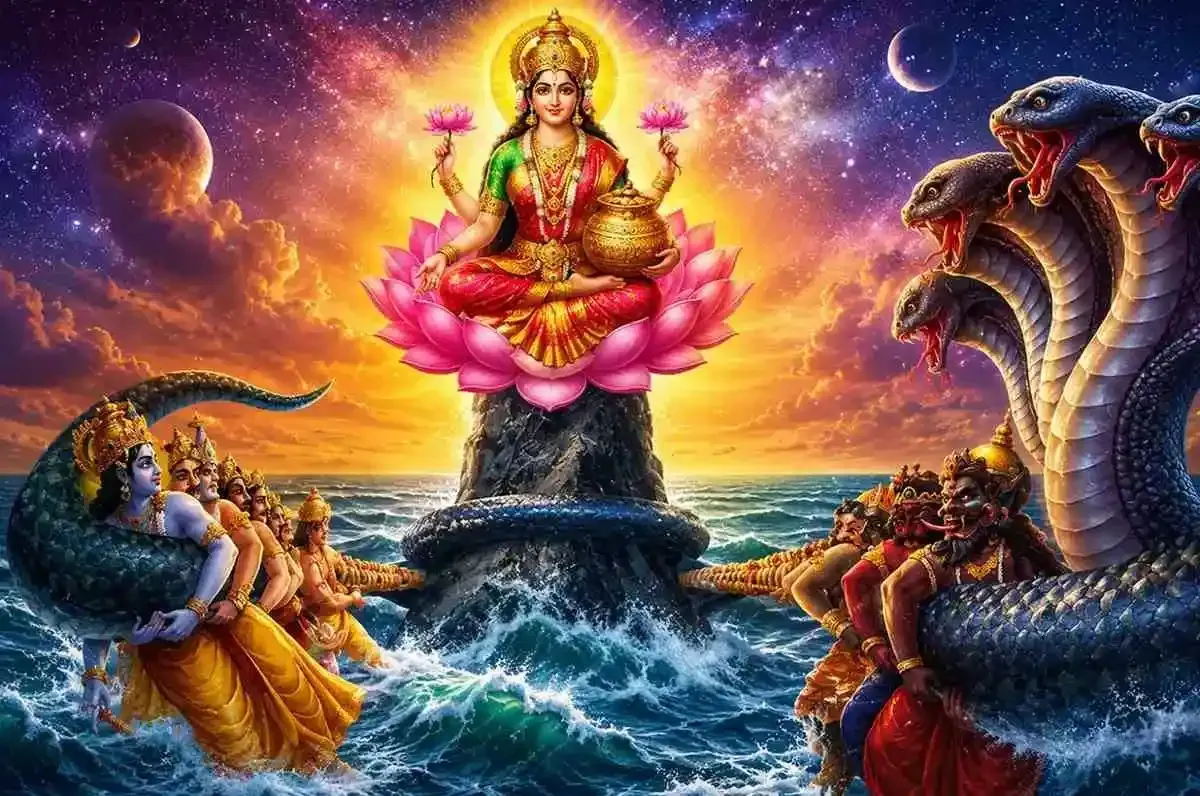
Lighting an oil lamp (diya or deepam) is one of the most cherished parts of Hindu worship — in daily puja, at festivals like Diwali and Karthika Deepam, and on every auspicious occasion. Far from a mere ritual, it carries deep symbolism.
The Symbolism of Lighting a Lamp
- Light symbolises knowledge, wisdom and positivity.
- Darkness symbolises ignorance.
- The flame represents the soul (atma) and the divine presence.
- The oil or ghee represents our negative tendencies and ego.
- The wick represents the mind/body — as the wick is consumed, the ego is offered up so the light of awareness can shine.
When we light a lamp, we symbolically dispel the darkness of ignorance and invite the light of knowledge — "Tamaso mā jyotirgamaya" (lead me from darkness to light).
A Calm, Sacred Atmosphere
The soft, steady glow of a lamp naturally creates a peaceful, meditative mood that helps the mind settle for prayer. This is a matter of devotional atmosphere and focus, valued in our tradition — not a medical claim.
Types of Lamps Used in Hinduism
- Ghee lamp — for daily puja and special rituals.
- Sesame-oil lamp — for daily worship.
- Clay diya — for Diwali and festivals.
- Brass/silver lamp — for daily and temple use.
- Akhanda Deepam — a continuously burning lamp, often in temples.
When Do Hindus Light Lamps?
- During daily morning and evening puja.
- At festivals — Diwali, Karthika Deepam, Navratri and more.
- At weddings, housewarmings and other auspicious occasions.
- During vrathams and homams, and throughout the day in temples.
Note: this article presents the spiritual and cultural symbolism of the lamp; it does not make scientific or health claims.
Also read: how to do aarti, why temple bells are rung and why Hindus break a coconut.
Frequently asked questions
What does lighting an oil lamp symbolise in Hinduism?
Light stands for knowledge, wisdom and positivity, while darkness stands for ignorance. The flame represents the soul (atma) and the divine presence.
What do the oil and wick of a deepam represent?
The oil or ghee represents our negative tendencies and ego. The wick represents the mind and body, and as it is consumed the ego is offered up so the light of awareness can shine.
What does the mantra Tamaso Ma Jyotirgamaya mean?
It means lead me from darkness to light. Lighting a lamp symbolically dispels the darkness of ignorance and invites the light of knowledge.
What types of lamps are used in Hindu worship?
Common ones are the ghee lamp, the sesame-oil lamp, the clay diya for Diwali and festivals, and brass or silver lamps for daily and temple use. An Akhanda Deepam burns continuously, often in temples.
When do Hindus light lamps?
Lamps are lit during daily morning and evening puja, at festivals such as Diwali, Karthika Deepam and Navratri, and at weddings and housewarmings. They also burn during vrathams and homams.
Share this with family and friends
Send it on WhatsApp, post it, or copy the link.
More from Spirituality
- Ekagrata (One-Pointedness): Yoga Concentration and Samyama Glossary
- Sri Medha Dakshinamurthy Swami Dhyanam | Meditation Sloka for Intelligence, Eloquence & Self-Realization
- What Is True Poverty? | Dharma Is the Greatest Wealth | Sanatana Dharma
- Correct Yourself First! | The Power of Constructive Criticism for Personal Growth
- Dashaphala Rahasyalu Part 3: When Do Planetary Dashas Give Full Results?
You might also like
Trees: Abodes of the Divine | Spiritual and Environmental Significance of Trees
Benefits of Pradakshina by Number | Spiritual Significance of 1 to 108 Circumambulations
Complete MBBS Once in Life: The Spiritual Meaning of Mahabharata, Bhagavatam, Bhagavad Gita & Ramayana
