
Why Do Hindus Say Namaste? Meaning, Anjali Mudra, Namaste vs Namaskar vs Pranam, and Greetings Across India
Namaste comes from namah (bow) and te (to you): "I bow to you". Here is what the joined-palms gesture means, how namaste, namaskar and pranam differ, the popular "divine in me" explanation, how it is used in yoga classes abroad, and how people greet each other across India.
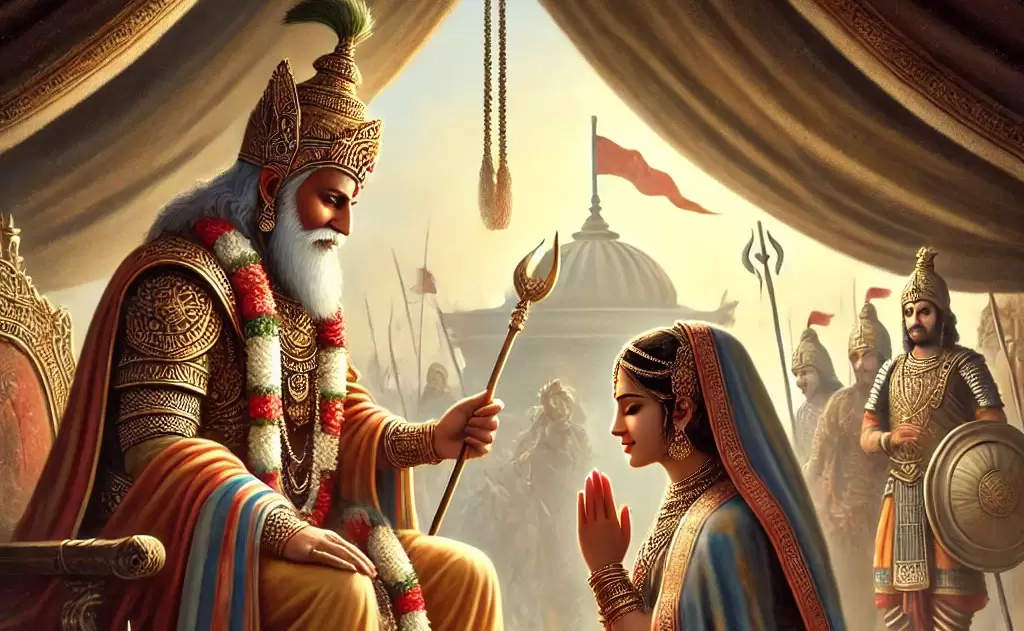
Namaste comes from namah (bow) and te (to you): "I bow to you". Here is what the joined-palms gesture means, how namaste, namaskar and pranam differ, the popular "divine in me" explanation, how it is used in yoga classes abroad, and how people greet each other across India.
Quick answer: Namaste comes from the Sanskrit namah (bow, salutation) and te (to you), so it means "I bow to you". It is said with palms joined at the chest in the anjali mudra and a slight bow. Hindus use it to show respect, humility and, as popularly explained, honour for the divine in every person.
What namaste means, word by word
The word is simple Sanskrit. Namah means a bow or salutation; it is the same word you hear in mantras such as Om Namah Shivaya ("salutations to Shiva"). Te means "to you". Joined together by Sanskrit sound rules, namah + te becomes namaste.
The idea of bowing to the divine with namah runs through Hindu worship from the Vedas onward; the Sri Rudram, chanted in Shiva worship, is full of salutations beginning with namah. When the same gesture is offered to a person, it carries some of that reverence.
The anjali mudra: why palms are joined
The gesture that goes with namaste is the anjali mudra: palms pressed together, fingers pointing up, held in front of the chest, with a slight bow of the head. Anjali in Sanskrit means joined hands, or the cupped hands used to offer water or flowers. The same gesture is used before a deity in a temple, when receiving prasad, and at the end of a puja.
Traditional explanations vary. A common one is that the two palms represent two people, or the self and the other, meeting as one. Another says joining the hands quietens the restless activity of the hands, a sign of humility and stillness. Some people say the pressure of the palms has physical effects; that is a popular explanation and not something to rely on.
Holding the joined hands higher shows more reverence: at the chest for equals, near the face for elders or teachers, and above the head for a deity or a great saint.
The popular explanation: "the divine in me honours the divine in you"
Outside India, namaste is often translated as "the divine in me bows to the divine in you" or "the light in me honours the light in you". This is a popular modern explanation, not a literal translation. It does, however, reflect a genuine Hindu teaching. The Isha Upanishad speaks of one who sees all beings in the Self and the Self in all beings, and the Bhagavad Gita describes the yogi as one who sees the same Self everywhere. Seen this way, a namaste is a small daily reminder of that unity.
Namaste vs namaskar vs pranam
| Word | Literal meaning | Typical use |
|---|---|---|
| Namaste | "I bow to you" | Everyday greeting and farewell, with joined palms; equals, strangers, elders |
| Namaskar (namaskara) | "The act of bowing" | Same as namaste, slightly more formal; also used for prostrations, as in Surya Namaskar |
| Pranam (pranama) | "Bowing forward" | Deeper reverence to parents, elders, teachers and deities; often includes touching the feet |
| Sashtanga namaskara | "Bowing with eight limbs" | Full prostration before a deity, a guru or, in some families, parents on special occasions |
For the custom of touching elders' feet, read our sibling explainer on charan sparsh.
When Hindus say namaste
- Greeting someone and saying goodbye, especially elders, guests and people you meet formally.
- Welcoming guests into the home or to a puja or wedding.
- Before a deity at home or in the temple, often with the eyes closed.
- Thanking someone, or apologising, in a respectful way.
- In public settings where a handshake is not appropriate or not wanted.
Namaste can be used with anyone, of any age or background. In many families children are taught to greet every visiting adult with a namaste, and a quick namaste with a smile is enough in daily life.
Greetings across India
Namaste is understood everywhere, but people across India greet each other in their own languages and traditions. The table gives common examples; use within communities varies.
| Greeting | Where or who commonly uses it | Meaning |
|---|---|---|
| Vanakkam | Tamil Nadu and Tamil speakers | Respectful greeting, "I bow" |
| Namaskaram | Telugu, Kannada (Namaskara) and Malayalam speakers | Salutations |
| Nomoshkar | Bengali speakers (Nomoskar in Assamese) | Salutations |
| Ram Ram | Rural North India, Rajasthan, Maharashtra and many Hindi speakers | Invoking Lord Rama |
| Jai Siya Ram | Many North Indian Hindus, especially in Uttar Pradesh and Bihar | Victory to Sita and Rama |
| Jai Shri Krishna | Many Gujarati families and Pushti Marg Vaishnavas | Victory to Lord Krishna |
| Radhe Radhe | Braj region (Vrindavan, Mathura) and Krishna devotees | Invoking Radha |
| Hari Om | Used in many ashrams and some Kerala and South Indian families | Invoking the Lord and Om |
| Jai Mata Di | Devotees of the Goddess, notably on the Vaishno Devi pilgrimage | Victory to the Mother |
| Jai Jinendra | Jain community | Honouring the Jinas, the liberated teachers |
| Sat Sri Akal | Sikh community | Truth is the timeless Lord |
If you are not sure which greeting a family uses, a simple namaste is always appropriate.
Namaste in yoga culture abroad
In the USA, Canada, the UK, Australia and Europe, many yoga classes end with the teacher and students saying namaste. Many Hindus welcome this as a sign of respect for yoga's roots; some feel it has become a slogan printed on mugs and T-shirts and lost its meaning. A few simple points make it respectful:
- Join the palms and bow slightly, rather than only saying the word.
- Use it sincerely, not as a joke or a catchphrase.
- If you teach yoga, explaining the meaning in a sentence helps students use it well.
For NRI parents, namaste is an easy first lesson in Hindu culture for children. A useful line for school: "Namaste means 'I bow to you'. We join our hands to show respect, a bit like a handshake but without touching." Many Hindu families abroad also found namaste a natural, respectful contactless greeting.
Frequently asked questions
What does namaste literally mean?
Namaste combines the Sanskrit namah, "bow" or "salutation", and te, "to you". So it literally means "I bow to you" or "salutations to you".
Does namaste mean "the divine in me bows to the divine in you"?
Not literally. That phrase is a popular modern explanation, widely used in yoga classes. It reflects a real Hindu idea, found in the Upanishads and the Bhagavad Gita, that the same Self dwells in every being, but the word itself simply means "I bow to you".
What is the difference between namaste and namaskar?
Both mean a respectful greeting and are used almost interchangeably. Namaste is addressed to the person ("bow to you"), while namaskar (namaskara) names the act of bowing. Namaskar can sound slightly more formal, and it is the common form in Marathi, Bengali, Telugu, Kannada and Malayalam.
Is it okay for non-Hindus to say namaste?
Yes. Namaste is an everyday Indian greeting used by people of many faiths, and most Hindus are happy when others use it sincerely. Avoid using it as a joke or a slogan, and when greeting someone, join the palms and bow slightly rather than just saying the word.
Should you say namaste to elders?
Namaste is always polite with elders. In many families, close elders such as grandparents are greeted with pranam, which may include touching their feet, especially on festivals or before a journey. A respectful namaste is the safe choice when you are unsure of a family's customs.
Editor's note (9 October 2026)
This explainer was written in October 2026. The literal meaning of namaste is standard Sanskrit; the "divine in me" phrase is labelled as a popular modern explanation, with the related ideas from the Isha Upanishad and Bhagavad Gita paraphrased rather than quoted. Regional greetings are given as general patterns, and communities use them in many ways.
Related guides
You might also like

Why Do Hindus Touch Elders' Feet? Charan Sparsh, Pranam, Abhivadana and Explaining It to Children Abroad
Why Do Hindus Fast? Upavasa Meaning, Types of Vrat and the Main Fasting Days

Why Do Hindus Break a Coconut? Meaning of the Sriphala Offering at Temples, New Beginnings and Festivals
