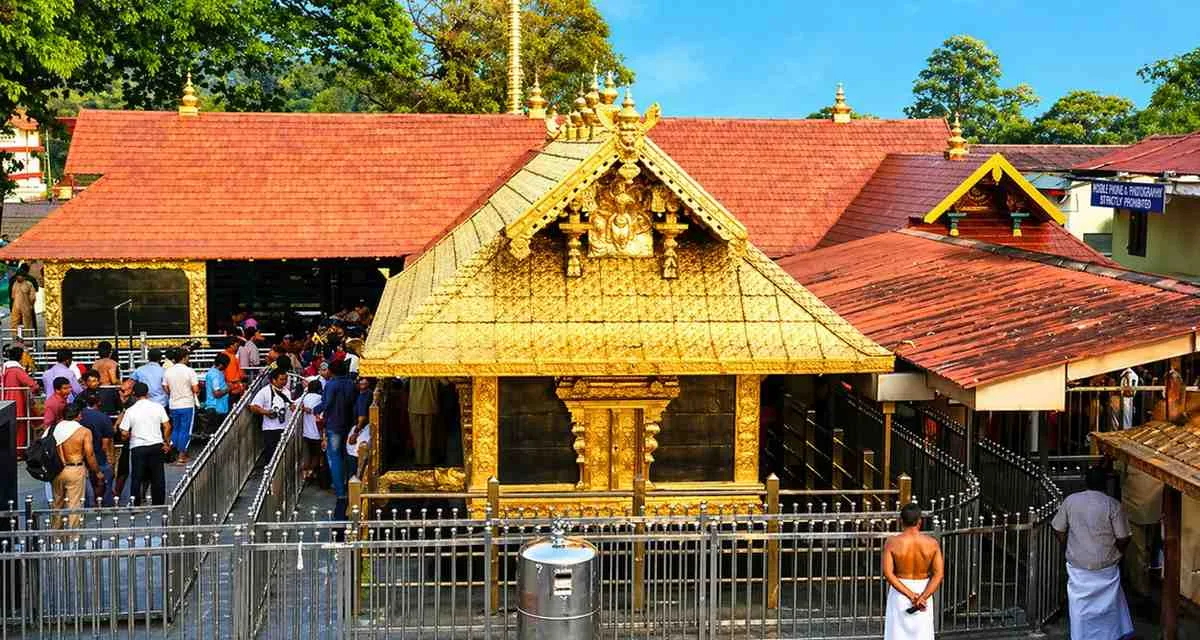
Akasha Deepam in Karthika Masam: Meaning, How to Hoist the Sky Lamp, 2026 Dates and Safety
Akasha Deepam is the lamp raised high on a pole or rooftop through Karthika Masam. What the tradition says it is for, how homes and temples hoist it, the 2026 period in India (Tue 10 Nov to Tue 8 Dec), sunset times for Telugu cities and practical safety tips for houses and apartments.
Akasha Deepam is the lamp raised high on a pole or rooftop through Karthika Masam. What the tradition says it is for, how homes and temples hoist it, the 2026 period in India (Tue 10 Nov to Tue 8 Dec), sunset times for Telugu cities and practical safety tips for houses and apartments.
Quick answer: Akasha Deepam is the 'sky lamp' of Karthika Masam: a lamp placed in a lantern or basket and raised on a tall pole or rooftop, lit at dusk every day of the month. As traditionally described, it is offered to Lord Vishnu as Damodara, and many families also see it as a light for the path of ancestors. In 2026, Karthika Masam in India (Telugu, Kannada, Marathi, Gujarati calendars) runs from Tuesday 10 November to Tuesday 8 December. The North Indian Kartik month ends on Tuesday 24 November, which is also Karthika Pournami, the biggest lamp night of the season.
What Akasha Deepam means
Karthika is, above all, the month of the lamp. Homes in Andhra Pradesh and Telangana light deepams at the threshold, beside the Tulasi Kota and in temples every evening. Akasha Deepam takes that same flame and lifts it into the sky.
Three strands of meaning run through the tradition, and different families hold one, two or all of them:
- An offering to Damodara. In Vaishnava tradition the month of Kartika is sacred to Lord Vishnu as Damodara, the child Krishna tied with a rope by Yashoda. As traditionally told in the Puranic texts on Kartika, a lamp raised high for Damodara through the month is counted as a great act of devotion.
- A light for ancestors. In many regions, especially in the North and in Varanasi, the sky lamp is understood as a guiding light for the souls of departed family members during the season. Families remember their elders by name while raising it.
- Light for everyone. A lamp high above the house is seen by passers-by, birds and, as devotees say, by the gods themselves. It shares light rather than keeping it inside, which many people see as the heart of Karthika deepa daanam (the gift of a lamp).
These are matters of belief and regional practice rather than one fixed rule. Some Shaiva families in the Telugu states connect the month's lamps mainly with Lord Shiva and light the Akasha Deepam with 'Om Namah Shivaya'. Both approaches sit comfortably side by side in Karthika.
2026 Akasha Deepam period and key nights (India)
Dates are from Drik Panchang for India. Tithi end times are IST instants and are the same across India; local panchangams may differ slightly.
| Date (2026) | Day | What it is | Why lamps matter |
|---|---|---|---|
| Tue 10 Nov | Pratipada | Karthika Masam begins (amanta) | First evening of the daily sky lamp |
| Mon 16 Nov | Saptami | First Karthika Somavaram; Vrishchika Sankranti | Shiva deepam at dusk |
| Fri 20 Nov | Ekadashi (from 7:15 AM) | Devutthana / Uttana Ekadashi | Vishnu is believed to wake from his four-month rest |
| Sat 21 Nov | Dwadashi | Ksheerabdi Dwadasi / Tulasi Vivah | Lamps at the Tulasi Kota and Amla |
| Mon 23 Nov | Chaturdashi (to 11:42 PM) | Second Somavaram; Vaikuntha Chaturdashi | Lamps for both Hari and Hara |
| Tue 24 Nov | Purnima (to 8:23 PM) | Karthika Pournami; Karthigai Deepam; North Kartik ends | The great lamp night |
| Mon 30 Nov | Krishna Saptami | Third Somavaram | Evening deepam |
| Mon 7 Dec | Krishna Chaturdashi | Fourth Somavaram and Masik Shivaratri | Night lamp for Shiva |
| Tue 8 Dec | Amavasya | Last day of Karthika Masam | Final lamp and, for many, deepa daanam for ancestors |
If you follow the North Indian purnimanta calendar, your Kartik month and its Akash Deep end with Kartika Purnima on 24 November 2026, and Margashirsha begins in the North on 25 November.
When to light it: sunset in Telugu cities
The sky lamp is traditionally lit at dusk, around sunset, and many families keep it burning into the early night. Sunset times below are IST and approximate to plus or minus one minute.
| City | Sunset Tue 10 Nov | Sunset Tue 24 Nov | Sunset Tue 8 Dec |
|---|---|---|---|
| Hyderabad | 5:42 PM | 5:40 PM | 5:42 PM |
| Warangal | 5:37 PM | 5:35 PM | 5:37 PM |
| Vijayawada | 5:35 PM | 5:33 PM | 5:35 PM |
| Visakhapatnam | 5:23 PM | 5:21 PM | 5:23 PM |
| Rajahmundry | 5:29 PM | 5:28 PM | 5:30 PM |
| Tirupati | 5:43 PM | 5:42 PM | 5:45 PM |
| Bengaluru | 5:51 PM | 5:51 PM | 5:54 PM |
| Chennai | 5:41 PM | 5:40 PM | 5:43 PM |
How families hoist an Akasha Deepam at home
There is no single correct method. This is how the custom is commonly kept in houses with a courtyard or terrace:
- Choose the spot. The highest open point of the house is preferred: the terrace, a courtyard pole or the roof edge facing east or north. Keep it well away from electric lines, thatch, dry leaves and stored fuel.
- Prepare the pole. A straight bamboo or metal pole, firmly fixed at the base and tied at two points, is traditional. A simple pulley rope lets you lower and raise the lamp each evening without climbing.
- Prepare the lantern. The lamp sits inside a covered holder: a small clay deepam in a glass lantern, a metal cage lantern or a woven basket lined so the flame cannot touch it. The cover keeps the wind out and the flame in.
- Light with intention. After the evening lamp in the puja room, light the Akasha Deepam with ghee or sesame oil. Many people say the name of the deity (Damodara, Narayana or Shiva) and remember departed elders by name before raising it.
- Raise and bow. Hoist the lantern slowly, then fold your hands and offer a short prayer for the family and for all beings who see the light.
- Keep it daily. Families who take a Karthika sankalpam keep the lamp every evening from Pratipada to Amavasya. Others keep it on the Somavarams, Ekadashi, Dwadasi and Pournami.
How temples keep the tradition
Many temples in the Telugu states and beyond raise a lamp on a tall pole or near the dhwajasthambham (flag mast) during Karthika, and some light a large lamp on the temple tower or hilltop on Karthika Pournami. The best-known hilltop flame is the Maha Deepam on Arunachala at Tiruvannamalai on Karthigai Deepam, which also falls on 24 November in 2026. Customs differ from temple to temple; check the temple's official website or notice board for what your local temple does and when.
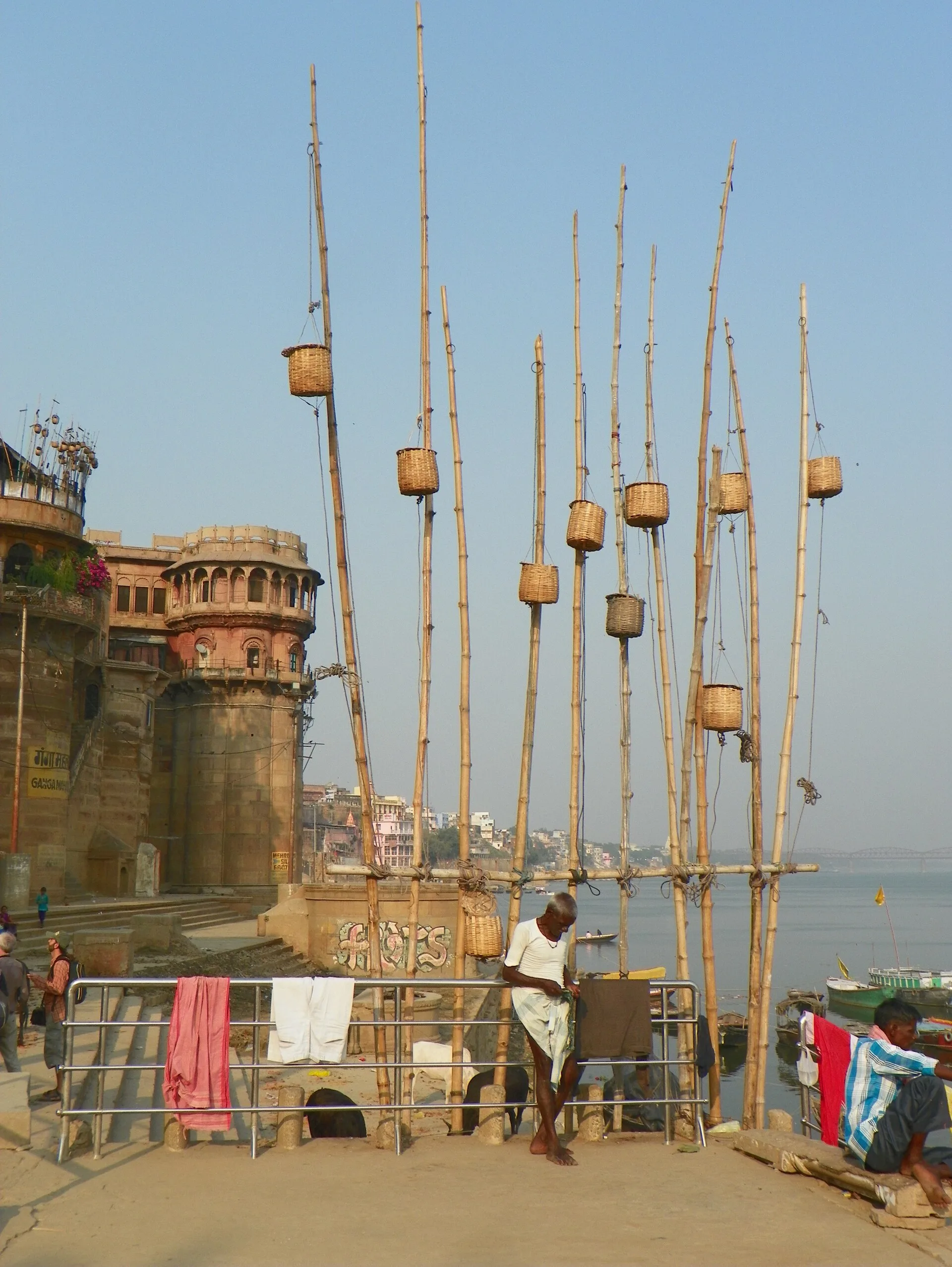
In Varanasi, the old custom of hanging lamps in bamboo baskets on tall poles along the ghats during Kartik, commonly described as a remembrance of ancestors, is one of the most photographed forms of the sky lamp.
Lamps of Karthika: a quick guide
Akasha Deepam is one of several lamp customs of the month. Here is how they differ, as commonly practised in Telugu homes:
| Lamp | Where it is lit | When (2026) | Traditional purpose |
|---|---|---|---|
| Akasha Deepam | High on a pole or rooftop | Every evening, 10 Nov - 8 Dec | For Damodara, for ancestors, light for all |
| Threshold deepam | At the main door, both sides | Every evening of Karthika | Welcomes Lakshmi and blessings into the home |
| Tulasi Kota deepam | Beside the Tulasi plant | Daily; especially Sat 21 Nov | Devotion to Tulasi and Vishnu |
| Usiri (Amla) deepam | Under or beside an Amla tree | Ksheerabdi Dwadasi, Sat 21 Nov, and Vana Bhojanam days | Amla is linked with Vishnu in Karthika |
| 365 vattula deepam | Temple or home, one lamp with 365 wicks | Karthika Pournami, Tue 24 Nov | As believed, a year of lamps in one offering |
| Floating lamps | On a river, tank or pond in leaf or clay holders | Mainly Karthika Pournami, before dawn or at dusk | Offered to the sacred waters |
| Deepa daanam | Given to a temple or a priest | Any day; many choose Pournami or Amavasya | The gift of a lamp, highly praised in Karthika Puranam tradition |
Safety: sky lamps without accidents
A flame on a pole in the wind needs care, especially with children, pets and crowded rooftops.
- Always use a fully covered lantern. An open diya on a pole will either blow out or spill burning oil.
- Never tie a lamp near curtains, plastic sheets, cloth awnings, dry plants or overhead power and cable lines.
- Use a metal or glass holder. Avoid synthetic cloth or paper sky lanterns, which can drift and start fires.
- Fix the pole firmly; a strong evening wind can bring down a loosely tied bamboo.
- Put out the flame before you sleep or use a small lamp that burns out in a couple of hours.
- In apartments, follow your building's fire rules. An LED lantern hung at the balcony's highest safe point keeps the spirit of the custom where flames are not allowed.
- Keep water or sand nearby on the terrace, and let children watch rather than handle the lamp.
For families abroad
Karthika dates and sunset times outside India are different, so do not use the India times on this page abroad. See the country guides for the USA, the UK, Canada, Australia and the UAE. In a flat or rented home, a covered LED lantern hung high in a window facing the street is a gentle, safe way to keep the sky lamp.
Frequently asked questions
What is Akasha Deepam?
Akasha Deepam (sky lamp) is a lamp raised high above the ground, usually in a lantern or basket on a tall pole or on the rooftop, and lit at dusk during Karthika Masam. As traditionally described, it is offered to Lord Vishnu as Damodara, and in many families it is also understood as a light for ancestors.
When is Akasha Deepam lit in 2026?
In the Telugu, Kannada, Marathi and Gujarati (amanta) calendar, Karthika Masam runs from Tuesday 10 November to Tuesday 8 December 2026 in India, so families who keep the daily sky lamp light it every evening in that period. In the North Indian purnimanta calendar, Kartik ends on Tuesday 24 November 2026.
Which is the most important day for Akasha Deepam?
Karthika Pournami, Tuesday 24 November 2026, is the high point for most families. Purnima tithi runs from 11:42 PM on Monday 23 November to 8:23 PM on Tuesday 24 November IST. Many temples raise a large lamp on this evening, and Karthigai Deepam also falls on 24 November.
Can I light Akasha Deepam in an apartment?
Yes, in an adapted way. Many families hang a covered lamp or lantern at the highest safe point of the balcony, or use an electric or LED lantern if building rules do not allow open flames. Do not tie a flame to railings near curtains or leave it unattended.
Is there a mantra for Akasha Deepam?
Traditional texts give verses dedicating the lamp to Damodara, but wording varies between sources. Many families simply say 'Om Namo Narayanaya' or 'Om Namah Shivaya' with a short prayer for the family and for departed elders. Your family priest can give the verse your tradition uses.
Do I need to light it every day?
The full tradition is a daily lamp through the month. If that is not possible, many people keep it on key days such as the Somavarams, Ksheerabdi Dwadasi (21 November) and Karthika Pournami (24 November). Devotion matters more than the number of days.
Related guides
- Karthika Masam 2026
- Karthika Masam 2026 calendar day by day
- Karthika Masam 2026 deepam timings, India city-wise
- Karthika Snanam and Deepa Daanam 2026
- Karthika Pournami 2026
- 365 wick (vattulu) deepam in Karthika Masam
- Tulasi pooja in Karthika Masam 2026: daily vidhi
- Karthika Masam rules: food, dos and don'ts
Editor's note (9 October 2026)
All 2026 dates and tithi times on this page come from Drik Panchang (New Delhi day panchang; tithi end instants are IST and identical across India). City sunset times are calculated IST values, approximate to plus or minus one minute; local panchangams may differ slightly. The meanings of Akasha Deepam are given as traditionally described and vary by region and family. Temple customs change from place to place, so check with your local temple.
Image credit: juggadery, CC BY-SA 2.0, via Wikimedia Commons (https://commons.wikimedia.org/wiki/File:Varanasi_109_-_akash_deep_(35317172826).jpg).
You might also like
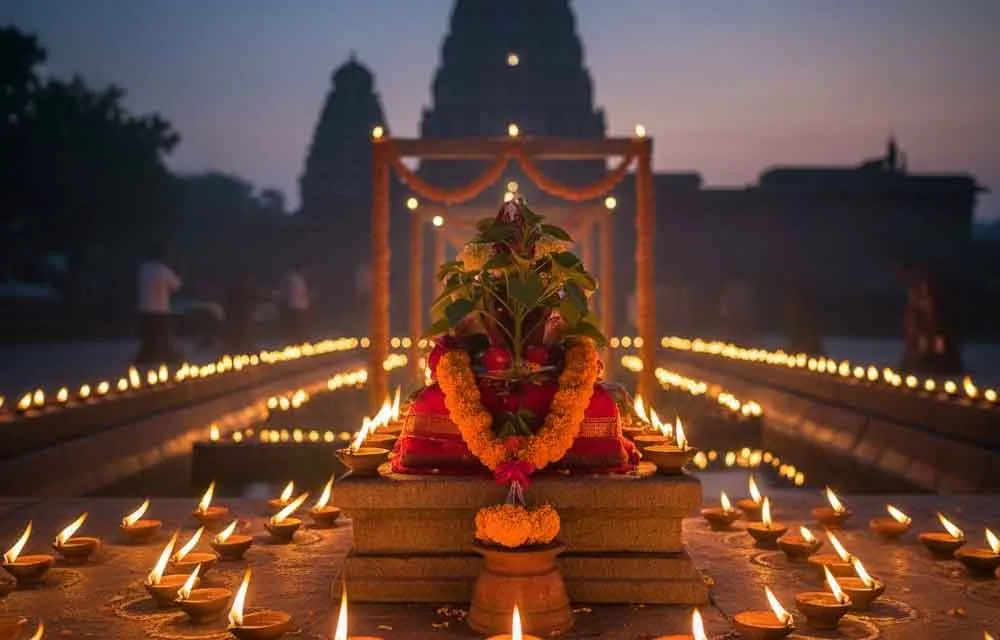
Karthika Masam 2026 Deepam Timings City-Wise: Sunset Lamp and Sunrise Snanam Times for 13 Indian Cities
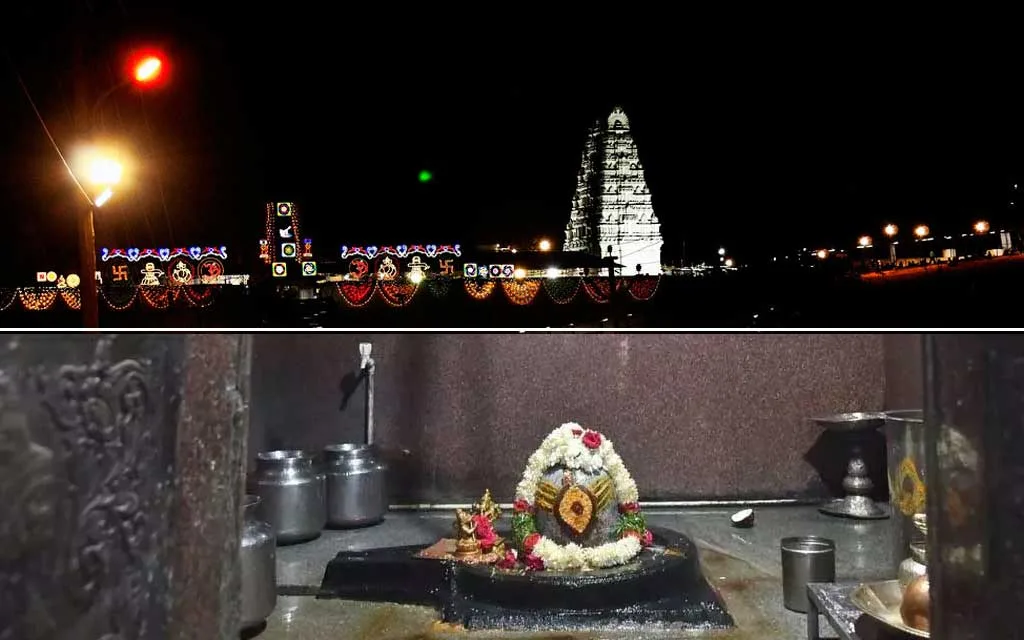
Karthika Masam 2026 in Hyderabad: Deepam Timings, Temples to Visit and Koti Deepotsavam Update
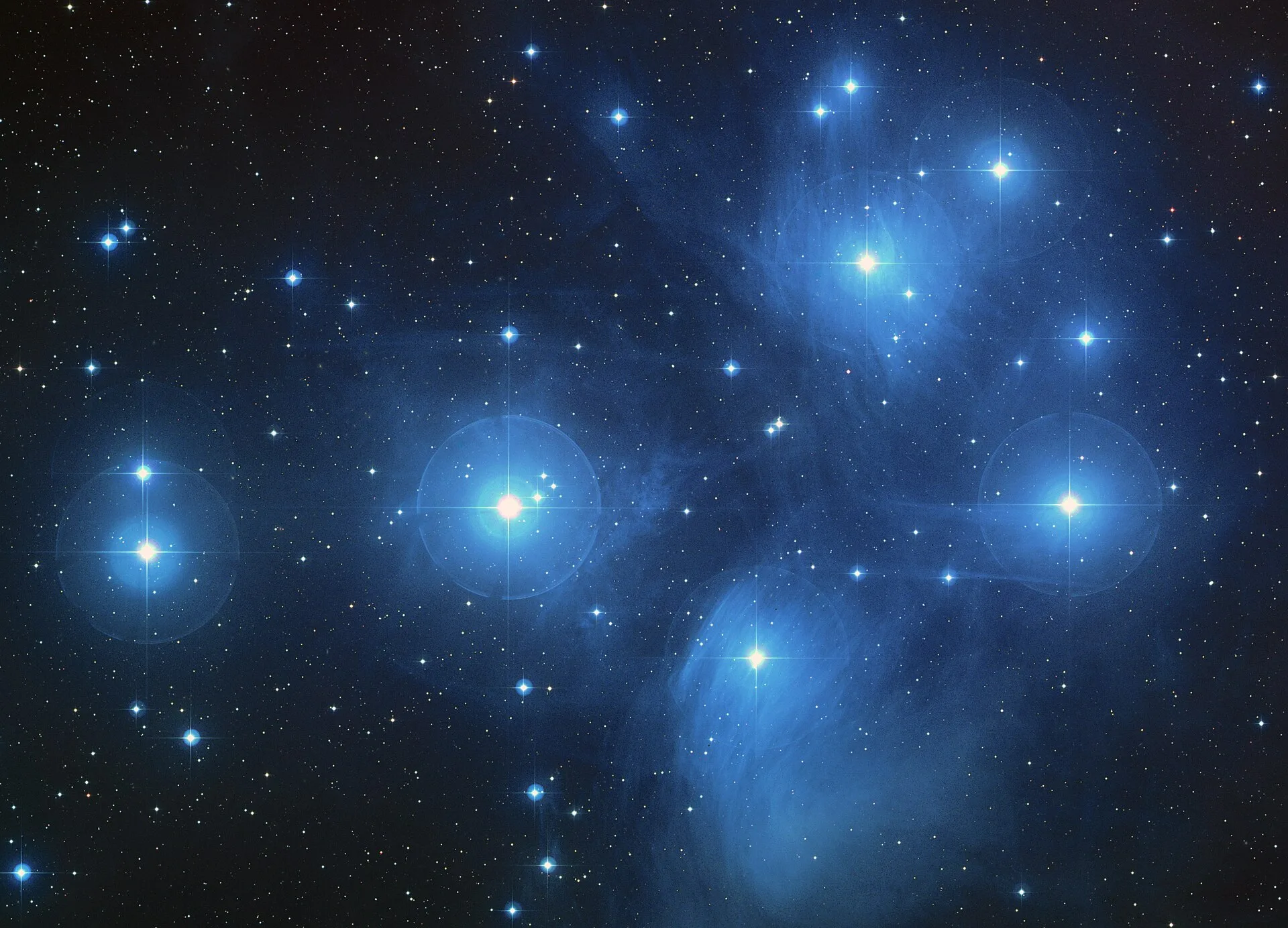
Why Karthika Masam Is Called Karthika: The Krittika Nakshatra, the Pleiades and the Full Moon